


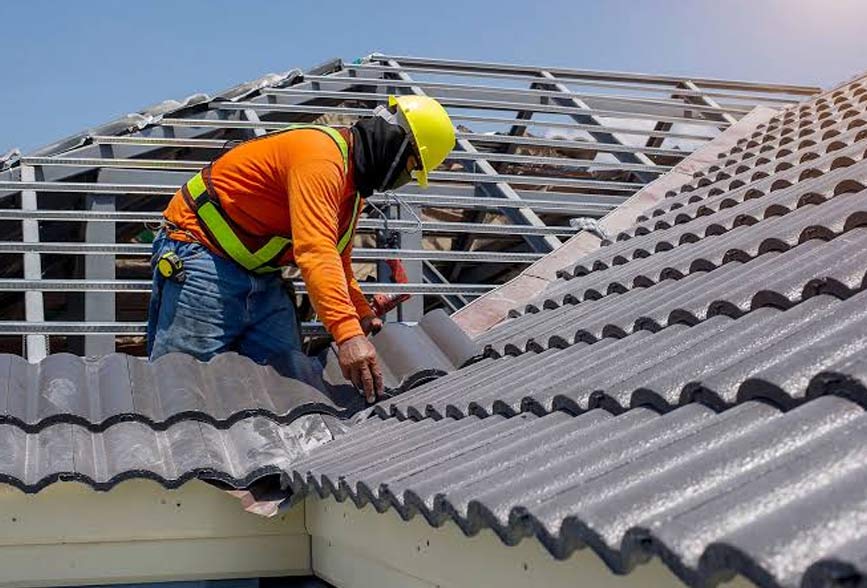
A roof is one of the most important components of any home because it protects the structure, belongings, and people inside from rain, wind, sunlight, and changing weather conditions. Over time, even a well-maintained roof can develop problems due to aging materials, severe storms, moisture exposure, and everyday wear. When repairs are no longer sufficient to maintain its performance, replacing the existing roof may become the most practical long-term solution. Understanding the process, available materials, expected costs, and benefits can help homeowners make informed decisions and avoid unnecessary complications.
Residential roof replacement involves removing an existing roofing system and installing a new one that provides reliable protection, improved durability, and better overall performance. Depending on the property’s condition, the project may include replacing shingles, repairing damaged roof decking, improving ventilation, installing moisture barriers, and upgrading flashing around vulnerable areas. Although the work requires an initial investment, a properly installed roof can help prevent water damage, improve energy efficiency, and enhance the appearance and value of a property.
Homeowners should approach this project with careful planning rather than waiting until a major leak or structural problem develops. By recognizing early warning signs, selecting appropriate materials, hiring qualified professionals, and following a consistent maintenance routine, property owners can protect their investment and enjoy greater confidence in the condition of their homes.
Understanding When a Roof Needs Replacement
Determining whether a roof requires replacement begins with evaluating its age, appearance, and overall performance. Roofing materials have different expected lifespans, and their condition depends on installation quality, maintenance practices, ventilation, and exposure to environmental conditions. While some roofs remain effective for decades, others may deteriorate more quickly because of poor workmanship, repeated storm damage, or inadequate drainage.
One of the most noticeable warning signs is recurring leakage. Water stains on ceilings, damp patches on interior walls, peeling paint, and unexplained moisture in the attic can indicate that water is entering through the roofing system. Although a minor leak may sometimes be repaired successfully, repeated leaks across different sections can suggest more widespread deterioration. In these circumstances, a professional inspection can help determine whether targeted repairs remain practical or a complete replacement would provide better long-term protection.
Damaged or missing shingles can also indicate a developing problem. Asphalt shingles may curl, crack, lose protective granules, or become detached during strong winds. Metal roofing can develop corrosion or loose fasteners, while tile roofs may contain cracked or displaced pieces. When such damage is widespread, repairing individual sections may not restore the roof’s reliability.
Another important factor is the condition of the underlying structure. If roof decking has become soft, weakened, or affected by prolonged moisture exposure, simply installing new surface materials may not solve the underlying problem. A thorough assessment should identify hidden damage and determine whether structural repairs are necessary before the new roofing system is installed.
Homeowners should avoid relying exclusively on age when making a decision. An older roof in excellent condition may continue performing adequately, while a comparatively new roof may require extensive work because of improper installation or severe weather damage. A qualified roofing contractor can evaluate these factors and recommend an appropriate solution based on the property’s actual condition.
The Benefits of Replacing an Aging Roof
A new roofing system offers several advantages beyond improving the appearance of a property. One of its primary benefits is enhanced protection against water infiltration and environmental damage. As roofing materials deteriorate, their ability to resist moisture, wind, and temperature changes may decline. Replacing worn components with a properly installed system can restore the protective barrier between the home and the elements.
Improved energy performance is another potential advantage. A roof works together with insulation, ventilation, and air sealing to regulate indoor temperatures. When these components function properly, they can help reduce unwanted heat transfer and improve comfort throughout the year. Although a new roof does not automatically guarantee lower utility bills, choosing suitable materials and correcting ventilation or insulation problems during the project may contribute to better energy efficiency.
A replacement project can also improve the property’s visual appeal. Damaged shingles, faded materials, and uneven roof surfaces may make an otherwise attractive home appear neglected. New roofing materials provide an opportunity to update the exterior, coordinate colors with siding and trim, and create a more consistent architectural appearance.
Furthermore, replacing a severely deteriorated roof can help prevent secondary damage. Water entering through compromised roofing materials may affect insulation, drywall, wooden framing, electrical components, and interior finishes. Addressing the problem before extensive damage occurs can reduce the likelihood of additional repair expenses.
Property value may also benefit from a roof that is in good condition. Prospective buyers often consider the age and quality of major building components when evaluating a home. A recently installed roof, supported by appropriate documentation and transferable warranties where available, may make a property more appealing. However, the financial return depends on the market, material selection, installation quality, and other characteristics of the home.
Exploring Different Roofing Materials
Selecting appropriate roofing materials is one of the most important decisions homeowners make during a replacement project. Each material offers a different combination of cost, appearance, durability, maintenance requirements, and resistance to environmental conditions. The best option depends on the roof’s design, structural capacity, climate, budget, and personal preferences.
Asphalt shingles remain a popular choice because they are widely available, relatively affordable, and offered in numerous colors and styles. They can complement many architectural designs and are generally straightforward to install or repair. Their expected lifespan varies according to product quality, installation, ventilation, and weather exposure. Homeowners should compare manufacturer specifications instead of assuming that all asphalt shingles provide the same level of performance.
Metal roofing is another option for homeowners seeking durability and relatively low routine maintenance. Available in panels and metal shingles, it can provide effective protection when properly installed with suitable underlayment, flashing, and fasteners. Metal roofing may also reflect a portion of the sun’s energy, depending on its finish and design. Initial costs can be higher than those of some conventional materials, but long service life may make it attractive to homeowners planning to remain in their properties for many years.
Clay and concrete tiles are valued for their distinctive appearance and durability. They are commonly associated with Mediterranean, Spanish, and other traditional architectural styles. However, these materials can be heavy, so the roof structure must be capable of supporting the additional load. Installation also requires specialized knowledge because improperly handled tiles may crack or fail to provide adequate protection.
Slate offers a natural appearance and can last for many decades when high-quality materials are installed correctly and maintained appropriately. Nevertheless, it is generally more expensive than many alternatives and requires a structure designed to support its weight. Repairs may also require specialized contractors familiar with slate roofing systems.
Wood shingles and shakes provide a natural finish that appeals to some homeowners, although their maintenance requirements and resistance to fire, moisture, insects, and decay depend on the product and environmental conditions. Local building codes and fire regulations may restrict their use in certain areas.
Before making a final decision, homeowners should compare product warranties, expected service life, installation requirements, maintenance needs, and overall project costs. A material that appears inexpensive initially may require more frequent repairs or earlier replacement, while a more durable option may offer better long-term value.
Planning a Successful Roofing Project
Careful planning helps prevent delays, unexpected expenses, and misunderstandings during a roofing project. The first step is to arrange a professional inspection so that the contractor can assess the existing roofing materials, identify damaged areas, and determine the scope of work required. This evaluation should include visible roof surfaces, flashing, drainage components, and accessible areas beneath the roof where moisture or structural damage may be present.
After the inspection, homeowners should request a written estimate that explains the proposed work in sufficient detail. The estimate should identify the roofing materials, underlayment, flashing, ventilation components, removal and disposal arrangements, labor charges, and any anticipated repairs to the underlying structure. It should also clarify whether permits, inspections, and cleanup are included in the quoted price.
Scheduling requires consideration as well. Roofing work is affected by weather conditions, material availability, crew schedules, and the complexity of the roof. Rain, high winds, and unsuitable temperatures can interfere with installation, depending on the materials being used. Homeowners should discuss how weather-related delays will be handled and whether temporary protective measures will be provided if the roof cannot be completed in one day.
It is also important to prepare the property before work begins. Outdoor furniture, vehicles, garden equipment, and fragile decorations should be moved away from areas where debris may fall. Attic belongings may need protection from dust, and residents should understand which entrances or sections of the property will be affected by construction activities.
Families with children or pets should establish safe areas away from ladders, tools, materials, and falling debris. Clear communication with the roofing team can help ensure that everyone understands access restrictions, working hours, and any special concerns involving the property.
The Step-by-Step Roof Replacement Process
A typical roofing project follows several stages, although the exact procedure depends on the existing system, the selected materials, and the condition of the underlying structure. Understanding these stages helps homeowners know what to expect and recognize why professional installation matters.
The process generally begins with preparing the work area and protecting vulnerable parts of the property. Contractors may place protective coverings around landscaping, establish designated debris collection areas, and position equipment for removing the old roofing materials. Proper preparation helps reduce damage to the property and improves workplace safety.
Next, the existing roofing system is removed when the project requires a complete tear-off. Old shingles, underlayment, flashing, and damaged components are taken away so the contractor can inspect the roof decking. In some circumstances, building regulations and manufacturer requirements may allow roofing to be installed over an existing layer, but this depends on the materials, roof condition, and applicable restrictions. A complete tear-off often provides a better opportunity to identify concealed problems.
Once the underlying surface is exposed, the contractor inspects the decking for signs of rot, moisture damage, deterioration, or structural weakness. Damaged sections should be repaired or replaced before new roofing materials are installed. Skipping this stage can compromise the performance of the entire system, even when the new surface looks attractive.
The next stage involves installing the appropriate protective layers. Underlayment provides an additional barrier against moisture, while specialized membranes may be installed in vulnerable areas according to building requirements and the roofing manufacturer’s instructions. Flashing is fitted around chimneys, vents, valleys, skylights, and other locations where water could penetrate joints or transitions.
The new roofing material is then installed according to the manufacturer’s specifications. Correct fastening, alignment, overlapping, and detailing are essential for achieving reliable performance. Ventilation components and other accessories may also be installed or upgraded as part of the project.
Finally, the contractor removes debris, checks the completed work, and inspects important details such as flashing, ridge components, valleys, and drainage areas. Homeowners should request a final walkthrough, ask questions about maintenance, and obtain relevant warranty documents, invoices, and project records before considering the work complete.
Factors That Influence Replacement Costs
The total cost of a roofing project varies considerably because no two properties have exactly the same requirements. Roof size is an important factor, but the amount of work involved also depends on roof pitch, design complexity, material selection, accessibility, and the condition of the existing structure.
Steep roofs generally require additional safety precautions and may take longer to complete than roofs with easier access. Complex designs containing multiple valleys, dormers, skylights, chimneys, and roof transitions require more detailed installation work. These features can increase labor requirements because each connection must be properly sealed and protected.
Material selection can also have a substantial effect on the budget. Basic asphalt shingles may cost less initially than slate, tile, or certain metal roofing systems. However, homeowners should evaluate the complete cost of ownership rather than comparing purchase prices alone. Maintenance, expected service life, repair requirements, and energy performance may influence the overall value of each option.
Hidden damage is another possible source of additional expense. Once the old roofing materials are removed, contractors may discover deteriorated decking, damaged fascia boards, compromised flashing, or other issues that were not visible during the initial inspection. Homeowners should ask how unexpected repairs will be documented, priced, and approved before additional work begins.
Disposal charges, permit fees, ventilation upgrades, and replacement of gutters or related components may also affect the final price. Obtaining multiple detailed estimates can help homeowners understand typical project requirements and identify significant differences between contractors’ proposals.
Rather than choosing the lowest quotation automatically, property owners should assess the quality of materials, installation methods, warranties, communication, and the contractor’s reputation. A transparent estimate and a clearly defined scope of work are often more valuable than an unusually low price that excludes necessary components.
Selecting a Qualified Roofing Contractor
The quality of installation is just as important as the quality of the roofing materials. Even premium products can fail prematurely when installed incorrectly, making contractor selection a critical part of the project. Homeowners should look for professionals with relevant experience, appropriate licensing where required, suitable insurance coverage, and a record of completing comparable projects.
Requesting written estimates from several contractors provides an opportunity to compare material specifications, labor costs, project schedules, and warranty terms. Each estimate should explain what is included and identify potential exclusions. This makes it easier to evaluate proposals fairly instead of relying on the total price alone.
References and independent customer reviews can offer useful information about workmanship, communication, punctuality, and problem resolution. Homeowners may also ask to see examples of completed projects involving similar roofing materials or architectural designs. While past work cannot guarantee future results, it can help demonstrate a contractor’s experience.
Insurance verification is particularly important because roofing involves significant safety risks. Property owners should confirm that the contractor has appropriate coverage for workers and potential property damage. They should also understand which party is responsible for permits, inspections, and compliance with local building requirements.
A written contract should clearly state the project scope, payment schedule, materials, estimated completion timeframe, cleanup responsibilities, and procedures for handling unexpected repairs. It should also identify applicable workmanship and manufacturer warranties. Homeowners should be cautious about high-pressure sales tactics, vague estimates, demands for unusually large upfront payments, or promises that sound too good to be true.
Reliable contractors communicate openly, explain technical decisions in understandable language, and provide documentation when requested. Taking time to verify these details can reduce misunderstandings and help ensure that the finished roof meets the property’s needs.
Improving Energy Efficiency and Roof Ventilation
A roof contributes to indoor comfort by working alongside insulation, ventilation, and air sealing. If these systems are poorly designed or improperly maintained, the home may experience excessive heat buildup, uneven indoor temperatures, condensation, or unnecessary energy consumption.
During a replacement project, homeowners have an opportunity to evaluate the condition of attic insulation and ventilation. Proper ventilation can help manage heat and moisture in the attic, although the appropriate system depends on the roof design, climate, and building configuration. Ventilation openings must be positioned and sized correctly to support the intended airflow without allowing rain, pests, or other unwanted elements to enter.
Insulation is equally important because it slows the movement of heat between the interior living space and the roof area. Improving insulation may increase comfort and reduce heating or cooling demand, provided the work is appropriate for the building and does not create moisture problems.
Roofing material also influences thermal performance. Certain reflective finishes and specially designed products can reduce solar heat absorption, depending on color, surface characteristics, and installation. However, the most effective solution typically involves considering the roof as part of the entire building envelope rather than relying on one product alone.
Homeowners should discuss ventilation, insulation, and moisture management with a qualified contractor before work begins. Coordinating these elements during the project may be more convenient than addressing them separately later.
Maintaining a New Roof for Long-Term Performance
Although a newly installed roof should provide dependable protection, regular maintenance remains essential. Environmental exposure, falling branches, accumulated debris, damaged flashing, and blocked drainage systems can affect performance over time. Routine inspections help identify developing problems before they lead to extensive damage.
Homeowners should inspect their roofs from a safe location whenever possible and arrange professional evaluations when direct access would be hazardous. After severe storms, it is particularly important to look for missing roofing materials, damaged gutters, fallen branches, and signs of water intrusion. Any suspicious changes should be assessed promptly rather than ignored.
Gutters and downspouts should be kept clear so that rainwater can drain away from the roof and foundation. Leaves and other debris can obstruct water flow, allowing moisture to accumulate in vulnerable areas. Nearby tree branches should also be managed appropriately to reduce the risk of impact damage and excessive debris.
Interior inspections are useful as well. Water stains, musty odors, peeling paint, or unexplained dampness in attic spaces may indicate a roofing or moisture-management problem. Addressing these warning signs early can help prevent deterioration of insulation, timber, and interior finishes.
Homeowners should retain installation records, product information, warranty documents, and details of any maintenance or repairs. Following the manufacturer’s recommendations can help preserve performance and avoid maintenance-related warranty disputes. Promptly addressing minor problems is generally more practical than allowing them to develop into major repairs.
Conclusion
Replacing an aging or damaged roof is an important investment in a home’s safety, durability, comfort, and appearance. By understanding the warning signs of roofing deterioration, comparing suitable materials, planning the project carefully, and selecting a qualified contractor, homeowners can make decisions that support long-term property protection. Proper installation, effective moisture management, and appropriate ventilation also contribute to the performance of the completed roofing system.
Residential roof replacement should be approached as a comprehensive improvement project rather than simply the installation of new surface materials. Evaluating the underlying structure, addressing hidden damage, and using suitable components can help prevent recurring problems and improve the reliability of the entire system. Homeowners who request detailed estimates, confirm warranty arrangements, and maintain clear communication with their contractors are better prepared to manage costs and expectations.
Once the new roof is installed, consistent inspections and timely maintenance can help preserve its condition for years to come. Although the initial expense may seem substantial, choosing appropriate materials and prioritizing quality workmanship can provide meaningful long-term benefits. With careful preparation and informed decisions, homeowners can protect their property, improve everyday comfort, and enjoy greater confidence in the strength and reliability of their roofing system.

