


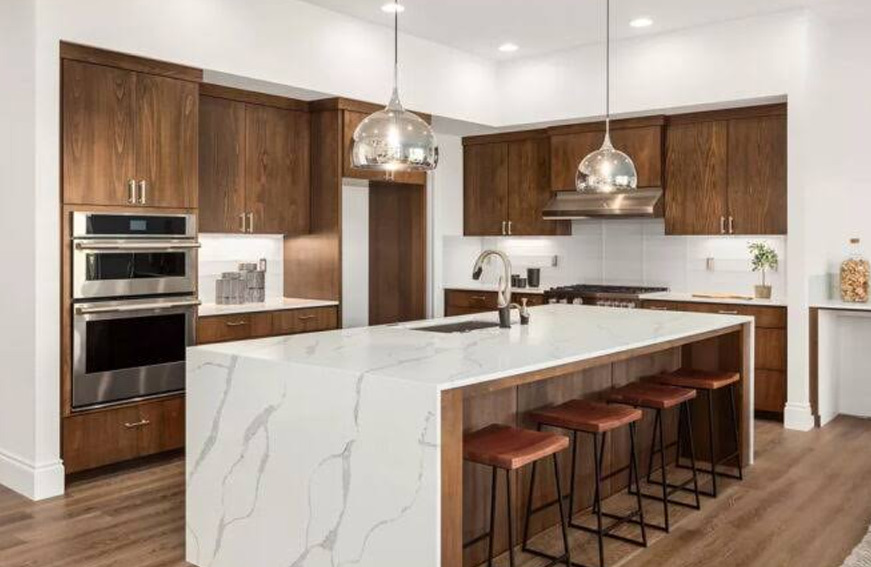
Cabinets are among the most noticeable features in kitchens, bathrooms, laundry rooms, offices, and other functional areas of a property. Because they occupy a significant amount of visual space, their condition and color can strongly influence the overall appearance of an interior. Over time, cabinet doors and frames can become faded, scratched, stained, or outdated even when the cabinets themselves remain structurally sound. Replacing them is not always necessary when the existing cabinetry is still useful. A carefully planned cabinet painting project can provide an effective way to refresh the space, update the color scheme, and create a cleaner appearance without completely changing the existing layout.A successful cabinet improvement project involves considerably more than applying a new coat of paint. Cabinets are exposed to frequent handling, cooking residue, moisture, cleaning products, and everyday activity, so the coating needs to be applied to a properly prepared surface. Cleaning, sanding, repairing imperfections, priming, selecting appropriate coatings, and applying multiple controlled coats can all influence the final result. Professional workmanship can help ensure that the finished cabinets have an even appearance while providing a durable surface suitable for regular household use.
Understanding the Value of Cabinet Refinishing
Cabinet refinishing can be a practical alternative when existing cabinets have a suitable structure but no longer match the desired interior style. Homeowners may want to move away from dark wood tones, introduce a brighter color, coordinate cabinetry with a new wall color, or create a more contemporary appearance. Instead of removing the existing cabinets, refinishing allows many of the original components to remain in place while changing their visible finish.This approach can also help reduce the amount of disruption associated with a larger renovation. Completely replacing cabinets can involve demolition, disposal, new measurements, installation, hardware adjustments, and changes to surrounding surfaces. Refinishing focuses primarily on the appearance and finish of the existing cabinetry. When the doors, frames, and boxes are in appropriate condition, updating the finish can provide a noticeable transformation without requiring the entire space to be redesigned.The visual impact can be significant because cabinets often cover large portions of kitchen and bathroom walls. A carefully selected color can make the room feel brighter, more coordinated, or more modern. The right finish can also complement countertops, flooring, backsplashes, appliances, fixtures, and decorative elements.
Evaluating Cabinets Before Painting
Before beginning a project, the condition of the cabinets should be evaluated carefully. Not every cabinet surface can be treated in exactly the same way, and damaged areas may require additional work before painting begins. Doors that are warped, broken, or severely deteriorated may need replacement rather than simply receiving a new coating. Similarly, water damage, loose joints, or significant structural problems should be addressed before focusing on the finish.The existing surface also matters. Cabinets may have previously been painted, stained, sealed, or finished with another coating. The preparation process should take the existing material into consideration because the new coating needs a stable surface with adequate adhesion. Glossy finishes, accumulated grease, dirt, and residue can prevent new paint from bonding properly if they are not removed.A detailed evaluation helps determine the amount of preparation required and can make the project more predictable. It also gives property owners an opportunity to discuss expectations before work begins. Identifying imperfections early allows them to be addressed rather than covered temporarily by a new layer of paint.
Thorough Cleaning Makes a Difference
Kitchen cabinets are particularly likely to collect grease, cooking residue, dust, and cleaning-product buildup. Even cabinets that look relatively clean can have contaminants on the surface that interfere with adhesion. For this reason, cleaning is one of the most important preparation steps.A suitable cleaning process removes accumulated residue without unnecessarily damaging the cabinet material. Areas around handles and frequently touched edges may require additional attention because they experience repeated contact. Once the surfaces are clean, they should be allowed to dry appropriately before further preparation begins.Skipping this step can contribute to uneven results. Paint may fail to bond correctly in contaminated areas, resulting in peeling, bubbling, or premature wear. Proper cleaning creates a more reliable foundation for sanding, priming, and painting.
Sanding and Surface Preparation
Sanding can help create the surface conditions needed for a new coating to adhere properly. The objective is not necessarily to remove every trace of the previous finish but to prepare the surface so that primer and paint can bond effectively. Smooth surfaces may require controlled abrasion, while damaged or uneven areas may need additional preparation.Edges, corners, recessed panels, and detailed cabinet components require careful attention. These areas can be easy to overlook, yet they are highly visible once the finished project is complete. Consistent preparation across doors, drawer fronts, frames, and other components helps create a uniform appearance.Any dents, scratches, holes, or minor imperfections should also be addressed where appropriate. A new coating can improve the appearance of a cabinet, but it will not automatically eliminate underlying surface defects. Repairing imperfections before painting allows the final finish to appear smoother and more professional.
Choosing the Right Cabinet Color
Color selection is an important part of the overall project because cabinets can influence the visual balance of an entire room. Light colors can create an open and bright appearance, while darker shades can introduce contrast and depth. Neutral tones can provide flexibility when other design elements change, whereas stronger colors can create a more distinctive focal point.The existing environment should be considered when choosing a color. Countertops, flooring, walls, backsplashes, appliances, lighting, and hardware all contribute to how the cabinet color will appear. A color should therefore be evaluated within the actual room rather than judged solely from a small sample.Lighting can also affect color perception. Natural daylight may make certain tones appear different from how they look under artificial lighting. Testing samples in several areas and observing them at different times can provide a better understanding of the final appearance.
Selecting an Appropriate Finish
The type of finish used on cabinetry can influence both appearance and maintenance. Cabinets are frequently touched and may need regular cleaning, particularly in kitchens and other high-use spaces. A suitable coating should therefore provide an attractive appearance while being appropriate for the expected level of use.Different finishes can create different visual effects. Some provide a subtle appearance, while others offer more noticeable sheen. The choice should consider the desired design as well as practical requirements. A professional painter can evaluate the cabinet material, existing coating, room conditions, and intended use when determining an appropriate finishing system.Using products designed for cabinetry can also be important. Standard wall paint may not always provide the durability or application characteristics needed for frequently handled cabinet surfaces. Proper product selection can contribute to better adhesion, smoother coverage, and improved resistance to normal wear.
Protecting the Surrounding Space
Cabinet projects take place in areas containing countertops, appliances, floors, walls, sinks, fixtures, and other finished surfaces. Protecting these elements before painting begins is an important part of maintaining a clean and organized work area.Doors and drawer fronts may be removed when appropriate so they can be prepared and painted more efficiently. Hardware can be removed or protected depending on the project requirements. Countertops and nearby surfaces should be covered to reduce the possibility of paint splashes or accidental marks.Good preparation of the work area can also make cleanup easier. Rather than treating protection and cleanup as minor details, professional painters incorporate them into the overall workflow. This helps keep the project controlled while protecting parts of the property that are not being painted.
Applying Primer for Better Adhesion
Primer can play an important role when changing cabinet colors or working with certain existing finishes. It can help create a suitable bonding surface and may improve the consistency of the final color. In some situations, primer can also help reduce the visual influence of the previous cabinet color or finish.The appropriate primer depends on the material and condition of the cabinets. A professional assessment can help determine whether primer is needed and which type is compatible with the existing surface and selected topcoat. Applying primer evenly is important because inconsistent coverage can affect the appearance of subsequent coats.Allowing each product to cure according to its requirements is equally important. Rushing from one stage to another can interfere with the performance of the coating system. Proper drying and curing time helps reduce the likelihood of soft finishes, marks, sticking doors, or premature damage.
Applying Multiple Coats Carefully
Achieving an attractive finish generally requires controlled application rather than trying to cover everything with one heavy coat. Multiple thin, consistent coats can provide better coverage and a more uniform appearance than excessive product applied at once.Cabinet doors and drawer fronts require particular attention because they have large visible surfaces and detailed edges. Runs, drips, uneven coverage, and visible application marks can become noticeable when the finished cabinets are viewed from different angles. Proper technique and appropriate tools can help create a smoother appearance.The same care should be given to cabinet frames and exposed surfaces. Consistency between doors, drawers, and frames is essential because variations in color or sheen can make the project look incomplete. Allowing adequate drying time between coats helps support a cleaner final result.
Updating Hardware Along With the Finish
New paint can make existing cabinet hardware appear dated, even when the hardware itself is still functional. Replacing handles, knobs, or pulls can therefore be considered as part of an overall cabinet update. New hardware can introduce a different design style and complement the selected cabinet color.However, hardware does not always need to be replaced. Existing pieces may simply require cleaning or repositioning. If the current hardware is attractive and in good condition, retaining it can provide continuity while allowing the cabinet finish to become the primary visual change.Hardware placement should also be considered when replacing pieces. Different handle sizes may require different hole patterns, and unnecessary drilling can create additional preparation work. Planning these changes before painting helps prevent avoidable damage to freshly finished surfaces.
Professional Cabinet Painting for a Refined Result
A professional cabinet painting service can bring together the preparation, product selection, application, and finishing techniques needed to produce a consistent result. Experienced painters understand that cabinets require different treatment from ordinary walls because they are frequently touched, exposed to moisture and residue, and expected to maintain their appearance under regular use.Professional service can also provide a more organized process. Doors, drawers, frames, and hardware can be handled systematically, while surrounding surfaces are protected throughout the project. This approach helps reduce inconsistencies and allows each component to receive appropriate attention.For property owners who want to refresh their cabinetry without replacing the entire installation, professional cabinet services can provide a practical improvement. Elk Horn Painting offers cabinet painting as part of its residential painting services, along with interior painting, exterior painting, staining, and other painting solutions. Cabinet Painting can help property owners address cabinet surfaces as part of a broader interior improvement project.
Maintaining Newly Painted Cabinets
Once the project is complete, proper maintenance can help preserve the appearance of the new finish. Newly painted cabinets should be treated carefully while the coating continues to cure. Following the painter’s recommendations regarding cleaning and normal use can help protect the finish during this important period.After the coating has fully cured, regular cleaning can help prevent grease, dust, and residue from accumulating. Soft cleaning materials and suitable products should generally be preferred over harsh methods that could damage the finish. Spills should be cleaned promptly, especially in areas exposed to food, beverages, moisture, or household chemicals.It is also useful to inspect cabinet surfaces periodically. Minor chips or marks can sometimes be addressed before they become more noticeable. Door hinges and hardware should remain properly adjusted so that doors do not rub against surrounding surfaces. Routine care can help preserve both the appearance and functionality of the cabinetry.
A Practical Way to Refresh an Interior
Cabinet updates can have a substantial effect on the overall appearance of a room without requiring a complete renovation. By changing the color and finish of existing cabinetry, property owners can create a refreshed environment while retaining a layout that already works for their needs. This makes refinishing an attractive option for projects where the existing cabinets are structurally suitable but visually outdated.The quality of the result depends heavily on preparation and application. Cleaning, sanding, repairing imperfections, selecting compatible products, priming when necessary, applying controlled coats, and allowing appropriate curing time all contribute to the finished appearance. Attention to detail is particularly important because cabinet surfaces are highly visible and frequently handled.A carefully completed project can make older cabinets look significantly different and can help coordinate them with other interior improvements. Whether the goal is a subtle refresh or a complete change in color, professional workmanship can help achieve a cleaner and more durable finish.
Conclusion
Cabinets play an important role in the appearance and functionality of many interior spaces, making their condition an important consideration during property improvement projects. When existing cabinets remain structurally sound, refinishing can provide an effective alternative to complete replacement. A well-executed project can modernize the appearance, coordinate the room’s design, and give existing cabinetry a renewed finish.Successful cabinet painting requires careful preparation rather than simply applying a new color over an existing surface. Cleaning, sanding, repairs, priming, product selection, controlled application, and proper curing all contribute to the quality and longevity of the finished result. Professional assistance can make these stages easier to coordinate while helping property owners achieve a consistent appearance across doors, drawers, frames, and other cabinet components.With thoughtful color selection, suitable materials, detailed preparation, and proper maintenance, refreshed cabinets can become a lasting improvement to the interior. For homeowners seeking a practical way to update their space without undertaking a complete cabinet replacement, professional painting services can provide a valuable combination of visual transformation and surface renewal.

