


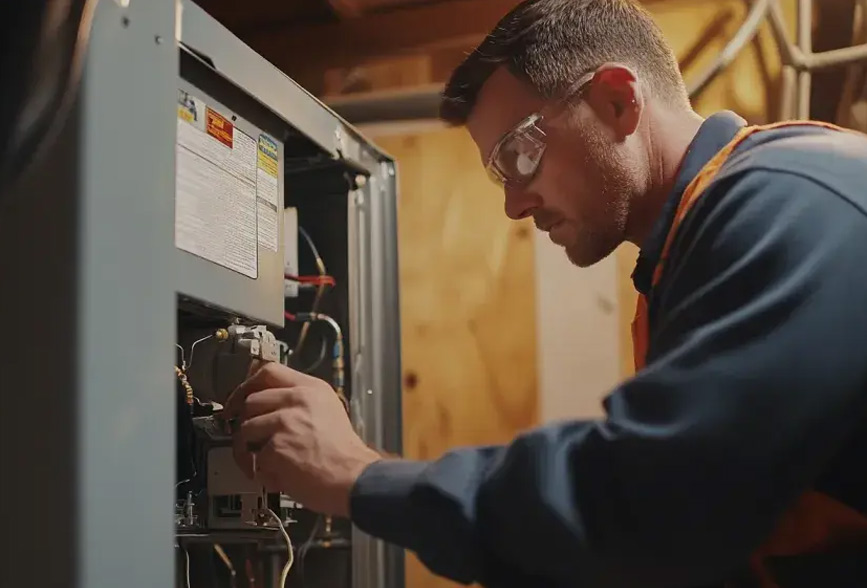
A reliable furnace is one of the most important components of a comfortable indoor environment when temperatures become colder and heating systems are required to operate for extended periods. Modern furnaces are designed to provide dependable heat, but their performance depends on the proper operation of numerous mechanical, electrical, airflow, and control components. The heat exchanger, burners, ignition system, blower motor, thermostat, electrical controls, safety switches, filters, ductwork, and other components must work together to distribute warm air effectively throughout the property. Over time, normal wear and tear, restricted airflow, dirty components, electrical problems, ignition failures, thermostat issues, and other operating conditions can reduce heating efficiency and reliability. When a furnace begins behaving differently from normal, property owners should pay attention to those changes rather than waiting for a complete breakdown. Professional furnace repair can help identify the underlying cause of heating problems, restore proper equipment operation, and provide valuable information about the condition of the entire heating system.
Understanding Furnace Performance and Indoor Comfort
A furnace does more than simply produce warm air. It is part of a complete heating and air distribution system that must maintain appropriate airflow and temperature throughout the property. The thermostat monitors indoor conditions and communicates with the furnace when additional heat is required, while the heating components generate warmth that is transferred to the circulating air. The blower motor then moves that heated air through the ductwork and into occupied areas. If any portion of this process becomes restricted or malfunctioning, the furnace may struggle to maintain the selected temperature. For example, inadequate airflow can force the equipment to operate longer, while a malfunctioning thermostat can cause unnecessary cycling or prevent the system from responding correctly. Understanding the relationship between these components is important because a heating problem may not always originate with the furnace itself. Ductwork restrictions, poor insulation, blocked vents, air leakage, and other property conditions can also increase heating demand and affect comfort.The condition of the building envelope can have a significant influence on furnace performance as well. If warm air escapes through poorly sealed areas around doors, windows, walls, or other parts of the structure, the heating system must continually compensate for that lost heat. Similarly, inadequate insulation can allow indoor heat to escape more quickly, increasing the amount of work required from the furnace. This means that improving heating performance sometimes requires looking beyond the equipment cabinet and considering the entire property. A professional HVAC evaluation can help identify whether the furnace itself is experiencing a mechanical or electrical problem or whether external factors are contributing to poor temperature control. By considering equipment performance together with airflow and building conditions, property owners can develop a more effective approach to maintaining indoor comfort.
Recognizing Early Warning Signs of Furnace Problems
Furnaces often provide warning signs before a major failure occurs, and recognizing these changes can give property owners an opportunity to arrange service before the problem becomes more disruptive. One common indication is inconsistent heating, where some rooms remain noticeably colder than others even though the furnace appears to be operating normally. This may be related to airflow restrictions, ductwork problems, thermostat issues, equipment performance, or other conditions affecting heat distribution. A furnace that runs for unusually long periods without reaching the selected temperature may also be experiencing a problem, particularly if this behavior represents a significant change from its normal operation. Frequent cycling, unexpected shutdowns, delayed startup, or repeated attempts to ignite can also indicate conditions that require professional evaluation. These symptoms should not automatically be attributed to normal seasonal demand because persistent changes in operating behavior can place additional stress on the system.Unusual sounds are another important warning sign that property owners should monitor. Rattling, banging, squealing, grinding, buzzing, or repeated clicking can have different causes depending on when the sound occurs and which component produces it. A change in normal operating noise may indicate loose parts, motor wear, electrical problems, or another mechanical concern. Unusual odors can also require attention, especially when they persist beyond the initial startup period or appear noticeably different from normal furnace operation. Weak airflow from vents, increased energy consumption, and rooms that consistently fail to reach comfortable temperatures may provide additional clues that the system needs attention. Recording when these symptoms occur and describing them accurately to a technician can make the diagnostic process more efficient and help identify the underlying issue.
Why Professional Furnace Diagnosis Is Essential
Heating systems contain many interconnected components, which makes accurate diagnosis especially important. A furnace that does not provide enough heat could be experiencing a problem with the thermostat, filter, blower motor, ignition system, electrical controls, heat exchanger, burners, ductwork, or another component. Some symptoms can also be caused by multiple issues occurring at the same time. Simply replacing a part because it appears to be associated with the symptom may not resolve the actual problem. Professional diagnosis allows technicians to evaluate the system systematically and determine which component or condition is responsible for the observed behavior.During a professional inspection, a technician can review thermostat operation, examine airflow, inspect relevant electrical components, evaluate ignition and heating components, check safety controls, and observe the furnace while it operates. The exact procedures depend on the equipment type and reported symptoms, but the goal is to identify the cause rather than merely address the most visible symptom. This approach can prevent unnecessary part replacement and provide property owners with a clearer understanding of what needs to be corrected. When a problem is properly diagnosed, repairs can be focused on the affected components while additional contributing conditions can also be identified. This is particularly valuable when a furnace has developed recurring problems or when several symptoms appear at the same time.
Maintaining Proper Airflow Throughout the System
Airflow is a fundamental part of effective furnace operation because the system needs to move an appropriate volume of air through the heating equipment and distribute that air throughout the property. One of the simplest factors affecting airflow is the condition of the air filter. A filter that becomes excessively dirty can restrict the amount of air entering the system, forcing the blower to work harder and potentially affecting overall furnace operation. Property owners should follow the filter maintenance recommendations appropriate for their equipment rather than allowing a filter to remain in place until it becomes heavily obstructed. Regular filter attention can support airflow while helping the furnace operate under more appropriate conditions.However, airflow problems can extend beyond the filter. Blocked supply vents, restricted return grilles, damaged ductwork, disconnected ducts, and poorly balanced air distribution can all prevent heated air from reaching certain areas. If one room remains consistently colder than another, the furnace may not necessarily be the source of the problem. Duct restrictions or distribution issues may be preventing adequate airflow to that area. A professional HVAC technician can evaluate the airflow pattern and inspect the distribution system to determine whether restrictions or other conditions are affecting performance. Addressing these problems can help improve temperature consistency while reducing unnecessary strain on the furnace and blower motor.
Thermostat Operation and Temperature Management
The thermostat plays an important role in determining when the furnace operates and how indoor temperature is maintained. If the thermostat is inaccurate, incorrectly configured, poorly positioned, or experiencing a communication problem, the furnace may cycle improperly or fail to maintain the desired temperature. A property owner may assume that the furnace itself is malfunctioning when the actual issue is related to the control system. This is why thermostat operation should be considered during a complete heating evaluation rather than automatically replacing major furnace components when temperature problems occur.Property owners can begin by checking that the thermostat is set to the correct heating mode and desired temperature and that its display and controls appear to be functioning normally. If the furnace continues to behave unexpectedly, professional evaluation can determine whether the thermostat is accurately measuring indoor temperature and communicating properly with the equipment. An outdated or malfunctioning thermostat may eventually need replacement, but it is important to establish that the thermostat is actually responsible for the problem. Proper temperature control also involves considering the location of the thermostat, because an area exposed to unusual drafts, direct sunlight, or other temperature influences may not represent the average conditions throughout the property.
Electrical and Mechanical Components
Furnace reliability depends heavily on the condition of its electrical and mechanical components. Motors, relays, control boards, wiring, switches, sensors, ignition components, and other parts work together to control the heating cycle. Normal operation gradually places wear on these components, and problems can eventually lead to intermittent operation, unexpected shutdowns, delayed startup, or complete loss of heating. Electrical problems can be particularly difficult to identify because a system may work normally at one moment and fail during another operating cycle. A professional technician can test relevant components and inspect connections to determine whether an electrical fault is contributing to the problem.Mechanical components can also experience wear that affects furnace performance. Blower motors may become less effective, moving parts can develop unusual noise, and other components can deteriorate over time. When a mechanical problem is identified, it is useful to determine whether the affected component has failed independently or whether another condition has contributed to the failure. For example, persistent airflow restrictions can place additional stress on certain components. Addressing only the failed part without considering the contributing condition may result in recurring problems. A complete evaluation can therefore provide greater long-term value than treating each failure as an isolated event.
Ignition, Combustion, and Safety Controls
Many furnaces use ignition and combustion systems that must operate correctly to produce heat. Problems with ignition components, sensors, burners, controls, or related parts can prevent the furnace from starting properly or cause it to shut down during operation. Modern heating equipment includes safety controls designed to monitor operating conditions and stop the system when abnormal circumstances are detected. These controls are important because they help prevent the furnace from continuing to operate when conditions may be unsafe or damaging to the equipment.Because heating equipment can involve combustion, fuel, electricity, and high temperatures, ignition-related concerns should be handled by qualified professionals. Property owners should not attempt to bypass safety controls or repeatedly restart equipment that is displaying unusual behavior. A technician can inspect the relevant components, determine why the system is not operating correctly, and identify the appropriate corrective action. Professional attention is particularly important when unusual odors, repeated ignition attempts, unexpected shutdowns, or other abnormal operating conditions occur. Proper diagnosis helps preserve the intended operation of safety systems while addressing the underlying equipment problem.
Preventive Maintenance for Long-Term Reliability
Preventive maintenance is an important part of keeping heating equipment reliable throughout its service life. Rather than waiting until a furnace stops operating, property owners can arrange periodic professional inspections that provide an opportunity to identify developing concerns. Maintenance may include reviewing system operation, inspecting components, evaluating airflow, checking electrical connections, examining filters, reviewing thermostat performance, and looking for signs of wear. The specific maintenance requirements can vary depending on the furnace design, age, usage, and manufacturer recommendations, but regular attention can help identify problems before they become more disruptive.Maintenance also provides an opportunity to create a useful service history for the equipment. Keeping records of previous repairs, maintenance visits, replaced components, installation information, and recurring problems can help technicians understand how the system has performed over time. If the same component repeatedly develops problems, the service history can provide important clues that a broader evaluation may be necessary. Similarly, if the furnace is approaching the later portion of its expected service life, maintenance records can help property owners plan for future equipment needs rather than being forced to make an immediate decision after an unexpected breakdown.
Improving Furnace Efficiency and Heating Distribution
Efficient furnace operation depends on more than the condition of the heating equipment. The property itself can influence how much energy is required to maintain comfortable indoor temperatures. Air leakage, inadequate insulation, inefficient ductwork, blocked vents, and poor airflow can increase heating demand. When a furnace must operate for extended periods to compensate for these conditions, energy use can increase and equipment components may experience additional operating stress. Improving the overall heating environment can therefore support both comfort and equipment performance.Property owners can contribute to efficient operation by maintaining filters appropriately, keeping supply and return vents unobstructed, monitoring thermostat settings, and responding to changes in heating performance. Ductwork should be evaluated when rooms remain consistently colder than others or when airflow appears weak. Insulation and air-sealing improvements may also reduce heat loss in appropriate circumstances. Professional HVAC service can help determine whether the furnace is operating correctly and whether other system or property conditions are contributing to higher heating demand. This broader approach provides a more complete understanding of efficiency than focusing solely on the furnace itself.
Repair or Replacement Considerations
When a furnace develops a significant problem, property owners may need to consider whether repairing the existing system is appropriate or whether future replacement planning should begin. The decision can depend on the age of the equipment, its previous maintenance history, frequency of repairs, condition of major components, operating efficiency, availability of replacement parts, and the nature of the current problem. A relatively minor component failure on a well-maintained furnace may be addressed effectively through repair, while repeated major failures on an aging system may make long-term planning more relevant. Each situation is different, so decisions should be based on the actual condition of the equipment.Professional furnace repair can provide useful information during this evaluation because a technician can assess the immediate problem as well as the general condition of the heating system. Understanding what has failed, whether other components show signs of wear, and whether similar problems have occurred previously can help property owners evaluate their options. A repair may restore dependable operation and extend the useful service period of the equipment, while a broader assessment may help determine whether replacement planning should be considered. The important factor is obtaining accurate information about the equipment rather than making decisions based only on the most noticeable symptom.
Preparing for Future Heating Problems
Even a properly maintained furnace can eventually experience an unexpected problem, so preparation can make service easier when an issue occurs. Property owners should keep equipment information and service records available whenever possible. Details such as the approximate installation date, furnace model, previous repairs, maintenance history, and recurring symptoms can help technicians understand the system more quickly. Property owners should also become familiar with the furnace’s normal operating pattern so that unusual behavior is easier to recognize. Changes in sound, cycling frequency, airflow, temperature consistency, or startup behavior may provide valuable information before a complete failure occurs.When a heating problem develops, describing the symptoms accurately can help support a more efficient diagnosis. Information about when the problem started, how frequently it occurs, whether the furnace starts normally, whether certain areas are colder than others, and whether unusual sounds or odors are present can all be useful. Prompt professional attention can prevent some developing issues from becoming more extensive. Instead of repeatedly resetting or ignoring a malfunctioning system, property owners can arrange an evaluation that determines what is actually happening and what corrective work is appropriate.
Building a Comprehensive Heating Maintenance Strategy
Reliable heating is best achieved through ongoing attention rather than occasional service only when the furnace stops working. A comprehensive strategy can include preventive maintenance, appropriate filter care, airflow monitoring, thermostat management, ductwork evaluation, professional inspections, and timely attention to unusual system behavior. These practices can help property owners understand the condition of their equipment and reduce avoidable stress on the heating system. A consistent maintenance approach can also make it easier to plan future repairs and equipment improvements based on documented information rather than unexpected circumstances.The furnace should also be viewed as part of the property’s complete HVAC system. Heating performance can be influenced by ductwork, insulation, ventilation, indoor airflow, thermostat location, and the overall condition of the building envelope. Addressing these factors alongside equipment maintenance can support more consistent temperature distribution and help the furnace operate under appropriate conditions. Professional HVAC technicians can evaluate these relationships when diagnosing persistent heating concerns and can provide information about which areas may require additional attention. This complete-system approach can be particularly useful when a furnace appears to be operating but the property still fails to maintain comfortable temperatures.
Conclusion
A dependable furnace requires more than simply turning the system on when temperatures become cold. Its performance depends on the coordinated operation of heating components, electrical controls, airflow systems, thermostats, ductwork, safety controls, and the property itself. Warning signs such as inconsistent temperatures, unusual sounds, weak airflow, frequent cycling, unexpected shutdowns, increased energy use, or ignition problems should be treated as useful indications that the system may require professional attention. Addressing these concerns early can provide an opportunity to identify developing issues before they result in a more serious interruption.Professional furnace repair can help property owners diagnose heating problems and restore equipment performance while providing insight into the condition of the overall system. Preventive maintenance, proper airflow, filter care, thermostat management, electrical inspections, and attention to ductwork can further support dependable operation throughout the furnace’s service life. By responding promptly to changes in performance and maintaining the heating system as a complete unit, property owners can support indoor comfort, improve reliability, manage energy use more effectively, and make better-informed decisions about future repairs and equipment needs.

