


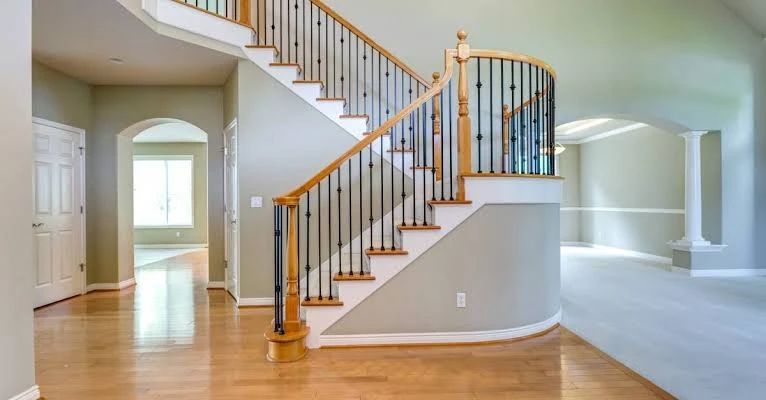
Understanding the Role of the Newel Post in Home Design
When you enter a multi story home, the staircase often serves as the primary focal point of the entryway. While the treads and risers facilitate movement, the newel post acts as the definitive anchor of the entire structure. It is the heavy vertical post located at the foot, head, or turn of a stairway that provides the necessary strength to support the handrail. Beyond its functional requirements, the newel post is a powerful design tool that sets the tone for the architectural language of the entire house.
Choosing the right newel post is not merely a matter of picking a piece of wood or metal from a catalog. It requires a deep understanding of how a single vertical element can influence the perceived value and style of a home. A grand, carved mahogany post suggests a sense of history and permanence, while a slim, matte black steel post communicates a minimalist, contemporary sensibility. Because this element is the first part of the staircase a person touches when ascending, its tactile quality and visual weight are paramount.
For homeowners looking to source high quality components, Stairwarehouse offers a vast selection of styles that cater to both traditional and modern tastes. The selection process should begin with an evaluation of the existing architectural details in your home, such as crown molding, baseboards, and door casings, to ensure the newel post complements rather than clashes with these features.
Structural Integrity Meets Aesthetic Appeal
The primary purpose of a newel post is to provide a rigid termination point for the handrail system. Without a properly anchored newel, the entire balustrade would lack the stability required by modern building codes. Most residential codes require that a handrail be able to withstand a concentrated load of two hundred pounds applied at any point. This means the connection between the newel post and the floor joists must be incredibly secure.
From an aesthetic standpoint, the newel post serves as the period at the end of a sentence. It provides a visual stop to the flowing lines of the railing. When you select a Stairwarehouse newel post, you are investing in a piece that is engineered to handle these structural stresses while maintaining a beautiful finish. The marriage of form and function is nowhere more evident than in the transition from the floor to the start of the staircase.
Exploring Different Newel Post Styles
Identifying your personal design style is the first step in narrowing down the thousands of available options. Newel posts generally fall into several distinct categories based on their shape and ornamentation.
- Box Newels: These are typically square and hollow, constructed from four pieces of wood. They are a staple in Craftsman, Mission, and modern farmhouse designs. Their clean lines and substantial presence make them a favorite for those who want a bold, architectural look.
- Turned Newels: Created on a lathe, these posts feature circular profiles with various decorative beads, coves, and tapers. They are the hallmark of Victorian, Colonial, and Traditional homes.
- Tapered Newels: Often seen in mid century modern or minimalist designs, these posts start wider at the base and narrow toward the top, providing a sense of upward movement and lightness.
- Metal Newels: Frequently used in industrial or ultra modern settings, these are often thinner than wood posts but offer immense strength and a sleek, cold aesthetic that pairs well with glass or cable railing.
Material Selection and Durability
The choice of material affects not only the look of the staircase but also its longevity and maintenance requirements. Red oak remains the most popular choice in North America due to its hardness, beautiful grain pattern, and ability to take stains evenly. White oak is a premium alternative that offers a more neutral, modern tone with exceptional rot resistance.
For those planning to paint their staircase, maple or poplar are excellent choices because they have a tight, smooth grain that does not show through the paint. If you are aiming for a luxury finish, exotic woods like Brazilian cherry or walnut provide a deep, natural color that requires only a clear coat to shine. Metal options, such as wrought iron or stainless steel, offer a different level of durability and are particularly effective in high traffic areas where wood might be prone to scuffing.
Proportions and Scale in Staircase Architecture
One of the most common mistakes in staircase design is choosing a newel post that is either too small or too large for the space. A massive box newel in a tiny, narrow hallway can feel suffocating, while a thin, spindly post at the base of a grand, wide staircase will look structurally inadequate.
- Consider the ceiling height: Tall entryways can handle taller, more dramatic newel posts.
- Match the handrail width: The top of the newel post, or the starting cap, should be sized to accommodate the width of the handrail without looking pinched.
- Evaluate the footprint: Ensure the base of the post does not obstruct the walking path on the first tread.
When browsing the Stairwarehouse catalog, pay close attention to the dimensions listed for the base and the top block. A standard starting newel is typically between three and a half to five inches square, but grander homes may require posts that reach six or seven inches in width to maintain proper visual scale.
Coordinating with Balusters and Handrails
A staircase is a cohesive system, and the newel post must work in harmony with the balusters and the handrail. You do not necessarily need to match every profile exactly, but there should be a shared design language. If you have chosen a highly decorative, ornate newel post, you might want to simplify the balusters to avoid a cluttered look. Conversely, if your newel is a simple square box, you can add visual interest through patterned iron balusters.
Integration of the Primary Target Keyword
Finding the right anchor of your staircase how to choose the right newel post for your design style involves looking at the entire assembly as a single piece of furniture. Many designers recommend the rule of three, where you limit the number of different shapes or materials to three to maintain a cohesive look. For example, a white oak handrail, black iron balusters, and a white oak Stairwarehouse newel post create a balanced, modern aesthetic that is very popular in current interior design trends.
Installation Considerations for Long Term Stability
Even the most beautiful newel post will fail to impress if it wobbles when touched. The installation method is just as important as the post itself. There are three primary ways to secure a newel post to the floor.
- Newel Bolts: A long threaded rod that goes through the center of the post and into the floor framing. This is the most common method for turned newels.
- Mounting Plates: Metal plates that are screwed into the floor and then attached to the base of the post. These are often hidden by a decorative base trim.
- Structural Blocking: For box newels, a solid block of wood is often bolted to the floor joists, and the hollow newel is then sleeved over the block and fastened.
It is vital to ensure that the post is plumb in both directions before final fastening. Any slight tilt will be magnified once the handrail is attached, leading to a crooked appearance that is difficult to correct later.
Modern Trends and Custom Innovations
Current trends are moving away from the highly ornate carvings of the past toward more geometric and textured designs. Fluted newel posts, which feature vertical grooves, offer a nice middle ground between traditional and modern. Another rising trend is the use of mixed materials, such as a wood newel post with metal accents or a metal cap.
Lighting is also becoming a major factor in newel post design. Some homeowners are now hollowing out sections of their posts to install low voltage LED lighting that illuminates the floor at night. This adds both a safety element and a high end, custom feel to the home. When you source your materials from a reputable provider like Stairwarehouse, you have access to the latest styles that reflect these evolving consumer preferences.
Finalizing Your Vision for a Lasting Impression
The newel post you choose today will likely remain a part of your home for decades. It is one of the few architectural elements that people interact with physically every single day. Therefore, it is worth spending the extra time to touch samples, look at finish swatches, and visualize how the post will look under different lighting conditions throughout the day.
Remember that the newel post is more than just a support beam. It is a statement of craftsmanship and a reflection of your personal style. By considering scale, material, and the overall architectural context of your home, you can select a post that serves as a beautiful and sturdy anchor for your living space. Whether you prefer the rugged simplicity of a craftsman box newel or the elegant curves of a colonial turned post, the right choice will elevate your staircase from a functional necessity to a work of art.
Take the time to measure your space accurately and consult with a professional if you are unsure about the structural requirements of your specific layout. A well chosen newel post is an investment in your homes value and your daily enjoyment of your interior environment. With the right planning and high quality components, your staircase will stand as a testament to thoughtful design for years to come.

