


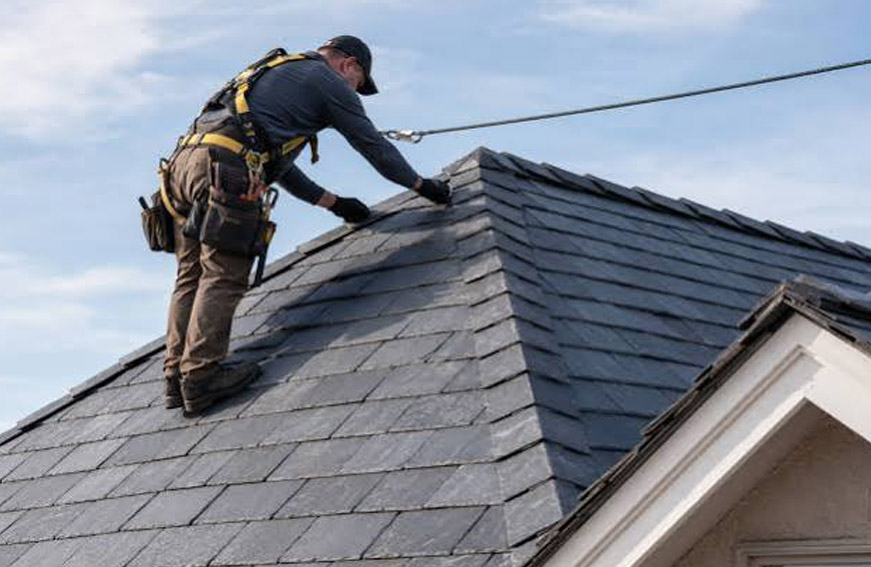
A roof is one of the most important protective elements of any property because it shields the structure, interior spaces, insulation, and belongings from rain, wind, snow, sunlight, temperature fluctuations, and other environmental conditions. A dependable roof does more than cover the top of a building; it forms a carefully designed system in which multiple components work together to control moisture, support ventilation, manage drainage, and maintain structural protection. Choosing suitable materials and ensuring proper installation are therefore essential steps in creating a roof that can perform effectively over time. Modern roofing options are available in a variety of materials, styles, and configurations, allowing property owners to select solutions that match the building’s design, performance requirements, maintenance expectations, and long-term goals.
Understanding the Purpose of a Roofing System
The primary purpose of a roof is to create a protective barrier between the property and outdoor conditions, but its responsibilities extend beyond simple weather protection. A properly constructed roof helps prevent water from entering the building, directs rainfall toward appropriate drainage areas, supports attic ventilation, and contributes to the overall energy performance of the structure. Different layers and components are designed to perform specific functions, and the interaction between these elements determines the overall reliability of the finished roof. The visible roofing material may receive most of the attention, but underlayment, flashing, decking, ventilation, fasteners, and drainage components are equally important to the long-term performance of the assembly.When evaluating roofing systems, property owners should look at the roof as a complete structure rather than focusing only on the surface material. A high-quality shingle, metal panel, or other roofing product cannot compensate for damaged decking, inadequate flashing, poor ventilation, or improper installation. Each component must be correctly selected and installed so that the entire system can respond effectively to changing weather conditions. This complete approach also makes it easier to identify potential weaknesses during inspections and maintenance. Understanding the relationship between the individual components helps property owners make better decisions when repairing, maintaining, or replacing a roof.
Selecting the Right Roofing Materials
Choosing roofing materials is an important part of any installation or replacement project because different products offer different combinations of appearance, durability, maintenance requirements, and weather resistance. Asphalt shingles are commonly selected because they are available in numerous styles and can provide an attractive and practical surface for many types of properties. Metal roofing can offer durability and a distinctive appearance, while other materials may be considered when specific architectural or performance requirements exist. The right selection depends on the structure of the roof, the property’s design, environmental exposure, budget, and expectations for long-term performance.Material selection should also take into account the condition of the existing structure. Before new roofing materials are installed, the roof deck and supporting components should be inspected to determine whether they can properly support the new system. If deteriorated decking or other structural concerns are discovered, those issues should be addressed before the installation continues. Installing new materials over an unsuitable foundation can reduce the expected performance of the entire roof. A professional roofing contractor can evaluate these conditions and help property owners understand which materials are appropriate for the specific project.
The Importance of Professional Roof Installation
Professional installation has a major influence on how well a roof performs over time. Roofing involves many detailed steps, and errors in one area can create problems elsewhere in the system. The roof deck needs to be properly prepared, underlayment must be installed correctly, flashing needs to protect vulnerable transitions, and roofing materials must be properly aligned and fastened. Contractors must also pay close attention to valleys, roof edges, penetrations, ridges, and areas where the roof meets walls or other structures. These locations can be especially vulnerable to water intrusion when installation is not completed correctly.Professional installation also provides an opportunity to identify problems that may not be obvious during a basic visual inspection. While removing an old roof, contractors may discover deteriorated decking, inadequate flashing, damaged ventilation components, or previous installation issues. Addressing these concerns before installing new materials can help create a more reliable finished system. Proper installation should follow the requirements of the selected roofing products and include appropriate attention to manufacturer specifications, flashing details, fastening methods, ventilation, and drainage. This level of preparation can make a significant difference in the durability and performance of the completed roof.
The Role of Underlayment and Flashing
Underlayment and flashing are two important components that are often less visible than the primary roofing material but play a major role in moisture protection. Underlayment is installed beneath the exposed roofing material and provides an additional protective layer between the roof surface and the decking. Depending on the design and materials used, different underlayment products may be selected for specific applications. Proper installation helps reduce the possibility of water reaching the roof deck when moisture passes beneath or around the primary roofing material.Flashing is particularly important around areas where the roof intersects with other building components. Chimneys, vents, skylights, walls, valleys, and roof edges can create openings or transitions where water needs to be carefully redirected. Proper flashing installation helps guide water away from these vulnerable areas and toward the intended drainage paths. Damaged, improperly installed, or deteriorated flashing can contribute to leaks even when the surrounding shingles or roofing materials appear to be in good condition. During roof repairs and replacements, flashing should therefore be evaluated as part of the complete system rather than treated as a minor detail.
Roof Ventilation and Moisture Control
Proper ventilation can contribute significantly to the health and performance of a roofing system. Attic spaces can experience significant temperature and moisture changes, and inadequate airflow may allow heat or moisture to accumulate. Excessive heat can contribute to material deterioration, while trapped moisture may affect insulation, wood components, fasteners, and other parts of the building. A balanced ventilation arrangement helps promote airflow through appropriate intake and exhaust pathways, supporting a more stable attic environment.Ventilation should be considered during both new construction and roof replacement. Existing ventilation components may not always be sufficient for the current structure, particularly if previous renovations or modifications have changed the attic configuration. A roofing professional can evaluate the available intake and exhaust pathways and determine whether improvements may be appropriate. Addressing ventilation during a roofing project can be more efficient than discovering a problem after new materials have already been installed. Proper airflow works together with insulation and moisture management to support the long-term condition of the roof and attic.
Recognizing Common Roofing Problems
Roofing problems can develop for many reasons, including age, severe weather, improper installation, lack of maintenance, drainage issues, and natural material deterioration. Common warning signs include cracked, curled, missing, or loose shingles, damaged flashing, exposed fasteners, sagging areas, excessive granule accumulation, and visible moisture damage. Interior signs can include water stains, peeling paint, damp insulation, musty odors, or unexplained moisture around ceilings and walls. These symptoms should not be ignored because minor roofing problems can become more extensive when water continues to enter the structure.Not every visible problem means the entire roof needs to be replaced. In some cases, a localized repair may restore the affected area and extend the useful life of the existing system. However, repeated leaks or widespread deterioration may indicate that the roof is approaching the end of its service life. A professional inspection can help determine the source and extent of the problem and provide a more accurate basis for deciding between repair and replacement. Early identification is valuable because addressing a small issue is generally more straightforward than repairing damage that has spread into insulation, decking, framing, or interior finishes.
Roof Repair and Maintenance
Regular maintenance is one of the most effective ways to support the long-term performance of a roof. Maintenance can include inspections, removal of excessive debris, gutter cleaning, checking visible flashing, monitoring roof drainage, and addressing damaged materials before they deteriorate further. Tree branches should also be managed so they do not repeatedly contact the roof or contribute excessive debris. While property owners can monitor some visible conditions, professional inspections are useful for identifying problems that may not be apparent from the ground.Roof repairs should focus on correcting the actual source of the problem rather than simply covering visible symptoms. For example, a ceiling stain may indicate a roofing leak, but the water could be entering through a damaged flashing detail or another location farther up the roof. Correct diagnosis is therefore important before repair work begins. Professional roofing services can help identify whether a problem involves shingles, flashing, ventilation, drainage, or another component. Timely repairs can help reduce the risk of further moisture intrusion and preserve the remaining service life of the roofing assembly.
When Roof Replacement Is Necessary
Roof replacement becomes an important consideration when the existing system has extensive deterioration, repeated leaks, widespread storm damage, or significant structural concerns. A roof that requires frequent repairs may eventually become less practical to maintain, particularly if several components are approaching the end of their useful service life. Replacement provides an opportunity to install new materials while also addressing underlying concerns that may have affected the previous roof.A complete replacement should begin with a detailed evaluation of the existing structure. Once the old roofing materials are removed, the decking can be inspected for moisture damage or deterioration. Flashing, ventilation, underlayment, and drainage components can also be reviewed and improved where appropriate. This process helps ensure that the new roof is installed over a sound foundation. A replacement project should not simply reproduce the weaknesses of an older system. Instead, it should provide an opportunity to improve installation details, moisture protection, and overall performance.
Storm Damage and Roofing Protection
Severe weather can place significant stress on roofing materials and supporting components. Strong winds can lift or loosen roofing materials, while hail, falling branches, and heavy precipitation can cause physical or moisture-related damage. Some storm damage is immediately visible, but other problems may be subtle and require a professional inspection. Shingles may lose their protective surface, flashing may shift, or water may enter through small openings that are difficult to identify from ground level.After a major weather event, property owners should consider having the roof professionally evaluated, especially if there are visible signs of damage or interior moisture. Prompt attention can help identify problems before additional water enters the building. Storm-related repairs may involve replacing damaged roofing materials, correcting flashing, restoring gutters, or addressing other affected components. In more severe cases, a complete replacement may be necessary. The appropriate solution depends on the condition of the roof and the extent of the damage identified during inspection.
Improving the Performance of Roofing Systems
Long-term roof performance depends on several factors working together. Quality materials provide an important foundation, but installation workmanship, ventilation, flashing, drainage, maintenance, and timely repairs are equally significant. Property owners can support roof performance by keeping gutters clear, monitoring visible roofing conditions, maintaining nearby trees, arranging inspections, and responding quickly when warning signs appear. Avoiding unnecessary foot traffic across roofing materials can also reduce the possibility of accidental damage.A well-maintained roof can provide more than basic weather protection. It can help preserve insulation, protect interior finishes, reduce moisture-related concerns, and support the overall condition of the property. Proper roofing care can also make future projects easier to plan because property owners have a better understanding of the system’s age and condition. When replacement eventually becomes necessary, having a history of maintenance and repairs can help contractors evaluate the roof more effectively and recommend an appropriate scope of work.
Planning a Complete Roofing Project
A successful roofing project requires careful planning from the initial inspection through final completion. Property owners should understand why the work is needed, what components will be replaced or repaired, which materials will be used, and how the completed roof will be maintained. The project may include removal of old materials, inspection of decking, installation of underlayment, replacement or improvement of flashing, ventilation adjustments, installation of new roofing materials, drainage improvements, and final cleanup. The precise scope will depend on the condition of the existing structure and the goals of the project. Clear communication with a professional roofing contractor can help ensure that expectations are understood before work begins. Property owners should have an opportunity to discuss material options, installation methods, potential underlying concerns, and maintenance requirements. If hidden damage is discovered during removal, the contractor should explain the issue and why additional work may be necessary. A transparent approach helps property owners understand the relationship between each part of the project and the overall performance of the finished roofing systems.
Conclusion
A dependable roof is created through the combination of quality materials, professional workmanship, effective moisture protection, proper ventilation, reliable drainage, and consistent maintenance. Roofing systems are designed as complete assemblies, meaning that every component contributes to the ability of the roof to protect the building from changing environmental conditions. Whether the project involves asphalt shingles, another roofing material, a localized repair, storm restoration, or a complete replacement, careful evaluation and professional installation are essential for achieving lasting results.Property owners can help extend the performance of their roof by arranging regular inspections, maintaining drainage components, addressing visible damage promptly, and monitoring the condition of flashing, shingles, ventilation, and other important elements. When a roof reaches the point where replacement is necessary, choosing suitable materials and addressing underlying structural or moisture concerns can provide a stronger foundation for the new installation. A professionally planned roofing systems project should focus on the complete protective assembly rather than only the visible surface, ensuring that each component works together to support durability, moisture resistance, appearance, and long-term property protection.

