


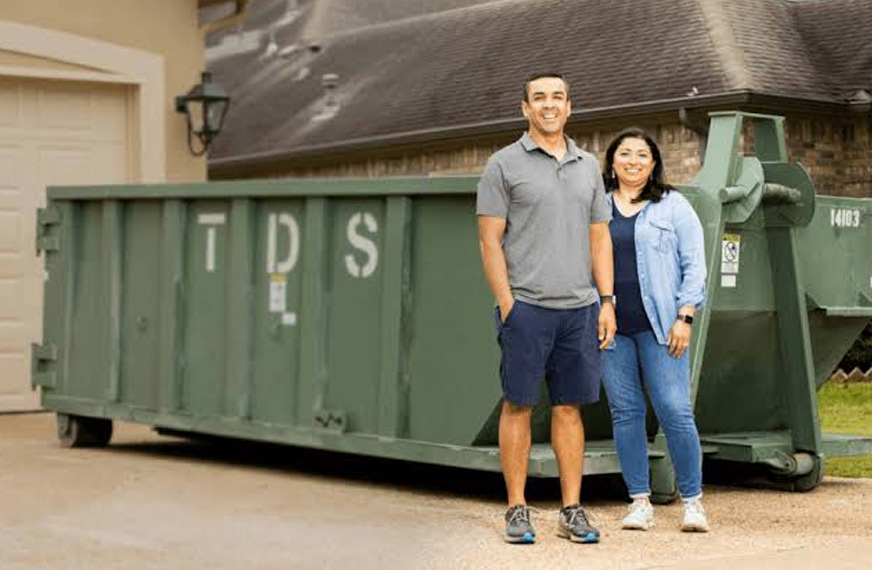
Large projects often generate more waste than ordinary household garbage systems can handle efficiently. Home renovations, construction projects, demolition work, property cleanouts, roofing jobs, and landscaping activities can leave behind bulky materials that need to be collected and removed in an organized manner. A roll-off container can provide a practical solution by giving homeowners and contractors a designated space for project debris. Before arranging a roll off dumpster rental, it is important to understand container sizes, acceptable materials, placement requirements, weight restrictions, loading practices, rental periods, and pickup procedures. Proper planning can make waste removal easier while helping users maintain a safer and more organized project area.
Understanding Roll-Off Dumpster Services
Roll-off dumpsters are large, open-top containers designed for projects that generate substantial amounts of waste. Their design makes them suitable for loading bulky materials from construction, remodeling, demolition, cleanout, and other large-scale activities. Unlike standard household trash containers, roll-off units can hold significant quantities of debris and are transported using specialized hauling equipment. The appropriate container depends on the volume and type of waste being generated. Before arranging a roll off dumpster rental, users should consider the project’s scope, expected debris, available space, and anticipated rental period to identify an appropriate solution.
Choosing the Correct Dumpster Size
Selecting the right container size is one of the most important decisions when planning waste removal. A container that is too small can fill quickly and may require an additional pickup or replacement, which can increase project costs. A container that is too large may provide unnecessary capacity and result in spending more than necessary. When considering a roll off dumpster rental, users should estimate the total volume of debris and consider whether materials will be bulky, dense, or mixed. Discussing the project details with a provider can help determine a suitable container based on the expected amount and type of waste.
Estimating the Amount of Debris
Accurate waste estimation can make the entire rental process more efficient. Different projects create different types and quantities of debris, so users should make a rough inventory before selecting a container. A home renovation may produce flooring, drywall, cabinets, fixtures, and packaging, while a property cleanout can involve furniture, boxes, appliances, and general household items. Construction and demolition work may generate larger quantities of wood, masonry, metal, and other building materials. Before confirming a roll off dumpster rental, users should consider both volume and weight because dense materials can reach weight limits before the container appears physically full.
Considering the Type of Project
The project itself can determine which type of dumpster is appropriate. Small remodeling tasks may require a different solution from a complete home cleanout or major construction project. Roofing work, landscaping, demolition, flooring replacement, and general renovation can all generate different types of waste. Some materials may also have special disposal requirements. When arranging a roll off dumpster rental, users should clearly describe the nature of the project and identify the materials they expect to discard. Providing accurate information helps the provider recommend a suitable container and explain any restrictions that may apply.
Checking Accepted Materials
Not all waste can be placed inside a general-purpose dumpster. Many providers accept materials such as household junk, wood, drywall, furniture, cardboard, and certain construction debris. However, hazardous chemicals, batteries, medical waste, some electronics, tires, certain paints, and other restricted materials may require specialized disposal. The exact rules can differ depending on the provider and disposal facility. Before scheduling a roll off dumpster rental, users should obtain a clear list of accepted and prohibited items. Separating restricted materials before the project begins can help prevent contamination, additional charges, or problems during collection.
Planning the Dumpster Placement
The placement area should be selected before the container arrives. A roll-off dumpster requires enough room for the container and sufficient access for the delivery vehicle to maneuver safely. The surface should generally be stable and reasonably level, while overhead obstacles such as branches, wires, structures, and low clearances should also be considered. Driveways, gates, parked vehicles, and narrow access routes can affect delivery. During roll off dumpster rental planning, users should ensure that the selected location remains accessible throughout the rental period. Keeping the area clear makes delivery, loading, and pickup easier and reduces unnecessary complications.
Preparing the Site Before Delivery
Preparing the work area before delivery can save time and prevent avoidable problems. Vehicles, equipment, furniture, and other obstacles should be moved away from the intended container location. If the dumpster will be used during a renovation or construction project, workers should have a clear path for carrying debris to the container. When arranging a roll off dumpster rental, users should confirm the delivery schedule, container dimensions, placement requirements, rental terms, and loading restrictions in advance. Proper preparation allows the container to be positioned efficiently and gives workers immediate access to the waste-management area once the project begins.
Understanding Rental Periods
The required rental period depends on the size and duration of the project. A simple cleanout may only take a few days, while a major renovation or construction project may require several weeks. Before confirming a roll off dumpster rental, users should estimate how long the container will be needed and ask about extension policies. Some providers may charge additional fees if the container remains on the property beyond the agreed period. Understanding the rental terms beforehand allows homeowners and contractors to plan their schedules more effectively. It is also useful to know how pickup requests are handled if the project finishes earlier than expected.
Loading the Dumpster Properly
Safe and efficient loading is essential for making the best use of the available container space. Debris should generally be distributed evenly rather than concentrated heavily in one section. Large materials should be placed carefully, while heavy debris should be spread out to maintain balanced weight distribution. During roll off dumpster rental use, users should follow the provider’s instructions regarding maximum fill height and weight limits. Materials should not extend above the top of the container because loose debris can fall during transportation. Proper loading helps protect workers, property, and transportation personnel while maximizing the usable capacity of the container.
Avoiding Overloading Problems
Overloading can create safety risks and may result in additional charges. Debris that rises above the permitted fill level can fall out when the container is transported, creating hazards for other road users and workers. Excessive weight can also exceed the hauling equipment’s safe capacity. Before starting a roll off dumpster rental, users should ask about weight allowances and maximum fill requirements. Heavy materials such as concrete, brick, stone, soil, and roofing debris should receive particular attention because they can become extremely heavy even when the container is not completely full. Proper planning helps avoid unnecessary costs and pickup delays.
Managing Heavy Materials
Heavy debris requires careful planning because weight may become a limiting factor before the container reaches its physical capacity. Concrete, bricks, tile, dirt, stone, and similar materials can quickly increase the total load. When arranging a roll off dumpster rental, users should identify heavy materials and communicate their expected quantity to the provider. A container designed primarily for lightweight household waste may not be suitable for large amounts of dense construction debris. Separating different types of waste can sometimes make disposal easier. Understanding weight limitations before loading begins can help prevent overweight charges and ensure that the container remains safe to transport.
Keeping the Work Area Organized
A dumpster can become the central waste-collection point for a project, making organization particularly important. Debris should be placed into the container whenever practical instead of allowing large piles to accumulate around the work area. This can reduce trip hazards and make cleanup more efficient. During roll off dumpster rental use, the area surrounding the container should remain clear so workers can approach it safely and the delivery vehicle can access it when necessary. Tools, reusable materials, and valuable belongings should be stored separately from waste. A clean and organized project area can improve both efficiency and safety.
Understanding Rental Costs
The total cost of dumpster service can depend on several factors, including container size, rental duration, material type, weight, delivery requirements, disposal fees, and additional services. Some providers may include a specific rental period and weight allowance in their basic pricing, while additional charges may apply if those limits are exceeded. Before confirming a roll off dumpster rental, users should request a clear explanation of the pricing structure. It is helpful to ask whether delivery, pickup, disposal, weight overages, extensions, or restricted materials may create additional charges. Understanding the complete pricing structure can make project budgeting more predictable.
Reducing Unexpected Fees
Unexpected costs can often be avoided through careful preparation. Users should review the rental agreement, confirm accepted materials, understand weight limits, and make sure the container will not be overloaded. During roll off dumpster rental use, keeping prohibited items out of the container and following the agreed rental period can help reduce additional charges. If the project schedule changes, users should communicate with the provider rather than allowing the container to remain beyond the agreed period without notice. Asking questions before delivery is generally easier than dealing with unexpected charges after the project has been completed.
Following Basic Safety Practices
Safety should remain a priority throughout the entire project. Workers handling construction or demolition debris should use suitable protective equipment and take care with sharp, heavy, dusty, or unstable materials. Children and pets should be kept away from the container and active work area. Users should never climb inside a dumpster because debris can shift unexpectedly and create fall or entrapment hazards. During roll off dumpster rental projects, large objects should be handled carefully to reduce the risk of strains or injuries. Clear communication among workers and good organization around the container can further improve site safety.
Scheduling the Final Pickup
Once the project is finished, the container should be checked before pickup. Debris should remain below the permitted fill level, restricted materials should be removed, and the area around the container should be accessible. Before scheduling a roll off dumpster rental pickup, users should confirm the collection date and ensure that vehicles, equipment, or other obstacles will not block access. A final inspection can reveal overloading or other issues that need to be corrected before the provider arrives. Proper preparation can help make the pickup process faster and reduce the likelihood of delays or additional service requirements.
Supporting Responsible Waste Disposal
Waste management can be more responsible when reusable and recyclable materials are separated from general debris whenever practical. Furniture, cardboard, metals, and other recoverable materials may have alternative disposal or recycling options depending on the project. During roll off dumpster rental projects, separating materials can reduce the overall amount of waste that requires disposal. Hazardous substances and other restricted materials should always be handled through appropriate specialized channels. Responsible sorting does not have to make a project significantly more difficult, and it can help reduce unnecessary waste while keeping the cleanup process organized.
Maintaining an Efficient Cleanup Process
Large projects become easier to manage when waste removal is included in the planning process from the beginning. Instead of waiting until debris has accumulated, users can establish a consistent system for sorting, carrying, and loading materials. When using a roll off dumpster rental, workers should know what materials belong in the container and which items need separate handling. This approach reduces confusion and helps keep the project area clear. Regular cleanup also makes it easier to monitor the container’s fill level and identify potential weight or material issues before they become significant problems.
Final Thoughts
Effective waste removal requires more than simply placing a container at a project site. Choosing the right size, understanding accepted materials, estimating weight, preparing the placement area, following loading rules, and scheduling pickup properly are all important parts of successful dumpster management. A properly planned roll off dumpster rental can provide a convenient and organized way to handle large amounts of project debris. Homeowners and contractors should communicate clearly with the provider and review rental requirements before delivery. With careful preparation, responsible loading, and attention to safety, roll-off dumpsters can make major cleanup and construction projects much easier to manage.

