


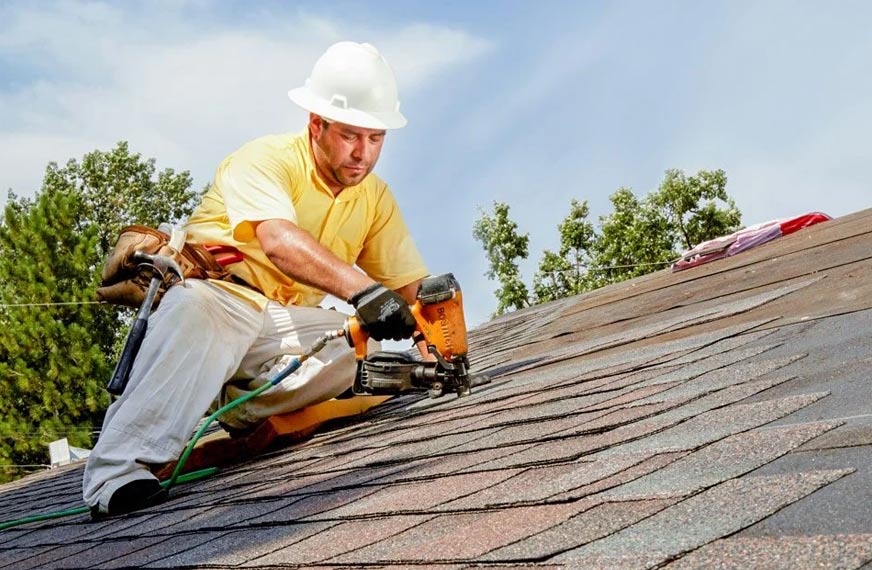
A roof is one of the most important parts of any building because it provides protection from rain, wind, sunlight, moisture, and changing temperatures. A properly designed and maintained roof can contribute to the comfort, safety, and overall condition of a property for many years. However, roofing systems require more than simply installing materials over the top of a structure. Proper planning, quality materials, accurate installation, regular inspections, and timely repairs all play important roles in maintaining reliable performance. A roofer can assist with many stages of a roofing project, from evaluating existing conditions to installing new materials and addressing problems that develop over time.
Understanding the Importance of a Good Roof
A roof serves as a protective barrier between the building and the outside environment. It helps prevent water from entering interior spaces and protects structural components from direct exposure to weather. Roofing materials also contribute to insulation, ventilation, energy performance, and the overall appearance of a property. A roofer can evaluate how these different components work together and identify areas that may need attention. When roofing problems are ignored, moisture can eventually affect insulation, ceilings, walls, decking, and other structural elements. Regular attention to the roof can help property owners maintain the building and reduce the possibility of larger problems.
Starting With a Professional Inspection
Before beginning any major roofing work, it is important to understand the current condition of the roof. A professional inspection can reveal damaged materials, deteriorated flashing, loose components, drainage problems, moisture intrusion, and other concerns that may not be visible from the ground. A roofer can inspect difficult-to-reach areas while following appropriate safety procedures. The inspection can help determine whether the roof requires minor repairs, more extensive restoration, or complete replacement. Property owners should ask questions about the condition of the roofing system and the causes of any identified problems. Having clear information before making a decision can help avoid unnecessary work and unexpected expenses.
Recognizing Common Roofing Problems
Roofing problems can develop gradually or appear suddenly after severe weather or physical impact. Missing or damaged shingles, cracked materials, loose panels, deteriorated flashing, water stains, sagging areas, and clogged drainage systems are among the issues that may require attention. A roofer can examine visible symptoms and investigate whether there are underlying problems beneath the surface. It is important not to assume that a small visible issue is always isolated. Water can travel through roofing assemblies and cause damage in locations that are not directly beneath the original entry point. Early inspection can help identify the source of a problem and determine an appropriate repair strategy.
Choosing the Right Roofing Materials
There are many roofing materials available, and each one has different characteristics. Asphalt products, metal panels, tile, slate, wood, and synthetic materials can vary in durability, appearance, maintenance requirements, weight, and installation methods. A roofer can explain which materials may be suitable for a particular building and discuss the advantages and limitations of different options. The selection should consider the roof design, structural capacity, expected weather exposure, maintenance preferences, and available budget. Choosing materials based only on their initial price may not provide the best long-term value. A complete evaluation should consider expected service life and ongoing maintenance needs.
Planning a New Roof Installation
A new roof installation requires careful planning before materials arrive at the property. The existing roof structure should be evaluated, measurements should be confirmed, and the condition of the roof deck should be considered. A roofer can help determine whether old roofing materials should be removed and whether any underlying repairs are necessary before new materials are installed. The project should also account for underlayment, flashing, ventilation, drainage, fasteners, and other components. A detailed plan can reduce delays and help ensure that important parts of the roofing system are not overlooked. Proper preparation creates a better foundation for the installation process.
Importance of Proper Roof Ventilation
Ventilation is an important component of many roofing systems because it helps manage heat and moisture in attic or roof spaces. Poor ventilation may contribute to condensation, excessive heat, moisture accumulation, and deterioration of certain building components. A roofer can evaluate existing ventilation and determine whether the roof assembly has appropriate intake and exhaust pathways. The correct solution depends on the building design, insulation arrangement, roof configuration, and applicable construction requirements. Ventilation should be considered during both new installations and major roof renovations. A balanced roofing system can help support long-term durability and protect the structure beneath the roof.
Understanding Flashing and Waterproofing
Flashing is installed around areas where the roof meets walls, chimneys, vents, skylights, edges, and other structures. These locations can be vulnerable to water intrusion if flashing is damaged, incorrectly installed, or allowed to deteriorate. A roofer should pay close attention to these areas during inspections, repairs, and replacement projects. Proper flashing helps direct water away from vulnerable joints and penetrations. Sealants and other waterproofing components may also be used where appropriate, but they should not be treated as a substitute for correct installation. Regular inspection of flashing can help identify potential leaks before moisture causes more extensive damage.
Deciding Between Repair and Replacement
One of the most important decisions in roofing is determining whether an existing roof can be repaired or whether replacement is more appropriate. The answer depends on the age of the roof, the extent of damage, the condition of the underlying structure, the number of previous repairs, and the expected remaining service life. A roofer can assess these factors and explain the available options. If damage is limited to a small area and the rest of the roof remains in good condition, repair may be practical. If deterioration is widespread or the roofing system is near the end of its useful life, replacement may provide a more suitable long-term solution.
Understanding Roofing Estimates
Before approving a roofing project, property owners should request a clear written estimate. The estimate should explain the materials, labor, removal of existing roofing if required, disposal, flashing, underlayment, ventilation work, and any other expected services. A roofer should be able to explain what is included and identify conditions that could potentially affect the final price. Comparing estimates solely by the lowest number can be misleading if contractors are offering different materials or scopes of work. A detailed estimate makes it easier to understand the complete project and compare proposals based on the work being provided. Clear communication at this stage can prevent misunderstandings later.
Preparing the Property for Roofing Work
Roofing projects can involve workers, ladders, tools, equipment, materials, and debris, so preparing the surrounding property can make the process easier. Outdoor furniture, vehicles, decorations, and fragile items may need to be moved away from the active work area. A roofer can explain what preparation is recommended before the project begins. Property owners may also want to protect sensitive items inside the building because roofing activities can create vibration and minor dust. Children and pets should be kept away from active construction areas. Good preparation helps create a safer work environment and allows the roofing team to focus on completing the project efficiently.
Maintaining Safety During Roofing Projects
Roofing work involves working at height, handling tools, moving materials, and operating equipment. These activities can create significant risks when appropriate safety practices are not followed. A roofer should use suitable protective equipment and follow established procedures for ladders, roof access, fall protection, material handling, and work-zone management. Property owners should avoid entering active work areas unless necessary and should follow instructions provided by the roofing team. Keeping people and pets away from construction zones can also reduce the possibility of accidents. Safety should remain a priority throughout the project rather than being treated as an afterthought.
Performing Regular Roof Maintenance
A newly installed roof still requires regular maintenance to remain in good condition. Leaves, branches, dirt, and other debris can accumulate around drainage areas and create conditions that contribute to moisture problems. A roofer can recommend an inspection schedule based on the roofing material, building design, and environmental exposure. Property owners should also monitor gutters, flashing, visible roofing materials, and areas around roof penetrations. Small concerns are generally easier to address before they develop into significant damage. Keeping records of inspections and repairs can also help property owners understand how the roof has performed over time.
Responding to Roof Leaks
A roof leak should not be ignored simply because the visible water stain appears small. Moisture can spread through insulation, decking, walls, and ceilings, potentially causing hidden damage. A roofer can investigate the source of a leak and determine whether the problem involves damaged roofing materials, flashing, drainage, sealants, or another component. Temporary measures may sometimes reduce immediate water entry, but a permanent solution should address the underlying cause. Prompt attention can help limit the affected area and reduce the likelihood of more extensive repairs. Property owners should arrange an inspection whenever recurring or unexplained moisture appears inside the building.
Caring for Roof Drainage Systems
Effective drainage is essential for protecting a roof from standing water and excessive moisture exposure. Gutters, downspouts, drains, valleys, and other drainage components should remain clear and functional. A roofer can inspect these areas and identify blockages, damaged components, improper slopes, or other issues that could interfere with water movement. Water that remains on or near the roof for extended periods can contribute to deterioration of materials and surrounding structures. Regular cleaning and inspection can help maintain proper drainage. Property owners should also monitor areas where water repeatedly collects after rainfall and have persistent problems evaluated.
Planning for Long-Term Performance
A roofing system should be viewed as a long-term investment rather than a one-time construction expense. Proper material selection, installation, ventilation, flashing, drainage, inspection, and maintenance all contribute to its expected performance. A roofer can provide recommendations for maintaining the specific roofing system installed on a property. Keeping documentation about materials, warranties, inspections, repairs, and installation details can also be valuable for future maintenance. A proactive approach allows developing problems to be identified earlier. Planning ahead can help property owners budget for routine maintenance and eventually prepare for major repairs or replacement when necessary.
Final Thoughts
Roofing requires careful attention from the initial planning stage through installation, maintenance, repair, and eventual replacement. Working with an experienced roofer can help property owners understand their roofing system and address problems using appropriate methods and materials. Regular inspections can identify damaged components before they become major concerns, while proper ventilation and drainage can support long-term performance. Property owners should also compare project estimates carefully, ask questions about materials and workmanship, and maintain records of completed work. With thoughtful planning, quality installation, timely repairs, and consistent maintenance, a well-designed roof can provide reliable protection and contribute to the safety, comfort, and durability of a building for many years.

