


Managing waste is an important part of completing a successful cleanup, renovation, construction, or property improvement project. Whether a homeowner is clearing out years of accumulated belongings or a contractor is removing debris from a remodeling job, having a reliable waste-disposal plan can make the entire process more organized. Without a suitable container, unwanted materials can quickly pile up in garages, driveways, yards, work areas, and other parts of a property. This can create unnecessary clutter, make movement difficult, and turn the final cleanup into a much larger task than expected.For many projects, dumpster rentals provide a convenient way to collect large quantities of waste in one central location. Instead of repeatedly transporting debris to a disposal facility, customers can place approved materials into a container and arrange for it to be collected when the project is finished. However, choosing the right container requires some planning. Size, material type, rental duration, loading requirements, placement, and pricing can all affect the overall experience. Understanding these factors before ordering can help customers avoid unnecessary costs and make waste management much easier.
Understanding How Dumpster Services Work
A temporary dumpster service is designed to give customers access to a waste container for a specific period. The provider delivers the container to an agreed location, the customer fills it with permitted materials, and the provider later collects it for disposal or processing. Depending on the company and agreement, delivery, pickup, disposal, and a certain number of rental days may be included in the quoted price. Additional charges can apply when the container is kept longer, exceeds weight restrictions, or contains materials that require special handling.Before arranging a container, customers should understand exactly what the service includes. Questions about the rental period, weight limits, accepted materials, prohibited items, delivery requirements, and pickup procedures should be answered in advance. Clear communication can prevent unexpected charges and scheduling problems later. It also helps customers choose a service that fits the timeline and scale of their project rather than selecting a container based only on a general estimate.
Choosing the Appropriate Container Size
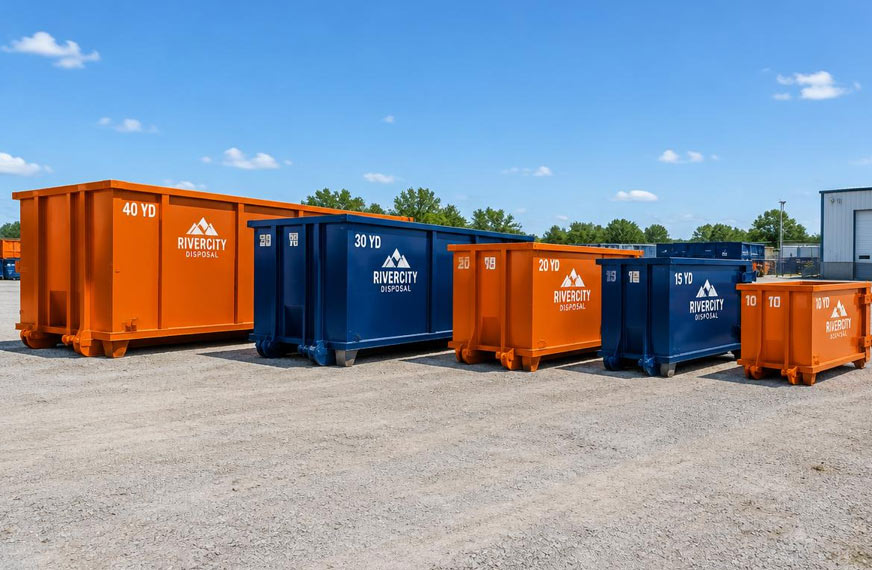
Container size is one of the most important factors to consider when planning waste removal. Choosing a container that is too small can create problems if it fills before the project is complete, potentially requiring another delivery or additional disposal arrangements. On the other hand, selecting a container that is significantly larger than necessary may result in paying for unused capacity. Estimating the amount of debris before ordering can help customers find a practical balance between capacity and cost.Different projects produce very different amounts of waste. A small decluttering project may involve household items and a modest amount of debris, while a major renovation can generate flooring, drywall, cabinetry, fixtures, packaging, and other bulky materials. When comparing dumpster rentals, customers should look at the actual dimensions and capacity of each container rather than relying only on labels such as small, medium, or large. The available space on the property should also be considered to ensure the selected container can be delivered and positioned safely.
Common Projects That Require Waste Containers
Home renovation is one of the most common situations where temporary waste containers are useful. Remodeling a kitchen, bathroom, basement, or other part of a home can generate a surprising amount of debris. Cabinets, countertops, flooring, drywall, doors, fixtures, and packaging can quickly fill available storage areas. A dedicated container allows these materials to be removed from the work area as the project progresses, helping keep the property more organized.Construction, demolition, roofing, moving, and large-scale cleanouts can also generate significant quantities of waste. Contractors may need a convenient place for construction debris, while property owners may need to remove old furniture, appliances, household clutter, or materials left behind after a renovation. Dumpster rentals can be particularly useful when waste is produced continuously over several days because the container remains available throughout the project. Instead of making repeated disposal trips, workers can focus on the job and place approved waste directly into the container.
Preparing the Placement Area
Proper preparation is essential before the container arrives. Customers should identify an area that provides enough space for delivery, loading, and eventual pickup. The surface should generally be stable and capable of supporting the container and its contents. Customers should also check for potential obstacles such as parked vehicles, gates, walls, trees, low branches, overhead structures, and narrow access points that could interfere with delivery.Communicating placement details with the provider in advance can reduce the possibility of delivery problems. If access is limited, customers should explain the situation before scheduling the service so the provider can determine whether the requested container can be delivered safely. The placement area should be kept clear on the scheduled delivery date. Good preparation can save time and help ensure that the container is positioned in a convenient location where workers can easily dispose of materials.
Knowing Which Materials Are Allowed
One of the most important responsibilities of the customer is understanding what can and cannot be placed inside the container. Ordinary household debris and many common construction materials may be accepted, but certain substances require specialized handling. Rules vary between providers, so customers should never assume that every unwanted item can be placed inside a standard waste container.Potentially restricted materials may include hazardous chemicals, certain liquids, batteries, tires, electronics, and other items subject to special disposal requirements. Customers should request a complete list of prohibited materials before beginning the project. Separating restricted items from general debris at the beginning can prevent contamination, additional charges, and disposal complications. Understanding these rules also makes it easier to plan how different types of waste will be handled throughout the project.
Loading the Container Efficiently
How a container is loaded can affect how much material it can hold. Large objects should be broken down whenever possible to reduce wasted space. Furniture can often be disassembled, cardboard can be flattened, and bulky materials can be arranged carefully. Placing larger pieces strategically can allow smaller items to fit into the spaces around them. Efficient loading can help customers make better use of the available capacity without exceeding safety requirements.Customers should also follow the provider’s rules concerning fill levels and weight. Materials should not be piled above the permitted height, because an overloaded container can create transportation hazards. Heavy materials require particular attention because items such as concrete, bricks, soil, and certain roofing materials can become extremely heavy even when the container is not full. When using dumpster rentals, customers should understand the weight limits before disposing of large quantities of dense materials to avoid additional fees or loading problems.
Understanding Rental Costs
The cost of a dumpster is influenced by more than its physical size. Rental duration, delivery, pickup, disposal fees, waste type, and total weight can all affect the final price. Some providers offer packages that include several services, while others charge additional amounts for extra rental days, excess weight, or special disposal requirements. Customers should therefore look beyond the initial advertised price when comparing different options.Before confirming an order, customers should ask for a clear breakdown of the expected charges. They should find out how many days are included, whether delivery and pickup are part of the quoted price, and what happens if the container is needed for additional time. It is also important to understand weight limits and possible charges for exceeding them. Comparing dumpster rentals based on the complete pricing structure can make budgeting easier and reduce the likelihood of unexpected expenses.
Comparing Service Providers
Price is an important consideration, but it should not be the only factor when selecting a provider. Customers should also consider reliability, communication, scheduling flexibility, container availability, and clarity of the service agreement. A provider that clearly explains its terms can make the rental process easier to understand. Customers should be cautious about arrangements where important fees or restrictions are unclear.It can also be helpful to compare the range of container sizes and material types accepted by different providers. A company offering multiple options may make it easier to match the container to a specific project. Customers should also consider how easily they can contact the provider if the project schedule changes or additional time becomes necessary. Evaluating dumpster rentals based on both price and service conditions can help customers select an arrangement that fits their project requirements.
Avoiding Common Mistakes
One of the most frequent mistakes is waiting until the project has already started before arranging waste removal. Last-minute scheduling can reduce the availability of preferred container sizes and delivery dates. Planning ahead provides more flexibility and gives customers enough time to prepare the placement area and review disposal requirements. It also allows the provider to receive important information about the project before delivery.Another common mistake is underestimating the amount of debris that will be produced. Renovation and demolition projects often generate more waste than people initially expect because removing a single structure can involve several different materials. At the same time, ordering a container that is far larger than necessary can result in unnecessary spending. Customers should carefully estimate the amount and type of waste and discuss uncertain situations with the provider before making a final decision.
Keeping the Project Organized
A well-positioned container can help maintain a cleaner and safer work environment. Rather than allowing debris to accumulate in several areas, workers can place approved waste directly into the container as it is generated. This can reduce clutter and make it easier to move around the property. It also reduces the amount of time needed for a large cleanup at the end of the project.For larger jobs, establishing simple waste-handling procedures can make the process even more efficient. Workers can separate recyclable materials, restricted items, and general waste according to the provider’s requirements. Bulky materials can be broken down before being placed inside the container, while smaller debris can be added around larger pieces. Using dumpster rentals as part of the project’s overall workflow can make waste removal a continuous process instead of an overwhelming final task.
Considering Environmental Responsibility
Responsible waste disposal is an important part of modern property maintenance and construction. Removing waste from a property is only one stage of the process; the materials may later be sorted, recycled, processed, or disposed of according to applicable requirements. Customers can support responsible disposal by following the provider’s material guidelines and keeping restricted substances out of ordinary containers.Some materials may have recycling opportunities, while others require specialized disposal methods. Separating materials when requested can make processing easier and reduce unnecessary contamination. Customers should ask the provider how different waste types are handled if they have concerns about recycling or disposal. A thoughtful approach to dumpster rentals can support a cleaner work environment while helping ensure that waste is handled through appropriate channels.
When a Dumpster May Not Be Necessary
Although temporary containers are useful for many projects, they are not always the most suitable disposal solution. A small cleanup that produces only a limited amount of waste may not justify renting a large container. Similarly, certain materials may need specialized services because they cannot safely or legally be placed into a standard dumpster. Assessing the type and quantity of waste before ordering can help customers avoid unnecessary expenses.The project timeline should also be considered. A container is particularly useful when a large amount of waste will be produced over a relatively short period. If debris is generated very slowly, another disposal method may be more practical. The goal should always be to choose a waste-management solution that matches the project’s actual needs rather than assuming that the same approach is appropriate for every situation.
Preparing for Pickup
Once the project is nearing completion, customers should make sure the container is ready for collection. The area surrounding the container should remain accessible, and vehicles or other obstacles should not block the pickup path. The load should also remain within the provider’s permitted fill level and should not contain restricted materials.If the project takes longer than expected, customers should contact the provider before the scheduled pickup date. Depending on availability, the rental period may be extended. Communicating early gives the provider more opportunity to adjust the schedule and prevents unnecessary disruption. Customers who understand the pickup process in advance can use dumpster rentals more efficiently and avoid last-minute complications.
Creating an Efficient Waste-Management Plan
A successful waste-disposal plan starts with careful preparation. Customers should estimate the amount of debris, identify the types of materials involved, determine the appropriate container size, prepare a suitable placement area, and review all rental terms. These steps can help prevent common problems and ensure that the container is useful throughout the project.During the work, customers should load materials responsibly, stay within weight and fill limits, and keep prohibited items separate. Large objects should be broken down when practical, while heavy materials should be handled according to the provider’s requirements. At the end of the project, the container should be prepared for pickup and the surrounding area should remain accessible. Following these practices allows dumpster rentals to become a practical component of an organized construction, renovation, moving, or cleanup plan.
Final Thoughts
Effective waste management can make almost any major cleanup or improvement project easier to control. A suitable container provides a dedicated place for unwanted materials, reduces clutter, and can minimize repeated trips to disposal facilities. However, selecting the right service requires more than simply choosing the first available option. Customers should consider container size, project requirements, rental duration, accepted materials, placement, loading restrictions, and total costs before making a decision.Planning ahead is one of the simplest ways to avoid unnecessary problems. Customers should communicate clearly with the provider, understand the rental agreement, follow material restrictions, and make sure the container is loaded safely. They should also consider the project’s timeline and expected waste volume before selecting a container. With thoughtful preparation and responsible disposal practices, dumpster rentals can provide a convenient and organized solution for handling substantial amounts of temporary waste from start to finish.

