


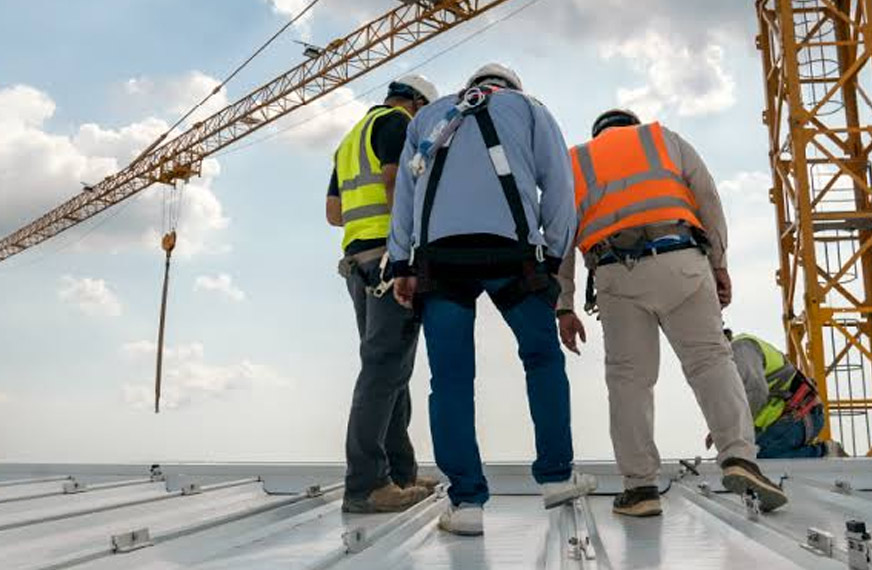
A commercial building depends on a reliable roofing system to protect employees, equipment, inventory, documents, and interior spaces from rain, wind, sunlight, moisture, and changing weather conditions. Unlike residential roofs, commercial roofing systems can involve larger surface areas, specialized drainage requirements, mechanical equipment, rooftop access, and different structural designs. Commercial roofing therefore requires careful planning, appropriate materials, professional installation, and regular maintenance to provide dependable long-term performance. Property owners and facility managers need to understand how roofing systems work, recognize early warning signs of deterioration, and address problems before they become expensive disruptions. A well-maintained roof can help protect the building while supporting daily operations and reducing the likelihood of unexpected repair requirements.
Understanding Commercial Roofing Systems
Commercial roofs can be designed in several different ways depending on the building structure, intended use, drainage requirements, climate conditions, and equipment installed on the roof. Many commercial buildings use low-slope or flat roofing systems that require specialized materials and drainage designs. Common systems may include single-ply membranes, modified bitumen, built-up roofing, metal systems, coatings, and other specialized assemblies. Commercial roofing should be selected according to the building’s specific requirements rather than based solely on appearance or initial cost. Each roofing system has different installation procedures, maintenance needs, expected service life, and performance characteristics. Understanding these differences can help property owners make more informed decisions when installing, repairing, or upgrading a commercial roof.
Signs That a Commercial Roof Needs Attention
Roofing problems often develop gradually, allowing property owners an opportunity to identify warning signs before serious damage occurs. Water stains on ceilings, damp insulation, ponding water, cracked membranes, damaged flashing, loose materials, corrosion, and visible deterioration can indicate that a roof requires professional evaluation. Commercial roofing problems can become more complicated when leaks are allowed to continue because moisture may damage insulation, decking, structural components, electrical systems, inventory, and interior finishes. Regular inspections can help identify small defects before they become major problems. Property owners should also pay attention to unusual odors, mold growth, increased humidity, or repeated leaks in the same area. Early investigation can make it easier to determine whether repairs, maintenance, or more extensive roofing work is appropriate.
Importance of Professional Roof Inspection
A professional roof inspection provides a detailed assessment of the roofing system and its individual components. Inspectors can evaluate the roof surface, seams, membranes, flashing, drainage systems, penetrations, insulation, edge details, and other areas that may influence performance. Commercial roofing inspections can also identify problems around rooftop equipment, vents, skylights, drains, and areas where different materials meet. A visual inspection from ground level cannot reveal every potential issue, so qualified professionals may need to access the roof and examine vulnerable areas directly. Inspection reports can help property owners understand current conditions and prioritize necessary work. Regular inspections are particularly valuable for large commercial buildings because minor problems can affect substantial areas if they remain unresolved.
Choosing the Right Roofing Material
Selecting a suitable roofing material is one of the most important decisions when planning a new installation or major renovation. Single-ply membranes can provide flexible solutions for many low-slope applications, while built-up systems can offer multiple layers of protection. Modified bitumen is another option that can provide durability and flexibility, while metal roofing can be suitable for certain building designs and performance requirements. Commercial roofing material selection should consider the building’s structural design, drainage, expected environmental exposure, maintenance requirements, energy goals, and available budget. Property owners should also evaluate warranty terms, installation requirements, expected service life, and compatibility with existing components. Choosing a material based only on the lowest initial price may overlook important long-term performance and maintenance considerations.
Planning a New Roofing Project
Successful roofing projects begin with detailed planning and clear communication between the property owner, facility manager, and roofing contractor. Before work begins, the building should be evaluated to determine the scope of the project, required materials, access requirements, safety considerations, drainage needs, and potential disruptions to daily operations. Commercial roofing projects may involve large work areas, rooftop equipment, employees, customers, tenants, and ongoing business activities, so scheduling needs to be carefully managed. Contractors should explain how materials will be delivered, where equipment will be placed, how waste will be removed, and how building access will be maintained. A detailed project plan can reduce confusion and help ensure that construction proceeds efficiently while minimizing unnecessary disruption to the property’s normal operations.
Importance of Proper Drainage
Water management is one of the most important aspects of a commercial roofing system, particularly for low-slope roofs where water may move more slowly. Drains, gutters, scuppers, downspouts, slopes, and other drainage components must work together to move water away from the roof surface. Commercial roofing systems can experience serious problems when drainage becomes blocked or improperly designed because standing water can increase the risk of leaks, membrane deterioration, and structural stress. Property owners should inspect drainage components regularly and remove debris that could prevent water from flowing properly. During major roofing projects, drainage should be evaluated as part of the overall system rather than treated as a separate issue. Effective water management can significantly contribute to the long-term performance of the roof.
Roof Insulation and Energy Performance
Insulation plays an important role in the performance of many commercial buildings because it can influence indoor temperatures, energy consumption, moisture management, and occupant comfort. Damaged or wet insulation can lose effectiveness and may contribute to additional problems within the roofing system. Commercial roofing projects provide an opportunity to evaluate existing insulation and determine whether improvements are appropriate. Different insulation materials offer different levels of thermal performance, moisture resistance, fire characteristics, and installation requirements. Property owners should consider the building’s energy goals and applicable requirements when selecting insulation. Properly designed insulation and roofing assemblies can help create a more efficient building envelope while supporting the durability of the roofing system.
Flashing and Roof Penetrations
Commercial roofs often contain numerous penetrations for vents, pipes, HVAC equipment, skylights, electrical components, and other building systems. These areas require careful attention because each penetration creates a potential pathway for water if it is not properly sealed and flashed. Commercial roofing contractors should inspect flashing and seals around rooftop equipment regularly and address deteriorated materials promptly. Flashing should be compatible with the surrounding roofing system and installed according to appropriate manufacturer requirements. Improperly maintained penetrations can cause leaks that are difficult to locate because water may travel beneath roofing materials before appearing inside the building. Regular inspection of these areas can help identify vulnerabilities and reduce the likelihood of unexpected water intrusion.
Maintenance and Preventive Care
Regular maintenance is one of the most effective ways to protect a commercial roofing investment. Maintenance can include cleaning drains, removing debris, inspecting seams, checking flashing, examining rooftop equipment areas, and identifying signs of moisture or material deterioration. Commercial roofing systems can last longer when small problems are addressed before they develop into extensive damage. Property owners should also maintain records of inspections, repairs, replacement materials, and previous maintenance work. These records can help contractors understand the history of the roof and make more informed recommendations. Preventive maintenance is generally easier to schedule than emergency repairs and can help businesses reduce unexpected disruptions caused by major leaks or roofing failures.
Repair Versus Full Replacement
Not every roofing problem requires complete replacement. Small punctures, isolated membrane damage, deteriorated flashing, blocked drainage, and other localized issues may sometimes be repaired effectively. However, repeated leaks, widespread material deterioration, extensive moisture damage, or an aging roofing system may indicate that more comprehensive work is necessary. Commercial roofing professionals can evaluate the condition of the system and determine whether repairs are likely to provide reliable long-term results. Property owners should consider both current repair costs and the expected future maintenance requirements when making decisions. A roof that requires frequent repairs may eventually become less economical to maintain than a properly planned replacement. A professional assessment can help clarify the available options.
Safety During Roofing Projects
Safety is a critical consideration during commercial roofing work because projects can involve elevated surfaces, heavy materials, equipment, tools, weather exposure, and active business environments. Contractors should follow appropriate safety procedures and applicable requirements throughout the project. Commercial roofing work may require controlled access to roof areas, protective equipment, warning systems, secure material storage, and careful coordination with building occupants. Property owners should communicate any special site conditions to the contractor before work begins. Employees and visitors should also be kept away from active construction areas when necessary. Proper safety planning protects workers and building occupants while helping the project proceed in an organized and responsible manner.
Choosing a Qualified Roofing Contractor
Selecting an experienced roofing contractor can have a significant impact on the quality and longevity of a commercial roofing project. Property owners should evaluate qualifications, experience with similar buildings, insurance, references, warranties, written estimates, material specifications, and communication practices. Contractors should be able to explain the proposed roofing system, installation process, maintenance requirements, and expected project schedule. A detailed estimate should identify the scope of work and explain how unexpected conditions will be handled. Property owners should avoid making decisions based solely on the lowest price because installation quality and long-term performance are important factors. Clear contracts and professional communication can help establish realistic expectations and reduce misunderstandings during construction.
Protecting the Roof From Severe Weather
Severe weather can place significant stress on roofing systems, particularly when strong winds, heavy rainfall, hail, or other extreme conditions occur. After major weather events, property owners should inspect the roof for damaged membranes, loose materials, blocked drains, damaged flashing, and other signs of deterioration. Commercial roofing systems should also be checked around rooftop equipment and edge areas because these locations may experience additional exposure. Prompt inspection after severe weather can help identify damage before water enters the building or causes secondary problems. If damage is discovered, professional evaluation can determine whether emergency repairs or more extensive restoration is required. Maintaining an established inspection and response plan can help businesses respond more efficiently when unexpected weather-related damage occurs.
Long-Term Roofing Management
A commercial roof should be considered a long-term building asset rather than an element that only requires attention when a leak develops. A structured management plan can include routine inspections, preventive maintenance, drainage cleaning, documentation, repair scheduling, and periodic professional assessments. Commercial roofing performance can be improved when property owners track recurring problems and address underlying causes instead of repeatedly treating the same symptoms. Budgeting for future repairs and eventual replacement can also make major roofing expenses more predictable. Facility managers should maintain accurate records of the roof’s age, materials, warranties, inspections, repairs, and maintenance history. This information can help guide future decisions and support more efficient building management.
Conclusion
A reliable roofing system is essential for protecting commercial buildings, their occupants, equipment, inventory, and daily operations. Commercial roofing requires careful consideration of materials, drainage, insulation, flashing, ventilation, maintenance, safety, and professional installation. Regular inspections can help identify minor problems before they develop into expensive repairs, while preventive maintenance can support the expected service life of the roofing system. When replacement becomes necessary, property owners should compare suitable materials, evaluate experienced contractors, and plan the project carefully to minimize disruption. A long-term approach to roof management can provide better protection and help businesses avoid unnecessary emergency expenses. By combining quality installation with regular maintenance and professional inspections, property owners can maintain a dependable roofing system that supports the building for years to come.

