


Picking the right electric bike motor for hunting can feel overwhelming. The best choice between a mid-drive and a hub motor depends on where you hunt, what gear you carry, and how much you want to spend. There’s no single right answer. The basic difference is simple: a mid-drive motor powers the crank and uses the bike’s gears, while a hub motor sits in the wheel and powers it directly.
This guide will break down each electric bike motor type for hunting. We’ll also give you a scenario-based guide for your specific hunt and cover other important features you can’t ignore.
At a Glance
The motor’s location changes how the bike performs, handles, and feels. Before we go deeper, here’s a quick summary to help you decide.
| Feature | Mid-Drive Motor | Hub Motor |
| Location | Center of the bike, at the cranks | Inside the front or rear wheel hub |
| Hill Climbing | Excellent (uses bike’s gears) | Good to Fair (fixed gear ratio) |
| Weight Balance | Centered and low, excellent handling | Unbalanced (front or rear heavy) |
| Ride Feel | Natural, like a powerful bicycle | Feels like being pushed or pulled |
| Drivetrain Wear | Higher (puts stress on chain/cassette) | Lower (motor is independent) |
| Maintenance | More complex | Simpler, fewer moving parts |
| Cost | Generally more expensive | More affordable |
Spec sheets are useful, but real-world performance on the trail matters most. This is a common theme in many in-depth motor comparisons from industry experts.
Mid-Drives for Backcountry Hunting
For serious hunters in tough terrain, a mid-drive is the better tool.
Unmatched Climbing Power
A mid-drive motor uses the bike’s existing gears. Think of it like having a “low range” in your 4×4 truck. When you shift into a low gear on the bike, the motor’s power gets multiplied, giving you huge torque to crawl up steep hills. High-performance mid-drives deliver torque from 85 Nm to over 160 Nm, which is the raw power you need to haul a heavy pack and gear up a mountain.
From experience, the feeling is amazing. You keep a steady, comfortable pedaling rhythm while the motor does the heavy lifting, letting you conquer hills that would otherwise have you walking and pushing your bike.
Superior Balance and Handling
The low, centered weight of a mid-drive motor creates a stable, responsive ride. This balance is key for navigating ruts, roots, and off-camber trails safely, especially going downhill. A bike with a heavy rear hub motor can feel clumsy and less predictable on the same tough terrain.
The centered weight of the mid-drive bike keeps the bike planted and gives you confidence to handle challenging lines.
A Hunter’s Perspective
For hunters who need to tackle the toughest terrain, a purpose-built mid-drive e-bike is the gold standard. A great example is the Trailblazer ebike, which pairs a powerful mid-drive motor with a rugged frame and components designed for the backcountry. This setup gives you the torque and handling needed to get deep into elk or mule deer country with confidence.
Potential Downsides
Let’s be honest about the drawbacks. Mid-drive systems cost more upfront. They also put more stress on the chain and cassette because the motor’s power runs through the drivetrain.
This requires more careful cleaning and maintenance, which is important for a tool you depend on miles from your truck.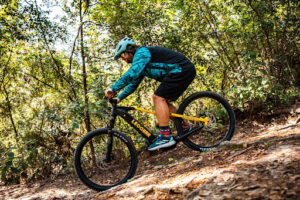
Hub Motors for General Hunting
A hub motor is a great and practical choice for many hunting situations, offering unbeatable reliability and value.
Simplicity and Redundancy
A hub motor is a self-contained unit with fewer external moving parts, making it naturally simple and tough. The motor, controller, and wheel work as a single system. Here’s the key benefit for hunters: since the motor powers the wheel directly and doesn’t depend on the bike’s chain, you can still use the throttle to get back to your vehicle if your chain breaks.
This backup system is a huge advantage when you’re deep in the field.
The “Push” Feel and Throttle
Most hub motor e-bikes have a throttle, giving you instant power on demand. This is incredibly useful for getting a moving start on a hill, powering through a muddy patch, or crossing a creek without having to pedal. The practical feel is less like riding an amplified bicycle and more like operating a small, silent ATV.
You get a clear “push” from the rear, which works great for covering ground quickly on logging roads and field edges.
A Hunter’s Perspective
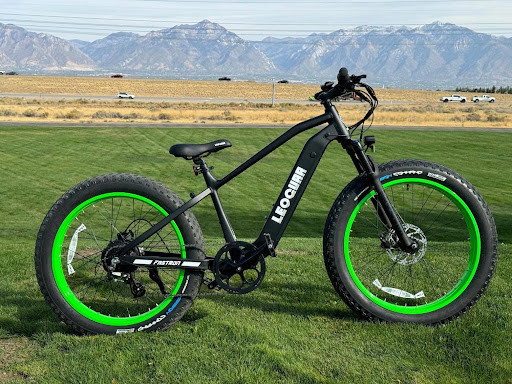
For hunters covering rolling hills or farm country, a solid hub motor e-bike offers incredible value and reliability. The Fastron adult fat tire electric bike, for instance, uses a powerful rear hub motor that provides a strong push for getting to your stand quickly and quietly, without the complexity or cost of a mid-drive system.
Its straightforward design makes it a dependable workhorse season after season.
The Drawbacks
The weight in the rear wheel makes the bike harder to lift over logs or fences and can cause the rear to feel “bogged down” or lose traction on very steep, long climbs compared to a balanced mid-drive. Many Expert reviews of hunting e-bikes praise hub motors for their utility and value but consistently note their performance limits in truly mountainous areas.
Motor Choice For Your Hunt
The theoretical pros and cons become clear when applied to real hunting situations. Here’s how to choose based on your specific needs.
Scenario 1: Steep Mountains
- Hunt Type: Elk, Mule Deer, Mountain Goat
- Recommendation: Mid-Drive Motor
- Reasoning: The ability of an electric bike motor to multiply torque through the bike’s gears is essential for long, steep climbs while carrying a heavy pack or hauling out game. The centered weight is a non-negotiable safety feature for handling technical descents and side-hilling.
The motor’s efficiency when used with the gears also helps save precious battery life on all-day trips far from a power source.
Scenario 2: Rolling Hills & Woods
- Hunt Type: Whitetail, Turkey
- Recommendation: Either motor works, but they offer different advantages
- Hub Motor Advantage: Offers excellent value. The throttle is perfect for silently cruising down logging roads and along field edges to your stand.
The system’s independence from the chain is a major reliability plus.
- Mid-Drive Advantage: Feels more natural on varied terrain and will handle the occasional very steep draw or muddy patch with less effort. Mid-drive motors are often quieter under load, a key factor in strategies for remaining undetected when closing the distance.
Scenario 3: Flat Farmland
- Hunt Type: Predators, Waterfowl, Stand Access
- Recommendation: Hub Motor
- Reasoning: This terrain doesn’t require the advanced climbing ability or balanced handling of a mid-drive. A hub motor’s simplicity, lower cost, and throttle-on-demand are perfectly suited for this use.
The focus here is on reliable, quiet transport over relatively easy ground, and a hub motor delivers that without the added expense or complexity.
Beyond the Motor
Focusing only on the electric bike motor is a common mistake. These other features are just as important for a reliable and safe hunting electric bike.
Brakes: Your Top Safety Feature
We insist on hydraulic disc brakes. Period. Look for models with large rotors, ideally 180mm or 203mm.
This combination provides superior stopping power and heat control, which is non-negotiable when you’re controlling a heavy bike, plus your own weight and gear, on a steep downhill trail.
Frame, Suspension, and Tires
The bike’s foundation must be solid. Look for a robust aluminum frame and check its load capacity rating to ensure it can handle you, your gear, and potentially packed-out game. For suspension, a front suspension fork is the minimum requirement for off-road comfort and control.
A full-suspension bike is even better for extremely rough terrain but adds cost and complexity. Finally, fat tires (4 inches or wider) are the standard for hunting e-bikes, providing excellent traction and flotation over soft ground like mud, sand, or snow.
FAQ
Q: What’s the main difference between mid-drive and hub motor electric bike motors for hunting?
A: Mid-drive motors are located at the bike’s center and work with the bike’s gears for better climbing power and balance. Hub motors are built into the wheel and provide direct power, offering simplicity and reliability with a throttle option.
Q: Which electric bike motor is better for steep mountain hunting?
A: Mid-drive motors are better for steep mountain hunting because they use the bike’s gears to multiply torque, giving you more climbing power. The centered weight also provides better balance and handling on technical terrain.
Q: Are hub motors reliable enough for backcountry hunting?
A: Yes, hub motors are very reliable for hunting because they have fewer moving parts and work independently of the bike’s chain. If your chain breaks, you can still use the throttle to get back to your vehicle.
Q: Do mid-drive motors require more maintenance than hub motors?
A: Yes, mid-drive motors put more stress on the chain and cassette, requiring more frequent cleaning and maintenance. Hub motors are simpler with fewer external parts that need regular attention.
Q: What other features should I consider besides the motor type?
A: Focus on hydraulic disc brakes with large rotors for safety, a strong aluminum frame with adequate load capacity, front suspension for comfort, and fat tires (4+ inches) for traction on various terrain types.

