


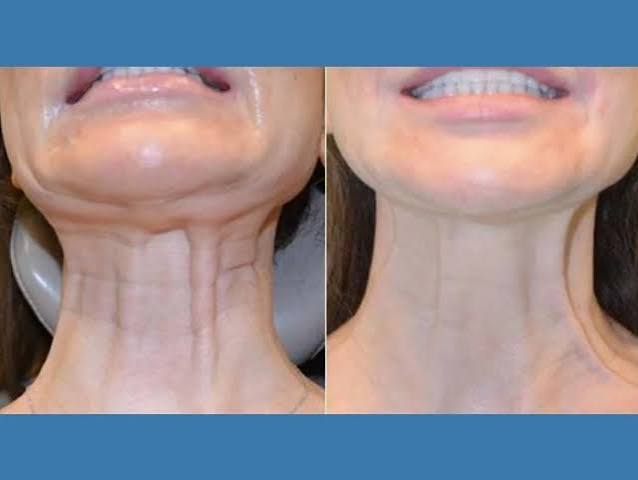
The decision to address neck laxity, sagging jawline definition, or the gradual softening of the lower face is rarely made impulsively. Most people arrive at that decision after months of quiet consideration — weighing what they see in the mirror against what they know about recovery time, cost, and risk. In 2025, that deliberation is happening against a backdrop of genuinely expanded options. Non-surgical and minimally invasive treatments have matured to a point where comparing them to surgical procedures is no longer a case of apples to oranges. The comparison now demands a more honest, grounded look at what each approach actually delivers, under what conditions, and for whom.
This article examines two approaches that address similar concerns in the neck and jawline area — one surgical, one not — and considers what separates them in terms of mechanism, outcome, durability, and practical suitability for different individuals.
What the Nefertiti Lift Actually Does
The nefertiti lift is a non-surgical treatment that uses botulinum toxin injections along the lower jawline and into specific muscles of the neck, particularly the platysma. The platysma is a broad, flat muscle that runs from the collarbone up through the neck and attaches to the lower face. Over time, this muscle can pull downward on the jawline, contributing to sagging, jowling, and the visible bands that appear vertically along the neck. By relaxing the platysmal bands and the depressor muscles along the jaw, the treatment allows the natural upward-pulling muscles of the face to function with less opposition, producing a subtle lifting and defining effect.
Named after the Egyptian queen whose portraits depict a particularly elongated, defined neck, the procedure has practical origins in how botulinum toxin behaves within muscular anatomy. It is not a filler procedure and does not add volume. It works entirely through muscular relaxation, which means its results depend heavily on the underlying muscle tone, skin quality, and the degree of laxity present before treatment. The effect is real but measured — and understanding that distinction is essential before any comparison with surgery can be made meaningfully.
Who Tends to Benefit Most from This Approach
Candidates who respond best to a nefertiti lift treatment are generally those in the earlier stages of jawline and neck changes — people who have noticed a softening of definition or early jowling but have not yet experienced significant skin redundancy or deep tissue descent. When skin still has reasonable elasticity and the primary issue is muscular downward pull rather than excess tissue, relaxing the responsible muscles can restore a visible degree of contour.
Age alone is not the determining factor. Someone in their late thirties with reduced muscle tone may respond well, while someone in their mid-forties with denser, more resilient skin may see comparable results. The treatment is also appropriate for those who have already undergone surgical procedures in the past and are maintaining or refining results over time, rather than seeking a comprehensive correction.
What the Procedure Involves in Practice
The treatment is administered in a clinical setting, typically in under thirty minutes. A series of small injections are placed along a planned anatomical pattern targeting the platysmal bands and the depressor anguli oris — muscles that pull the corners of the mouth and lower face downward. There is minimal preparation required, no sedation, and no wound care afterward. Most people return to their normal routine the same day, with the understanding that bruising or mild swelling at injection sites is possible in the days immediately following.
Results develop gradually over the following week or two as the targeted muscles begin to relax. The outcome is not a dramatic reconstruction but rather a refinement — cleaner jaw definition, reduced banding in the neck, and a slight lift at the jawline margin that can look quite natural when performed by a practitioner with sound anatomical knowledge.
How a Surgical Neck Lift Differs in Mechanism and Scope
A surgical neck lift — more formally referred to as a platysmaplasty or lower rhytidectomy depending on the specific technique — is a procedure that physically modifies the underlying tissue architecture of the neck and lower face. It involves incisions typically placed behind the ears and sometimes under the chin, through which the surgeon tightens the platysmal muscle directly, removes or repositions excess fat, and trims redundant skin. The result is a structural alteration that cannot be achieved through any non-surgical method currently available.
This distinction matters because surgery and injectable treatments are not simply different intensities of the same thing. They address the same region through entirely different mechanisms. Surgery removes and repositions tissue; injectables modulate muscle behavior. When there is significant skin laxity, deep tissue descent, or substantial fat accumulation, no amount of muscular relaxation will replicate what surgical repositioning achieves. The reverse is also true — surgery cannot selectively tune muscular pull the way targeted injections can, which is why some patients undergo both at different stages of their lives.
Recovery, Risk, and Realistic Timelines
Surgical neck lifts carry the full weight of any procedure performed under anesthesia with incisions. Recovery typically spans several weeks, during which swelling, bruising, temporary numbness, and restricted mobility are normal. Most patients are advised to avoid strenuous activity for a month or more, and final results may not be fully visible for several months as residual swelling resolves and tissues settle into their new position.
Risks associated with surgery — including infection, scarring, asymmetry, nerve involvement, and anesthesia reactions — are real and well-documented. According to the U.S. Food and Drug Administration, individuals considering any surgical cosmetic procedure should thoroughly discuss the full risk profile with a board-certified surgeon before proceeding. These risks do not make surgery inadvisable, but they are a meaningful part of the decision for anyone who must balance recovery time against professional or personal obligations.
Durability and Long-Term Expectations
One of the most frequently cited advantages of surgery is durability. A well-performed surgical neck lift typically holds its structural result for many years, though the aging process continues regardless of intervention. Patients who undergo surgery at an appropriate stage of tissue laxity often find that results last a decade or more before any further significant descent occurs.
Non-surgical treatments work on a different timeline. The effects of a nefertiti lift generally persist for several months before the treated muscles gradually resume their prior activity levels, at which point maintenance treatments are needed to sustain the result. This is neither a flaw nor a limitation unique to this treatment — it is simply the biological reality of how botulinum toxin works within living tissue. For patients who respond well, the ongoing treatment schedule becomes a routine aspect of cosmetic maintenance rather than an inconvenience.
Cost Structures and the Real Calculation Behind Each Option
Surgical neck lifts carry a substantially higher upfront cost than non-surgical alternatives, reflecting the involvement of a surgical team, facility fees, anesthesia, and post-operative care. When viewed in isolation, that initial cost differential makes surgery appear far more expensive. However, the cumulative cost of regular non-surgical maintenance over several years can approach or exceed what surgery costs when totaled over the same period.
This does not mean surgery is always the more economical choice. The calculation depends on whether a patient is a suitable candidate for surgery, how frequently they require non-surgical maintenance to achieve satisfactory results, and whether the downtime associated with surgery represents a practical cost of its own in terms of missed work or obligations. There is no universal answer. The more honest framing is that each option carries a different cost structure distributed differently across time.
How to Think About the Comparison Without Oversimplifying It
The comparison between a nefertiti lift and a surgical neck lift only becomes meaningful when it is grounded in what a specific individual actually needs. For someone with mild to moderate changes in the jawline and neck who values minimal downtime and is not yet experiencing tissue excess, a non-surgical approach is a reasonable, evidence-supported starting point. For someone with moderate to advanced laxity, skin redundancy, or significant structural descent, surgery addresses changes that injectables cannot.
What makes this comparison relevant in 2025 is that both approaches have become more refined. Practitioners who administer botulinum toxin treatments for lower face and neck contouring now work with deeper anatomical mapping and more consistent technique protocols. Surgeons performing neck lifts have similarly refined their approaches to reduce recovery burden and improve longevity of results. Neither category is standing still, which means patients have more genuinely effective options than they did even five years ago.
The more useful question is not which option is better in the abstract, but which option matches the actual anatomy, timeline, and priorities of the person making the decision.
Closing Perspective
Decisions about neck and jawline treatments are rarely straightforward, and the framing of one option as superior to another often does more harm than good. What matters in practice is a clear-eyed understanding of what each approach can and cannot achieve — not in ideal conditions, but in the real anatomy of the person seeking treatment.
A nefertiti lift is a legitimate, low-disruption option for individuals whose concerns fall within the range of what muscular relaxation can address. A surgical neck lift remains the most structurally comprehensive option available for those with more advanced tissue changes. Neither is the right answer for everyone, and the most productive step anyone can take is a consultation with a qualified practitioner who will assess actual anatomy rather than defaulting to a preferred technique.
The broader point is this: the gap between non-surgical and surgical outcomes has narrowed in specific circumstances, but the two approaches still serve meaningfully different situations. Understanding that difference — rather than defaulting to cost, fear, or trend — is what leads to decisions people are satisfied with over the long term.

