


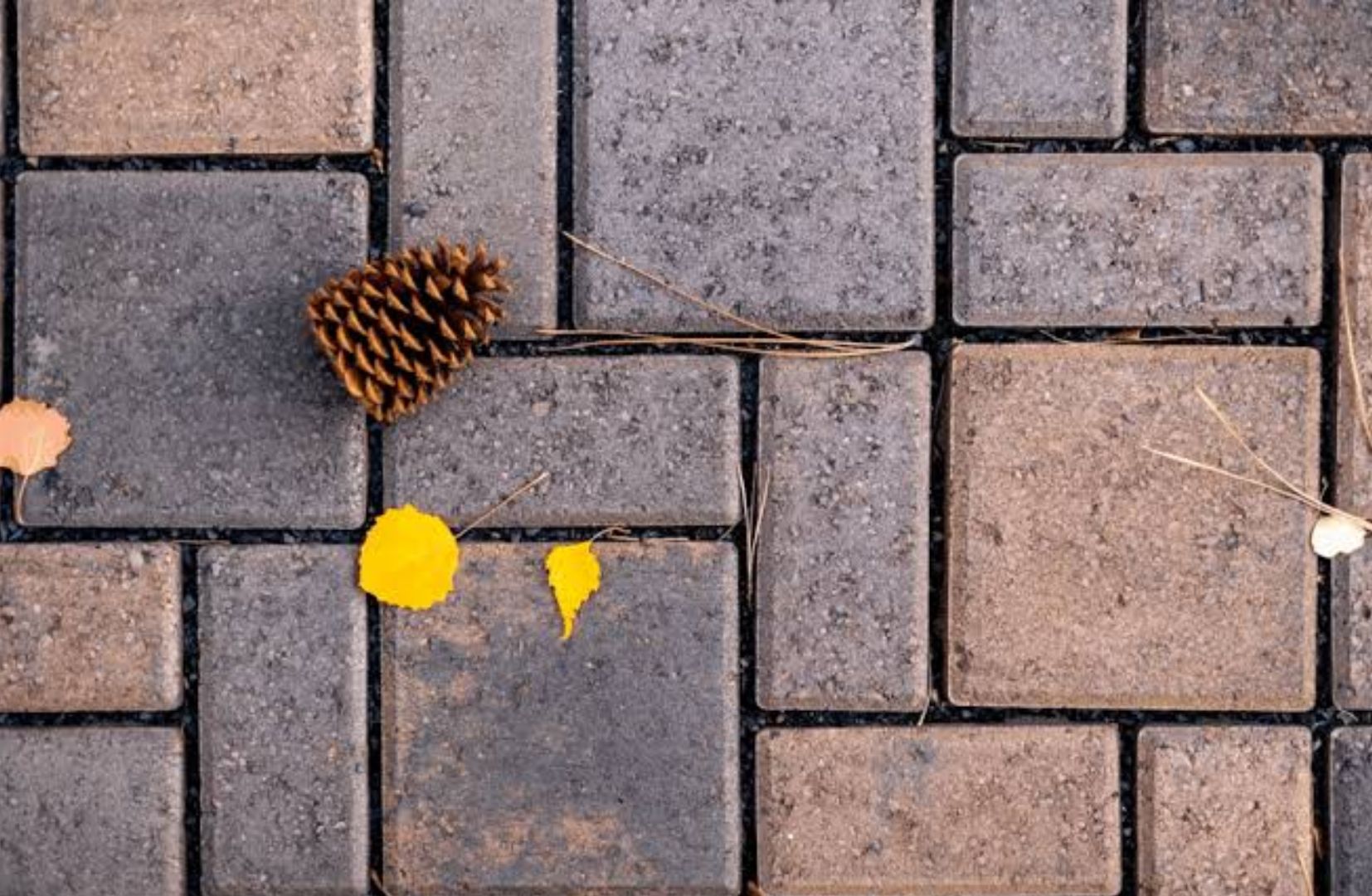
Paved surfaces can transform outdoor areas by providing a practical and attractive foundation for walkways, patios, driveways, courtyards, entrances, and entertaining spaces. However, even high-quality pavers are exposed to sunlight, rain, dirt, stains, moisture, foot traffic, vehicles, and changing environmental conditions. Without proper maintenance, their original appearance can gradually become dull, stained, or uneven. Regular care can help preserve both the visual appeal and functional condition of the surface. Paver sealing is one maintenance method that may provide additional protection for suitable pavers while enhancing their appearance. When combined with proper cleaning, joint maintenance, repairs, and good drainage, a thoughtful maintenance plan can help extend the useful life of a paved area.
Understanding Paver Materials
Pavers are manufactured from various materials, including concrete, clay, natural stone, and other specialized products. Each material has its own characteristics regarding porosity, color, texture, strength, and response to moisture. Some pavers absorb liquids more readily than others, while certain natural materials may require specialized cleaning products and techniques. Before applying any protective treatment, it is important to identify the material and understand its maintenance requirements. Using an unsuitable product can potentially alter the appearance or performance of the surface. Proper identification provides a useful foundation for choosing cleaning methods and protective treatments that are compatible with the paving material.
Why Paver Maintenance Matters
Outdoor pavers experience constant exposure to conditions that can gradually affect their appearance. Dirt can settle into textured surfaces, leaves can leave organic stains, and spills can penetrate porous materials. Moisture may encourage moss or algae in shaded areas, while weeds can emerge through deteriorated joints. Regular maintenance helps address these issues before they become more difficult to manage. Paver sealing can complement routine maintenance by providing an additional protective layer on compatible surfaces. However, sealing works best when it is part of a broader care routine rather than being treated as a substitute for cleaning, repairs, and proper drainage.
Benefits of Protective Treatment
A suitable protective treatment can offer several potential benefits depending on the paver material and product selected. Some sealers are designed to reduce the penetration of moisture and certain stains, while others can enhance the existing color of the pavers. Certain products may also make routine cleaning easier by limiting how deeply dirt and contaminants penetrate the surface. The final appearance can range from a natural finish to a more noticeable sheen, depending on the formulation. Paver sealing should always be approached with realistic expectations because no coating can make an outdoor surface completely immune to stains, weathering, or physical wear.
Preparing the Surface Properly
Preparation is one of the most important stages of any protective treatment. Pavers should be thoroughly inspected for dirt, stains, weeds, moss, algae, damaged joints, and loose units before a sealer is considered. Applying a product over contaminants can affect the final appearance and may interfere with the way the product bonds or penetrates. Existing stains should be treated using methods appropriate for the material. Loose debris should be removed, and damaged sections should be repaired where necessary. A properly prepared surface gives the protective product a much better opportunity to produce a consistent and attractive result.
Removing Dirt and Debris
Regular removal of loose dirt is a simple but important part of paver maintenance. Leaves, soil, twigs, grass clippings, and other debris can accumulate on the surface and inside joints. If these materials remain in place for extended periods, they may retain moisture and contribute to staining or unwanted plant growth. Sweeping the paved area regularly can help prevent heavy buildup. Washing may also be appropriate when the material and surface condition allow it. Cleaning methods should be selected carefully because excessive pressure or unsuitable chemicals can damage some pavers or remove joint material.
Managing Weeds Between Pavers
Weeds can make an otherwise attractive paved area look neglected and may also contribute to joint deterioration. Seeds can enter the spaces between pavers through wind, birds, surrounding soil, or nearby vegetation. When moisture and organic material are available, these seeds may develop into unwanted growth. Removing weeds promptly can help prevent roots from becoming more established. Severely deteriorated joints may require additional attention before protective treatment is applied. A well-maintained joint system supports the stability and appearance of individual pavers while also reducing spaces where weeds can become established.
Addressing Moss and Algae
Moss and algae commonly become concerns in areas that remain damp or receive limited sunlight. Their presence can make pavers appear discolored or slippery and may indicate that moisture is remaining on the surface for extended periods. Cleaning should be performed using methods appropriate for the particular material, since aggressive chemicals can cause unwanted changes to some surfaces. Drainage should also be evaluated when moss or algae repeatedly returns. Paver sealing may provide some protection on suitable materials, but it should not be relied upon to solve persistent moisture problems. Correcting the environmental condition is an important part of long-term surface care.
Treating Stains Before Protection
Different stains require different approaches, so identifying the substance is useful before cleaning begins. Oil, grease, food, beverages, rust, organic material, and general dirt may respond differently to cleaning products and techniques. A treatment that works well on one type of stain could potentially damage another type of paver. Testing a cleaning method in a small, inconspicuous area can help determine how the surface responds. Stains should generally be addressed before a protective coating is applied because sealing over contamination can make later removal more difficult. Careful preparation contributes significantly to the final appearance.
Choosing an Appropriate Product
There is no single sealer that is ideal for every paved surface. Product selection should take into account the paver material, porosity, desired appearance, expected traffic, exposure to weather, and existing surface condition. Some products are designed to penetrate the material, while others form a film over the surface. Some provide a natural finish, while others enhance color or create a glossy appearance. Manufacturer recommendations should be reviewed carefully before application. When the material or existing finish is uncertain, professional guidance can help reduce the risk of selecting a product that is incompatible with the surface.
Considering Appearance and Finish
The desired appearance should be considered before applying any protective product. A natural finish may preserve the original appearance of the pavers, while a color-enhancing product may make existing tones appear deeper or richer. Gloss levels can also vary, with some products creating a noticeable sheen and others producing a subtle finish. The appearance of a small test area may differ from expectations, so testing can be valuable before treating the entire surface. Once a product has cured, changing the finish may require additional cleaning or removal procedures. Planning the desired result in advance helps avoid unnecessary complications.
Protecting Paver Joints
The spaces between pavers are an important part of the overall installation. Joint material helps keep individual units stable and can reduce movement during normal use. Over time, joints may lose material because of rain, cleaning, weeds, traffic, erosion, or general aging. Before applying a protective treatment, severely damaged or missing joint material should be addressed. Paver sealing can form part of a maintenance process that considers both the surface of the individual units and the condition of the joints. Protecting the complete paved system rather than focusing only on appearance can support better long-term performance.
Improving Resistance to Stains
Paved surfaces can encounter many substances during normal use. Food, drinks, vehicle fluids, soil, leaves, and other materials can leave visible marks, particularly on porous surfaces. A suitable protective product may reduce how quickly some liquids penetrate the material, giving property owners more time to clean spills. This does not mean the surface becomes completely stain-proof. Prompt cleanup remains important because certain substances can still discolor or affect the finish. Regular sweeping and cleaning, combined with appropriate protection, can make it easier to maintain a cleaner and more attractive paved area.
Protecting Against Weather Exposure
Weather is one of the major factors affecting outdoor paved surfaces. Rain, sunlight, temperature changes, wind, and moisture can gradually alter the appearance and condition of pavers. Repeated wetting and drying can also affect joint materials and surrounding surfaces. A suitable protective treatment may help reduce certain effects of moisture and environmental exposure, depending on the material and product. However, proper drainage remains essential. Water should not be allowed to remain on the surface unnecessarily, because a protective coating cannot compensate for serious drainage deficiencies.
Understanding Application Conditions
The conditions during application can influence the final result. Temperature, humidity, surface moisture, sunlight, and the possibility of rain can all affect how certain products behave while drying and curing. Product instructions should be followed carefully regarding suitable conditions and recommended curing periods. Applying a product to a damp surface when the manufacturer requires a dry surface can interfere with performance. Similarly, allowing foot traffic or vehicles onto the area too soon may damage the finish. Careful planning around environmental conditions can help produce a more uniform and durable result.
Avoiding Excessive Product Application
More product does not necessarily mean more protection. Applying excessive amounts can sometimes result in an uneven, sticky, cloudy, or overly glossy finish, depending on the product. It may also interfere with proper curing or create unwanted buildup on the surface. Coverage recommendations provided by the manufacturer should therefore be followed carefully. Application tools should also be appropriate for the specific product and surface. Consistent distribution is particularly important across large paved areas because variations in thickness can become noticeable once the treatment dries.
Repairing Damage Before Treatment
Protective treatments are not designed to repair cracked, broken, loose, or structurally damaged pavers. These issues should be evaluated before sealing begins. Loose pavers may need to be reset, damaged units may need replacement, and deteriorated joints may need to be refilled. Drainage concerns should also be corrected where necessary. Completing these repairs first helps create a more uniform surface and prevents the need to disturb newly treated areas later. A detailed inspection before the project begins can identify problems that might otherwise reduce the quality of the finished result.
Considering Professional Assistance
Professional assistance can be useful when a paved area is large, heavily stained, difficult to access, or made from a material requiring specialized care. Experienced technicians can evaluate the surface, determine appropriate preparation methods, and recommend products that are compatible with the material. They can also identify damage, drainage issues, and joint problems that should be addressed before treatment. Paver sealing requires attention to preparation, application, coverage, drying, and curing, so professional application can be a practical option for property owners seeking consistent results. The appropriate service should always be based on the actual condition and material of the surface.
Maintaining the Surface After Treatment
Applying a protective product does not eliminate the need for regular maintenance. Pavers should still be swept to remove loose dirt and organic debris, while spills should be cleaned as soon as practical. Weeds should be removed before they become deeply established, and damaged joints should be addressed promptly. Cleaning products should be compatible with the protective finish because harsh chemicals may affect certain coatings. Heavy equipment and furniture should also be used responsibly to minimize unnecessary wear. Consistent maintenance can help preserve the appearance and effectiveness of the protective treatment for as long as reasonably possible.
Recognizing When Additional Treatment May Be Needed
The lifespan of a protective treatment varies according to many factors, including product type, surface material, traffic, weather exposure, cleaning practices, and environmental conditions. Over time, the finish may become less visible or the surface may become more susceptible to staining. These changes can indicate that the protective layer is wearing down. However, additional treatment should not be applied automatically without assessing the existing surface. Cleaning and preparation may be necessary before another application, and incompatible layers should not simply be covered with additional product. Evaluating the current condition helps prevent unnecessary buildup and uneven results.
Preventing Common Maintenance Mistakes
Several simple mistakes can reduce the quality of paver maintenance. Applying sealer over a dirty surface, ignoring damaged joints, using incompatible cleaning chemicals, or allowing the product to cure under unsuitable conditions can all create problems. Another common mistake is assuming that sealing eliminates the need for cleaning. Outdoor surfaces continue to encounter dirt, weather, organic material, and everyday use regardless of whether they have been treated. Following manufacturer instructions and maintaining realistic expectations can help avoid many preventable issues. Proper preparation and ongoing care are just as important as the protective product itself.
Planning a Long-Term Care Routine
A practical maintenance plan can help keep paved surfaces attractive throughout the year. Regular sweeping removes loose debris, while periodic cleaning addresses accumulated dirt and stains. Inspections can identify weeds, damaged joints, loose pavers, drainage issues, and other concerns before they become more serious. Protective treatments should be evaluated according to the actual condition of the surface rather than applied automatically on a fixed schedule. Paver sealing can be included as one component of a long-term care plan when the material and condition are suitable. Combining multiple maintenance tasks creates a more complete approach to protecting the paved area.
Protecting the Overall Investment
Paved areas represent an investment in the appearance and usability of a property. Maintaining them properly can help preserve that investment and reduce the likelihood of avoidable deterioration. Routine cleaning and timely repairs are generally easier to manage when problems are addressed early. Protective treatments may provide additional support by helping suitable surfaces resist certain environmental and staining effects. Paver sealing can be especially useful when incorporated into a broader strategy that includes proper preparation, joint care, drainage management, and routine inspection. The goal should be to preserve both appearance and function rather than focusing exclusively on short-term visual improvement.
Final Thoughts
Maintaining attractive and durable pavers requires consistent attention rather than a single maintenance task. Regular cleaning, weed removal, joint care, stain treatment, drainage management, and timely repairs all contribute to the long-term condition of a paved surface. Paver sealing can provide an additional protective layer for suitable materials and may help improve resistance to certain stains, moisture, and everyday environmental exposure when applied correctly. Choosing the right product, preparing the surface thoroughly, following application instructions, and allowing adequate curing time are essential for achieving good results. With a thoughtful maintenance routine and appropriate professional support when needed, property owners can preserve the appearance, usability, and durability of their paved areas for years to come.

