


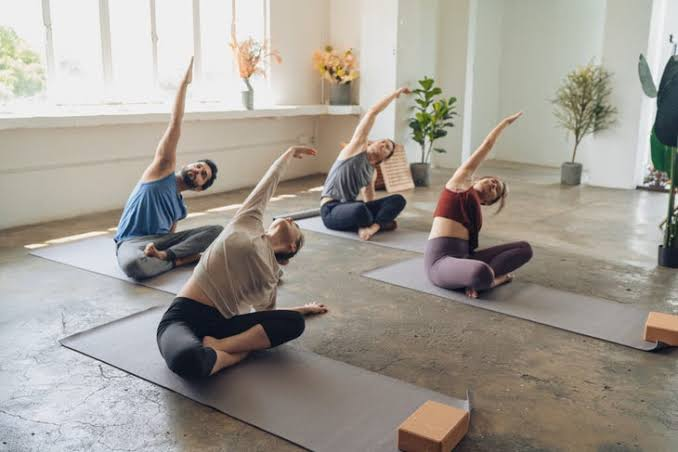
Walking into a yoga studio for the first time is a genuinely unfamiliar experience for most people. Unlike a gym, where the equipment and general expectations are broadly understood, a yoga class operates by a different set of norms — physical, social, and even spatial. The room looks different. The silence feels deliberate. The other participants seem to know exactly where to stand, what to do with their hands, and how to roll out a mat without drawing attention to themselves.
This disorientation is not a sign that yoga is inaccessible. It is simply the gap between not knowing and knowing — and that gap is far smaller than it appears from the outside. Most of the anxiety that surrounds a first class comes from uncertainty about practical things: what to wear, what to bring, how the class will be structured, and whether not knowing the poses will make the experience embarrassing or unproductive.
This guide addresses those concerns directly, in plain terms, so that your first session can be spent actually engaging with the practice rather than managing preventable surprises.
What Practicing Yoga In Class Actually Involves
A yoga class is a structured, instructor-led session in which participants move through a series of postures — called asanas — while also attending to breathing patterns and, depending on the style, varying degrees of stillness or meditation. The structure is not arbitrary. It is designed to warm the body progressively, build toward more demanding movements, and then bring participants down to a resting state by the end of the session.
For anyone researching what to expect before attending for the first time, a well-structured Yoga In Class guide can clarify not just the format but also the physical and mental demands that differ across yoga styles — which matters more than most beginners initially realize.
Yoga classes are not uniform. A Hatha class moves slowly and holds postures for longer periods. A Vinyasa class links movement to breath in a continuous sequence, which is more physically demanding. Restorative yoga focuses on supported, passive postures held for extended periods. Knowing the style before you book removes a significant amount of guesswork about how physically prepared you need to be.
How Class Formats Differ From Online Practice
Many people come to their first in-person session after practicing at home with video tutorials. The adjustment is greater than expected. An instructor in a live setting can see your alignment, offer hands-on corrections, and modify a pose in real time based on what they observe. This changes the experience considerably — not because online practice is ineffective, but because in-person instruction introduces accountability and immediate feedback that recorded content cannot replicate.
Group energy also plays a role that is difficult to anticipate until you experience it. The pace of a live class is set by the instructor and shared by the room. There is less opportunity to pause, rewind, or skip a pose that feels uncomfortable. This is not a disadvantage — it trains consistency and presence in ways that self-directed practice at home often does not.
The Role of the Instructor in Your First Session
A qualified yoga instructor in a beginner or mixed-level class will typically acknowledge new participants at the start of the session and offer general guidance for those who are unfamiliar with certain postures. You are not expected to perform every pose correctly on the first attempt. Most experienced teachers prioritize safe alignment over depth of movement, and they will often provide verbal cues for modifications throughout the class.
Arriving a few minutes early to introduce yourself as a beginner is worth doing. It takes less than a minute and gives the instructor information that helps them include you more effectively during the session.
What to Wear When Attending a Yoga Class
Clothing for yoga needs to serve one clear function: it should allow a full range of movement without restriction, slipping, or requiring constant adjustment. Beyond that function, the specific garments matter less than many people assume.
Fitted or semi-fitted clothing tends to work better than loose or baggy garments. When you fold forward, invert, or move into a pose that requires the instructor to observe your alignment, loose fabric obscures the body in ways that can complicate both teaching and self-awareness. This does not mean tight or uncomfortable clothing — it means clothing that stays in place and does not shift with movement.
Materials and Fit for Physical Comfort
Natural and synthetic blends that offer stretch and breathability are standard for yoga practice. Cotton is comfortable but retains moisture, which can become uncomfortable during more active classes. Synthetic fabrics designed for movement tend to manage temperature and moisture more effectively during sessions that involve consistent physical effort.
Layers are worth considering if the studio is unfamiliar. Some studios keep rooms warm, particularly those offering heated yoga. Others are cooler by design. A light layer that can be removed easily during the initial warm-up gives you flexibility without committing to one temperature assumption.
Footwear and What Happens to It
Yoga is practiced barefoot. This is consistent across virtually all styles and settings. Shoes are removed before entering the studio space, and most studios provide a designated area near the entrance for this purpose. Grip socks are an option some practitioners prefer for hygiene reasons or for additional traction, and they are widely accepted. Bare feet remain the standard.
Jewelry and accessories that could interfere with movement — rings that press into the mat surface during weight-bearing poses, bracelets that slide during arm movements — are worth leaving out of the session entirely. This is a practical consideration rather than a rule, but it reduces distraction.
What to Bring to Your First Yoga Session
Studios vary in what they provide and what they expect participants to supply themselves. The safest approach for a first visit is to check with the studio in advance and arrive prepared for either situation.
Most studios provide mats for rent or loan, but mat quality varies, and some participants prefer their own for hygiene reasons. If you plan to attend regularly, purchasing a mat is a straightforward investment. For a first session, a rented or borrowed mat is entirely adequate.
Practical Items That Reduce Friction
A small towel is useful for any class involving moderate to vigorous movement. Even in sessions that are not heated, physical effort produces perspiration, and having a towel available to manage grip on the mat or cool yourself between postures is a practical measure rather than an extravagance.
Water is worth bringing, particularly for longer sessions. Many studios have water available on-site, but carrying your own removes any uncertainty. Hydration before a class matters as much as during it — arriving thirsty at the start of a physical session creates unnecessary discomfort that is easy to avoid.
According to the NHS guidance on yoga, eating a large meal immediately before a session is generally discouraged, as many poses involve twisting, compression, and inversion that can become uncomfortable with a full stomach. A light snack a couple of hours beforehand is typically sufficient.
Items You Do Not Need
A first yoga session does not require blocks, straps, bolsters, or specialized props. These are tools that instructors use to support alignment and adjust postures for different body types, and studios keep them on hand. You do not need to purchase or understand how to use them before arriving — the instructor will demonstrate their use when relevant.
What to Expect During the Session Itself
A standard yoga class begins with a period of settling — sometimes seated, sometimes lying down — in which the instructor guides the group toward focus and breath awareness. This opening is functional, not ceremonial. It transitions the body and the attention from the pace of ordinary activity to the slower, more deliberate pace of the practice.
The middle portion of the class involves the main sequence of postures. In a beginner class, these are generally foundational: standing poses, seated poses, basic balances, and simple backbends or forward folds. The instructor will demonstrate, name, and verbally cue each movement. You are not expected to match the visual perfectly — understanding the general direction of the movement and working within your current range is sufficient.
Managing Discomfort and Knowing When to Rest
Discomfort and pain are not the same thing in yoga, but the distinction matters. The mild discomfort of stretching a tight muscle or building strength in an unfamiliar position is a normal part of the practice. Sharp pain, joint discomfort, or any sensation that feels like strain beyond normal effort is a signal to stop or modify the movement.
Most instructors will mention this explicitly during the class. Child’s pose — a simple resting posture — is available at any point during a session and is widely understood as a valid choice for any participant who needs to pause. Using it is not a sign of failure; it is the appropriate response to needing rest.
The Closing of a Yoga Class
Most classes end with a period of stillness called Savasana, in which participants lie flat on their backs for several minutes. This is not optional and is not a signal that the class is winding down informally. It is a deliberate part of the session that allows the nervous system to integrate the physical work that preceded it. Leaving before Savasana is generally considered disruptive unless there is a genuine time constraint — in which case, informing the instructor beforehand is the appropriate course.
Closing Thoughts on Starting Your Yoga Practice
The barriers to beginning yoga in class are almost entirely practical. Once the questions about clothing, equipment, format, and expectations are answered, what remains is simply the experience itself — which is more accessible than most first-time participants anticipate.
A first session will not make you proficient. It will make you familiar with the environment, the pacing, and the basic vocabulary of movement that becomes the foundation of consistent practice. That familiarity is the only real outcome a first class needs to deliver. Everything else develops through repetition, not preparation.
Arriving with the right clothing, a clear sense of what the class involves, and realistic expectations about your own starting point is sufficient. The rest — alignment, breath control, strength, and range of movement — comes with time and regular attendance, not with anything you can research in advance.

