


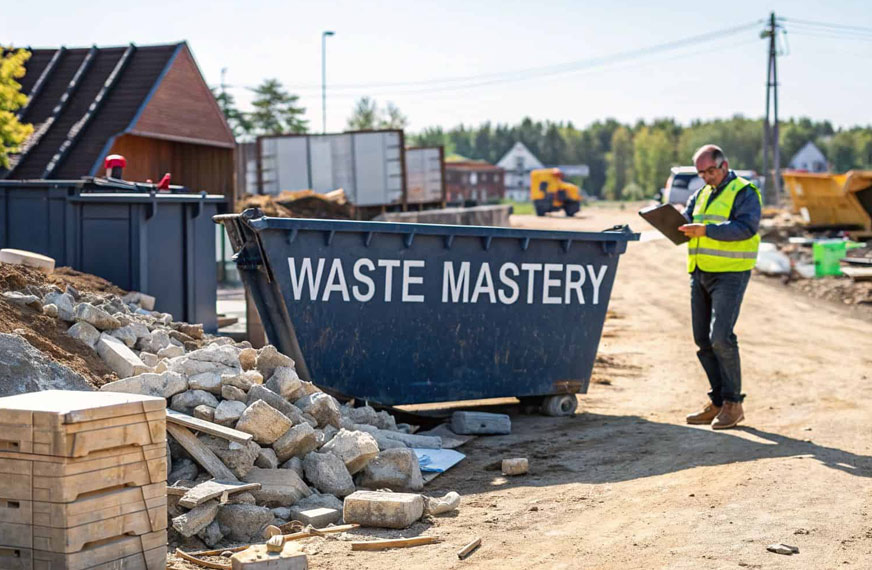
Construction projects generate waste at nearly every stage, from initial demolition and excavation to framing, installation, finishing, and final cleanup. Wood scraps, concrete, drywall, metal, cardboard, plastic packaging, insulation, flooring materials, and damaged fixtures can quickly accumulate when they are not managed properly. Construction waste removal is an important part of keeping active work areas organized and making sure debris does not interfere with workers, equipment, deliveries, or project schedules. A well-planned waste management system can also make it easier to identify recyclable and reusable materials before they are mixed with general debris. By planning ahead, choosing appropriate containers, separating materials, and arranging timely collection, project managers can create a cleaner and more efficient work environment.
Understanding Construction Waste
Construction waste comes in many forms, and the type of debris produced depends heavily on the nature of the project. New construction may generate packaging, offcuts, damaged materials, and excess supplies, while renovation and demolition projects can produce much larger quantities of old fixtures, drywall, flooring, concrete, wood, and other materials. Some debris can be reused or recycled, while other materials may require specialized disposal. Construction waste removal becomes easier when the project team understands what types of waste are likely to be produced before work begins. Creating a basic waste inventory can help determine the required container sizes, sorting areas, collection frequency, and handling procedures.
Planning Waste Management Before Construction Begins
Waiting until debris has already accumulated can make cleanup more difficult and expensive. Waste management should therefore be considered during the planning stage of a construction project. Project managers can estimate the approximate volume of debris, identify materials that may require separate handling, and determine where waste containers can be safely positioned. Construction waste removal should be included in the overall project schedule so that collection does not become an unexpected interruption. Early planning can also help workers understand where different materials belong and prevent the same debris from being moved repeatedly. A practical plan should be flexible enough to accommodate changes in project phases and unexpected increases in waste.
Selecting Suitable Containers
The right container depends on the size of the project, the type of materials being discarded, and the amount of waste expected during each phase. A small remodeling job may need limited capacity, while a demolition project can generate large quantities of heavy debris in a short period. Weight restrictions should also be considered when dealing with concrete, bricks, stone, soil, and other dense materials. Construction waste removal is more efficient when containers are selected according to actual project requirements instead of simply choosing the largest available option. An undersized container can lead to overflowing debris and frequent pickups, while excessive capacity may create unnecessary costs. Reviewing expected waste volumes before ordering containers can help establish a practical solution.
Creating Separate Waste Streams
Sorting materials at the worksite can improve disposal efficiency and create more opportunities for recycling and reuse. Wood, metal, cardboard, concrete, plastics, and general debris may need to be handled differently depending on available recycling and disposal programs. Clearly marked containers or designated collection areas can make separation easier for workers. Construction waste removal becomes more organized when recyclable materials are kept apart from mixed waste instead of being combined and sorted later. Separation can also reduce contamination and make it easier to estimate how much material is being recycled or recovered. Simple signs and consistent instructions can encourage workers to follow the sorting system correctly.
Managing Wood and Lumber
Wood is a common construction material and can generate significant amounts of waste through cutting, framing, remodeling, and demolition. Small offcuts may be unavoidable, but careful measurement and material planning can reduce unnecessary waste. Larger pieces of clean wood may sometimes be reused for temporary structures, repairs, or other project needs. Damaged, treated, painted, or contaminated wood may require different handling depending on disposal requirements. Construction waste removal should account for the size and weight of wooden materials so that they can be stored and transported safely. Keeping reusable pieces separate from damaged scraps can help reduce the amount of material that ultimately requires disposal.
Handling Concrete and Masonry Debris
Concrete, bricks, blocks, stone, and similar materials can quickly increase the weight of a waste container. These materials should be managed carefully because exceeding weight limits can create transportation and handling issues. Where appropriate, large pieces may need to be broken down using suitable equipment and safe procedures. Construction waste removal involving heavy debris should always consider the container’s permitted weight and the disposal facility’s requirements. Clean concrete and masonry may sometimes be suitable for recycling or processing into aggregate, depending on available services. Separating these materials from general waste can therefore support both efficient disposal and potential resource recovery.
Managing Drywall and Interior Debris
Interior remodeling can produce large amounts of drywall, insulation, flooring, ceiling materials, packaging, cabinets, fixtures, and other debris. These materials can quickly fill a container because many are bulky even when relatively lightweight. Keeping debris organized during demolition can make it easier to separate reusable components and recyclable materials. Construction waste removal should be coordinated with the pace of interior work so that rooms, hallways, stairways, and entrances do not become obstructed. Frequent removal of debris also allows workers to maintain clearer access to their work areas. A clean interior worksite can improve organization and make it easier to identify remaining materials and equipment.
Reducing Waste at the Source
One of the most effective ways to improve construction waste management is to prevent unnecessary waste from being created. Accurate measurements, careful ordering, proper material storage, and thoughtful cutting plans can reduce excess materials. Contractors can also evaluate whether certain products can be returned, reused, or incorporated into another part of the project. Construction waste removal is still necessary for unavoidable debris, but reducing the total amount generated can lower container requirements and collection costs. Protecting materials from rain, moisture, impact, and improper storage can also prevent usable products from becoming damaged. Waste reduction should therefore be considered throughout the project rather than only during cleanup.
Keeping the Worksite Organized
A cluttered construction area can slow down work and create unnecessary obstacles. Debris left near equipment, entrances, walkways, ladders, or material storage areas can interfere with movement and make it harder for workers to perform their tasks efficiently. Designated waste collection points can help prevent debris from spreading throughout the project. Construction waste removal should be incorporated into routine housekeeping so that cleanup occurs continuously rather than only at the end of the day or project. Workers can be assigned specific cleanup responsibilities based on their work areas. Consistent housekeeping makes it easier to maintain clear routes and keeps the overall project more manageable.
Improving Safety Through Regular Cleanup
Construction sites already contain numerous hazards, and unmanaged waste can add additional risks. Sharp metal, nails, broken glass, splintered wood, unstable piles, and scattered debris can create trip, puncture, and impact hazards. Regular cleanup helps keep these materials away from active work areas and designated walkways. Construction waste removal should be coordinated with workplace safety procedures so that workers understand how to handle and dispose of potentially dangerous materials. Appropriate protective equipment should also be used when handling debris. Keeping waste under control is not simply a matter of appearance; it contributes to a more organized environment where workers can move and perform tasks with fewer unnecessary obstacles.
Handling Hazardous Construction Materials
Some projects may involve materials that require specialized disposal or additional safety procedures. Paints, solvents, fuels, certain adhesives, contaminated materials, chemicals, and asbestos-containing products should not automatically be placed into ordinary construction waste containers. Before work begins, project managers should identify materials that may require special handling and determine the appropriate procedures. Construction waste removal providers should only receive materials that they are authorized and equipped to manage. Workers should also know how to report unexpected hazardous substances discovered during demolition or renovation. Proper identification and separation can help protect workers, waste handlers, the public, and the surrounding environment.
Scheduling Timely Waste Collection
The frequency of collection should be based on how quickly debris accumulates. A container that remains on-site for too long may become overloaded, while excessive collection frequency may increase project costs without providing additional value. Construction waste removal should therefore be adjusted according to the current phase of the project. Demolition may generate large quantities of waste in a short period, while finishing work may produce smaller but more frequent amounts of packaging and material scraps. Monitoring container levels can help project managers identify when collection schedules need to change. A flexible approach allows waste services to respond to the actual needs of the project rather than relying on a fixed schedule throughout every phase.
Supporting Recycling and Material Reuse
Recycling and reuse can help reduce the amount of material sent to disposal facilities. Metals, cardboard, clean wood, certain plastics, concrete, and other materials may have recovery opportunities depending on their condition and available facilities. Reusable doors, cabinets, fixtures, flooring, and other components can sometimes be salvaged during renovation or demolition. Construction waste removal can be integrated with a recovery plan that separates valuable materials before they are mixed with general debris. The success of such a system depends on proper sorting and employee awareness. When workers understand which materials should be saved, recycled, or discarded, the project can recover more useful resources and reduce unnecessary disposal.
Maintaining Clear Access Routes
Access routes are essential for workers, construction equipment, material deliveries, and emergency response. Waste should never be allowed to block important entrances, exits, loading areas, stairways, or equipment paths. Temporary waste collection areas should be positioned carefully so they do not interfere with normal site operations. Construction waste removal should occur often enough to prevent debris from spreading into these critical areas. Keeping access routes clear can improve the movement of materials and reduce unnecessary delays. It also makes the site easier to navigate and supports better overall organization throughout the construction process.
Managing Final Cleanup
The final cleanup stage often involves a different type of waste than earlier phases of construction. Once major structural work is complete, the remaining debris may include packaging, protective materials, small scraps, leftover supplies, damaged fixtures, and finishing materials. Final cleanup should be planned separately because a large volume of waste can accumulate as multiple trades complete their work. Construction waste removal during this stage can help prepare the property for inspection, occupancy, handover, or the next stage of development. Recyclable and reusable materials should still be separated whenever practical. A detailed final cleanup can leave the site more organized and make it easier to identify any remaining construction issues.
Tracking Waste and Expenses
Keeping basic records of waste generation can help project managers make better decisions on future projects. Useful information can include the number of containers used, collection frequency, material categories, recycling quantities, and disposal expenses. Construction waste removal records can reveal whether containers were consistently too large, too small, or collected at unsuitable intervals. Reviewing these details after a project can help identify opportunities to reduce waste and improve planning. Tracking also makes it easier to compare waste performance between different phases of construction. Over time, this information can support more accurate budgeting and more efficient waste management practices.
Training Workers
A waste management plan is only effective when workers understand how to follow it. Employees and subcontractors should receive clear instructions about where different materials belong, which items require special handling, and how to report problems. Construction waste removal procedures should be communicated before workers begin generating significant debris. Signs, labeled containers, short training sessions, and regular reminders can reinforce the system throughout the project. Supervisors should also monitor waste areas and correct improper disposal practices when necessary. Consistent communication helps prevent confusion and makes it easier for everyone involved in the project to contribute to better site organization.
Building a Long-Term Waste Strategy
Construction waste management should be viewed as an ongoing part of project operations rather than a task that happens only during final cleanup. Project managers can review waste volumes, recycling rates, collection schedules, material purchasing, and cleanup procedures throughout the project. Construction waste removal strategies can then be adjusted as the project moves from demolition and structural work to installation and finishing. A flexible system allows the team to respond to changes in material use and waste generation. Reviewing what worked and what caused problems can also improve planning for future projects. Long-term improvement comes from combining careful planning with regular observation and adjustment.
Final Thoughts
Effective construction waste management requires preparation, organization, worker participation, and consistent monitoring. Identifying waste types, selecting suitable containers, separating recyclable materials, reducing unnecessary waste, and arranging timely collection can all contribute to a cleaner and more productive work environment. Construction waste removal should be considered an essential part of project planning from the earliest stages rather than something left until the end. Regular housekeeping can improve access, reduce clutter, and support safer work practices, while recycling and reuse can reduce the amount of material sent for disposal. With a structured approach, construction teams can manage debris more efficiently, maintain better organization, control unnecessary costs, and keep projects moving toward successful completion.

