


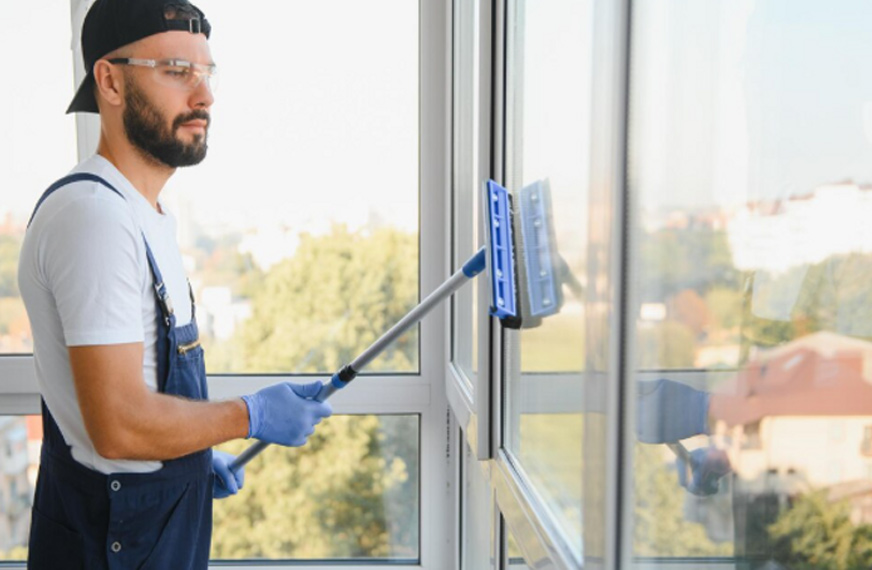
Clean windows can make an immediate difference in the appearance and atmosphere of any property. Clear glass allows more natural light to enter rooms, helps spaces feel brighter, and creates a cleaner overall impression. However, windows are constantly exposed to dust, fingerprints, pollen, rain residue, grease, insects, and other contaminants that can gradually reduce their clarity. Regular window cleaning helps control this buildup while also giving homeowners an opportunity to inspect frames, sills, screens, and tracks for dirt or potential maintenance concerns. A proper cleaning routine does not have to be complicated, but it should involve suitable tools, appropriate cleaning products, careful preparation, and a consistent technique. When these steps are followed, maintaining clear glass becomes easier and the finished results can last longer.
Why Clean Windows Regularly
Windows serve both practical and visual purposes, so keeping them clean can improve the overall condition of a property. Dust and residue can make glass look dull, while fingerprints and smudges can become particularly noticeable when sunlight passes through the surface. Exterior windows are exposed to weather and environmental debris, whereas interior glass can collect household dust, cooking residue, pet marks, and fingerprints. If these contaminants are allowed to accumulate for long periods, they may become harder to remove and can create a neglected appearance. Window cleaning performed at regular intervals helps prevent heavy buildup and makes each cleaning session more manageable. It also provides an opportunity to identify damaged seals, cracked glass, blocked drainage areas, or other concerns before they become more serious.
Understanding Different Types of Glass Dirt
Before cleaning a window, it is helpful to understand what is actually covering the surface. Loose dust and pollen can usually be removed with minimal effort, while grease and fingerprints may require a suitable cleaning solution. Hard-water deposits are more challenging because minerals can remain behind after water evaporates, creating cloudy or white spots. Tree sap, bird droppings, and other organic substances may also become stubborn if they remain on the glass for an extended period. Window cleaning becomes more effective when the method is chosen according to the type of residue present. Using excessive force or unsuitable products can sometimes create additional problems, so identifying the contamination first can help determine the safest and most efficient approach.
Selecting the Right Cleaning Tools
Having the appropriate equipment can make a major difference in the quality of the finished result. A good squeegee, clean microfiber cloths, a soft brush, a bucket, and a suitable glass-cleaning solution are useful for many standard cleaning tasks. Microfiber cloths can help remove moisture and residue without leaving excessive lint behind, while a squeegee can remove cleaning solution efficiently from larger glass surfaces. Soft brushes are useful for removing loose dirt from frames, tracks, and corners before wet cleaning begins. Tools should also be kept clean because dirty cloths and worn squeegee blades can leave streaks or redistribute grime. For windows that are difficult to reach, extension equipment may be helpful, but safety should always be considered before attempting elevated cleaning.
Preparing Windows Before Cleaning
Preparation is one of the most important steps in achieving a clear finish. Loose dirt should be removed before water or cleaning solution is applied because dry particles can mix with liquid and create a muddy residue. A soft brush, vacuum, or dry microfiber cloth can help remove dust from the glass, frame, sill, and surrounding areas. Exterior windows with heavy debris may benefit from an initial rinse that loosens dirt before detailed cleaning begins. Window cleaning becomes much easier when the surface is prepared properly because fewer particles remain available to spread across the glass. Taking a few minutes to prepare the area can also reduce unnecessary scrubbing and help protect the surface from scratches caused by trapped grit.
Choosing an Appropriate Cleaning Solution
The cleaning product should match both the type of residue and the material being cleaned. A mild glass cleaner can often handle fingerprints, dust, and everyday marks, while specialized products may be necessary for grease or mineral deposits. More cleaning solution does not automatically mean better results because excessive product can leave a film that creates streaks or cloudiness. Product instructions should always be followed, especially when using stronger chemical cleaners. Care is also needed around painted frames, wooden surfaces, stone, and other materials that may react differently to certain solutions. When trying an unfamiliar product, testing it on a small and less visible area can help identify potential problems before the product is used across the entire surface.
Using a Squeegee for Better Results
A squeegee is one of the most useful tools for removing water and cleaning solution from glass. Its rubber blade should be kept clean and in good condition because damaged or dirty blades can leave lines behind. The glass can be divided into manageable sections so that the solution does not dry before it is removed. Consistent strokes help control the direction of water and reduce the amount of residue left behind. The blade should be wiped periodically, particularly when cleaning heavily soiled surfaces. Window cleaning becomes more efficient when the squeegee is used systematically rather than repeatedly wiping the same area with a wet cloth. A final wipe around the edges can remove small amounts of moisture that remain after the main squeegee work is complete.
Preventing Streaks and Smears
Streaks can develop when cleaning products dry too quickly, when too much solution is used, or when dirty equipment is moved repeatedly across the glass. Direct sunlight and very warm surfaces can cause cleaning solutions to evaporate before they can be properly removed. Working on shaded sections or during cooler periods can provide more time to clean the surface evenly. Clean microfiber cloths should be used for edges and finishing touches, while the squeegee blade should be wiped regularly. Window cleaning should focus on removing residue rather than simply spreading moisture around the surface. After finishing, checking the glass from different angles can help identify streaks that may not be visible under ordinary lighting.
Removing Hard-Water Spots
Mineral deposits caused by repeated water evaporation can be among the most difficult marks to remove from glass. These spots often appear as white, cloudy, or hazy patches and may become more stubborn when they remain untreated for long periods. Ordinary glass cleaner may not be strong enough to dissolve certain mineral deposits, so a product specifically designed for this purpose may be necessary. Such products should be used carefully and according to their instructions. Abrasive pads or sharp tools should not be used unless they are specifically confirmed to be safe for the glass. Window cleaning for heavily spotted surfaces may require additional time and a specialized process. Addressing mineral deposits early can help prevent them from becoming increasingly difficult to manage.
Cleaning Frames and Sills
Clean glass can still look unfinished if the surrounding frames and sills are covered with dust or debris. These areas can collect insects, pollen, leaves, moisture, and dirt, especially around exterior windows. A soft brush or vacuum can remove loose debris before the surfaces are wiped with a suitable cloth. Different frame materials may require different cleaning products, so the surface should be considered before applying any solution. Excess moisture should also be avoided in areas where water could remain trapped. Window cleaning is most effective as a complete maintenance process that includes the surrounding components rather than focusing exclusively on the glass. Keeping frames and sills clean can also reduce the amount of dirt that eventually reaches the glass.
Maintaining Window Tracks
Tracks are often overlooked because they are located below or beside the main glass surface, but they can accumulate considerable amounts of debris. Dust, insects, leaves, hair, and other particles can collect in narrow spaces and may eventually interfere with normal window movement. A vacuum or soft brush can help remove loose debris before the area is wiped. Drainage openings should also remain clear so that water can escape rather than becoming trapped within the frame. Window cleaning provides a useful opportunity to inspect these areas and remove accumulated material. Regular track maintenance can make windows easier to operate and can help reduce the amount of dirt that is transferred to nearby surfaces.
Cleaning Interior Glass
Interior windows are exposed to different contaminants than exterior glass. Fingerprints, cooking oils, smoke residue, dust, condensation, and pet marks are common sources of indoor buildup. Kitchen windows may require additional attention because airborne grease can settle on nearby glass and create a thin film. High-touch areas can also become marked more frequently and may need cleaning between scheduled maintenance sessions. Window cleaning inside a property can be easier when performed away from strong direct sunlight because the solution has more time to remain workable before drying. Using clean cloths and controlled movements can help prevent residue from simply being moved from one part of the glass to another.
Caring for Exterior Glass
Exterior windows generally face greater exposure to environmental conditions. Rain, wind, pollen, dust, insects, tree sap, and bird activity can all contribute to surface buildup. Before applying a cleaning solution, loose debris should be removed to reduce the chance of dragging abrasive particles across the glass. Screens and frames should also be checked because accumulated dirt in these areas can transfer back onto the glass after cleaning. Window cleaning performed as part of regular exterior maintenance can help prevent contaminants from becoming deeply established. Weather conditions should also be considered because wind can introduce fresh dust, while rain can interfere with the cleaning process and leave additional water spots.
Cleaning Window Screens
Screens can become coated with dust and pollen over time, reducing their appearance and potentially limiting airflow. When practical, screens can be removed and cleaned separately using a soft brush, vacuum, or suitable washing method. Aggressive scrubbing should be avoided because some screens can be damaged relatively easily. Once clean and dry, screens can be returned to their original position. Cleaning screens at the same time as the glass can create a more complete result because otherwise loose debris may quickly move back toward the newly cleaned surface. Regular screen maintenance is especially useful during periods when pollen and airborne dust levels are high.
Choosing the Right Time to Clean
The timing of a cleaning session can influence the final result. Extremely hot glass can cause cleaning solutions to evaporate rapidly, leaving streaks or residue before the surface has been properly wiped. Strong sunlight can also make it difficult to see remaining marks during the process. Working during cooler conditions or on shaded sections can provide more time for controlled cleaning. Windy weather may also be unsuitable for exterior work because dust can settle onto the glass immediately after it has been cleaned. Window cleaning is generally easier when environmental conditions allow the cleaning solution to remain wet long enough to loosen and remove contaminants properly.
Safety Considerations
Safety should always be considered before starting any window maintenance task. Ground-level windows are usually straightforward, but elevated or difficult-to-reach windows can require specialized equipment. Standing on unstable furniture or makeshift platforms creates unnecessary risks and should be avoided. Extension tools may allow some higher surfaces to be reached safely from the ground, while professional equipment may be required for larger or more challenging areas. Slippery floors, balconies, electrical lines, uneven surfaces, and other hazards should also be identified before work begins. If a window cannot be reached safely with suitable equipment, hiring a trained professional may be a more appropriate option than attempting the task without proper preparation.
Creating a Regular Maintenance Schedule
A consistent maintenance schedule can prevent dirt from becoming heavily established. The ideal frequency depends on factors such as weather exposure, surrounding vegetation, indoor activity, dust levels, and the condition of the property. Frequently used rooms may need more attention than areas with little activity, while exposed exterior glass may require cleaning more often than protected surfaces. Window cleaning can be combined with seasonal maintenance tasks so that glass, frames, screens, and tracks are inspected together. Regular cleaning generally requires less effort than removing months of accumulated residue. Establishing a simple schedule can therefore make maintenance more predictable and help keep windows looking clean throughout the year.
When Professional Help Is Useful
Some window surfaces are difficult to maintain without specialized tools or experience. Large glass panels, high windows, unusual architectural features, and surfaces with severe mineral buildup may require professional attention. Trained cleaners may have access to specialized squeegees, extension systems, water-fed equipment, and other tools designed for difficult surfaces. They may also have established safety procedures for elevated work. Window cleaning performed by a professional can be useful when property owners do not have the necessary equipment or when the task cannot be completed safely from the ground. Before choosing a service, it is useful to ask about their equipment, safety procedures, included areas, and approach to delicate or difficult glass.
Final Thoughts
Maintaining clear glass requires more than simply spraying a product and wiping it away. Proper preparation, clean tools, suitable solutions, controlled squeegee movements, and attention to frames and tracks all contribute to better results. Hard-water deposits and stubborn contaminants may require specialized treatment, while elevated windows should always be approached with appropriate safety equipment. A regular maintenance schedule can prevent excessive buildup and reduce the amount of work required during each cleaning session. By treating window care as part of a broader property-maintenance routine, homeowners can keep glass clearer, frames cleaner, and indoor spaces brighter. Consistent care not only improves appearance but also helps identify potential maintenance issues before they become more difficult or expensive to address.

