


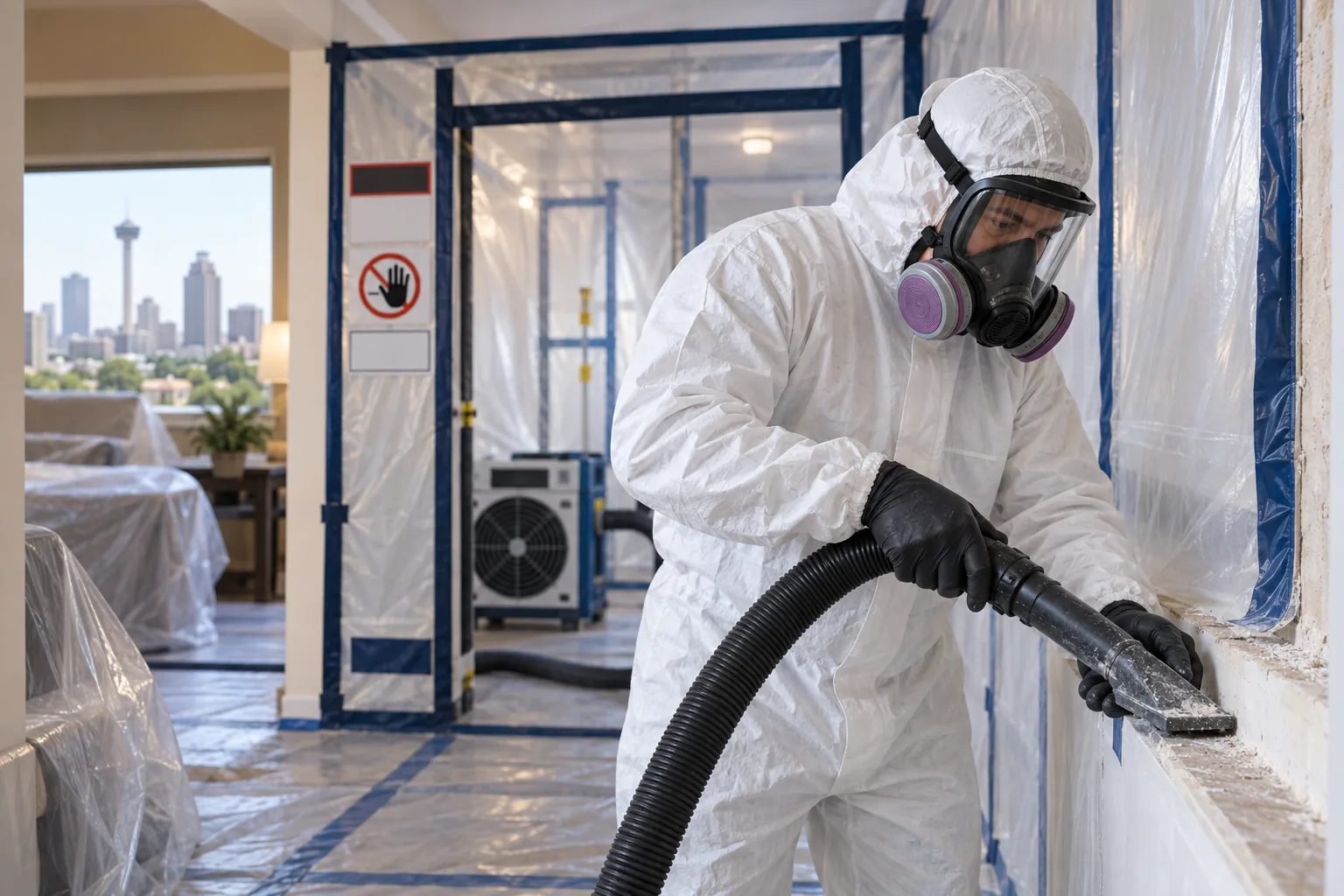
An asbestos inspection can determine whether an NYC renovation proceeds to permitting or pauses for testing, reporting, and possible abatement.
Planning the survey early protects the schedule. Waiting until demolition is ready to begin can create delays when suspect materials are found in the work area.
Where Does an Asbestos Inspection Fit Into the Timeline?
Before renovation work begins, property owners should understand how to identify asbestos ceiling tiles and other materials that may require professional assessment. The inspection should follow a defined scope showing which materials the project may disturb.
1. Before Permit Submission
NYC renovation planning should address asbestos before work that may disturb building materials. Early scheduling supports a smoother permit process.
The investigator needs an accurate project scope. Missing walls, ceilings, floors, or mechanical areas may require added inspection later.
2. After the Work Scope Is Defined
The survey must reflect the actual demolition and renovation plan. Scope accuracy helps the investigator identify relevant materials.
Architects and contractors should provide drawings or a detailed description. A vague scope can leave parts of the project unassessed.
3. During the Site Inspection
The investigator reviews materials in areas affected by the planned work. Site access should be arranged before the appointment.
Locked rooms, occupied spaces, concealed surfaces, or inaccessible equipment areas may slow the survey or require a return visit.
4. When Samples Are Collected
Suspect materials may need laboratory analysis before their status can be confirmed. Sample testing adds a necessary step to the schedule.
The number and location of samples depend on the materials and work scope. Results should guide the next compliance step.
5. When the Assessment Is Prepared
Findings are documented after inspection and testing. Clear reporting identifies whether regulated materials may be disturbed.
If the project is not an asbestos project under NYC rules, an ACP-5 assessment may support the related DOB permit process.
6. If Asbestos Is Identified
The schedule may expand to include abatement planning, required filings, contractor coordination, and clearance steps. Positive findings change sequencing.
Demolition affecting the identified material should not begin first. The asbestos work must follow applicable city, state, and federal requirements.
7. Before Construction Mobilization
The final renovation calendar should reflect inspection results and required approvals. Realistic mobilization prevents crews from arriving too early.
Ordering dumpsters, deliveries, and demolition labor before clearance can create idle time and added project costs.
Which Factors Can Extend the Project Schedule?
Inspection length is only one part of the process. The largest delays often come from incomplete scopes, access problems, positive results, and late coordination.
| Project stage | Possible schedule effect | Planning response |
| Scope review | Missing work areas require clarification | Finalize demolition plans first |
| Site inspection | Limited access may require another visit | Arrange keys and permissions |
| Sampling | Laboratory analysis takes additional time | Book testing before permit deadlines |
| Assessment filing | Incorrect details may need correction | Match forms to the project scope |
| Positive finding | Abatement becomes part of the plan | Revise sequencing and budget |
| Required notification | Work cannot begin immediately | Add the notice period to the calendar |
| Clearance and closeout | Renovation waits for required completion steps | Coordinate all project teams early |
- Changes to the demolition scope
- Restricted access to affected rooms
- Concealed or newly exposed materials
- Additional laboratory sampling
- Incomplete property documentation
- Asbestos abatement requirements
- Agency filing or review periods
- Coordination between separate contractors
How Can Inspection Results Change Renovation Sequencing?
The survey can confirm that planned work may continue through the next permitting step or identify asbestos that must be addressed before disturbance.
1. An ACP-5 May Support Permit Progress
When the assessed scope is not an asbestos project, the investigator may prepare an ACP-5. Proper documentation supports DOB verification.
The assessment must match the renovation scope. A later design change may require the asbestos review to be updated before new work begins.
2. Positive Results May Require Abatement
Asbestos-containing material within the work area can change the project sequence. Abatement planning comes before affected demolition.
The owner may need a qualified abatement contractor, required filings, site controls, monitoring, and closeout documentation.
3. Notification Periods Affect Start Dates
NYC rules may require advance notification before regulated asbestos work starts. Mandatory lead time belongs in the construction calendar.
The specific filing path depends on the project classification and amount of material disturbed. The project team should confirm it early.
4. Design Changes Can Trigger New Review
Moving a wall or expanding a ceiling opening can disturb materials outside the original survey. Scope changes may require reassessment.
Architects should notify the investigator before revised drawings move forward. Early review is faster than stopping work after demolition starts.
5. Hidden Materials Can Interrupt Work
Layers beneath flooring, walls, or ceilings may not be visible during initial planning. Concealed materials can alter the schedule.
If new suspect material appears, work in that area should pause until it is properly assessed under applicable requirements.
6. Occupied Buildings Need More Coordination
Residential and commercial occupants can affect access, containment, and working hours. Occupied-site planning may require phased work.
Owners should coordinate notices, access, temporary closures, and contractor movement before inspection and any required abatement.
7. Professional Inspections Guide Next Steps
Detailed asbestos inspections can identify affected materials and support a compliant response.
The report gives the design and construction teams a clearer basis for permitting, budgeting, sequencing, and contractor scheduling.
How Can Owners Reduce Avoidable Delays?
Asbestos compliance should be built into pre construction rather than treated as a final permit task. A coordinated plan keeps decisions moving between teams.
- Finalize the renovation scope early
- Hire a DEP-certified asbestos investigator
- Share drawings before the site visit
- Provide access to every affected area
- Schedule laboratory testing before permit deadlines
- Keep inspection and filing records organized
- Add notification time to the project calendar
- Update the assessment after material scope changes
Conclusion
Asbestos inspections can add site review, sampling, reporting, filings, notification, and possible abatement to an NYC renovation timeline. Their impact is smaller when the survey begins after the work scope is defined but before permits and demolition. Early coordination among the owner, investigator, designer, and contractors helps prevent permit delays, idle crews, and unsafe material disturbance.

