


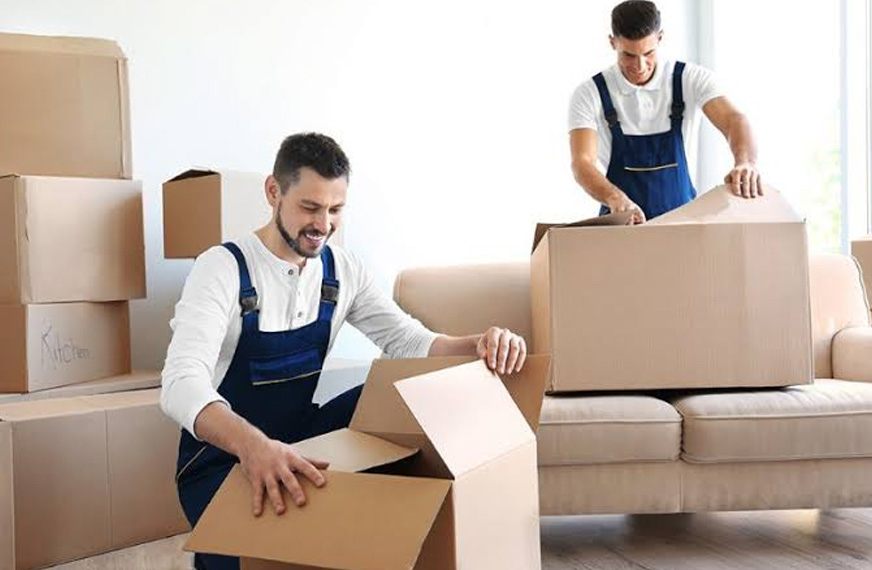
Relocating a home or business is a major project that requires careful coordination, physical effort, and attention to countless details. What may initially seem like a simple process of packing belongings and transporting them to another property can quickly become complicated when furniture, appliances, fragile possessions, electronics, documents, and personal items all need to be handled at the same time. Without an organized approach, customers may find themselves dealing with damaged belongings, misplaced boxes, unexpected delays, and unnecessary physical exhaustion. Professional Movers can help simplify these challenges by providing practical support throughout different stages of relocation, from preparing and packing possessions to loading, transporting, unloading, and arranging items at the destination. A professional moving team can also adapt its approach according to the size and nature of the project, whether the customer is relocating a household, transferring an office, moving specialty items, or arranging transportation for larger possessions. With proper planning and professional assistance, customers can approach relocation with a clearer process and fewer unnecessary complications.
Creating a Practical Moving Plan
A well-organized relocation begins long before the first box is loaded into a moving vehicle. Creating a detailed plan gives customers an opportunity to determine exactly what needs to be moved, what requires special protection, and which services may be necessary. Furniture, appliances, electronics, fragile decorations, clothing, kitchen items, documents, and other possessions can all require different preparation methods. Taking an inventory of belongings can make the process easier because customers can identify which items belong together, which possessions need additional protection, and which items should remain easily accessible during the transition. Planning also provides an opportunity to identify large or unusually shaped furniture that may need to be disassembled before transportation. When these details are considered in advance, the moving team can prepare appropriate equipment and organize the work more efficiently instead of discovering important challenges after moving day has already started.
A moving plan should also consider the order in which tasks need to be completed. Packing does not necessarily have to happen all at once, and customers can often begin with belongings that are not used regularly before moving toward essential household or business items. Labeling boxes according to their destination rooms can make unloading and unpacking considerably easier because movers can place each box in an appropriate area rather than leaving everything in one central location. Customers should also identify fragile belongings, oversized furniture, and specialty items before the move so that these possessions receive the attention they require. Good planning is ultimately about creating a clear sequence of tasks that allows the relocation to progress naturally from preparation through transportation and final setup.
Making Packing More Efficient
Packing is one of the most demanding parts of relocation because it requires time, organization, and suitable materials. Simply placing possessions into boxes without considering weight, fragility, or organization can make the later stages of the move more difficult. Heavy objects should be packed appropriately so that boxes remain manageable, while delicate belongings need cushioning and protection against movement. Items that belong together should generally be grouped logically so that customers can locate what they need after arriving at the new property. Clear labeling can also prevent confusion when dozens or even hundreds of boxes need to be unloaded.
Professional packing assistance can be especially valuable when customers have limited time or large quantities of belongings to prepare. Experienced moving professionals can apply organized packing methods to different types of possessions while paying attention to fragile and valuable items. Customers may choose to handle everyday belongings themselves while requesting professional assistance for delicate, unusually shaped, or difficult-to-pack possessions. This flexible approach can help customers control the overall moving process while still receiving specialized support where it provides the greatest benefit. Proper packing is not only about protecting possessions during transportation; it also creates a more organized foundation for the unloading and unpacking stages that follow.
Protecting Furniture During a Move
Furniture can present some of the most significant physical challenges during relocation because large pieces are often heavy, awkwardly shaped, and difficult to maneuver through narrow spaces. Sofas, beds, cabinets, desks, dining tables, wardrobes, shelving units, and other furniture may need to pass through doorways, hallways, staircases, and other confined areas before reaching the moving vehicle. Some pieces may need to be disassembled to make transportation safer and more efficient. Protective materials can also be used to reduce the risk of scratches, dents, scuffs, or other damage while furniture is being carried and loaded.Professional moving teams are accustomed to handling large furnishings and can organize the process around the characteristics of each piece. Disassembly can make certain furniture easier to carry, while proper wrapping and positioning can provide additional protection during transportation. At the destination, furniture can be reassembled and positioned according to the customer’s requirements. This type of assistance can save customers considerable time and physical effort while also making it easier to maintain an organized workflow throughout the relocation.
Handling Fragile and Valuable Possessions
Some belongings require much greater care than ordinary household items. Glassware, artwork, mirrors, antiques, electronics, delicate decorations, specialty equipment, and other sensitive possessions can be vulnerable to impact, vibration, pressure, or improper packing. Customers should identify these belongings before moving day so they can be included in the moving plan and protected appropriately. Using the right packing materials and providing adequate cushioning can help reduce unnecessary movement inside containers during transportation.For particularly delicate or valuable items, custom crating may provide an additional level of protection. A properly designed crate can accommodate the dimensions and shape of an individual item while providing greater structural support than a standard cardboard box. This can be useful for possessions that are unusually shaped, difficult to package, or especially sensitive to handling. Professional preparation of specialty items can give customers greater confidence that important possessions are being treated according to their individual requirements rather than being handled exactly like ordinary boxes.
Supporting Residential Relocations
Residential relocation can involve significantly different levels of complexity depending on the size of the household and the amount of property being transported. A smaller move may involve a limited number of boxes and furniture pieces, while a larger household can require extensive packing, multiple rooms of furniture, appliances, electronics, and personal belongings. Professional residential moving services can be adjusted to accommodate these differences, allowing customers to choose the type of assistance that best matches their circumstances.Some customers may prefer to complete most of the packing independently and only need help with heavy lifting, transportation, and unloading. Others may want comprehensive assistance from the beginning of the process through final unpacking. Professional support can reduce the amount of physical work required from homeowners and provide a structured process for handling belongings. This can be particularly helpful when customers are managing other responsibilities at the same time, such as preparing a property for sale, arranging utilities, cleaning, or coordinating schedules with family members.
Managing Commercial Relocations
Moving a business involves additional considerations because the relocation can affect employees, customers, equipment, documents, and everyday operations. Office furniture, computers, files, cubicles, storage systems, and other business assets need to be transported efficiently while minimizing unnecessary interruption. A poorly organized office move can result in misplaced equipment, inaccessible documents, and delays that make it difficult for employees to resume normal activities.Professional commercial moving services can help businesses organize the physical side of relocation by coordinating packing, furniture disassembly, loading, transportation, unloading, and reassembly. Office items can be organized according to departments, rooms, or planned layouts so that the destination can be set up systematically. Sensitive equipment and important documents can also be identified in advance for appropriate handling. A structured commercial relocation allows business owners and employees to focus on operational responsibilities while professional movers handle many of the physical tasks associated with the transition.
Preparing for Long-Distance Transportation
Long-distance relocation introduces additional logistical considerations because possessions may remain in transportation for a longer period and travel through different conditions before reaching the destination. Proper packing becomes especially important because boxes and furniture need to remain secure throughout the journey. Fragile belongings require sufficient cushioning, while furniture should be protected and positioned carefully to reduce unnecessary movement.Customers should also coordinate their moving schedule with the availability of the destination property. Knowing when the property will be ready can help determine the appropriate timing for transportation and unloading. A professional moving service can help coordinate these stages and provide a more structured process for customers who are relocating over a significant distance. Proper communication about the number of belongings, specialty items, furniture, and preferred timing can help the moving team prepare for the project and reduce avoidable complications.
Moving Oversized and Specialized Items
Some possessions cannot be handled effectively using ordinary residential moving methods. Oversized furniture, commercial equipment, heavy appliances, specialty materials, and freight items may require additional equipment, preparation, and planning. Attempting to move such possessions without suitable resources can create unnecessary risks and may also cause damage to the item or surrounding property.Specialized moving services can provide a practical solution for customers who need assistance with difficult or unusually large items. Before the move, customers should provide accurate information about the item’s dimensions, weight, shape, access requirements, and destination. This allows the moving team to determine how the item should be prepared and transported. Proper planning is especially important when an item needs to pass through narrow doorways, stairways, elevators, or other restricted areas. Handling these challenges in advance can make the actual moving process significantly more efficient.
Improving the Loading Process
Loading a moving vehicle requires more planning than simply placing boxes wherever space is available. Heavy furniture and boxes need to be positioned carefully, while fragile belongings should receive appropriate protection from pressure and movement. The available space should be used efficiently without compromising the security of the possessions. An organized loading process can also make unloading easier because items can be removed in a logical order.
Professional movers can organize belongings according to weight, size, destination, and handling requirements. Furniture may be positioned strategically while smaller boxes are secured around larger items. Fragile possessions can be placed where they are less likely to experience excessive pressure. By approaching loading as a planned process rather than a rushed final task, the moving team can improve efficiency and create better conditions for transportation.
Reducing Physical Work and Moving Stress
Relocation often requires hours of lifting, carrying, pushing, pulling, bending, and navigating through confined spaces. Heavy furniture and large boxes can be particularly demanding, and repeated physical effort can quickly leave customers exhausted. Trying to handle every part of the move without assistance may also make it difficult for customers to focus on other responsibilities that need attention during the transition.Hiring professional movers can significantly reduce the amount of physical work customers need to perform themselves. Professional teams can manage many of the demanding tasks associated with lifting, carrying, loading, unloading, and furniture handling. This allows customers to spend more time coordinating important details, preparing the destination, managing paperwork, or supervising other aspects of the relocation. Reducing the physical workload can make moving day more manageable while providing customers with additional time and energy to focus on settling into their new environment.
Organizing the Destination Before Arrival
Preparing the destination property before the moving vehicle arrives can make unloading much more efficient. Customers should consider where major furniture pieces will be placed and ensure that pathways are reasonably clear. If rooms are already assigned for particular belongings, boxes can be directed to their appropriate destinations instead of being placed randomly throughout the property.Having a basic floor plan or furniture arrangement can also help with large items. Movers can position sofas, beds, tables, desks, and cabinets according to the customer’s instructions, reducing the need for repeated movement after unloading. This approach can also make unpacking easier because customers can begin organizing each room immediately rather than first having to sort through a large collection of boxes and furniture.
Making Unpacking More Organized
Unpacking becomes much easier when packing and labeling are handled systematically. Boxes marked with room names or general contents can be directed to the appropriate areas, while essential items can be kept separate so they are immediately available. Customers should consider which belongings they will need first and pack them accordingly. Important documents, chargers, basic kitchen supplies, clothing, personal items, and other necessities may deserve priority during the unpacking process.Professional unpacking assistance can further reduce the amount of work customers need to complete after transportation. Depending on the selected services, movers may assist with removing items from boxes and helping customers organize their new space. Even when customers prefer to unpack independently, having boxes properly labeled and furniture already positioned can make the process much more manageable.
Choosing Services According to Individual Needs
No two relocations are exactly alike, which is why customers should evaluate the services they actually require before finalizing their moving plan. A small household may only need transportation and heavy lifting, while a larger relocation may benefit from packing, unpacking, furniture disassembly, storage, specialty handling, and long-distance transportation. Businesses may have additional requirements involving office furniture, documents, equipment, and workplace organization.
Choosing services based on the actual circumstances of the move can help customers use their time and budget more effectively. It also gives the moving team a clearer understanding of what needs to be completed. Customers should discuss fragile possessions, oversized items, access limitations, packing preferences, and scheduling requirements before moving day. Clear expectations help ensure that the service plan reflects the actual scope of the relocation.
The Importance of Clear Communication
Communication is an important part of every successful relocation because even a well-designed moving plan can be affected by missing information. Customers should communicate the approximate volume of belongings, the presence of heavy furniture, specialty possessions, fragile items, and any unusual access conditions. If there are stairs, narrow entrances, elevators, restricted parking areas, or other circumstances that may affect the physical work, these details should be discussed in advance.Clear communication also helps customers understand which services are included and how the moving process will be organized. A professional moving company can use the information provided by the customer to prepare the appropriate personnel, equipment, packing materials, and transportation resources. This preparation can reduce surprises and make it easier for everyone involved to follow the same plan on moving day.
Building a Smoother Relocation Experience
A successful move depends on many individual tasks working together in the correct order. Packing needs to support loading, loading needs to support transportation, transportation needs to be coordinated with unloading, and unloading should be organized around the final arrangement of the new property. When one stage is poorly planned, it can create difficulties for the stages that follow. A professional approach helps connect these tasks into a single coordinated process.Experienced moving professionals can provide valuable assistance by handling demanding physical work while applying established procedures for packing, furniture handling, transportation, and unloading. Customers can still remain involved in important decisions while relying on professionals for tasks that require additional labor or experience. This combination of customer direction and professional execution can create a more manageable relocation process from beginning to end.
Conclusion
Relocation becomes considerably easier when the process is approached as a series of organized stages rather than one large and stressful task. Careful planning, appropriate packing, furniture protection, specialty handling, efficient loading, reliable transportation, and organized unloading all contribute to a smoother transition. Professional movers can provide practical assistance across these stages, helping residential and commercial customers manage the physical and logistical demands of relocation while reducing unnecessary effort. By identifying special requirements early, communicating clearly with the moving team, organizing belongings carefully, and selecting services that match the size and complexity of the project, customers can create a more efficient moving experience. Professional support can make it easier to protect possessions, manage heavy furniture, handle specialized items, and begin organizing the destination property without taking on every demanding responsibility alone.

