


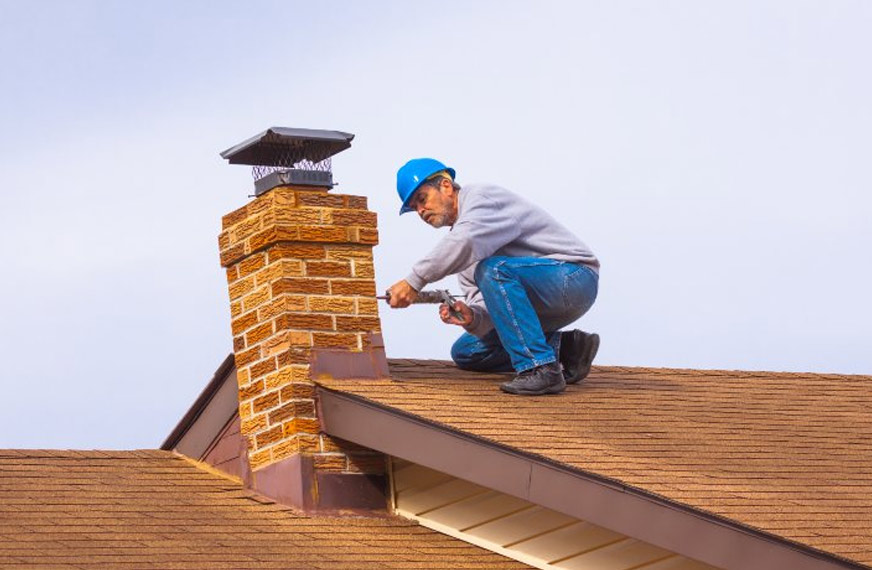
Understanding the Importance of Chimney Masonry
A chimney is constantly exposed to outdoor conditions, including rain, wind, temperature changes, moisture, and seasonal weather patterns. Although bricks are generally durable, the mortar between them can gradually deteriorate as the structure ages. Cracked, loose, missing, or crumbling mortar joints can allow moisture to penetrate the masonry and may eventually affect the stability and appearance of the chimney. Regular inspection is therefore an important part of long-term property maintenance. Chimney repointing is a masonry repair technique used to remove deteriorated mortar from existing joints and replace it with suitable new material. When completed properly, this process can help restore damaged joints, reduce moisture pathways, improve the appearance of masonry, and support the long-term condition of the chimney without requiring complete reconstruction.
What Causes Mortar to Deteriorate?
Mortar can deteriorate for many different reasons, and the process often happens gradually rather than all at once. Constant exposure to rain and moisture can weaken joints over time, while repeated temperature changes can cause masonry materials to expand and contract. In colder conditions, moisture that enters cracks or porous materials may freeze and expand, placing additional stress on the surrounding masonry. Natural aging can also cause mortar to become brittle, loose, or powdery. Poor previous repairs may contribute to deterioration when incompatible materials have been used. Understanding the cause of the damage is important because simply replacing visible mortar may not solve the underlying problem if water continues entering the structure through another damaged component.
Recognizing Signs of Damaged Mortar
Homeowners can often identify early signs of masonry deterioration through regular visual inspections. Mortar joints may appear cracked, recessed, crumbly, or visibly separated from surrounding bricks. In more advanced cases, pieces of mortar may fall away when touched, while some joints may have large gaps or sections that are completely missing. Discoloration, staining, or white deposits on the masonry can also indicate moisture-related concerns. Bricks themselves may show cracking, surface flaking, or other forms of deterioration when water has been entering the structure for an extended period. Not every crack indicates a serious structural issue, but widespread or progressing damage deserves professional attention. Early identification allows homeowners to evaluate the condition before deterioration spreads to larger sections of the chimney.
Why Mortar Joints Matter
Mortar joints are an essential part of a masonry structure because they connect individual bricks and contribute to the overall stability and weather resistance of the wall. Properly maintained joints can help limit pathways for water to enter the structure while allowing the masonry system to function as intended. When joints deteriorate, moisture can reach deeper portions of the chimney and potentially affect both mortar and brick. In addition to protecting against water penetration, well-maintained joints contribute to the visual appearance of the masonry. A chimney with severely recessed or missing mortar can appear neglected even when many of its bricks remain in reasonable condition. Maintaining the joints can therefore support both functional performance and the overall appearance of the structure.
How Chimney Repointing Works
The repointing process generally begins with an inspection of the existing masonry to determine which joints have deteriorated and whether related problems are present. Damaged mortar is carefully removed from selected joints while the surrounding bricks are protected from unnecessary damage. The exposed joints are cleaned to remove loose particles, dust, and debris before new mortar is installed. Suitable replacement material is then pressed into the prepared joints and finished to create an appropriate profile. The new mortar needs time and suitable environmental conditions to cure properly. The process requires attention to detail because the replacement material should be compatible with the existing masonry. A carefully performed repair can restore weakened joints while preserving as much of the original brickwork as possible.
Choosing a Compatible Mortar
Selecting the right mortar is one of the most important aspects of masonry repair. Different buildings may contain different types of brick and mortar depending on when and how they were constructed. Older bricks may be relatively soft and can require a mortar that is more flexible and breathable than some modern cement-heavy mixtures. If an excessively hard mortar is installed beside softer bricks, differences in movement and moisture behavior may place additional stress on the brickwork. The correct mortar should therefore be selected based on the existing masonry rather than simply choosing the strongest available product. A qualified masonry professional can examine the existing joints and recommend an appropriate mixture. Compatibility is essential for creating a repair that works with the original structure instead of creating additional problems.
Inspecting the Chimney Before Repair
A detailed inspection should be completed before significant masonry work begins. The condition of the bricks, mortar joints, chimney crown, cap, flashing, and other visible components should be considered. It is important to determine whether deteriorated mortar is the main problem or whether another defect is allowing water to enter the chimney. For example, damaged flashing can allow water into areas near the base of the chimney, while cracks in the crown can expose upper masonry to moisture. If these issues are ignored, newly repaired mortar may deteriorate again. A complete inspection helps establish the actual scope of the work and can prevent homeowners from investing in a repair that does not address the underlying cause of the damage.
Understanding the Effects of Water
Water is one of the major threats to exterior masonry because it can enter through damaged joints, cracks, porous materials, defective flashing, and deteriorated chimney crowns. Once moisture penetrates the structure, repeated temperature changes can contribute to expansion, contraction, and deterioration. In colder conditions, trapped water can freeze and expand, placing additional stress on the surrounding materials. Signs of moisture problems can include staining, crumbling mortar, damaged bricks, efflorescence, and damp areas around the chimney. Chimney repointing can restore deteriorated mortar, but the source of water entry should also be identified and corrected where possible. Otherwise, the repaired joints may face the same conditions that caused the original deterioration.
Protecting Existing Bricks
Careful treatment of existing bricks is essential during masonry repair. Removing mortar too aggressively can chip brick edges, damage surfaces, or weaken already weathered materials. This is particularly important when working with older masonry that may be softer or more fragile than modern brickwork. Suitable tools and methods should be selected according to the condition of the structure. Once deteriorated mortar has been removed, the joints should be cleaned carefully before replacement material is installed. Excess mortar should also be managed so that brick faces remain as clean as practical. Protecting sound bricks during the process helps preserve the original masonry and can reduce the need for unnecessary replacement.
Understanding the Difference Between Repointing and Rebuilding
Not every damaged chimney requires complete rebuilding. If the bricks remain generally sound and the primary issue is deteriorated mortar, repointing may provide an effective repair solution. However, extensive structural damage, severely displaced bricks, widespread cracking, or major deterioration may require more substantial masonry work. A professional inspection can help determine whether localized mortar repair is appropriate or whether other repairs are necessary. Homeowners should not assume that repointing will correct every type of chimney problem. The repair method should reflect the actual condition of the structure. Understanding the difference between maintenance and reconstruction can help homeowners plan appropriate work and avoid unnecessary repairs.
Examining the Chimney Crown
The chimney crown is located at the top of the masonry structure and plays an important role in directing water away from the chimney. Cracks, gaps, poor drainage, or deterioration in this area can allow moisture to reach the masonry below. Even if mortar joints are repaired properly, a defective crown can continue exposing the chimney to water. During a masonry inspection, the crown should therefore be checked for visible damage and signs of deterioration. Appropriate repairs or replacement may be necessary when the crown is no longer providing effective protection. Maintaining the upper portion of the chimney can help protect newly repaired mortar and reduce the likelihood of recurring moisture damage.
Checking the Chimney Cap
A chimney cap can help prevent rain, leaves, animals, and other debris from entering the flue. If the cap is damaged, loose, corroded, or missing, unwanted materials may enter the chimney and contribute to additional maintenance concerns. The cap should be inspected periodically to ensure that it remains properly positioned and in reasonable condition. Nearby branches should also be monitored when they could drop debris onto the chimney or interfere with its exterior components. Although the cap is separate from the mortar joints, its condition can influence the overall maintenance needs of the chimney. Keeping all exterior components in good condition creates a more complete approach to protecting the masonry.
Inspecting Flashing Around the Roof
Flashing forms an important connection between the chimney and the surrounding roof. If flashing becomes loose, damaged, corroded, or improperly sealed, water can enter around the base of the chimney. This may lead to interior moisture problems as well as deterioration of nearby masonry. Signs of flashing problems can include water staining, dampness, damaged roofing materials, or visible gaps around the chimney. Repointing alone will not correct a flashing defect, so both areas should be examined when moisture damage is suspected. Depending on the problem, a qualified roofing or masonry professional may need to address the flashing. Correcting water entry at the roofline can help protect the masonry repairs from premature deterioration.
Preparing for the Repair Process
Proper preparation can make masonry work safer and more efficient. The surrounding area should be cleared of unnecessary objects, decorations, furniture, and other items that could interfere with access. When work is performed at height, suitable access equipment and safety measures are essential. Protective coverings may be used to shield nearby surfaces from dust and falling debris. Homeowners should also provide information about previous repairs, known leaks, visible cracks, or other concerns. Good preparation allows professionals to focus on the masonry while reducing unnecessary disruption to the property. Because chimney work can involve elevated areas and loose materials, safety should remain a priority throughout the project.
The Importance of Proper Joint Preparation
The quality of a repointing project depends heavily on how the existing joints are prepared. Deteriorated mortar needs to be removed sufficiently to provide space for the replacement material, but sound brickwork should not be unnecessarily disturbed. Loose dust and debris should be cleared from the prepared joints before new mortar is applied. If old, weakened material remains in the joint, the replacement mortar may not bond or perform as intended. On the other hand, overly aggressive removal can damage surrounding bricks. Skilled workmanship balances these concerns by carefully preparing the joints according to their condition. Proper preparation creates a better foundation for the replacement mortar and supports a more durable finished repair.
Matching the Existing Masonry Appearance
A well-executed masonry repair should ideally complement the existing structure. Mortar color, texture, joint profile, and finishing technique can all influence the final appearance. Older chimneys may have distinctive masonry characteristics that make an exact visual match difficult. However, appearance should be considered alongside technical compatibility rather than treated as the only priority. The replacement mortar must be suitable for the existing brick and construction. Once the appropriate material has been selected, the finish can be adjusted to blend with the surrounding joints as closely as practical. Careful workmanship can help repaired sections appear consistent while maintaining appropriate performance.
Managing Weather During Repairs
Weather conditions can affect how masonry materials behave during installation and curing. Excessive heat may cause mortar to dry too quickly, while heavy rain can interfere with freshly installed material. Cold temperatures can also affect curing and the development of the mortar’s intended properties. Professionals may use protective coverings or adjust their work schedule to provide more suitable conditions. Homeowners should understand that delaying work briefly because of poor weather can sometimes be preferable to completing a repair under unsuitable conditions. Proper curing is an important part of the process, and freshly repaired joints should be protected as necessary until the material has developed adequate strength.
Avoiding Common DIY Mistakes
Masonry repair may appear straightforward when only a few damaged joints are visible, but chimney work can involve hidden problems and difficult access. Choosing an incompatible mortar, removing too much material, damaging brick edges, applying mortar incorrectly, or failing to identify water intrusion can reduce the effectiveness of the repair. Working on elevated sections also creates safety concerns that should not be underestimated. Chimney repointing requires an understanding of masonry materials, joint preparation, weather exposure, and the relationship between different chimney components. For extensive deterioration or difficult-to-access areas, professional assessment can help ensure that the repair addresses the actual condition of the structure rather than simply covering visible defects.
Benefits of Timely Masonry Repairs
Addressing deteriorated mortar at an appropriate stage can help protect surrounding masonry from continued exposure to moisture. Sound joints can reduce pathways through which water enters the structure and can support the overall stability of the brickwork. Timely repairs may also help preserve the appearance of the chimney and reduce the likelihood of more extensive masonry deterioration. However, the effectiveness of the repair depends on using suitable materials and addressing any underlying moisture problems. A repair should therefore be considered part of a larger maintenance strategy. Regular inspection can help homeowners identify deteriorating areas before they become widespread and determine when professional attention is appropriate.
Maintaining the Chimney After Repointing
Masonry maintenance should continue after repairs have been completed. Newly repaired joints should be allowed to cure according to the requirements of the mortar and prevailing conditions. Homeowners should periodically inspect the chimney for new cracks, loose mortar, damaged bricks, staining, or other signs of deterioration. The crown, cap, flashing, and surrounding roof area should also be checked because problems in these locations can contribute to renewed moisture exposure. Keeping drainage systems and nearby roof components in good condition can further support chimney maintenance. Regular observation does not replace professional inspection, but it can help homeowners notice changes and arrange appropriate assistance before damage becomes more extensive.
Protecting the Chimney Over the Long Term
Long-term chimney care involves more than completing one masonry repair. The structure remains exposed to weather and moisture throughout its service life, so new deterioration can eventually develop. Regular visual checks, professional assessments when needed, and prompt attention to water-related problems can help maintain the masonry. Homeowners should also monitor the condition of the chimney crown, cap, flashing, and surrounding roof. If new mortar deterioration appears repeatedly, the underlying cause should be investigated rather than repeatedly repairing the same area without addressing the source. A comprehensive maintenance approach helps protect the investment in masonry repairs and supports the continued condition of the structure.
Planning a Professional Masonry Inspection
A professional inspection can provide valuable information when the extent of chimney deterioration is uncertain. An experienced masonry professional can examine mortar joints, bricks, upper sections, moisture entry points, and related components. The inspection may help determine whether localized repairs are sufficient or whether additional work is needed. Homeowners should ask questions about the cause of the deterioration, the proposed repair method, the materials being recommended, and any related problems that should be addressed. Understanding the scope of the project makes it easier to plan maintenance and avoid unexpected issues. Professional evaluation is especially useful when deterioration is widespread, the chimney is difficult to access, or there are signs of structural movement.
Conclusion
Maintaining strong and durable chimney masonry requires regular attention to mortar joints, bricks, moisture protection, and related exterior components. Crumbling or missing mortar can allow water to enter the structure and contribute to further deterioration if it is left untreated. Chimney repointing provides a practical method for replacing damaged mortar while preserving sound brickwork and improving the condition of existing masonry. Successful results depend on proper inspection, compatible material selection, careful joint preparation, skilled application, suitable curing conditions, and attention to issues such as damaged flashing, chimney crowns, and caps. With regular maintenance and timely repairs, homeowners can help protect their chimney from moisture-related damage, preserve its appearance, and extend the useful life of the masonry for many years.

