


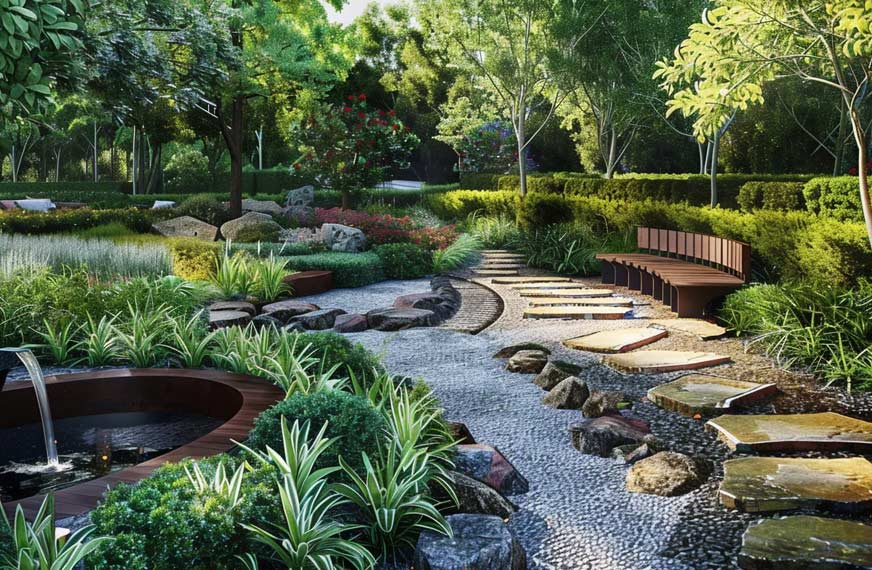
Understanding the Purpose of Outdoor Design
A well-designed outdoor space can transform the appearance and functionality of a property while creating a more enjoyable environment for everyday activities. Gardens, lawns, trees, pathways, patios, seating areas, and decorative features can all work together to create an attractive and practical setting. Good planning is important because every element should complement the others while fitting the available space and environmental conditions. A successful landscaping project is not simply about adding plants or decorative materials; it involves understanding how different features interact and how the space will be used over time. Property owners should consider sunlight, drainage, soil conditions, available space, maintenance requirements, and personal preferences before making major changes. Thoughtful planning can prevent costly mistakes and help create an outdoor area that remains attractive and useful for many years.
Planning Before Starting a Project
Careful planning is one of the most important steps in creating a successful outdoor environment. Before purchasing plants or materials, property owners should evaluate the existing space and identify what is working well and what needs improvement. Consider where sunlight falls during different parts of the day, how water moves through the property, and which areas receive frequent foot traffic. It is also useful to determine whether the space needs more privacy, additional seating, improved drainage, or better organization. A simple sketch can help visualize where different features might be placed. Planning also makes budgeting easier because property owners can prioritize essential improvements and decide which additions can be completed later. Taking time to develop a clear plan reduces unnecessary changes and helps ensure that every part of the outdoor area serves a useful purpose.
Choosing Plants Carefully
Plants are often among the most noticeable elements of an outdoor space, so choosing suitable varieties is essential. Different plants have different requirements for sunlight, water, soil, space, and temperature. Property owners should consider the mature size of each plant rather than selecting plants based only on their appearance when they are young. Plants that become too large for their available space may eventually require excessive pruning or interfere with pathways, structures, and other vegetation. A mixture of trees, shrubs, flowers, ornamental grasses, and ground covers can provide different textures, colors, and heights. Choosing plants with complementary growth patterns can also help create a balanced appearance. When plants are selected according to the conditions of the site, they are more likely to establish successfully and require less intervention over time.
Creating an Attractive Lawn
A healthy lawn can provide an open, versatile area for recreation, relaxation, and outdoor activities. However, maintaining a lawn requires appropriate mowing, watering, soil care, and monitoring. Grass should generally be cut according to the requirements of its variety, and mower blades should remain sharp to avoid unnecessary damage. Watering should be adjusted according to weather conditions and soil moisture rather than relying on a fixed schedule throughout the year. Bare patches, weeds, compacted soil, and discoloration should be addressed when they appear. A healthy lawn can also improve the visual connection between different areas of a property by providing a consistent green surface. When combined with planting beds, trees, pathways, and other features, it can become an important part of the overall outdoor design.
Designing Functional Pathways
Pathways provide both practical and visual value in an outdoor space. They guide people between entrances, gardens, seating areas, patios, and other frequently used destinations. A well-planned path should be easy to follow and wide enough for its intended use. Materials may include stone, brick, concrete, gravel, or other suitable surfaces, depending on the desired appearance and functional requirements. Pathways should also be designed with drainage in mind so that rainwater does not create standing water or damage surrounding areas. Curved paths can create a softer visual effect, while straight paths may provide a more formal appearance. Lighting can improve visibility after dark and highlight important landscape features. Thoughtful pathway design can make an outdoor area easier to navigate while adding structure and character.
Incorporating Outdoor Living Areas
Outdoor living spaces have become increasingly important for people who want to spend more time outside their homes. Patios, decks, seating areas, dining spaces, fire features, and shaded areas can make a yard more useful throughout the year. When designing these areas, it is important to consider how people will move through the space and where furniture will be placed. Shade can be provided through trees, structures, umbrellas, or other suitable features. Privacy may also be improved with carefully positioned plants, screens, fences, or walls. Outdoor living areas should be connected naturally to the rest of the property rather than appearing isolated. A well-integrated space can provide opportunities for relaxing, entertaining guests, eating meals, or enjoying quiet time outdoors.
Managing Water and Drainage
Water management is a critical part of any outdoor project because excessive moisture can damage plants, structures, and soil. Poor drainage may lead to standing water, erosion, root problems, and damage to hard surfaces. Before adding new features, property owners should understand how water naturally moves through the area. Grading, drainage channels, permeable surfaces, rain gardens, and appropriate planting can all contribute to better water management. Irrigation systems should also be designed to provide plants with adequate moisture without creating unnecessary runoff. Regular inspections can identify leaks, blocked drains, or areas where water collects. Effective landscaping should work with natural water movement rather than ignoring it, because proper drainage contributes to healthier plants and a more durable outdoor environment.
Improving Soil Quality
Healthy soil provides the foundation for strong plant growth. Soil supplies roots with nutrients, water, oxygen, and physical support, so its condition should be considered before planting. Compacted soil can restrict root development and reduce the movement of water and air. Organic matter such as suitable compost can improve certain soil conditions, although the best approach depends on the existing soil characteristics and plant requirements. Soil testing may help identify nutrient levels and other conditions that could affect plant growth. Fertilizers and amendments should not be applied unnecessarily because excessive nutrients can create problems. Improving soil before or during planting can support stronger roots and healthier vegetation. Good soil management can also reduce the amount of corrective work needed later.
Adding Trees for Shade and Structure
Trees can provide shade, privacy, wildlife habitat, seasonal interest, and visual structure. Because trees can remain in a landscape for decades, their placement and selection deserve careful consideration. Property owners should think about mature height, canopy width, root development, sunlight requirements, and proximity to buildings or utility infrastructure. Young trees may need additional care while they establish their root systems. Regular inspection can help identify broken branches, damaged bark, unusual growth, or other concerns. Proper pruning can help maintain a healthy structure, although excessive pruning should be avoided. Trees can become one of the most valuable features of an outdoor space when they are selected and positioned with their long-term growth in mind.
Creating Visual Balance
Visual balance can make an outdoor area feel organized and harmonious. This does not necessarily mean that every part of the property needs to look identical. Instead, different elements should work together through repeated colors, textures, shapes, materials, or planting patterns. Taller trees and shrubs can provide vertical interest, while low-growing plants and ground covers can fill lower areas. Hardscape materials can be selected to complement the surrounding vegetation and architecture. Repetition can create consistency, while carefully placed contrasting features can draw attention to important areas. Landscaping design should consider how the space looks from different viewpoints, including windows, entrances, patios, and frequently used pathways. A balanced arrangement can make even a relatively small outdoor area feel more intentional and cohesive.
Using Lighting Effectively
Outdoor lighting can extend the usefulness of a property after sunset while improving visibility around pathways, entrances, steps, and seating areas. Lighting can also highlight trees, architectural features, planting beds, water features, or other decorative elements. The goal should be to provide useful illumination without creating excessive glare or an uncomfortable atmosphere. Energy-efficient fixtures can help reduce operating costs, while timers or automated controls can make lighting easier to manage. Lights should be positioned carefully so that they illuminate intended areas without unnecessarily disturbing nearby spaces. Combining functional and decorative lighting can create an inviting environment while improving safety and navigation during evening hours.
Maintaining Outdoor Features
Creating an attractive outdoor space is only the beginning because regular maintenance is necessary to preserve its appearance and functionality. Plants require watering, pruning, fertilization, weed control, and periodic inspection. Lawns need mowing and monitoring, while pathways, patios, fences, retaining walls, and other structures may require cleaning and repairs. Leaves, branches, and other debris should be removed regularly so they do not accumulate and create drainage or safety issues. Irrigation systems should be inspected for leaks and damaged components. Seasonal changes may also require adjustments to watering, pruning, planting, and cleanup routines. Consistent care helps prevent small problems from becoming expensive repairs and keeps the outdoor environment looking organized throughout the year.
Choosing Sustainable Practices
Sustainability can be incorporated into outdoor design through thoughtful plant selection, efficient water use, healthy soil management, and responsible material choices. Plants that are well suited to the available environmental conditions may require less water and intervention after they become established. Mulch can help conserve moisture and reduce weed growth, while efficient irrigation systems can minimize unnecessary water use. Composting appropriate organic material can also return nutrients to the soil. Permeable surfaces may help reduce runoff in suitable situations, while shade-producing trees can contribute to a more comfortable outdoor environment. Sustainable landscaping does not mean sacrificing appearance. Instead, it involves selecting practices that support long-term health while using resources responsibly.
Considering Privacy and Comfort
Privacy is another important consideration when designing an outdoor area. Trees, shrubs, hedges, screens, fences, and other features can create separation between different areas or reduce unwanted views. Plant placement should account for mature size so that privacy features remain effective without becoming overcrowded. Comfortable seating areas can be positioned according to sunlight, shade, views, and prevailing outdoor conditions. Noise reduction may also be considered through strategic placement of vegetation or structures. The best privacy solutions often combine practical function with attractive design rather than treating privacy as a separate feature. With careful planning, an outdoor space can feel both open and private where appropriate.
Making the Most of Limited Space
Even a small yard can become attractive and functional when space is used efficiently. Vertical planting, container gardens, compact trees, multi-purpose seating, and carefully designed pathways can help maximize available space. Plants with different heights can create depth without requiring large planting areas. Containers can also provide flexibility because they can be rearranged or replaced when preferences change. Multi-purpose areas may serve as dining spaces, relaxation areas, or places for entertaining guests. Avoiding excessive decoration can also make a small area feel more open. Good design focuses on selecting features that provide value without overcrowding the available space.
Setting a Realistic Budget
Budgeting is an important part of any outdoor improvement project. Costs can include plants, soil, mulch, irrigation, lighting, hardscape materials, labor, equipment, and ongoing maintenance. Creating a priority list allows property owners to complete essential work first and postpone less important additions until later. It is also wise to consider long-term costs rather than focusing only on the initial installation price. A plant that requires frequent trimming or substantial water may cost more to maintain than a suitable lower-maintenance alternative. Similarly, durable materials may have a higher initial price but require fewer repairs over time. A realistic budget helps prevent unfinished projects and allows improvements to be completed in manageable stages.
When Professional Help Makes Sense
Some outdoor projects can be handled by property owners, while others require specialized knowledge or equipment. Large tree work, complex irrigation systems, grading, retaining structures, extensive hardscape installations, and major drainage improvements may benefit from professional assistance. Experienced professionals can help evaluate the property, develop a practical plan, and perform specialized tasks. Professional support can also be useful when the property owner has limited time or wants a more comprehensive transformation. Before hiring a service provider, it is sensible to discuss the project scope, expected maintenance requirements, materials, timeline, and budget. Clear communication can help ensure that the final result matches the intended goals.
Building a Long-Term Outdoor Plan
The best outdoor spaces are designed with long-term growth and use in mind. Plants will mature, trees will become larger, families may change how they use the property, and maintenance requirements can evolve over time. A long-term plan should therefore allow enough flexibility for future changes. Property owners can divide improvements into stages and review the outdoor area periodically to determine whether adjustments are needed. Keeping records of plant varieties, major installations, pruning, irrigation work, and other improvements can make future care easier. Long-term landscaping should focus not only on how the property looks immediately after installation but also on how it will function and develop over the coming years.
Conclusion
Creating a beautiful and functional outdoor environment requires thoughtful planning, suitable materials, healthy plants, and consistent care. From lawns, trees, and planting beds to pathways, lighting, patios, drainage, and outdoor living areas, every feature can contribute to the overall character of a property. Successful landscaping combines appearance with practical considerations such as maintenance, water management, soil health, safety, comfort, and long-term growth. Property owners who plan carefully can avoid many common problems and create spaces that remain useful and attractive over time. Whether the project involves a few simple improvements or a complete outdoor transformation, focusing on quality, balance, and sustainability can produce lasting results. With regular care and thoughtful decisions, an outdoor space can become an enjoyable extension of the property and a place that provides beauty, comfort, and value for years to come.

