


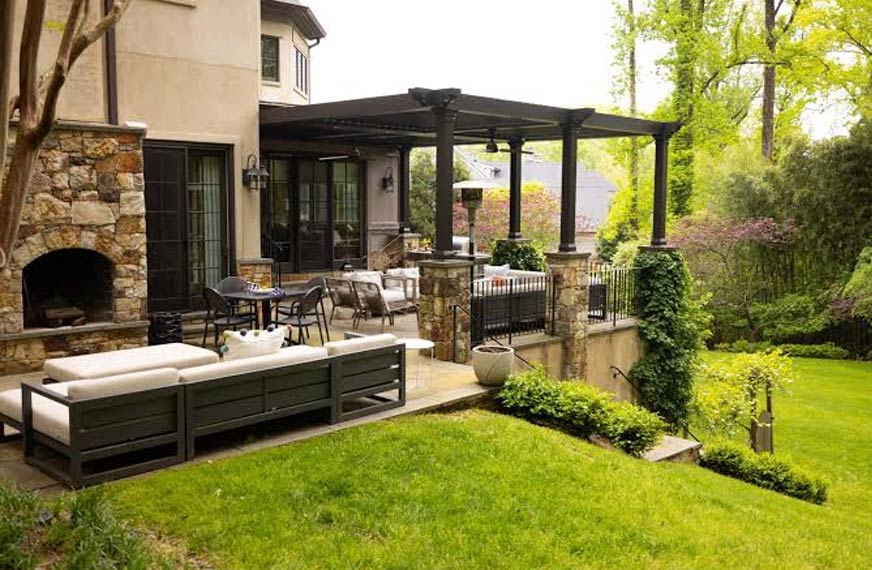
A thoughtfully designed patio can transform an ordinary outdoor area into a comfortable and attractive place for relaxation, entertainment, and everyday activities. It can provide a natural extension of indoor living space while allowing homeowners to enjoy fresh air, natural light, and a connection with the surrounding landscape. Whether the goal is to create a simple seating area or a complete outdoor entertaining space, careful planning is essential. The size, layout, materials, furniture, lighting, shade, drainage, and landscaping all influence the final result. A well-planned patio can also improve how efficiently an outdoor area is used throughout different seasons. By combining practical features with appealing design elements, homeowners can create an environment that feels comfortable, welcoming, and suited to their lifestyle.
Understanding the Purpose of the Space
Before beginning a design project, homeowners should determine how they expect to use their outdoor area. Some may want a quiet place for morning coffee, reading, or relaxing, while others may need enough space for family gatherings and outdoor meals. The intended purpose can influence the size, shape, furniture arrangement, and additional features included in the project. A patio designed for entertaining may require more open space and durable surfaces, while a private relaxation area may benefit from comfortable seating and attractive landscaping. Identifying the primary purpose early can make the planning process more organized. It also helps ensure that the finished space provides practical value instead of simply adding decoration.
Choosing the Right Layout
The layout determines how people move through and use an outdoor space. A well-planned arrangement should provide enough room for furniture, walking paths, access points, and other desired features without making the area feel crowded. The shape of the property and its relationship to the home should also be considered during planning. A Patio can be designed with straight lines for a modern appearance or curved sections for a softer and more natural look. Different zones can be created for dining, lounging, cooking, or entertaining. Good space planning helps each area serve a specific purpose while maintaining a cohesive overall appearance. A balanced layout can make even a relatively compact outdoor area feel more spacious and comfortable.
Selecting Durable Materials
Material selection is one of the most important decisions because outdoor surfaces are exposed to changing weather conditions throughout the year. Options can include concrete, natural stone, pavers, brick, porcelain, and other suitable outdoor materials. Each material has different characteristics relating to appearance, durability, maintenance, texture, and cost. A Patio should be constructed using materials that are appropriate for the expected level of use and surrounding conditions. Surface texture is also important because it can influence comfort and safety, particularly when the surface becomes wet. Homeowners should consider both appearance and long-term performance before making a final choice. Quality materials combined with proper installation can help create an outdoor surface that remains attractive and functional for many years.
Creating Comfortable Seating Areas
Comfortable seating can make an outdoor area much more useful because it encourages people to spend more time outside. Depending on the available space, seating may include sofas, lounge chairs, benches, dining chairs, or built-in options. Furniture should be selected according to the size of the area and the activities planned for it. A Patio intended for entertaining may benefit from flexible seating arrangements that can accommodate different group sizes. Cushions and outdoor fabrics can add color and comfort while creating a more welcoming atmosphere. Furniture should also be made from materials suitable for outdoor conditions. Thoughtful seating arrangements can turn a basic paved area into a comfortable extension of the home’s living space.
Adding Shade and Weather Protection
Exposure to direct sunlight can make an outdoor area uncomfortable during warmer periods, while rain can limit how frequently the space can be used. Shade structures such as pergolas, umbrellas, retractable covers, awnings, or roof extensions can provide additional comfort. The appropriate solution depends on the size of the area, architectural style, and desired level of protection. A Patio can become more versatile when shade and weather protection are incorporated into its design. These features can also help protect outdoor furniture from excessive sunlight and moisture. Properly positioned shade can create comfortable areas without completely blocking natural light. Combining open and covered sections can provide flexibility for different weather conditions.
Incorporating Outdoor Lighting
Lighting can dramatically improve the appearance and usability of an outdoor space after sunset. Pathway lights can improve visibility, while accent lighting can highlight plants, walls, architectural features, and decorative elements. Soft lighting around seating and dining areas can create a comfortable atmosphere for evening gatherings. A Patio can also incorporate practical lighting around steps, entrances, and other areas where additional visibility may be needed. Different lighting levels can be combined to create depth rather than relying on one bright source. Energy-efficient fixtures can help reduce operating requirements while providing consistent illumination. Planning the lighting during the design stage can also make it easier to position wiring and fixtures in a clean and organized manner.
Designing an Outdoor Dining Area
An outdoor dining area can make the space more useful for family meals, celebrations, and casual gatherings. A suitable dining table should provide enough room for the expected number of people while leaving sufficient space for chairs and movement. The dining area can be positioned near the kitchen or another convenient access point to make serving food easier. A Patio may also include features such as an outdoor kitchen, grill, counter, or storage area depending on the homeowner’s needs. Shade can be particularly valuable over dining spaces because it improves comfort during sunny periods. With thoughtful planning, outdoor dining can become a practical extension of indoor meal areas. The arrangement should balance convenience, comfort, and movement.
Adding Outdoor Cooking Features
Outdoor cooking has become an increasingly popular way to make exterior living areas more functional. Depending on available space, a project may include a grill, countertop, sink, refrigerator, storage cabinets, or other cooking equipment. These features should be positioned carefully to maintain safe and convenient movement around the cooking area. A patio with an outdoor kitchen should also provide adequate ventilation and appropriate protection for equipment. Durable surfaces are important because countertops and cooking areas may be exposed to heat, food, moisture, and frequent use. Storage can help keep cooking tools and supplies organized. A properly planned outdoor cooking area can turn the space into a convenient environment for preparing meals and entertaining guests.
Using Plants and Landscaping
Landscaping can soften hard surfaces and create a more natural connection between the outdoor living area and the surrounding garden. Plants can provide color, texture, privacy, shade, and seasonal interest. Trees, shrubs, flowers, ornamental grasses, and container plants can all contribute to the overall design. A patio surrounded by carefully selected vegetation can feel more inviting and visually balanced. Plant placement should also consider maintenance requirements and the amount of sunlight available in different areas. Some plants may be better suited to containers, while others can be incorporated into surrounding garden beds. Combining different heights and textures can create depth and make the outdoor space feel more established.
Creating Privacy
Privacy can be important when an outdoor space is located near neighboring properties or other frequently used areas. Screens, fencing, walls, pergolas, trellises, and carefully selected plants can help create a more private atmosphere. The solution should provide privacy without making the area feel enclosed or dark. A Patio can incorporate layered landscaping to create natural screening while maintaining an attractive appearance. Evergreen plants may provide year-round coverage, while decorative screens can introduce architectural interest. Privacy features can also reduce visual distractions and make the area more comfortable for relaxation. The best approach depends on the desired level of privacy and the overall style of the outdoor environment.
Improving Drainage
Proper drainage is essential for protecting outdoor surfaces and preventing standing water. Rainwater should have an appropriate path away from the house and surrounding structures. Poor drainage can contribute to staining, surface deterioration, soil erosion, and water accumulation near foundations. A Patio should therefore be designed with suitable slopes and drainage solutions from the beginning. Gaps between certain paving materials can also support water movement when an appropriate installation system is used. Gutters and downspouts should be coordinated with the surrounding landscape so that water is directed safely away from vulnerable areas. Addressing drainage during construction can help prevent costly problems and maintain the condition of the outdoor space.
Considering Surface Safety
Outdoor surfaces should provide a stable and comfortable area for walking, seating, dining, and other activities. Uneven materials, loose pavers, slippery surfaces, or poorly designed steps can create unnecessary hazards. A Patio should be constructed with attention to level transitions, surface texture, drainage, and edge conditions. Areas that frequently become wet may require materials with suitable slip resistance. Steps and changes in elevation should be clearly defined and properly illuminated when necessary. Regular inspection can also help identify cracks, movement, or other surface problems. Paying attention to safety during both design and maintenance can make the outdoor environment more comfortable for household members and visitors.
Choosing the Right Furniture
Outdoor furniture should combine comfort, durability, and appropriate proportions. Oversized furniture can make a small area feel crowded, while undersized pieces may leave a large space looking empty. Materials such as treated wood, metal, resin, and weather-resistant fabrics can offer different aesthetic and practical benefits. A Patio can be made more flexible with lightweight furniture that can be rearranged when needed. Storage solutions can also protect cushions and accessories when they are not in use. Color selection provides another opportunity to complement the home’s exterior and surrounding landscape. Choosing furniture carefully can improve both the appearance and everyday usability of the space.
Adding Decorative Features
Decorative elements can give an outdoor area a distinctive character and make the design feel more complete. Features may include planters, sculptures, fire elements, water installations, decorative walls, outdoor rugs, or architectural screens. These additions should be selected according to the overall style rather than being added randomly. A Patio can benefit from one or two strong focal points instead of an excessive number of competing decorations. Textures and colors can be coordinated with paving materials, furniture, and surrounding vegetation. Decorative features can also help define different functional areas. Thoughtful details can make the space feel personalized while maintaining a cohesive visual appearance.
Creating a Relaxing Atmosphere
An outdoor living area should not only look attractive but also provide a comfortable environment for relaxation. Natural materials, plants, gentle lighting, comfortable furniture, and appropriate shade can all contribute to a peaceful atmosphere. A patio positioned near a garden or landscaped area can provide a pleasant place to enjoy nature without leaving the home. Sound can also influence the atmosphere, with natural surroundings or carefully selected water elements adding a calming background. The arrangement should avoid unnecessary clutter and provide enough open space for movement. Creating a relaxing environment encourages homeowners to use the area regularly rather than only during special occasions.
Planning for Seasonal Use
Outdoor spaces can be used more effectively when their design accounts for changing seasons. Shade may be important during hot periods, while sheltered areas can provide protection during cooler or wetter weather. Furniture should be selected and maintained according to seasonal conditions, and cushions or decorative accessories may need appropriate storage. A Patio with flexible features can accommodate different activities throughout the year. Plants can also be selected to provide seasonal color and interest. Lighting becomes especially valuable when daylight hours are shorter. Considering seasonal use during the planning stage can increase the long-term value and functionality of the outdoor area.
Maintaining the Surface
Regular maintenance helps preserve the appearance and condition of outdoor surfaces. Dirt, leaves, stains, moss, and other debris should be removed according to the requirements of the selected material. Cracks, loose pavers, damaged joints, or drainage problems should be addressed before they become more significant. A Patio made from different materials may require different cleaning methods, so homeowners should follow appropriate care recommendations. Furniture should also be cleaned and inspected regularly to prevent premature deterioration. Consistent maintenance can help protect the original investment and keep the space looking attractive. A simple maintenance routine is often easier and less expensive than allowing small problems to accumulate over time.
Enhancing Property Enjoyment
A thoughtfully planned outdoor living area can provide benefits beyond visual improvement. It creates additional space for relaxation, meals, social gatherings, hobbies, and time with family. A Patio can encourage people to spend more time outdoors while providing a comfortable connection between indoor and outdoor areas. The design can be tailored to the household’s lifestyle rather than following a one-size-fits-all approach. Even modest improvements can make an outdoor space more practical when they are planned carefully. Features such as comfortable seating, shade, lighting, and landscaping can significantly influence how often the area is used. The greatest value often comes from creating a space that supports everyday activities and personal preferences.
Planning a Long-Lasting Outdoor Space
Durability should remain an important consideration throughout the design and construction process. Outdoor surfaces, furniture, lighting, shade structures, and decorative elements are exposed to environmental conditions and regular use. Selecting suitable materials can reduce maintenance requirements and support long-term performance. A Patio should also be designed with enough flexibility to accommodate changing needs over time. For example, open space can allow furniture arrangements to change as family requirements evolve. Drainage and access should be considered carefully so that future maintenance remains manageable. A long-lasting design combines attractive appearance with practical construction and thoughtful planning.
Working With Professional Installers
Some outdoor projects can be completed as simple improvements, while larger installations may require specialized planning and construction knowledge. Professional installers can help with grading, surface preparation, material installation, drainage, structural features, and finishing details. Their experience can also help identify potential problems before construction begins. Homeowners should communicate their intended use, preferred style, budget considerations, and maintenance expectations clearly. A detailed plan can help ensure that the final result reflects the desired goals. Professional installation can be especially valuable when the project includes multiple materials, complex levels, built-in features, or extensive landscaping. Proper workmanship can contribute significantly to the durability and appearance of the finished space.
Conclusion
A beautiful and functional patio can provide a valuable extension of living space while creating a comfortable environment for relaxation, dining, entertaining, and everyday enjoyment. Successful design requires careful consideration of layout, materials, furniture, shade, lighting, landscaping, privacy, drainage, safety, and maintenance. Each element should work together to create a balanced outdoor environment that reflects the needs and preferences of the household. By choosing durable materials and planning practical features from the beginning, homeowners can create an outdoor area that remains useful and attractive for years. Thoughtful landscaping and decorative details can add personality, while comfortable furniture and weather protection can encourage regular use. With proper planning and quality construction, an outdoor living area can become one of the most enjoyable parts of a property.

