


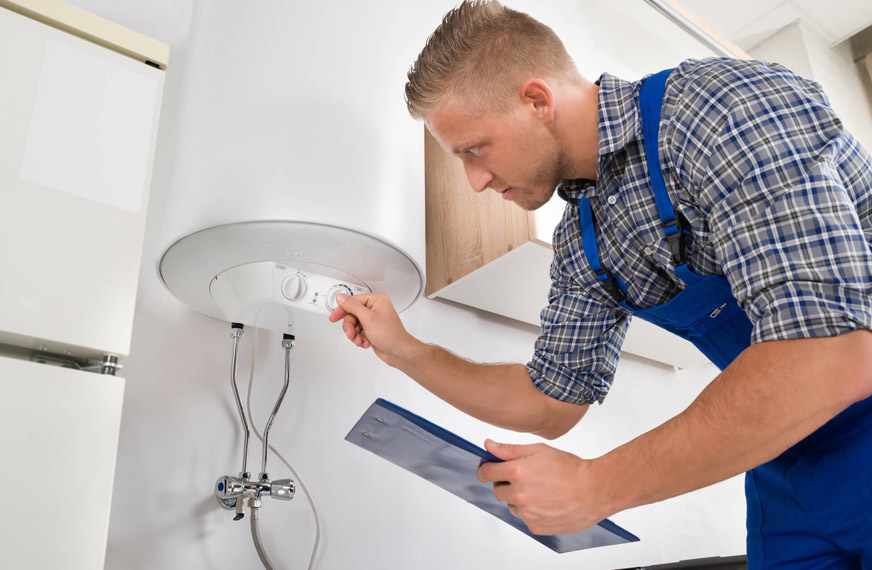
A reliable water heater plays an important role in everyday comfort by providing hot water for bathing, cleaning, washing dishes, laundry, and many other household activities. Because these systems operate regularly, their condition can influence convenience, energy consumption, and overall household expenses. Older equipment may gradually lose efficiency, develop leaks, produce inconsistent temperatures, or require increasingly frequent repairs. When performance begins to decline, homeowners should evaluate the condition of the system and consider whether repair or replacement is the more practical option. Understanding equipment types, capacity, installation requirements, maintenance needs, and operating costs can make the decision easier and help homeowners plan for dependable hot-water service.
Understanding Your Current Water Heater
Before choosing a new system, homeowners should understand the type and condition of their existing water heater. Traditional storage tank systems keep a supply of heated water available, while tankless models heat water as it is needed. Heat pump water heaters use another method by transferring heat into the water, creating different operating characteristics from conventional systems. Each type has specific requirements related to installation, maintenance, energy use, and capacity. A professional inspection can help identify the model, age, condition, and potential problems with the existing equipment. This information provides a useful starting point when deciding what type of system may be appropriate for the future.
Recognizing Signs of Equipment Problems
Water heaters can show several warning signs when their performance begins to decline. Homeowners may notice unusual noises, inconsistent water temperature, rusty or discolored water, slow heating, frequent shutdowns, visible corrosion, or moisture around the unit. Some problems may be repairable, while others may indicate that the equipment is nearing the end of its useful service life. Water heater replacement may be worth considering when an older unit experiences repeated breakdowns or develops serious corrosion and leakage. Identifying these warning signs early can give homeowners time to evaluate their options rather than waiting for a complete failure that interrupts the household’s hot-water supply.
Evaluating Household Hot-Water Demand
The right water heater should match the household’s actual hot-water requirements. A property with several occupants may experience high demand during mornings and evenings when showers, washing machines, dishwashers, and other fixtures are used around the same time. A smaller household may have lower peak demand and may not require the same capacity. During water heater replacement, homeowners should consider the number of people using hot water, typical usage patterns, appliance requirements, and potential changes in household size. Selecting a system that is too small can lead to frequent shortages, while an unnecessarily large system may increase initial and operating expenses. Proper sizing helps balance performance, comfort, and efficiency.
Comparing Available Water Heater Types
Different water heater technologies are designed to meet different needs. Conventional storage tanks provide a ready supply of heated water and are available in various capacities. Tankless systems heat water on demand and can provide continuous hot water when properly sized and installed. Heat pump systems use electricity to transfer heat rather than relying solely on conventional resistance heating. Other specialized options may also be available depending on the building’s infrastructure and household preferences. Water heater replacement is an opportunity to compare these technologies based on capacity, installation requirements, maintenance, energy consumption, available space, and long-term operating considerations rather than simply selecting a model similar to the existing unit.
Considering Energy Efficiency
Energy efficiency should be an important part of the decision-making process because water heating can contribute significantly to household energy consumption. Older equipment may become less efficient because of sediment buildup, worn components, damaged insulation, or outdated technology. Newer models may provide different efficiency characteristics depending on their design and operating conditions. When planning water heater replacement, homeowners should compare available efficiency information and consider how much hot water the household typically uses. Energy efficiency should be considered alongside purchase price, installation requirements, expected maintenance, and service life. A system that meets the household’s needs without excessive capacity may provide a more balanced long-term solution.
Planning the Installation Carefully
Installing a new water heater requires more than disconnecting the old unit and connecting a new one. Depending on the system, installation may involve water supply lines, electrical connections, gas or other fuel connections, ventilation, drainage, pressure protection, and additional safety components. Water heater replacement should begin with an assessment of the existing installation to determine whether the new equipment will be compatible with the available connections and space. A professional can identify potential modifications before work begins. Careful planning can reduce delays and prevent unexpected complications. It also helps ensure that the completed installation follows manufacturer instructions and applicable safety requirements.
Checking Available Space
The physical size and installation configuration of a water heater can affect which models are suitable. Storage tanks may require considerable floor or vertical space, while tankless systems often have different mounting and clearance requirements. During water heater replacement, homeowners should consider both the space required for installation and the access needed for future servicing. Valves, connections, controls, and other components should remain accessible after the unit is installed. A professional can evaluate the existing location and determine whether modifications are needed. Planning the space properly can make installation smoother and provide better access for maintenance throughout the equipment’s service life.
Understanding Water Quality
Water quality can influence the performance and longevity of water-heating equipment. Minerals and sediment can accumulate inside storage tanks, while hard water may contribute to deposits on heating elements, valves, and plumbing components. These conditions can affect efficiency and may increase maintenance requirements over time. Water heater replacement provides an opportunity to evaluate whether water-quality issues could affect the new system. Depending on the circumstances, filtration or water-treatment equipment may be considered. Homeowners should discuss persistent water-quality concerns with a qualified professional so that the selected water heater and supporting systems are appropriate for the property’s conditions.
Importance of Professional Installation
Water heaters can involve high temperatures, pressurized water, electricity, gas, combustion, or other potentially hazardous conditions depending on their design. Proper installation is therefore essential for both performance and safety. Water heater replacement should be performed using appropriate procedures and according to the manufacturer’s requirements. Professional installation can help ensure that connections, pressure protection, drainage, electrical components, fuel supplies, and ventilation are correctly configured where applicable. Incorrect installation can lead to leaks, equipment damage, poor performance, or safety concerns. Using qualified installation services can also help identify problems with existing plumbing or connections before they affect the new equipment.
Preparing the Installation Area
Homeowners can make the installation process easier by preparing the area around the existing water heater. Stored belongings, furniture, cleaning supplies, and other items should be moved away from the work area so technicians have sufficient room to operate safely. During water heater replacement, the existing equipment may need to be drained, disconnected, removed, and transported away before the new unit can be installed. Homeowners should ask about the expected duration of the work and any temporary interruption to hot-water service. Preparing in advance can reduce inconvenience and allow the installation team to complete the work efficiently.
Understanding Safety Features
Water heaters contain safety devices designed to manage temperature, pressure, electricity, fuel, and other potential risks. These components need to be installed and maintained correctly so they can perform their intended functions. Water heater replacement should include an evaluation of relevant valves, pressure protection, electrical safeguards, drainage arrangements, and ventilation systems where applicable. Safety components should never be removed or bypassed for convenience. Homeowners should also learn the basic operating controls of the new system and understand which unusual conditions require professional attention. Proper safety practices are essential for protecting both the equipment and the people who use it.
Maintaining the New System
Even a newly installed water heater requires appropriate maintenance. The exact requirements depend on the type and design of the system, but routine inspections can help identify developing issues before they result in major failures. Storage tank systems may require attention to sediment and certain valves, while tankless units may require periodic cleaning or descaling depending on water quality. After water heater replacement, homeowners should follow the manufacturer’s recommended maintenance schedule and arrange professional servicing when specialized work is required. Keeping records of inspections and repairs can help track the condition of the equipment. Consistent maintenance can support reliable performance and may help extend the useful life of the system.
Monitoring for Leaks
Water around a water heater should be investigated promptly. Moisture can come from a loose connection, damaged pipe, faulty valve, condensation, or a deteriorated tank. Some causes may be relatively simple to correct, while others can indicate that the equipment itself has reached the end of its service life. Water heater replacement may become necessary when a tank has significant corrosion or develops a structural leak that cannot be practically repaired. Ignoring persistent moisture can result in damage to flooring, walls, cabinets, and nearby building materials. Prompt professional evaluation can identify the source of the problem and determine the most appropriate solution.
Managing Operating Costs
The purchase price of a water heater is only one part of its overall cost. Homeowners should consider energy use, maintenance, repairs, installation requirements, replacement parts, and expected service life when comparing systems. Water heater replacement can involve different upfront and long-term expenses depending on the technology selected. A complete comparison should therefore focus on total ownership considerations rather than the initial purchase price alone. Household usage also affects operating costs, since a system that is heavily used may consume more energy regardless of its efficiency rating. Choosing an appropriately sized system can help balance comfort with practical operating expenses.
Knowing When Replacement Is Necessary
An aging water heater may eventually reach a point where repeated repairs no longer provide a practical long-term solution. Frequent breakdowns, persistent leaks, extensive corrosion, poor heating performance, and inadequate capacity are all reasons to have the system professionally evaluated. Water heater replacement can provide an opportunity to select equipment that better matches current household needs and modern performance expectations. However, replacement decisions should consider the age and condition of the current system, repair costs, expected remaining service life, and available alternatives. A professional assessment can help homeowners understand whether repairing the existing equipment or installing a new system is the more appropriate approach.
Planning for Long-Term Reliability
A water heater should be treated as a long-term household investment rather than simply an appliance that can be replaced without planning. Proper sizing, installation, maintenance, temperature management, water-quality considerations, and regular inspections can all affect reliability. Water heater replacement is most successful when homeowners evaluate the entire system rather than focusing only on the new unit. Plumbing, electrical or fuel connections, ventilation, drainage, and surrounding conditions can influence performance. Homeowners should keep documentation about the model, installation date, warranty, maintenance, and repairs. Organized records can make future servicing easier and help identify recurring issues.
Final Thoughts
Choosing and maintaining a water heater requires careful consideration of household demand, equipment type, efficiency, installation requirements, safety, maintenance, and long-term costs. Water heater replacement can be a practical solution when an existing system becomes unreliable, inefficient, outdated, or unsuitable for current household needs. Homeowners should compare available options carefully and seek professional guidance when evaluating complicated installation or safety requirements. Proper installation provides the foundation for reliable operation, while regular maintenance helps preserve performance over time. With thoughtful planning and appropriate care, a well-selected water heater can provide consistent hot-water service and dependable performance for many years.

