


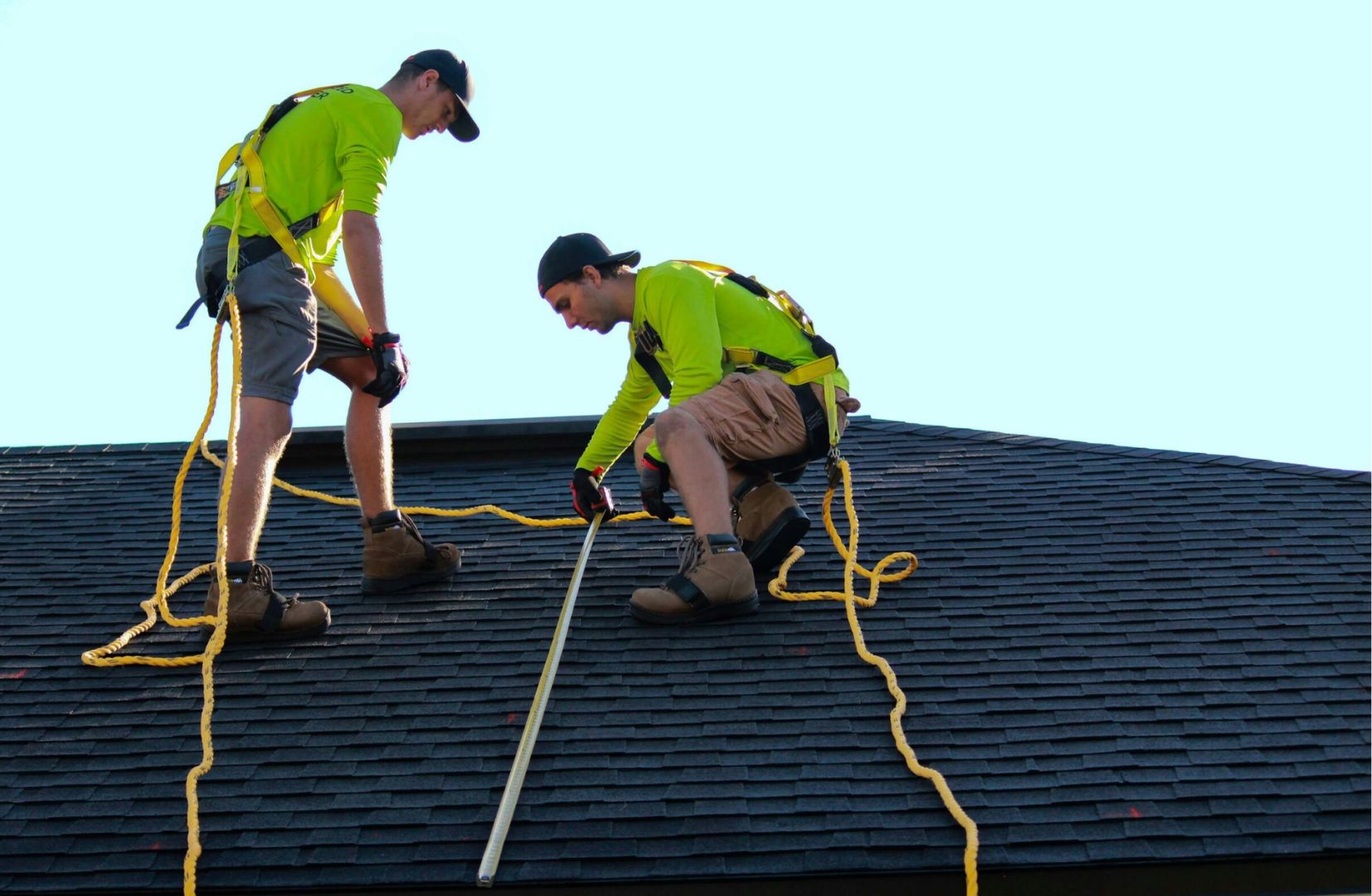
A commercial roof is one of the most important protective components of a business property. It shields the building, equipment, inventory, employees, and interior spaces from weather and environmental exposure. Over time, however, even a well-maintained roof can reach the end of its useful service life. Repeated exposure to sunlight, rain, wind, temperature changes, moisture, and mechanical activity can gradually weaken roofing materials and underlying components.
When repairs are no longer sufficient, commercial roof replacement can provide a long-term solution. Replacing a commercial roof is a substantial investment that requires careful planning because commercial buildings often have larger roof areas, complex mechanical systems, drainage requirements, and operational considerations. A successful project depends on choosing appropriate materials, evaluating the existing roof, preparing a realistic budget, selecting qualified contractors, and planning the installation to minimize disruption to business activities.
Understanding the replacement process can help property owners and facility managers make informed decisions and avoid common problems during a major roofing project.
Understanding When a Commercial Roof Needs Replacement
Not every roofing problem requires complete replacement. Minor leaks, isolated membrane damage, damaged flashing, or limited surface deterioration may sometimes be addressed through targeted repairs. However, there are situations where continued repairs become less practical.
The age of the roof is an important consideration. Every roofing system has an expected service life, although actual longevity depends on material quality, installation, maintenance, weather exposure, drainage, and building conditions. An older roof that has experienced repeated repairs may be approaching the point where replacement provides greater long-term value than continued patching.
Widespread leaks are another warning sign. A single leak may be easy to repair, but multiple leaks appearing in different areas can indicate broader deterioration. Persistent moisture can also damage insulation, decking, interior finishes, and structural components if it is not addressed.
Visible deterioration should also be evaluated. Cracking, blistering, splitting, membrane shrinkage, exposed materials, deteriorated flashing, standing water, and damaged seams can all indicate that a roofing system requires professional assessment.
Conducting a Professional Roof Inspection
Before beginning a replacement project, the existing roof should be inspected carefully. A professional assessment can help determine the current condition of the roofing membrane, insulation, decking, drainage systems, flashing, penetrations, and other components.
The inspection should identify both visible and underlying issues. A roof can appear relatively intact from the surface while insulation beneath the membrane has become wet or damaged. Moisture trapped below the roofing system can reduce thermal performance and contribute to deterioration.
The inspection should also consider previous repairs. Areas that have been repeatedly patched may indicate recurring problems or weaknesses in the existing system. Reviewing maintenance records can provide additional information about the roof’s history and help identify patterns that are not immediately obvious.
Selecting the Right Roofing System
Commercial buildings can use several types of roofing systems, and the appropriate choice depends on factors such as building design, climate, budget, maintenance expectations, energy requirements, and intended service life.
Single-ply membrane systems such as TPO, PVC, and EPDM are commonly used in commercial applications. Each material has distinct characteristics related to flexibility, weather resistance, installation methods, and performance.
Modified bitumen and built-up roofing systems are other options that may be appropriate for certain buildings. Metal roofing can also provide durability and a distinctive appearance, particularly for structures where a metal system is compatible with the building’s design and functional requirements.
The right material should not be selected solely because it has the lowest initial cost. Property owners should consider expected service life, maintenance requirements, installation quality, warranty conditions, energy performance, and the total cost of ownership.
Evaluating the Existing Roof Deck
The roof deck provides structural support beneath the roofing system. During replacement, the condition of the deck should be evaluated carefully because damaged or weakened decking may need to be repaired or replaced before the new roofing system is installed.
Water infiltration can cause deterioration in certain deck materials. If damaged areas are covered without being properly addressed, problems can remain hidden beneath the new roof.
A professional roofing contractor can identify areas requiring attention during the removal and preparation stages. Property owners should understand that unforeseen deck repairs can affect the final project cost, which is why a reasonable contingency allowance may be useful when budgeting for a major replacement.
The Importance of Proper Drainage
Effective drainage is essential for commercial roofing systems. Water that remains on a roof for extended periods can place additional stress on roofing materials and increase the potential for leaks and deterioration.
Drainage systems may include internal drains, scuppers, gutters, downspouts, tapered insulation, and other design elements. During a replacement project, these components should be inspected to determine whether they are functioning properly.
Roof slope should also be considered. If certain areas consistently collect water, the replacement design may need to address the underlying drainage problem rather than simply installing a new membrane over the existing surface.
Improving drainage during replacement can help protect the new roof and reduce the likelihood of recurring moisture problems.
Insulation and Energy Performance
Roof replacement provides an opportunity to evaluate insulation. Proper insulation can reduce heat transfer through the building envelope and may improve indoor comfort and energy performance.
Wet or damaged insulation may need to be removed because it can reduce thermal effectiveness and contribute to deterioration. New insulation can be selected according to the building’s design, applicable requirements, and performance goals.
The roof assembly should be considered as a complete system rather than treating the membrane and insulation as unrelated components. Compatibility between the deck, insulation, membrane, adhesives, fasteners, and other materials is important for long-term performance.
Minimizing Business Disruption
Commercial roofing projects can interfere with normal business activities if they are not carefully planned. Noise, construction traffic, restricted access, odors, debris, and temporary changes to parking or building entrances may affect employees, customers, tenants, and visitors.
A detailed project schedule can help reduce disruption. Depending on the building’s operations, certain work may be scheduled outside peak business hours or divided into manageable phases.
Communication is equally important. Building occupants should be informed about relevant work schedules, access restrictions, safety procedures, and temporary changes. Clear communication can reduce confusion and make it easier for businesses to continue operating during construction.
Choosing a Commercial Roofing Contractor
The contractor plays a major role in the quality and longevity of a replacement project. Property owners should look for a company with appropriate commercial roofing experience, qualified workers, adequate insurance, and a track record of completing comparable projects.
A contractor should be able to provide a detailed proposal describing the roofing system, materials, installation process, project schedule, warranty information, and pricing. Vague proposals can make it difficult to compare contractors accurately.
References and examples of previous commercial projects can also provide useful information. Property owners may want to ask about similar buildings the contractor has worked on and how previous projects were managed.
The cheapest proposal is not necessarily the best choice. Installation quality can have a significant impact on roof performance, and inadequate workmanship may result in premature failures, leaks, or warranty complications.
Understanding Roofing Warranties
Warranties are an important part of commercial roof replacement, but they should be reviewed carefully. Different warranties may cover materials, workmanship, or specific roofing-system components.
Property owners should understand what is covered, how long the coverage lasts, and what conditions must be met to maintain warranty protection. Some warranties may require specific installation methods or approved contractors.
Maintenance requirements can also affect warranty coverage. A property owner should understand whether regular inspections, cleaning, repairs, or documentation are required.
A warranty should be considered an additional layer of protection rather than a substitute for quality materials, proper installation, and ongoing maintenance.
Budgeting for a Roof Replacement
Commercial roof replacement can represent a significant capital expense. Developing an accurate budget requires consideration of more than the cost of roofing materials.
Potential costs can include removal of the existing roof, disposal fees, deck repairs, insulation, membrane installation, flashing, drainage improvements, equipment relocation, permits, safety measures, labor, and post-installation inspections.
Unexpected conditions can increase the final cost. For example, damaged decking or wet insulation may not be fully visible before the existing roof is removed. Establishing a reasonable contingency can help property owners manage such discoveries without significantly disrupting the project.
Long-term costs should also be considered. A roofing system with a higher initial price may have lower maintenance requirements or a longer expected service life. Comparing systems based on total ownership costs can provide a more useful perspective than comparing installation prices alone.
Roof Penetrations and Mechanical Equipment
Commercial roofs frequently contain HVAC equipment, vents, skylights, pipes, electrical conduits, and other penetrations. These areas require careful attention during replacement because they can become potential points of water entry.
Flashing around penetrations should be installed correctly and integrated with the roofing system. Mechanical equipment may also need to be temporarily moved or protected during installation.
Coordination between roofing contractors and mechanical contractors can be important when rooftop equipment is extensive. Poor coordination can create delays or result in improperly sealed penetrations.
Safety During the Replacement Process
Roof replacement involves elevated work, construction equipment, material handling, and potentially hazardous tools. A professional project should include appropriate safety procedures for workers and building occupants.
The work area should be controlled to prevent unauthorized access. Materials and equipment should be stored safely, and debris should be removed regularly to maintain an organized construction environment.
Property owners should confirm that contractors follow applicable safety requirements and maintain appropriate insurance coverage. Safety planning should be part of the project from the beginning rather than treated as an afterthought.
Environmental and Sustainability Considerations
Roof replacement can also provide an opportunity to consider environmental performance. Some roofing systems are designed to reflect more solar energy, which can reduce heat gain under suitable conditions. Insulation improvements can also reduce heating and cooling demands.
Recycling existing roofing materials may be possible depending on the material type, condition, local facilities, and project requirements. Property owners can discuss waste-management options with contractors during the planning stage.
Material durability is another sustainability consideration. A roofing system that lasts longer and requires fewer replacements can reduce material consumption over the building’s lifetime.
Maintaining the New Roof
Installing a new roof does not eliminate the need for maintenance. Regular inspections can help identify minor issues before they develop into major failures.
Maintenance should include checking drains and gutters, inspecting flashing, examining seams and penetrations, removing accumulated debris, and looking for signs of damage. Rooftop equipment work should also be managed carefully so that contractors do not accidentally damage the roofing membrane.
After severe weather, an additional inspection may be appropriate. Strong winds, hail, heavy rain, or falling debris can damage roofing materials even when no immediate interior leak is visible.
Keeping maintenance records can also be useful for warranty purposes and future planning.
Repair or Replace?
Property owners sometimes struggle to determine whether an aging roof should be repaired or replaced. The answer depends on the extent of damage, age of the system, maintenance history, remaining service life, and cost of continued repairs.
If damage is localized and the underlying roofing system remains in good condition, repair may be reasonable. If problems are widespread, repairs are frequent, or the system has reached the end of its expected service life, replacement may provide a more practical long-term solution.
A professional inspection can help distinguish between isolated problems and systemic deterioration. Making the decision based on the overall condition of the roof rather than a single leak can lead to better long-term planning.
Final Thoughts
A commercial roof replacement is a major investment that can protect a building and its contents for many years when properly planned and installed. The process involves much more than removing an old roof and installing new materials. Property owners must consider the condition of the existing system, roof deck, insulation, drainage, roofing material, mechanical equipment, budget, contractor qualifications, warranties, and ongoing maintenance.
Careful planning can help reduce unexpected costs and minimize disruption to business operations. Selecting a suitable roofing system and an experienced contractor is particularly important because installation quality has a direct effect on long-term performance.
Once the replacement is complete, regular inspections and maintenance should remain part of the property’s long-term management strategy. Addressing small issues early can help protect the new roofing system and preserve its expected service life. With appropriate preparation, quality materials, professional installation, and consistent care, a commercial roof can provide dependable protection while supporting the building’s operational and financial goals.

