


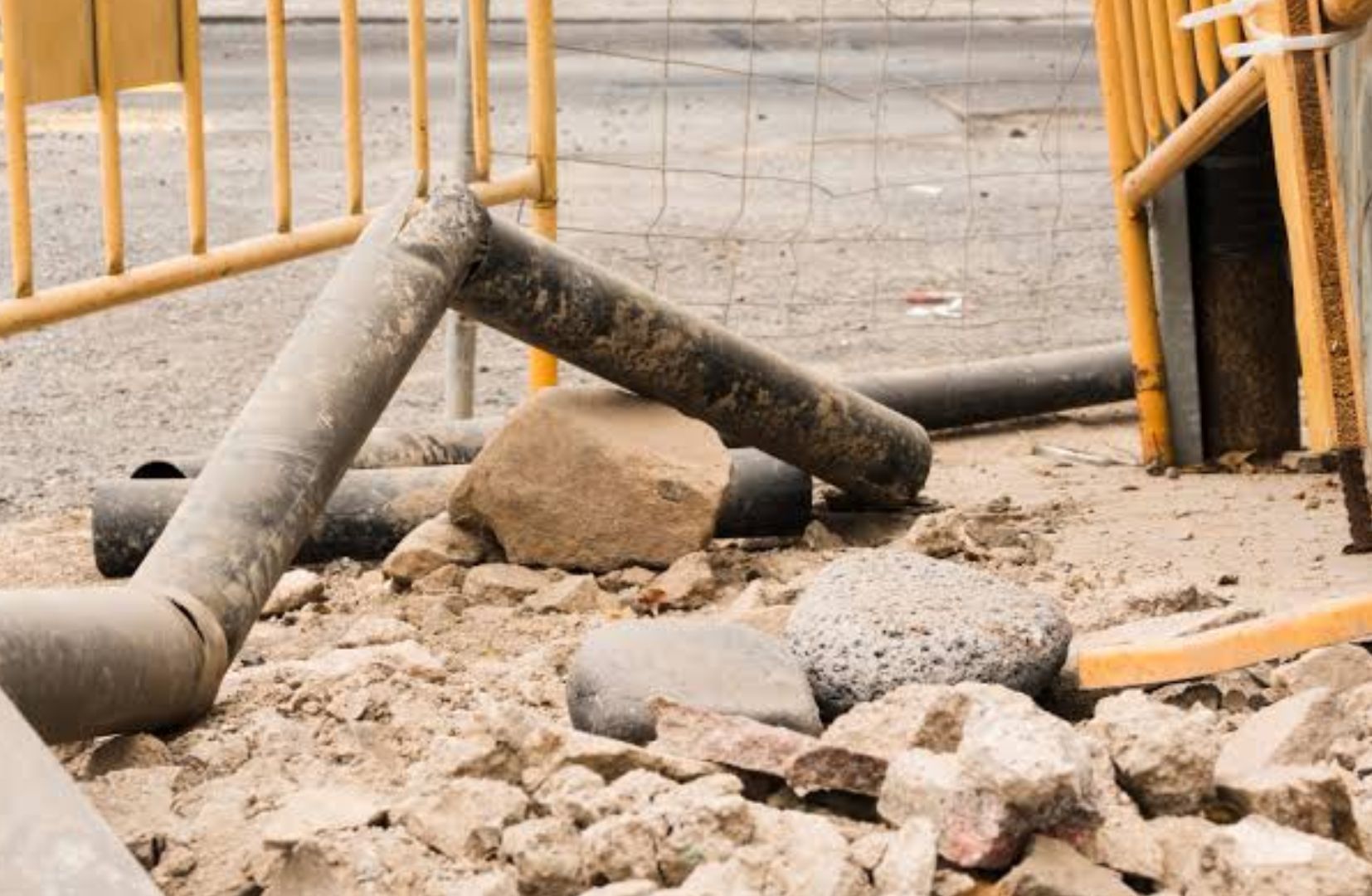
Sewer lines are an essential part of any property because they carry wastewater away from buildings and into the appropriate drainage system. When a sewer line becomes cracked, blocked, displaced, or damaged by tree roots, the problem can quickly become disruptive and expensive if it is not addressed. Traditional sewer repairs often involve digging long trenches through yards, driveways, gardens, patios, or other finished areas to reach the damaged pipe. Although excavation can still be necessary in certain circumstances, advances in plumbing technology have created alternatives that can reduce the amount of digging required. One of the most widely discussed modern approaches is trenchless sewer line repair, which can restore or replace damaged underground pipes while minimizing disruption to the surrounding property.
Understanding how trenchless methods work can help property owners make more informed decisions when sewer problems occur. These methods are not suitable for every situation, and a professional inspection is generally necessary before determining whether a trenchless solution is appropriate. However, when site conditions and pipe damage allow it, trenchless technology can offer an efficient alternative to traditional excavation. The process can potentially reduce landscape disturbance, shorten project times, and limit the need to rebuild surfaces after the plumbing work is complete.
Understanding Sewer Line Problems
Sewer pipes can experience a range of problems as they age. Cracks and fractures may develop because of ground movement, corrosion, repeated stress, poor installation, or natural deterioration. Older pipes may also become brittle or structurally compromised over time. In some situations, sections of pipe can shift because surrounding soil changes or settles.
Tree roots are another common source of sewer problems. Roots naturally seek moisture, and small openings in underground pipes can provide access to water and nutrients. Once roots enter a pipe, they can grow and create blockages that interfere with normal wastewater flow. Repeated root intrusion can also contribute to structural damage.
Blockages may develop from grease, foreign objects, accumulated debris, or materials that should not have entered the drainage system. Some blockages can be cleared without replacing the pipe, but recurring problems may indicate an underlying structural issue. A camera inspection can help determine whether the problem is simply a blockage or whether the pipe itself needs repair.
What Trenchless Repair Involves
Trenchless sewer technology refers to repair or replacement techniques that require minimal excavation compared with conventional methods. Instead of exposing the entire length of a damaged pipe, contractors typically access the sewer line through one or more strategically positioned entry points.
There are several trenchless techniques, and the appropriate method depends on the condition, size, material, location, and configuration of the existing sewer line. Some methods repair the existing pipe from the inside, while others replace the old pipe by installing a new pipe along its existing path.
The main appeal of these methods is that they can address underground pipe problems without requiring a continuous open trench across the entire repair area. This can be particularly useful when sewer lines run beneath landscaping, paved surfaces, driveways, walkways, or other improvements that would otherwise need to be removed and reconstructed.
Pipe Inspection Comes First
Before choosing a repair method, a professional inspection is usually necessary. Modern sewer cameras can travel through the pipe and provide a detailed view of its interior. The inspection can reveal cracks, root intrusion, collapsed sections, offsets, blockages, corrosion, and other conditions that may affect the repair strategy.
Camera inspection also helps determine the approximate location of the problem. This information can reduce unnecessary excavation and provide contractors with a better understanding of the pipe’s layout. In some cases, the inspection may show that the pipe can be cleaned or repaired without replacement. In other cases, significant structural damage may make replacement more appropriate.
The inspection process is therefore an important part of responsible decision-making. Choosing a repair technique without understanding the actual condition of the pipe can result in unnecessary work or an inappropriate solution.
Common Trenchless Techniques
One of the better-known trenchless methods is pipe lining. In this process, a flexible liner is inserted into the damaged pipe and positioned along the interior wall. The liner is then treated with a resin or another appropriate material and cured so that it forms a new structural layer inside the existing pipe.
The result is sometimes described as a pipe within a pipe. The new lining can seal cracks and openings while creating a continuous interior surface. Because the existing pipe generally remains in place, extensive excavation may not be required.
Another method is pipe bursting. This technique is generally used when the existing pipe needs to be replaced rather than simply lined. A bursting head breaks apart or displaces the old pipe while simultaneously pulling a new pipe into its place. This can allow contractors to replace an underground line while following approximately the same route as the original pipe.
Each method has specific requirements and limitations. Pipe diameter, depth, material, alignment, surrounding utilities, soil conditions, and access points all need to be considered before selecting a technique.
Advantages of Minimizing Excavation
One of the most noticeable advantages of trenchless technology is the reduced need for excavation. Traditional sewer replacement can involve digging a long trench through a property, potentially disturbing grass, flower beds, trees, hardscaping, driveways, sidewalks, and other features.
By reducing the amount of digging, trenchless methods can limit the restoration work required after the pipe has been repaired. A small access area may still need to be opened, but the overall disturbance can be considerably less than that associated with exposing the entire pipe.
This can be particularly valuable for properties with mature landscaping or expensive surface improvements. Preserving these features can reduce inconvenience and help maintain the appearance of the property.
Potential Time Savings
Traditional sewer replacement can involve several stages, including excavation, pipe removal, installation of the replacement pipe, backfilling, soil compaction, and restoration of the affected surface. The entire process may become more complicated when the sewer line runs beneath structures or finished areas.
Trenchless methods can streamline some of these stages because there is less excavation and less material to remove. Depending on the specific project, this may allow repairs to be completed more efficiently.
However, project duration varies significantly. Pipe length, access, damage severity, site conditions, permitting requirements, equipment availability, and restoration needs can all affect the timeline. Property owners should therefore avoid assuming that every trenchless project will be completed within a particular number of hours or days.
Reduced Property Disruption
A sewer problem is already inconvenient, and extensive excavation can make the situation even more disruptive. Open trenches may restrict access to parts of a property and can interfere with landscaping, parking, walkways, and normal outdoor activities.
Because trenchless techniques generally require less surface disturbance, they can reduce the physical impact of the repair. This does not mean that there will be no disruption. Equipment, access points, temporary work areas, and other construction activities may still be necessary.Nevertheless, reducing excavation can make the overall project easier to manage, particularly when the sewer line passes beneath areas that are difficult or expensive to restore.
Protecting Landscaping and Hardscaping
Landscaping can represent a significant investment. Mature trees, established gardens, decorative stonework, patios, and other outdoor features can be difficult and expensive to replace after excavation.
A trenchless approach may allow more of these features to remain undisturbed. This is one reason property owners with carefully developed outdoor spaces may consider trenchless methods when the existing sewer line is suitable for such technology.
However, contractors still need access to the pipe. Depending on the location and technique, small excavation areas may be necessary. The extent of disturbance should be discussed before work begins so that the property owner understands what will be affected.
Durability and Expected Performance
The performance of a trenchless sewer repair depends on the selected method, materials, installation quality, existing pipe condition, and surrounding conditions. A properly installed liner or replacement pipe can provide a durable solution, but no repair method should be considered universally permanent.
The existing pipe must be evaluated carefully. Severe collapses, major misalignment, insufficient access, or other structural conditions may make lining unsuitable. In some situations, conventional excavation may remain the most practical solution.
Quality workmanship is also critical. Proper cleaning, preparation, measurements, material selection, curing, and installation procedures can all affect the performance of the finished repair. Property owners should therefore consider the contractor’s experience with the specific trenchless method rather than choosing a service based solely on price.
Cost Considerations
The cost of trenchless sewer line repair varies according to numerous factors. The length and diameter of the pipe, depth, access requirements, damage type, selected technique, materials, labor, site conditions, and restoration requirements can all influence the total project cost.
Trenchless methods may sometimes have a higher direct installation cost than basic excavation and pipe replacement. However, comparing only the plumbing portion of the project can provide an incomplete picture. Traditional excavation may require additional expenses for removing and replacing landscaping, concrete, asphalt, decking, paving, or other finished surfaces.
A property owner should therefore compare the total expected project cost, including restoration, rather than evaluating the repair method based only on the initial plumbing estimate. Obtaining a detailed written proposal can help clarify what is included.
When Trenchless Repair May Not Be Suitable
Although trenchless technology offers important advantages, it is not a universal solution. A severely collapsed or badly misaligned pipe may not provide a suitable pathway for a lining system. Certain pipe configurations may also lack the access points required for trenchless equipment.
The surrounding environment can create additional challenges. Underground utilities, unusual pipe layouts, insufficient working space, and difficult soil conditions may affect whether trenchless equipment can be used effectively.
In some situations, traditional excavation may provide better access and allow contractors to correct problems that cannot be addressed from inside the pipe. The goal should be to select the method that provides an appropriate repair rather than assuming that the least invasive method is automatically the right one.
Choosing a Qualified Contractor
Selecting an experienced contractor is an important part of any sewer repair project. Property owners should look for professionals who have experience diagnosing sewer problems and performing the specific trenchless technique being considered.
A reputable contractor should be able to explain the condition of the existing pipe, identify the proposed repair method, discuss its limitations, and provide information about the materials and process. They should also explain what excavation will be required and what restoration responsibilities are included.
It is useful to request a detailed estimate rather than relying on a verbal price. The estimate should clarify the scope of work, expected materials, access requirements, potential additional costs, and warranty terms when applicable.
Preparing for the Repair
Property owners can make the process smoother by providing contractors with information about previous plumbing work, known sewer locations, recurring drainage problems, and any existing plans showing underground utilities. Access to the work area should be kept clear so that equipment can be positioned safely.
Before work begins, the contractor should explain how the sewer system will be affected during the repair. Depending on the technique and project conditions, temporary restrictions on water or wastewater use may be necessary.
It is also helpful to discuss surface protection. Although trenchless methods minimize excavation, equipment may still need to cross driveways, lawns, or other areas. Understanding how these surfaces will be protected can help prevent misunderstandings during the project.
Preventing Future Sewer Problems
Repairing a sewer line addresses an existing problem, but ongoing maintenance can help reduce the likelihood of future issues. Property owners should avoid flushing items that are not designed to break down in sewer systems. Grease and cooking oils should also be disposed of appropriately rather than being poured down drains.
Trees and large plants should be considered carefully when landscaping near underground sewer lines. Their roots can potentially create problems if they reach damaged or vulnerable pipes. Professional advice can be useful when planning substantial landscaping near buried utility lines.
Recurring backups, slow drains, unusual odors, or unexplained changes in drainage should not be ignored. These signs can indicate an emerging sewer problem, and early inspection may allow a smaller issue to be addressed before significant structural damage occurs.
Final Thoughts
Trenchless sewer line repair has changed the way many underground sewer problems can be addressed by reducing the need for extensive excavation. Techniques such as pipe lining and pipe bursting can provide alternatives to conventional open-trench replacement when the existing conditions are suitable.
The benefits can include less disruption to landscaping and hardscaping, reduced restoration work, and potentially more efficient project completion. However, trenchless technology is not appropriate for every sewer line. Professional camera inspection and site evaluation are essential for determining whether the pipe can be repaired or replaced using a trenchless method.
Property owners should consider the condition of the existing pipe, the available access points, the surrounding environment, expected costs, contractor experience, and long-term performance before choosing a repair approach. A detailed inspection and transparent estimate can help ensure that the selected solution matches the actual problem.
When the circumstances are appropriate, trenchless sewer line repair can provide a practical way to restore underground wastewater infrastructure while minimizing disruption above ground. By combining modern technology with careful inspection, qualified installation, and responsible maintenance, property owners can address sewer problems while protecting the surrounding property and reducing unnecessary excavation.

