


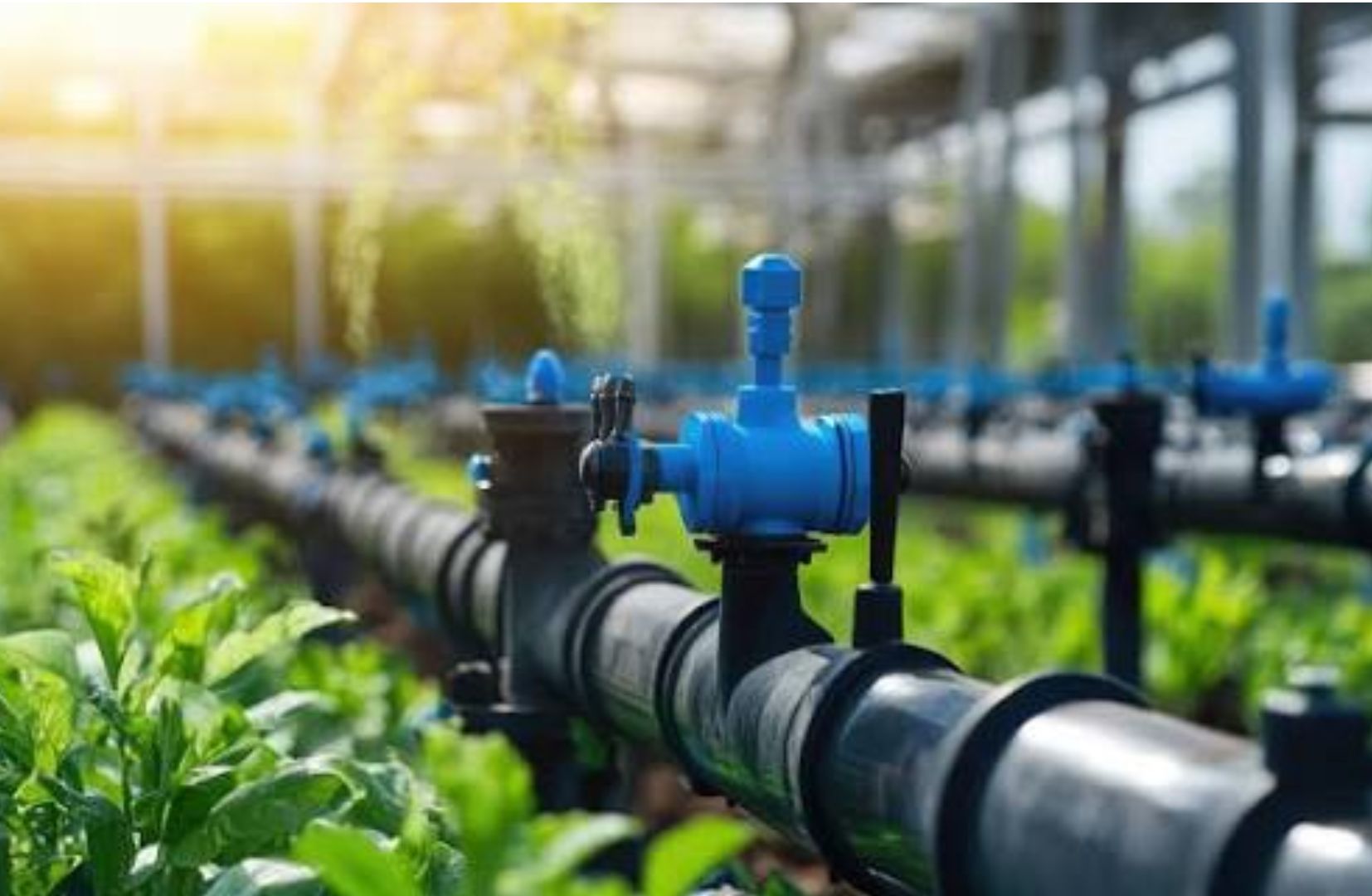
A properly designed irrigation system can make maintaining a healthy landscape considerably easier by delivering water where it is needed and reducing the effort required for manual watering. Whether an irrigation system serves a residential lawn, garden, landscaped property, or larger outdoor area, its performance depends on more than simply turning the system on according to a schedule. Sprinkler heads, valves, pipes, controllers, wiring, filters, pumps, and other components must work together correctly to distribute water consistently. When one component develops a problem, the effects can quickly become visible through dry areas, excessive runoff, standing water, weak spray patterns, or unusually high water consumption.
Understanding how an irrigation system works and recognizing common problems can help property owners respond before minor issues become expensive repairs. Routine inspections and timely irrigation repair can restore proper water distribution, protect landscaping, and help prevent unnecessary water waste. A professional approach is particularly useful when the problem involves underground pipes, electrical components, pressure issues, valves, or multiple zones that are not operating as expected.
Understanding the Main Components of an Irrigation System
An irrigation system consists of several interconnected components, and each has a specific role. The controller acts as the system’s central operating unit, determining when different zones should turn on and how long they should operate. Modern controllers may offer programmable schedules, weather-based adjustments, seasonal settings, and other features designed to improve watering efficiency.
Valves control the flow of water to individual zones. When the controller sends an electrical signal to a valve, the valve opens and allows water to enter the associated irrigation zone. If a valve becomes stuck, damaged, clogged, or electrically disconnected, an entire section of the landscape may receive too much water, too little water, or no water at all.
Sprinkler heads distribute water across the landscape. Different types of heads are designed for different applications, including turf areas, planting beds, narrow spaces, and larger open areas. Their performance depends on correct positioning, adequate water pressure, clean nozzles, and appropriate spacing.
Underground pipes carry water from the main supply to valves and sprinkler heads. Because much of this network is hidden below the ground, leaks or breaks can sometimes be difficult to locate. A sudden drop in pressure, unexplained wet areas, or unusually high water usage may indicate an underground problem.
Recognizing Signs of Irrigation Problems
Many irrigation problems become apparent through changes in the landscape. Brown or dry patches may indicate that a sprinkler head is clogged, misaligned, damaged, or not receiving sufficient water. However, dry vegetation does not always mean that the system is simply watering for too little time. Poor distribution, low pressure, blocked nozzles, and incorrect sprinkler placement can all create dry areas even when the system runs according to its normal schedule.
Excessively wet areas can indicate a completely different problem. A damaged sprinkler head may continuously release water, while a leaking underground pipe or valve can create persistent moisture. Water pooling around sprinkler heads may also suggest drainage issues or a damaged component.
Other warning signs include weak spray patterns, sprinkler heads that fail to rise, valves that remain open, unusual noises, water flowing when the system is supposed to be off, and sudden increases in water consumption. These symptoms should not be ignored because continued operation can waste water and potentially cause damage to the landscape or surrounding structures.
Common Causes of Sprinkler Head Problems
Sprinkler heads are exposed to lawn equipment, foot traffic, soil movement, weather conditions, and general outdoor activity. As a result, they are among the components most likely to experience physical damage or performance problems.
A sprinkler head can become tilted or buried, causing water to spray in the wrong direction. Mowing equipment can damage exposed components, while accumulated dirt or debris can clog nozzles and reduce water flow. Some heads can also become worn over time, resulting in uneven spray patterns.
Incorrect sprinkler alignment can cause water to hit sidewalks, driveways, walls, or other areas that do not need irrigation. This not only wastes water but can also contribute to erosion, staining, or slippery surfaces.
Regularly inspecting sprinkler heads can help identify these issues early. Damaged or worn components can often be cleaned, adjusted, repaired, or replaced depending on the specific problem. The correct replacement component should match the system’s design and water pressure requirements rather than being selected solely because it physically fits the existing connection.
Diagnosing Valve Problems
Valves are critical because they determine which areas receive water. A valve problem can therefore affect an entire zone rather than a single sprinkler head. Common valve issues include clogged diaphragms, damaged seals, electrical failures, debris buildup, and mechanical wear.
If one zone does not activate while others work normally, the valve serving that zone may be one of the components worth investigating. However, the controller, wiring, solenoid, and water supply should also be checked because several different problems can produce similar symptoms.
A valve that remains open after the irrigation cycle ends can cause continuous water flow. This can lead to significant water waste and create saturated areas within the landscape. In some cases, cleaning the valve may resolve the issue, while other situations require replacement of internal components or the entire valve.
Because valves are often located underground or inside valve boxes, accessing them may require careful excavation. Professional service can help minimize unnecessary disturbance to surrounding landscaping while allowing the underlying problem to be identified.
Finding Underground Leaks
Underground irrigation leaks can be particularly challenging because the damaged pipe may be hidden beneath soil, grass, mulch, or planting areas. A leak may initially appear as an isolated wet patch, unusually green vegetation, sinking soil, or persistent moisture.
Another clue is unexpected water usage. If consumption increases significantly without a corresponding change in watering habits, an irrigation leak may be one possible explanation. A professional can isolate zones and evaluate water flow to help determine where the problem may be located.
Underground leaks should be addressed promptly. Continuing to operate a damaged system can waste large amounts of water and potentially undermine soil around structures, pathways, or other landscape features. Depending on the location and severity of the damage, the repair may involve replacing a section of pipe, repairing a fitting, or correcting a connection.
Careful excavation is important because unnecessary digging can damage roots, landscaping, or other underground utilities. Proper diagnosis before excavation can make the repair process more efficient and reduce disruption.
Troubleshooting Irrigation Controllers
The controller determines when the irrigation system operates, so programming or electrical problems can affect every zone. A controller may have incorrect schedules, a faulty clock, damaged wiring, or settings that were unintentionally changed.
Seasonal changes can also make an existing watering schedule inappropriate. A schedule that works during a hot, dry period may provide excessive water during cooler or wetter conditions. Conversely, a schedule that was reduced during a cooler season may not provide sufficient water when environmental conditions change.
Modern controllers may offer features that automatically adjust watering schedules based on environmental information. These systems can potentially improve efficiency, but they still need to be configured correctly and inspected periodically.
If the controller display is blank, zones activate unexpectedly, or individual zones fail to operate, the issue may involve power, programming, wiring, or connected components. Troubleshooting should begin with simple checks before more complex electrical problems are investigated.
The Importance of Correct Water Pressure
Water pressure has a major influence on sprinkler performance. Too little pressure can produce weak spray patterns, incomplete coverage, and sprinkler heads that fail to operate properly. Excessive pressure can also cause problems, including misting, damaged components, and inefficient water distribution.
Different irrigation components are designed to operate within specific pressure ranges. If the system has recently developed pressure-related problems, possible causes may include a damaged pipe, partially closed valve, clogged filter, supply issue, or changes elsewhere in the water system.
Pressure problems should be diagnosed rather than solved simply by increasing watering time. Running a system longer does not necessarily compensate for poor distribution. In some cases, it can make water waste worse while still leaving certain areas inadequately irrigated.
A professional evaluation can help determine whether the problem originates at the water supply, within the irrigation network, or at individual sprinkler components.
Improving Irrigation Efficiency
An efficient irrigation system should distribute water evenly without unnecessary runoff, overspray, or leakage. One of the most important steps is ensuring that sprinkler heads are correctly positioned and matched to the areas they serve.
Sprinklers should provide appropriate coverage without spraying excessively onto hard surfaces. Different areas may require different types of irrigation equipment. Turf, shrubs, flower beds, and trees do not necessarily have the same watering requirements, so using a single approach throughout the property can lead to inefficient water use.
Scheduling is another important factor. Watering during appropriate periods can reduce evaporation and help water reach the root zone more effectively. However, the ideal schedule depends on environmental conditions, plant requirements, soil characteristics, and the specific irrigation equipment being used.
Regular maintenance is also essential. Cleaning clogged nozzles, adjusting misaligned heads, checking valves, and addressing leaks can improve performance without requiring major changes to the entire system.
When Professional Repair Is Necessary
Some irrigation problems are relatively simple to address, while others require specialized equipment and technical knowledge. Cleaning an accessible sprinkler nozzle may be straightforward, but diagnosing an underground leak, electrical fault, pressure problem, or complex multi-zone failure can be considerably more difficult.
Professional irrigation repair can be particularly valuable when the cause of a problem is unclear. Instead of replacing multiple components based on guesswork, a qualified technician can inspect the system systematically and determine which part is actually responsible.
Professional service may include checking controller signals, testing valves, inspecting sprinkler heads, evaluating pressure, locating leaks, examining wiring, and testing individual zones. A systematic diagnostic process can reduce unnecessary replacements and help ensure that the underlying problem is corrected.
Repairs involving electrical connections, pressurized water systems, or extensive excavation should be approached carefully. Improper work can create additional damage or safety concerns, making professional assistance appropriate for complex situations.
Preventive Maintenance for Better Performance
Preventive maintenance can help extend the useful life of an irrigation system and reduce the likelihood of unexpected failures. Inspections should include sprinkler heads, valves, exposed pipes, controller settings, and visible signs of leakage.
Sprinkler heads should be checked for damage, clogging, misalignment, and poor coverage. Valves should be inspected for leaks or signs of malfunction. Controller schedules should be reviewed periodically to ensure they still reflect current landscape needs.
It is also useful to inspect the landscape itself. Uneven growth, dry patches, excessive vegetation growth, erosion, or standing water can provide clues about irrigation performance. The landscape often reveals problems before a homeowner notices a mechanical issue.
Seasonal inspections can be particularly useful because changes in weather and plant requirements may affect watering needs. Adjusting schedules and checking system components before periods of increased irrigation demand can reduce the likelihood of problems during critical periods.
Protecting Landscaping During Repairs
Repair work should be planned with the surrounding landscape in mind. Underground irrigation components are often located near established plants, trees, lawns, and decorative areas. Excavation can disturb roots and create temporary damage if it is not performed carefully.
A professional technician can often identify the most efficient access point and limit unnecessary digging. Once the repair is completed, soil should be restored appropriately, and disturbed landscape areas should be monitored for recovery.
Tree roots require particular consideration. Cutting large roots can negatively affect established trees, so excavation near mature vegetation should be approached carefully. Where possible, repair methods that reduce unnecessary disturbance can help protect the surrounding landscape.
Replacing Components Versus Repairing Them
Not every damaged component needs to be replaced completely. Depending on the age and condition of the system, some components can be cleaned, adjusted, or repaired. However, older or heavily worn parts may be more practical to replace.
The decision should consider the age of the component, availability of replacement parts, labor involved, expected future reliability, and compatibility with the rest of the system. Replacing one severely outdated component may make sense if newer equipment offers improved efficiency or better control.
However, replacing components without understanding the cause of the original problem can lead to repeated failures. For example, a damaged sprinkler head may be the result of physical impact, excessive pressure, or an underlying installation problem. Identifying the reason for the failure can help prevent the same issue from occurring again.
Planning an Irrigation System Upgrade
In some cases, frequent repairs may indicate that an irrigation system has reached the point where upgrading certain components is more practical than continuing to repair them. Older systems may lack modern control features, efficient sprinkler technology, or the zoning needed for the current landscape.
An upgrade does not necessarily mean replacing the entire system. Controllers, sprinkler heads, valves, sensors, and other components can sometimes be modernized selectively. A professional evaluation can help determine which improvements are likely to provide the greatest benefit.
A redesigned system can also account for changes in landscaping. New planting beds, expanded lawns, removed garden areas, or mature vegetation may have different watering requirements than the original landscape design. Updating irrigation zones accordingly can improve distribution and reduce unnecessary water use.
What to Look for in an Irrigation Professional
When selecting a professional for irrigation work, homeowners should consider experience, communication, diagnostic ability, and familiarity with the type of system installed on the property. A good service provider should be able to explain the problem in understandable terms and provide a clear description of the proposed repair.
It is useful to request an estimate that identifies the expected work, materials, labor, and any potential additional costs. If underground damage is involved, homeowners should ask how the problem will be located and whether excavation and landscape restoration are included.
A professional should also distinguish between immediate repairs and optional upgrades. Not every system requires extensive modernization, and homeowners should be able to understand why a particular recommendation is being made.
Long-Term Benefits of Proper Maintenance
Maintaining an irrigation system provides benefits beyond keeping plants watered. Efficient operation can reduce unnecessary water use, protect landscaping, minimize runoff, and reduce the likelihood of unexpected failures. Regular attention can also help identify small issues before they become major problems.
Timely irrigation repair can restore system performance when components become damaged or worn. Addressing problems early may prevent extended water loss and reduce the possibility of damage to surrounding landscape areas.
A well-maintained system can also make landscape management more convenient. When zones operate reliably and coverage is consistent, property owners can spend less time compensating manually for dry or excessively wet areas. Proper programming and functioning equipment can provide a more predictable watering routine.
Final Thoughts on Reliable Irrigation
An irrigation system is an important part of maintaining a healthy and attractive landscape, but it requires periodic attention to continue operating efficiently. Sprinkler heads, valves, pipes, controllers, wiring, and water pressure all contribute to system performance, and a problem with any one component can affect the overall result.
Recognizing warning signs such as dry patches, standing water, weak spray, unexpected water usage, malfunctioning zones, or continuous water flow can help property owners respond before the problem becomes more serious. Routine inspections and appropriate maintenance can extend equipment life and improve water distribution.
When problems are complex, professional irrigation repair provides a practical way to diagnose and correct issues without relying on trial and error. Skilled service can address everything from damaged sprinkler heads and malfunctioning valves to underground leaks, controller problems, and pressure-related issues.
Ultimately, the best irrigation strategy combines proper system design, efficient equipment, accurate scheduling, regular inspections, and timely repairs. By taking a proactive approach to maintenance and responding quickly when performance changes occur, property owners can protect their landscapes while making better use of the water supplied to them. A reliable irrigation system does not simply operate when scheduled; it delivers water consistently, efficiently, and in a way that supports the long-term health of the landscape.

