


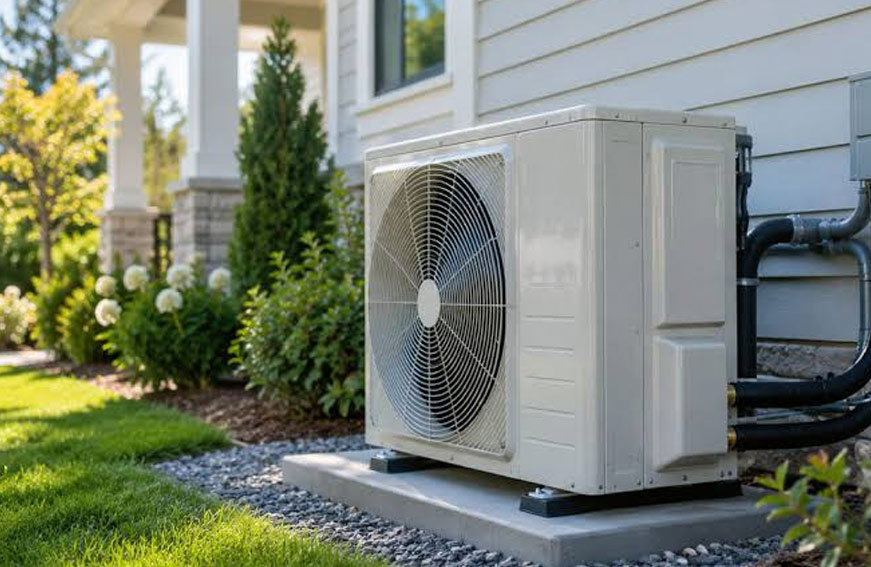
Modern heating and cooling systems are increasingly expected to provide reliable comfort while using energy efficiently throughout the year. Heat pumps have become an important option because they can provide both heating and cooling from a single system, allowing property owners to manage indoor temperatures without relying on separate equipment for each season. Unlike traditional systems that generate heat through combustion or electric resistance, heat pumps transfer heat between indoor and outdoor environments as part of their normal operation. This approach can provide an efficient way to maintain comfortable indoor conditions while also offering flexibility for different property requirements. However, the performance of a heat pump depends heavily on correct equipment selection, professional installation, appropriate sizing, proper airflow, suitable controls, and regular service. A professionally planned heat pump installation can establish the foundation for dependable operation by ensuring that the equipment is selected and installed according to the property’s heating and cooling requirements.
Understanding How Heat Pumps Work
A heat pump is designed to move heat rather than simply create it. During cooling operation, the system removes heat from indoor air and transfers it outside, helping lower the indoor temperature. During heating operation, the process is reversed so that available heat from the outdoor environment can be transferred indoors. The system uses a refrigeration cycle involving components such as a compressor, coils, refrigerant, expansion devices, fans, electrical controls, and thermostats. Because these components must operate together, installation quality can have a significant influence on overall performance. A system that is improperly sized, incorrectly connected, poorly positioned, or inadequately configured may not provide the expected level of comfort or efficiency.Understanding the basic operation of a heat pump also helps property owners recognize why professional installation matters. Heat pumps are not simply replacement units that can be connected in the same way as every traditional heating system. The equipment must be selected according to the building’s heating and cooling loads, available electrical capacity, airflow requirements, ductwork or indoor unit configuration, and control requirements. The outdoor unit also needs an appropriate location that allows sufficient airflow and service access. A qualified HVAC professional can evaluate these factors before installation and recommend equipment that matches the property’s actual requirements.
Importance of Proper System Sizing
Correct sizing is one of the most important parts of a successful heat pump project. An oversized system may reach the thermostat setting quickly but can cycle on and off more frequently than necessary, while an undersized system may struggle to maintain comfortable temperatures during periods of high demand. Neither situation represents an ideal operation. Proper sizing involves evaluating the building’s characteristics rather than selecting equipment based only on the size of an existing unit. Factors such as insulation, windows, building orientation, ductwork, occupancy, airflow, and overall structure can influence heating and cooling requirements.A professional assessment helps determine the appropriate capacity and configuration for the property. This process can also identify existing conditions that may affect performance, such as inadequate ductwork, restricted airflow, insufficient insulation, or outdated controls. Addressing these factors during the installation process can provide a more complete solution than simply replacing equipment. The objective should be to create a balanced system that can provide appropriate heating and cooling without unnecessary strain. Proper sizing can also contribute to more consistent indoor temperatures and help the equipment operate according to its intended design.
Selecting the Right Type of Heat Pump
Heat pumps are available in different configurations, and the most suitable option depends on the property’s design and heating and cooling needs. Ducted heat pumps can work with existing or newly installed ductwork to distribute conditioned air throughout the building. Ductless systems can provide targeted heating and cooling to individual rooms or zones without requiring traditional ductwork. Other configurations may be appropriate depending on the building and equipment requirements. Each option has different installation considerations, so professional evaluation is useful before selecting a specific system.A property owner should also consider how the heat pump will be used throughout the year. Some systems are intended to provide both heating and cooling as a primary source of comfort, while others may operate alongside another heating system. Hybrid or dual-fuel arrangements can combine different technologies according to outdoor conditions and system controls. The correct configuration depends on the building, existing equipment, comfort expectations, and energy requirements. A professional HVAC contractor can explain the available options and help determine which configuration is compatible with the property.
Preparing the Property for Installation
Before equipment is installed, the property should be evaluated carefully. Existing ductwork, electrical connections, thermostat wiring, insulation, airflow, and equipment locations can all influence the installation process. If ductwork has significant leaks or restrictions, simply connecting a new heat pump may not resolve existing comfort problems. Similarly, inadequate electrical capacity may require additional work before the equipment can operate safely and reliably. Identifying these issues in advance helps prevent unexpected complications during installation.The indoor and outdoor equipment locations should also be selected with performance and accessibility in mind. Outdoor units require sufficient clearance for airflow and should be positioned where they can be accessed for maintenance and repairs. Indoor components should be installed where they can distribute conditioned air effectively and remain accessible for future service. Proper planning can help create a cleaner installation while making future maintenance easier. Professional installers can evaluate these factors and organize the installation according to the specific equipment and property requirements.
Installing the Outdoor Unit Correctly
The outdoor unit plays a critical role in heat pump operation because it participates in both heating and cooling processes. Its location can influence airflow, accessibility, drainage, noise, and overall performance. The unit should have appropriate clearance around it so that air can move freely through the system. Vegetation, debris, structures, and other obstructions can interfere with airflow if they are positioned too close to the equipment. A suitable installation surface is also important because the unit should remain stable and properly positioned during operation.Professional installation includes making sure that refrigerant lines, electrical connections, drainage requirements, and other necessary connections are completed correctly. The outdoor unit must also be positioned according to manufacturer requirements. Incorrect installation can contribute to vibration, airflow restrictions, refrigerant problems, or other operational concerns. Taking the time to establish the outdoor unit properly can support more dependable performance and provide technicians with appropriate access for future service.
Installing Indoor Components and Airflow Connections
The indoor portion of a heat pump system must be installed in a way that supports effective air distribution. For ducted systems, the connection between the indoor unit and existing ductwork is particularly important. Poorly connected or undersized ducts can restrict airflow and reduce the benefits of new equipment. Duct leaks can also allow conditioned air to escape before it reaches occupied spaces. During installation, the condition and configuration of the duct system should therefore be considered as part of the overall project.Ductless systems require careful positioning of indoor units to provide suitable air distribution. The location of each indoor unit can influence how effectively a room receives heating and cooling. Indoor units should be installed securely and positioned according to manufacturer recommendations. Proper communication between indoor and outdoor components is also necessary for reliable operation. Professional installers can verify these connections and configure the equipment so that the complete system operates as intended.
Electrical and Refrigerant Connections
Heat pumps contain electrical and refrigeration components that require specialized installation knowledge. Electrical connections must be completed according to applicable requirements and manufacturer specifications. Incorrect wiring or inadequate electrical connections can affect system performance and create safety concerns. Refrigerant lines also require careful installation because leaks, improper connections, contamination, or incorrect charging can interfere with the refrigeration cycle.After installation, the system should be tested to confirm that the major components are operating correctly. Technicians can evaluate electrical connections, refrigerant-related conditions, airflow, controls, and system operation. Proper testing is important because an installation should not be considered complete simply because the equipment turns on. The system needs to operate through its appropriate modes and provide the expected heating and cooling response. Professional commissioning helps verify that the installation has been completed correctly and provides an opportunity to address concerns before the equipment enters regular service.
Thermostat and Control Integration
The thermostat is an important part of heat pump operation because it communicates temperature requirements to the system. Heat pumps may use specialized controls to manage heating, cooling, auxiliary heat, defrost cycles, and other operating functions. Correct thermostat configuration is therefore important. A thermostat that is incompatible or improperly programmed may cause unusual cycling, inefficient operation, or inconsistent comfort.Modern heat pump systems can also be paired with smart thermostats and zoning controls. These technologies can provide more detailed temperature management and scheduling options. Zoning can be particularly useful when different parts of a property have different comfort requirements. Professional installation can include evaluating the compatibility of existing controls and recommending appropriate upgrades when needed. Proper control configuration allows the heat pump and thermostat to communicate effectively and helps the equipment respond appropriately to changing indoor conditions.
Energy Efficiency and Long-Term Performance
One of the reasons property owners consider heat pumps is their potential for efficient heating and cooling. However, equipment efficiency ratings alone do not determine real-world performance. Installation quality, system sizing, ductwork, airflow, controls, insulation, maintenance, and operating conditions can all influence how efficiently the system performs. A highly efficient unit can still experience performance problems if it is improperly sized or installed.Professional installation provides an opportunity to address the complete system rather than focusing only on the equipment itself. The installer can evaluate airflow, duct connections, electrical requirements, thermostat settings, and other factors that contribute to overall operation. Once installed, regular maintenance can help preserve performance by keeping components clean and identifying developing issues. Filters should be maintained according to manufacturer recommendations, outdoor equipment should remain reasonably clear of debris, and professional inspections should be scheduled as appropriate for the system.
Heat Pumps and Indoor Comfort
Consistent comfort is one of the primary goals of any heating and cooling system. Heat pumps can provide both heating and cooling, but achieving consistent temperatures requires proper system design and airflow. If rooms have significant differences in temperature, the cause may involve ductwork, insulation, airflow distribution, thermostat placement, system sizing, or other factors. A professional assessment can help identify these conditions rather than assuming that the equipment itself is the only issue.A properly configured heat pump can provide a balanced approach to year-round comfort. Because the same general system can provide heating and cooling, property owners may benefit from having fewer separate mechanical systems to manage. However, regular service remains important because the equipment operates across different modes and may experience substantial operating hours throughout the year. Professional inspections can help keep the system operating according to its intended design.
Maintenance After Installation
Installation is only the beginning of the equipment’s service life. Like other HVAC systems, heat pumps require ongoing attention to remain reliable. Filters should be inspected regularly, outdoor units should be kept free from excessive debris, and unusual sounds or changes in system performance should be addressed promptly. Professional maintenance can include inspection of electrical connections, coils, motors, controls, refrigerant-related components, airflow, and other system parts.Regular service can also help identify small problems before they become larger repairs. For example, a technician may discover a developing electrical issue, restricted airflow, worn component, drainage concern, or other condition during a routine visit. Addressing these issues early may help prevent more disruptive failures. Maintenance records can also provide useful information about the equipment’s condition and help property owners plan future service or replacement decisions.
Common Installation Mistakes to Avoid
Several installation problems can affect heat pump performance, which is why professional installation is important. Incorrect sizing, inadequate airflow, poor duct connections, improper outdoor unit placement, incorrect electrical connections, refrigerant problems, and incompatible controls can all interfere with system operation. Cutting corners during installation may reduce initial project costs but can create additional service requirements later. A complete installation should focus on proper equipment selection, accurate connections, system testing, and appropriate configuration.Another common mistake is treating a new heat pump as an isolated piece of equipment. The condition of the building and existing HVAC infrastructure can influence how well the new system performs. If ductwork is damaged or airflow is restricted, those conditions should be considered. If insulation is inadequate, improving the building envelope may also be beneficial. Addressing related conditions during installation can help the new system provide more consistent performance.
Professional Heat Pump Services
Choosing a qualified HVAC service provider can make a significant difference in the long-term performance of a heat pump. Experienced professionals can evaluate the property, discuss equipment options, determine appropriate sizing, install the system, configure controls, and provide ongoing maintenance and repair services. Having access to installation and service from the same provider can also make future troubleshooting easier because the service team can become familiar with the equipment and installation configuration.Chris Mechanical provides heating and cooling services that include heat pumps, ductless systems, maintenance, repairs, installations, indoor air quality solutions, thermostats, and other HVAC services. A complete approach to heat pump service can help property owners address both immediate installation needs and long-term equipment care. Professional guidance can also help property owners understand when maintenance is required, what warning signs should be monitored, and which upgrades may improve comfort or system operation.
Planning for Long-Term HVAC Needs
A heat pump installation should be considered a long-term investment rather than a short-term equipment replacement. Property owners should think about current comfort requirements as well as future maintenance, repair, energy use, controls, and potential changes to the property. Selecting appropriate equipment and installing it correctly can establish a strong foundation, while regular service can help maintain performance over time. Keeping documentation about the equipment model, installation, repairs, maintenance, and warranty requirements can also make future service more organized.As HVAC technology continues to develop, property owners may also have opportunities to improve system controls, indoor air quality, zoning, and overall efficiency. A professional HVAC provider can evaluate existing equipment and explain which improvements may be compatible with the system. This allows upgrades to be considered as part of a broader comfort strategy rather than making unrelated changes without evaluating the complete HVAC setup.
Conclusion
A heat pump can provide an effective solution for year-round heating and cooling when the equipment is properly selected, correctly sized, professionally installed, and appropriately maintained. From evaluating the property’s heating and cooling requirements to preparing electrical connections, ductwork, controls, indoor components, and outdoor equipment, every stage of the installation process can influence long-term performance. Professional installation helps ensure that the equipment operates according to its design while providing an opportunity to identify existing conditions that could affect comfort or efficiency.Ongoing care is equally important after the installation is complete. Regular inspections, filter care, airflow checks, professional maintenance, and timely repairs can help protect the system and support reliable operation. Whether a property requires a ducted heat pump, ductless solution, replacement system, or a complete heating and cooling upgrade, careful planning and professional service can make the process more effective. By combining appropriate equipment selection with quality installation and continued HVAC care, property owners can create a dependable approach to indoor comfort. For professional heating, cooling, heat pump, ductless, maintenance, repair, and indoor air quality services, heat pump installation can be an important step toward establishing an efficient and reliable HVAC system that supports comfort throughout the year. A properly completed heat pump installation also provides the foundation for future maintenance and dependable system performance.

