


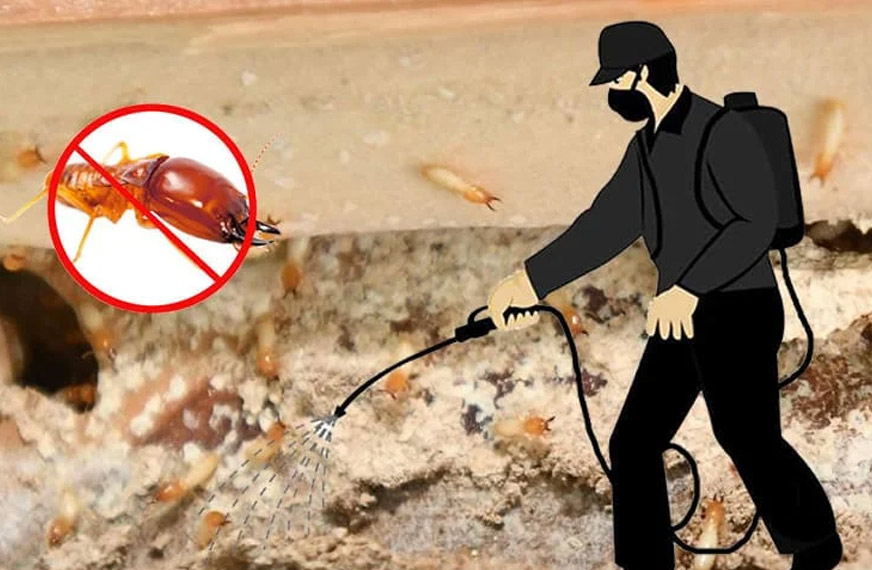
Termites are among the most damaging pests that can affect buildings because they can remain hidden while gradually feeding on wood and other cellulose-based materials. Unlike many insects that are easy to notice, termites often operate behind walls, beneath floors, inside wooden structures, or underground, making early detection difficult. Their activity can continue for long periods before visible signs become obvious, and extensive damage may already exist when an infestation is finally discovered. Termite treatment is an important part of protecting a property because it can address active infestations and help reduce the risk of continued structural damage. Effective termite management requires more than simply treating visible insects; it involves identifying the termite species, locating activity, understanding environmental conditions, and selecting a suitable control method based on the property’s specific circumstances.
Understanding Termite Infestations
Termites are social insects that live in organized colonies and work together to find food, maintain their nests, and support colony growth. Different termite species have different behaviors, nesting patterns, and preferences, which can influence how they are managed. Some species establish colonies in soil and travel toward buildings in search of food, while others can live directly within wooden structures. Termite treatment should therefore begin with accurate identification and a thorough inspection of the affected property. Understanding where termites are coming from and how they are accessing a building can help professionals determine which control strategy is appropriate. Treating only the visible signs of activity may not address the larger colony, which is why professional assessment is an important part of an effective management plan.
Why Termite Damage Can Be Difficult to Detect
One of the biggest challenges associated with termites is their ability to cause damage without being immediately visible. Termites can enter through small cracks, foundation openings, utility penetrations, and other hidden access points. They may then travel through concealed spaces and feed on wooden materials without creating obvious signs on the surface. Termite treatment can help stop active damage once an infestation has been identified, but early detection is especially valuable because smaller infestations may be easier to manage than widespread activity. Property owners should pay attention to unusual signs such as hollow-sounding wood, discarded wings, mud tubes, damaged timber, small openings, or unexplained changes in wooden surfaces. Professional inspections can reveal activity that may not be obvious during a routine visual check.
Identifying Common Signs of Termite Activity
Several indicators can suggest that termites are active around or inside a building. Mud tubes may appear along foundations, walls, or other surfaces when certain termite species travel between their colony and food sources. Discarded wings can sometimes be found near windows, doors, light sources, or other areas after reproductive termites leave their original colony. Damaged wood may appear hollow, weakened, blistered, or unusually fragile depending on the extent and location of the activity. Termite treatment professionals can examine these signs and determine whether they indicate current activity or older damage. Accurate identification is important because other insects, moisture problems, or natural wood deterioration can sometimes create symptoms that resemble termite damage. A professional inspection can help distinguish between these possibilities and establish an appropriate course of action.
The Importance of Professional Inspection
A detailed inspection provides the foundation for developing an effective termite management plan. Professionals may inspect foundations, crawl spaces, basements, attics, wooden framing, flooring, cabinets, storage areas, and other locations where termite activity may occur. They may also look for moisture problems, wood-to-soil contact, cracks, drainage issues, and other conditions that can contribute to infestation risks. Termite treatment should be selected only after the property has been evaluated carefully because the best method depends on factors such as termite species, activity level, construction type, and access to affected areas. A thorough inspection can also identify damage that requires attention from a qualified building or repair professional. Understanding both the pest problem and the condition of the structure allows treatment and repair decisions to be coordinated more effectively.
Choosing Between Different Treatment Methods
There is no single treatment method that is appropriate for every termite infestation. The right approach depends on the species involved, the location of the colony, the construction of the building, the level of activity, environmental conditions, and other factors. Termite treatment options may include liquid applications, baiting systems, localized treatments, wood treatments, structural modifications, and preventive measures. Professionals may use one method or combine several strategies depending on the circumstances. The goal is not simply to eliminate visible termites but to interrupt the infestation and reduce the possibility of continued activity. A qualified pest management professional can explain the available methods, their intended purpose, and any preparation or follow-up requirements before treatment begins.
Liquid Treatment Methods
Liquid termiticides are commonly used in termite management programs and may be applied to soil or specific structural areas according to product instructions and professional treatment plans. These products can create treated zones that termites encounter while traveling between the colony and a building. Termite treatment using liquid products requires careful application because the effectiveness of the system depends on proper coverage, correct concentration, suitable application locations, and adherence to product requirements. Professionals must also consider building construction, soil conditions, drainage, utility lines, and other factors before applying a treatment. Property owners should never assume that using more products will produce better results. Correct application according to the label and applicable requirements is essential for both effectiveness and safety.
Baiting Systems and Monitoring
Baiting systems provide another method of managing termite colonies and can be particularly useful when ongoing monitoring is part of the control strategy. Bait stations are positioned in suitable locations where termite activity can be detected and monitored. When termites feed on an appropriate bait, workers may carry the material back to the colony, where it can affect other members of the population. Termite treatment through baiting often requires patience because the process depends on termite behavior and colony activity rather than immediate elimination of every visible insect. Stations need to be inspected and maintained regularly so that professionals can monitor activity and replace or manage bait as necessary. This makes baiting different from some treatment approaches that are designed primarily around creating a chemical barrier.
Addressing Moisture Problems
Moisture can create conditions that support termite activity and other pest problems. Leaking pipes, damaged gutters, poor drainage, condensation, and inadequate ventilation can contribute to damp areas around or inside a building. Termite treatment can be more effective when these environmental issues are addressed at the same time because eliminating favorable conditions can reduce the property’s attractiveness to termites. Property owners should inspect areas around plumbing, bathrooms, roofs, foundations, crawl spaces, and other moisture-prone locations for signs of leaks or water accumulation. Improving drainage and repairing leaks can also help protect wooden materials from moisture-related deterioration. Moisture management alone is not a complete termite control strategy, but it can be an important part of a broader prevention and maintenance plan.
Protecting Wooden Structures
Wooden components are particularly important to monitor because termites depend heavily on cellulose-based materials as a food source. Structural framing, floor systems, doors, cabinets, furniture, wooden supports, and other materials can become vulnerable if termites gain access. Termite treatment can help protect these components by addressing active infestations and reducing further feeding. However, heavily damaged wood may require repair or replacement after the pest problem has been controlled. Property owners should avoid covering or repairing damaged areas before the source of the termite activity has been investigated because doing so may conceal evidence of an active infestation. Coordinating pest management with appropriate building repairs can help ensure that damaged materials are not restored before the underlying pest problem is properly addressed.
Preventing Future Infestations
Effective termite management should include preventive measures designed to reduce the likelihood of future activity. Keeping wood away from direct soil contact, removing unnecessary wood debris, improving drainage, repairing leaks, maintaining ventilation, and sealing suitable entry points can reduce some common risks. Termite treatment may address an existing infestation, but prevention helps reduce the environmental conditions that can contribute to future problems. Regular property inspections can also identify developing issues before they become serious. Property owners should pay particular attention to areas where wooden structures are close to soil, moisture, vegetation, or concealed entry points. A combination of professional monitoring and routine property maintenance can provide stronger long-term protection than relying solely on occasional emergency treatments.
Regular Inspections and Monitoring
Termite activity can return or develop in new areas even after an infestation has been successfully treated. Regular inspections can help identify new activity before it causes extensive damage. Termite treatment programs may include follow-up visits, monitoring stations, periodic inspections, or other measures depending on the selected control strategy. Monitoring is especially useful for properties that have experienced termite activity in the past or have structural conditions that create ongoing risks. Inspection records can also provide useful information about changes in activity and the effectiveness of previous measures. By maintaining a consistent monitoring schedule, property owners have a better opportunity to identify problems early and respond before the infestation becomes widespread.
Safety During Treatment
Safety is an important consideration whenever pest control products are used around occupied structures. Treatment products must be applied according to their labels, safety instructions, and applicable regulations. Termite treatment may require property occupants to follow specific preparation instructions depending on the method being used. These instructions could involve moving certain items, keeping people or pets away from treated areas for a specified period, or allowing appropriate ventilation where necessary. Property owners should follow professional guidance carefully and should not attempt to modify treatment amounts or application procedures themselves. Professional communication is important because customers need to understand what will happen before, during, and after treatment. Proper precautions help reduce unnecessary risks while allowing the treatment to be carried out as intended.
Choosing a Qualified Professional
Selecting an experienced pest management professional is an important step because termite control can involve specialized inspection techniques, regulated products, structural considerations, and ongoing monitoring. Property owners should ask potential providers about their inspection process, treatment options, follow-up procedures, safety practices, and documentation. A professional should be able to explain why a particular approach is being recommended and what the customer should expect from the service. Termite treatment plans may vary significantly depending on the property, so customers should be cautious of providers who make unrealistic promises without conducting a proper inspection. Clear communication, detailed explanations, and appropriate follow-up can help property owners understand the treatment process and manage expectations.
Long-Term Property Protection
Protecting a property from termites requires a combination of treatment, prevention, maintenance, and monitoring. Termite treatment can address current activity, but long-term protection depends on maintaining conditions that are less favorable to termites and identifying new activity early. Property owners should keep records of inspections and previous treatments, monitor areas where termite activity has occurred, and address moisture or structural problems promptly. Renovations and construction changes should also be considered because modifications can create new entry points or alter existing environmental conditions. A long-term approach recognizes that pest management is not necessarily a one-time task. Consistent attention can help reduce risks and protect valuable structural materials over the life of the building.
Conclusion
Termites can cause significant damage when infestations remain hidden and untreated for extended periods. Choosing an appropriate termite treatment method requires accurate pest identification, detailed inspection, careful consideration of building conditions, and professional application of suitable control techniques. Liquid treatments, baiting systems, localized applications, monitoring programs, and preventive measures may all have a role depending on the specific circumstances. Property owners can further reduce risks by controlling moisture, maintaining wooden structures, reducing entry points, and scheduling regular inspections. Professional guidance can help ensure that treatment decisions are based on the actual conditions of the property rather than assumptions. By combining effective treatment with prevention and ongoing monitoring, property owners can take practical steps toward controlling termite infestations and protecting their structures from costly long-term damage.

