


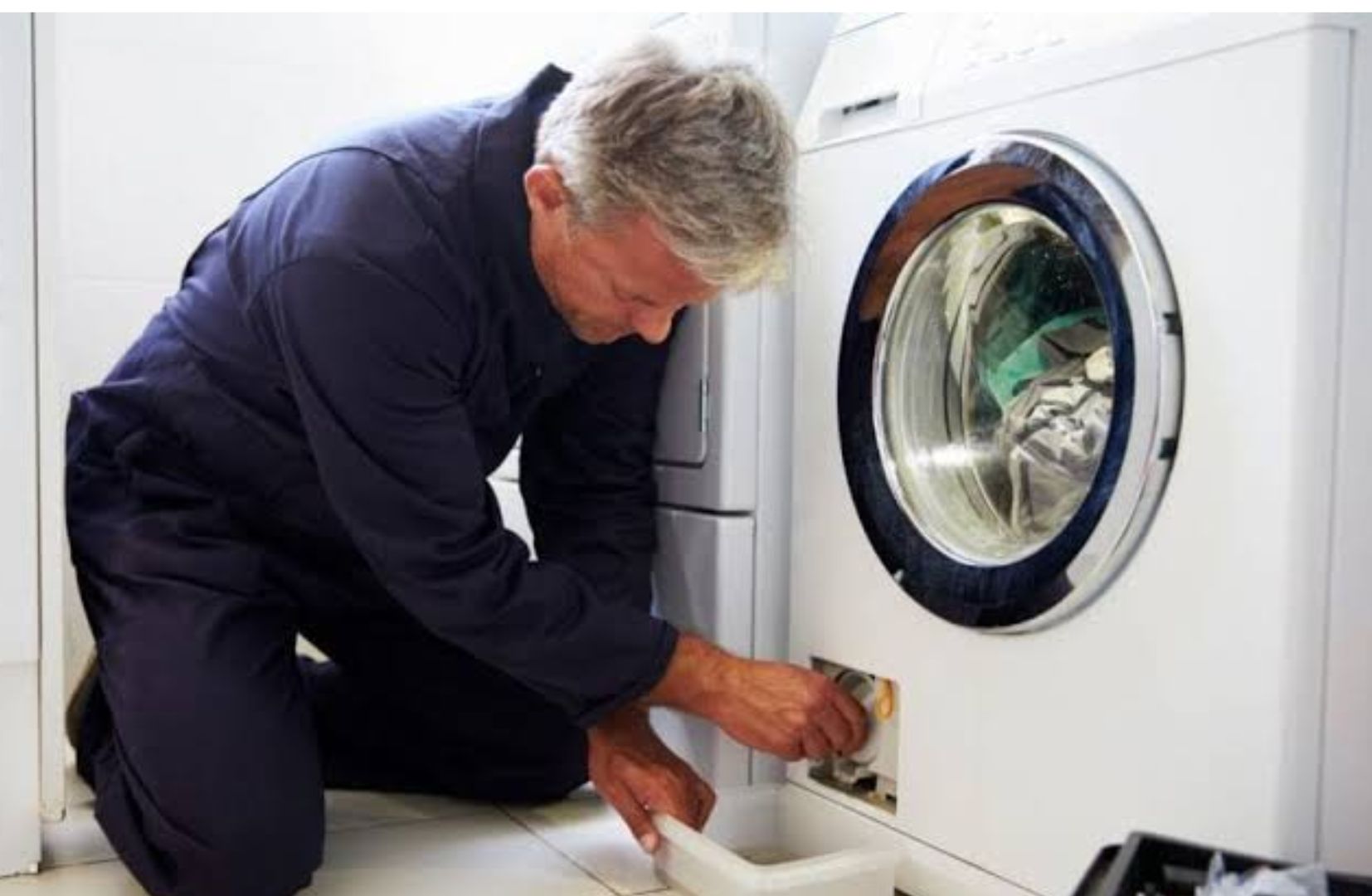
A washing machine is one of the most useful appliances in a modern home because it makes regular laundry faster, easier, and more convenient. Since the appliance is used frequently, its mechanical and electrical components can eventually experience normal wear, buildup, blockages, or unexpected faults. Recognizing early warning signs can help prevent minor issues from developing into more expensive problems. Strange sounds, water leaks, poor spinning, drainage failures, and unusual vibrations are all signs that deserve attention. Basic maintenance can resolve some simple concerns, while more complicated faults may require professional assistance. When an appliance needs technical attention, laundry machine repair can help identify the underlying problem and restore reliable performance.
Understanding Common Washing Machine Faults
Washing machines contain many components that must work together during washing, rinsing, draining, and spinning cycles. These components include motors, pumps, belts, hoses, valves, bearings, sensors, switches, suspension systems, and electronic control boards. A problem with one component can sometimes affect several functions of the appliance, which makes accurate diagnosis important. For example, a washer that does not spin may have an overloaded drum, an unbalanced load, a worn belt, or a motor-related problem. A machine that leaves water inside the drum could have a blocked hose, clogged filter, or faulty drain pump. Proper laundry machine repair starts with identifying the actual cause rather than simply replacing parts based on visible symptoms.
Unusual Noises During Operation
Unusual noises are among the most common warning signs that a washing machine may require attention. Some operating sounds are completely normal, but loud banging, grinding, squealing, rattling, or repeated knocking can indicate an issue. An unbalanced load can make the drum shake, while coins, buttons, or other objects may become trapped and create rattling sounds. More persistent mechanical noises can sometimes be related to worn bearings, damaged suspension components, drive problems, or other internal faults. Ignoring these sounds may allow the affected component to deteriorate further and potentially place stress on surrounding parts. Arranging laundry machine repair when unusual noises continue can help determine whether the problem is simple or requires more extensive work.
Washing Machine Not Spinning Properly
The spin cycle is essential because it removes excess water from clothes before they are transferred to the drying stage. If a washing machine does not spin, spins slowly, or repeatedly stops during the cycle, several different causes may be responsible. An overloaded drum can prevent proper balance, while a very small or uneven load can also cause the appliance to struggle during spinning. Mechanical problems involving the drive belt, motor, coupling, lid switch, or other components can also affect performance. Homeowners can first try redistributing clothing and reducing the load to see whether the problem disappears. If the issue continues despite correct loading, laundry machine repair may be required to determine whether a mechanical or electrical component has failed.
Water Leaks and Damaged Hoses
Water leaking from a washing machine should not be ignored because continued leakage can damage flooring, walls, cabinets, and nearby components. Common sources include loose water connections, damaged supply hoses, cracked drain hoses, worn door seals, detergent dispenser problems, and internal pump leaks. External hoses can often be inspected for visible cracks, swelling, or loose fittings, but internal leaks may require professional inspection. Front-loading machines can also develop leaks around the door when the rubber gasket becomes worn, damaged, or covered with buildup. If the source of the leak cannot be identified through a basic inspection, laundry machine repair can help locate the defective component and reduce the possibility of further water damage.
When the Machine Will Not Start
A washing machine that suddenly refuses to start can have a simple power-related problem or a more complicated electrical fault. The first step is to check whether the appliance is receiving electricity and whether the circuit breaker has tripped. The door or lid should also be closed correctly because many washing machines use safety switches that prevent operation when the door is not securely locked. Incorrect cycle settings or a delayed-start feature can sometimes make the machine appear unresponsive as well. If the appliance has power but the controls remain inactive, the problem could involve the door lock, control panel, wiring, timer, or electronic control board. When basic checks do not solve the issue, laundry machine repair can provide a systematic diagnosis instead of repeated attempts to restart the appliance.
Drainage Problems and Standing Water
A washing machine that completes its cycle but leaves water inside the drum may have a drainage problem. One common cause is a blocked drain hose, filter, or pump, especially when small objects such as coins, buttons, or pieces of fabric enter the drainage system. Excessive detergent can also create too many suds and interfere with normal washing and drainage performance. Depending on the appliance design, users may be able to clean an accessible filter or inspect the external drain hose by following the manufacturer’s instructions. If those basic steps do not resolve the problem, the drain pump or another internal component may require testing. Professional laundry machine repair can determine whether the drainage system needs cleaning, adjustment, or replacement of a damaged component.
Importance of Regular Washing Machine Maintenance
Regular maintenance can improve the reliability and efficiency of a washing machine while helping reduce unnecessary wear. Hoses should be inspected periodically for cracks, swelling, corrosion, or loose connections. Detergent drawers should also be cleaned because residue and mineral buildup can restrict water flow and create unpleasant smells. The drum and door seal should be kept clean, while the appliance should be allowed to dry properly after use when recommended by the manufacturer. Overloading should also be avoided because excessive weight can place additional strain on the motor, bearings, suspension system, and other components. A consistent maintenance routine can reduce the need for frequent laundry machine repair and help identify potential problems before they become major failures.
How to Troubleshoot Basic Problems Safely
Basic troubleshooting can resolve some washing machine issues without professional assistance, provided appropriate safety precautions are followed. Checking the power supply, confirming that the water supply is available, balancing the load, inspecting accessible hoses, and reviewing the manufacturer’s instructions are reasonable first steps. However, users should avoid removing electrical panels, bypassing safety switches, or modifying internal wiring without appropriate technical knowledge. If the appliance produces sparks, has a burning smell, repeatedly trips the circuit breaker, or shows signs of serious electrical damage, it should be switched off and disconnected when it is safe to do so. Water-related problems should also be handled carefully because electricity and moisture can create serious hazards. When basic troubleshooting fails, professional laundry machine repair is a safer alternative to attempting unfamiliar internal work.
Choosing Between Repair and Replacement
When a washing machine develops a significant fault, homeowners often have to decide whether repairing the appliance or purchasing a replacement makes more sense. Several factors can influence this decision, including the age of the machine, its previous repair history, the price of replacement parts, and the seriousness of the current problem. A relatively inexpensive component may be worth replacing when the rest of the appliance is functioning well. However, an older machine that has experienced repeated failures may require more frequent and expensive repairs. A professional inspection can provide useful information about the problem and the likely cost of correcting it. This allows the owner to consider the appliance’s condition and expected service life before making a decision.
Benefits of Professional Diagnosis
Professional diagnosis is important because the visible symptom of a washing machine problem does not always reveal the actual failed component. A technician can inspect the appliance systematically and use suitable testing methods to determine whether the issue is mechanical, electrical, hydraulic, or electronic. Depending on the fault, testing may involve motors, pumps, switches, sensors, wiring, belts, valves, control boards, and other components. This approach can reduce unnecessary part replacement and improve the chances of addressing the real source of the problem. An experienced technician may also identify secondary damage that is not immediately visible. Effective laundry machine repair should therefore focus on accurate diagnosis before repair whenever the cause of the failure is uncertain.
Problems With Water Temperature
Some washing machine users notice that their clothes are not being washed at the expected water temperature. If an appliance fails to heat water correctly, the issue could involve the heating element, temperature sensor, wiring, control board, or water supply configuration. Before assuming that the machine has developed a fault, users should check the selected cycle because some programs are designed to use cold water. If the appliance consistently fails to heat water during cycles that require heating, further inspection may be necessary. Heating components can involve electrical hazards and should not be handled casually. For persistent temperature problems, laundry machine repair can determine whether the heating system or another component is responsible.
Preventing Excessive Vibration
A washing machine that shakes or moves excessively during operation may have an installation, loading, or mechanical problem. The appliance should normally sit level on a stable surface, and its adjustable feet should be correctly positioned according to the manufacturer’s instructions. Uneven loads can also cause strong vibration, particularly when large items gather on one side of the drum. If the machine continues to vibrate even after the load has been balanced and the appliance has been leveled, worn suspension components or another mechanical issue may be responsible. Excessive movement should not be ignored because repeated vibration can put additional stress on the appliance and surrounding surfaces. Appropriate laundry machine repair can help identify the cause and restore stable operation.
Extending the Life of Your Washing Machine
The lifespan of a washing machine can often be improved through proper use and regular care. Users should follow the manufacturer’s recommended load capacity instead of filling the drum beyond its intended limit. Pockets should be checked before washing to prevent coins, screws, keys, and other objects from entering the drum or drainage system. The correct detergent and recommended quantity should be used because excessive detergent can contribute to residue and buildup. Periodic cleaning cycles can also help maintain the drum and reduce unpleasant odors when recommended by the manufacturer. These simple habits can reduce unnecessary strain on the appliance and help minimize the need for frequent laundry machine repair over time.
When Immediate Service May Be Necessary
Some washing machine problems require faster attention than ordinary maintenance concerns. A burning odor, electrical sparking, severe water leakage, repeated circuit breaker trips, or violent movement during operation should not be treated as normal symptoms. Continuing to use the appliance in these circumstances may worsen the existing fault or create additional safety risks. If the machine produces an extremely loud mechanical noise or shows visible signs of serious damage, it may be better to stop using it until the cause has been assessed. Homeowners should avoid experimenting with internal electrical or mechanical components without suitable expertise. Prompt laundry machine repair can help identify serious faults and determine the appropriate corrective action.
Creating a Long-Term Maintenance Routine
A simple maintenance routine can make washing machine ownership easier and help prevent avoidable problems. Users can periodically inspect hoses, clean accessible filters, remove detergent buildup, check the door seal, and make sure the appliance remains properly balanced. It is also helpful to avoid overloading the machine and to follow recommended detergent guidelines for the specific model. Keeping the owner’s manual available can make troubleshooting easier because different washing machines have different maintenance requirements and error codes. Homeowners can also keep records of previous repairs and replaced components, especially if the appliance has required service several times. Combining preventive care with timely laundry machine repair can support dependable performance and help extend the useful life of the appliance.
Final Thoughts
A washing machine is designed to provide convenience, but like any frequently used appliance, it requires appropriate care and attention. Strange noises, poor spinning, drainage failures, leaks, excessive vibration, temperature problems, and electrical issues can all indicate that something needs to be investigated. Simple maintenance and basic troubleshooting may resolve some minor concerns, but complex mechanical or electrical faults should be handled by appropriately trained professionals. Regular inspection, correct loading, suitable detergent use, and timely attention to warning signs can reduce unnecessary wear and improve overall reliability. When a fault goes beyond basic troubleshooting, laundry machine repair can provide a structured solution based on proper diagnosis and the condition of the appliance. By taking maintenance seriously and responding to problems early, homeowners can protect their appliance and keep their washing machine operating efficiently for years to come.

