


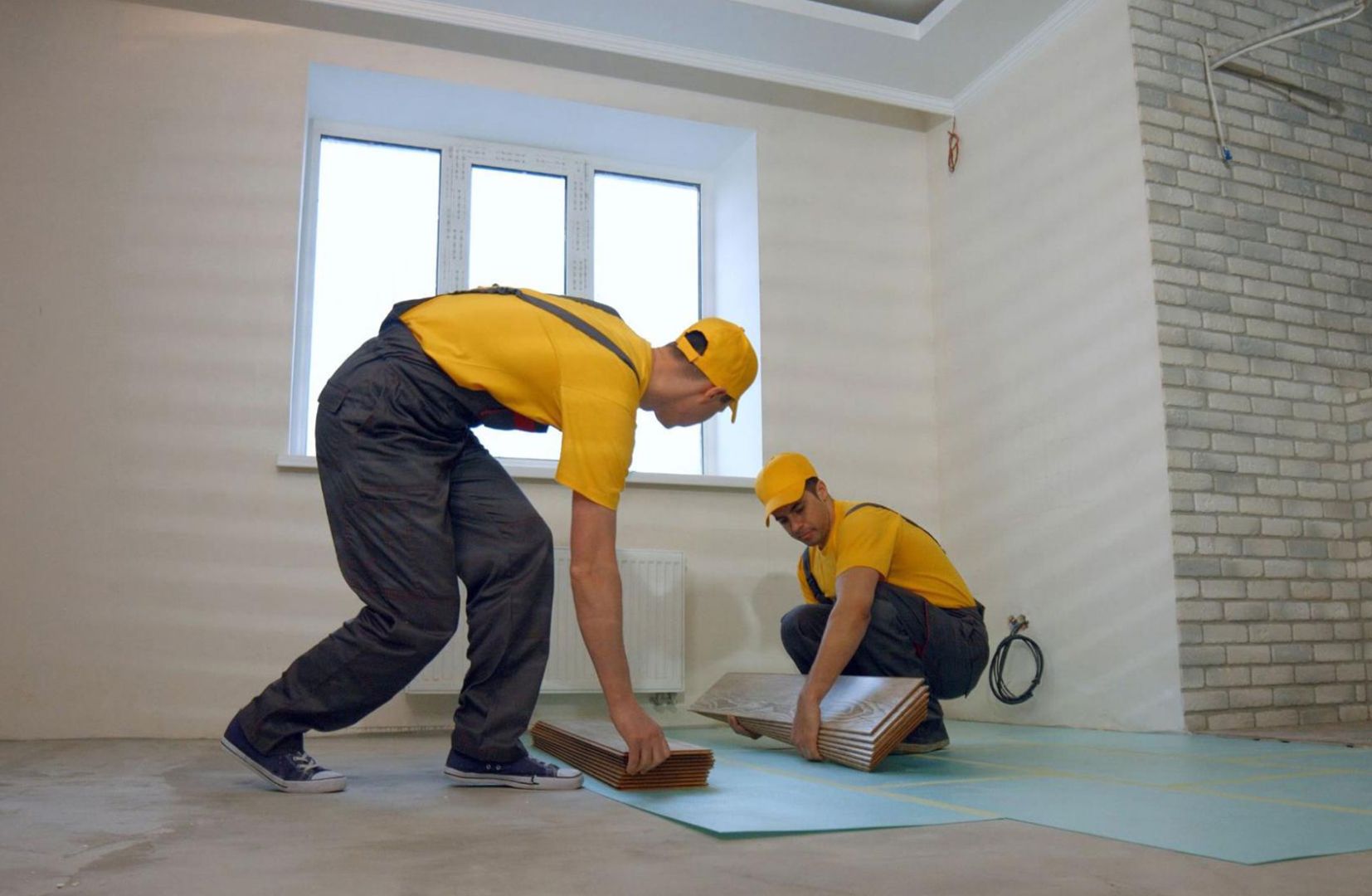
Choosing new flooring is an important home improvement decision because the right floor can transform the appearance, comfort, and functionality of an interior space. However, selecting attractive flooring material is only part of the project. The quality of the installation has a major influence on how the finished floor looks and performs over time. Even premium materials can develop gaps, uneven surfaces, movement, cracking, or premature wear when the underlying surface is not prepared correctly or the installation method does not match the flooring product. For this reason, homeowners should pay close attention not only to the flooring they purchase but also to the professional responsible for installing it.
A qualified flooring contractor can help with material selection, measurements, subfloor preparation, installation, transitions, finishing details, and post-installation care. Different flooring products require different techniques, tools, adhesives, underlayments, and preparation standards. Hardwood, laminate, vinyl, tile, engineered wood, and specialty flooring cannot simply be installed using the same process. Manufacturer installation guidance also commonly specifies requirements for the substrate, moisture, temperature, expansion, and fitting method, making product-specific experience particularly valuable.
Understanding the Role of a Flooring Professional
A flooring professional does considerably more than place boards, tiles, or planks across a room. The process typically begins with an assessment of the space and the existing floor. Measurements are taken to determine the amount of material required, while the condition of the subfloor is evaluated for unevenness, movement, damage, or moisture concerns. Proper planning at this stage can prevent many problems later in the project.
The contractor may also discuss the intended use of each room. A busy hallway, family room, bedroom, kitchen, bathroom, and commercial space can have very different flooring requirements. Foot traffic, exposure to moisture, furniture loads, pets, cleaning routines, and aesthetic preferences can all influence the appropriate product. A professional who understands these factors can help narrow down options that are suitable for the property’s practical needs rather than focusing solely on appearance.
Installation itself is another specialized part of the job. Some flooring products are installed as floating systems, while others require adhesives, nails, staples, grout, or other fastening methods. The correct approach depends on the product and substrate. Professional installation guidance emphasizes that flooring-specific preparation and fitting methods are essential for achieving a consistent result. Floor Warehouse
Why Subfloor Preparation Matters
One of the most important aspects of a successful flooring project is the condition of the surface underneath the finished material. A beautiful floor cannot compensate for a damaged, unstable, excessively uneven, or unsuitable subfloor. Problems beneath the visible surface can eventually appear as movement, squeaking, cracked tiles, separated seams, or uneven boards.
Before installation begins, the existing surface should be cleaned and inspected. Depending on the flooring type, the installer may need to repair damaged areas, fill imperfections, remove old adhesive, level uneven sections, or address other substrate problems. Moisture testing may also be necessary, particularly when installing materials that can be affected by excess moisture. Manufacturer installation documentation commonly includes substrate and moisture requirements for specific products. Armstrong Flooring®
Ignoring preparation can create expensive problems. For example, an uneven subfloor can prevent planks from sitting correctly, while excess moisture can affect wood-based products and certain adhesives. A professional approach therefore treats preparation as a fundamental stage rather than an optional extra.
Selecting the Right Flooring Material
The ideal flooring material depends on the room, lifestyle, budget, design preferences, and maintenance expectations. Hardwood remains popular because of its natural appearance and long-term appeal. It can provide warmth and character, but it may require more careful maintenance and consideration of environmental conditions than some manufactured alternatives.
Laminate flooring can provide the visual appearance of wood while generally offering a different combination of cost, maintenance, and installation characteristics. Vinyl and SPC products are frequently considered for areas where moisture resistance and easy maintenance are priorities. Current flooring options include waterproof vinyl and SPC products, laminate, engineered hardwood, solid hardwood, and other systems, each serving different practical needs. Interior Materials PK
Tile is another versatile choice and can be especially useful in areas where durability and moisture resistance are important. However, tile installation requires accurate layout, appropriate substrate preparation, suitable bonding materials, consistent spacing, and proper curing. Carpet, meanwhile, can provide softness and sound absorption and may be appropriate for bedrooms, offices, and other areas where comfort is a priority.
A knowledgeable installer should be able to explain the advantages and limitations of the materials being considered. Rather than simply recommending the most expensive product, the contractor should connect the material’s characteristics to the requirements of the space.
Measuring the Space Accurately
Accurate measurements are essential before purchasing flooring. Ordering too little material can delay a project, while purchasing substantially more than necessary can increase costs. Most flooring projects require some additional material to account for cuts, pattern matching, installation waste, and future repairs.
The shape of a room can make calculations more complicated than simply multiplying length by width. Hallways, alcoves, closets, curved sections, doorways, stairs, and unusual architectural features can affect the amount of material required. Patterned flooring may also require additional material because boards or tiles need to be positioned carefully to maintain a consistent design.
An experienced flooring professional can take detailed measurements and identify areas that may require additional material or specialized installation techniques. This is particularly valuable for large projects or homes with complicated layouts.
Comparing Contractor Experience
Experience should be evaluated based on the type of flooring being installed rather than simply the number of years a contractor has been in business. Someone who has extensive experience installing ceramic tile may not have the same level of expertise with hardwood, engineered flooring, epoxy, or luxury vinyl.
Homeowners should ask whether the contractor regularly works with the specific material selected for the project. It can also be helpful to request photographs of completed installations that are similar to the planned project. Looking at full-room examples can reveal details that may not be obvious in small promotional images.
A professional should also be comfortable discussing challenging areas such as stairs, transitions, doorways, borders, irregular rooms, and changes between different flooring materials. These details often determine whether an installation looks professionally finished.
Evaluating the Installation Estimate
Price is naturally an important consideration, but the lowest quotation is not necessarily the most economical choice over the long term. A flooring estimate should clearly explain what is included in the project. Preparation, removal of existing flooring, underlayment, adhesive, trim, transitions, disposal, furniture movement, and other accessories can affect the total cost.
Two contractors may provide very different prices because their scopes of work are different. One estimate might include extensive subfloor preparation and finishing materials, while another may cover only basic installation. Comparing the final numbers without comparing the included services can therefore produce a misleading result.
A detailed written estimate makes it easier to understand the project’s financial requirements before work begins. It should also identify potential additional charges and explain how unexpected substrate problems will be handled. Clear communication about these matters can reduce disagreements once the project is underway.
Asking About Subfloor and Moisture Testing
Moisture is an important consideration for many flooring systems. Wood products can respond to changes in moisture and humidity, while concrete substrates may contain moisture that needs to be evaluated before certain flooring products are installed. Professional installation guidance recommends appropriate testing and acceptable moisture limits based on the selected flooring system. Armstrong Flooring®
A contractor should be able to explain whether testing is necessary for the chosen product and what preparation will be performed if the substrate does not meet the required conditions. Active water leaks should be resolved before new flooring is installed. Simply covering a moisture problem with a new floor can conceal the issue while allowing damage to continue underneath.
Homeowners should be cautious when a contractor dismisses moisture concerns without inspecting the substrate. A reliable installation process considers conditions beneath the flooring rather than focusing exclusively on the visible finished surface.
Understanding Installation Methods
Different flooring products require different installation systems. Floating floors are often designed to connect without permanent bonding to the substrate, while glue-down products depend on compatible adhesives and correct application. Hardwood may be nailed, stapled, glued, or floated depending on the product and construction. Tile generally requires a properly prepared base and suitable bonding materials.
The installation method can influence the project’s preparation requirements, cost, timeline, and future maintenance. A professional should explain which method is appropriate for the selected material and why.
Following the manufacturer’s installation instructions is especially important. These instructions may specify requirements for room conditions, subfloor flatness, moisture levels, underlayment, adhesives, expansion spaces, and curing periods. Skipping these requirements can affect the performance of the floor and may create warranty complications. Armstrong Flooring®+1
The Importance of Layout and Finishing Details
A professional-looking floor depends heavily on layout. The direction of planks, placement of seams, tile alignment, transitions, and border positioning can significantly affect the visual appearance of a room. Installers should plan the layout before cutting large quantities of material.
Transitions between rooms also deserve careful attention. Different flooring heights may require transition strips, reducers, thresholds, or other finishing products. Doorways can be boards and trim can also influence the final result. Depending on the project, existing trim may need to be removed and reinstalled, replaced, or adjusted to accommodate the new floor height. These finishing details should be included in the project plan rather than making the installation process smoother by preparing the work area before the crew arrives. Furniture, personal belongings, and fragile items should be removed from the contractor should also discuss appliances, doors, pets, children, ventilation, access, dust, noise, and the order in which rooms will be completed. It is particularly challenging because flooring may need to meet another surface while maintaining a clean and functional appearance.
Baseboards and trim can also influence the final result. Depending on the project, existing trim may need to be removed and reinstalled, replaced, or adjusted to accommodate the new floor height. These finishing details should be included in the project plan rather than addressed as an afterthought.
Preparing Your Home for Installation
Homeowners can make the installation process smoother by preparing the work area before the crew arrives. Furniture, personal belongings, and fragile items should be removed from the rooms being renovated unless furniture-moving services have been specifically included in the contract.
The contractor should also discuss appliances, doors, pets, children, ventilation, access, dust, noise, and the order in which rooms will be completed. If the property remains occupied during the renovation, planning the workflow becomes especially important.
New flooring may also require a period during which it should not receive heavy traffic. Some adhesives, coatings, and other flooring systems require specific curing periods before they can be exposed to normal use. Understanding these restrictions in advance can prevent accidental damage.
Signs of a Professional Installation
Several details can indicate that a flooring project has been completed carefully. Planks should generally have consistent spacing and alignment, tile joints should remain uniform, transitions should be secure, and edges should have clean finishing. The floor should feel stable under normal foot traffic without excessive movement or unexpected changes in height.
The finished surface should also be free from avoidable damage caused during installation. Professional crews typically take steps to protect surrounding walls, furniture, cabinets, and other surfaces. Clean-up should be part of the project’s completion process.
Most importantly, a quality installer should be able to explain what was done and provide appropriate maintenance information. Product-specific care recommendations can help preserve the flooring’s appearance and performance after installation.
Common Flooring Installation Problems
Poor installation can lead to several problems. Gaps between boards may appear when flooring is incorrectly fitted or when environmental conditions are not properly considered. Uneven surfaces can indicate inadequate subfloor preparation. Tiles may crack or become loose when the underlying surface or bonding system is unsuitable.
Buckling and movement can occur when expansion requirements are ignored. Squeaking may develop when flooring or subfloor components move against one another. Moisture-related problems can cause additional deterioration, especially when sensitive materials are installed without appropriate testing or preparation.
Many of these problems originate before the visible flooring is installed. This is why a contractor’s preparation process can be just as important as the actual installation work. Industry and manufacturer guidance consistently emphasizes the importance of substrate condition, moisture management, correct installation methods, and appropriate finishing details. Armstrong Flooring®+1
Maintenance After Installation
Once the new floor has been installed, proper maintenance can help protect the investment. The maintenance routine depends on the flooring material, so homeowners should follow the furniture should be move carefully rather than dragging across the floor. Cleaning products should be compatible with the flooring material because of the manufacturer’s recommendations rather than assuming every floor can be cleaned in the same way.
Regular sweeping or vacuuming can remove abrasive dirt and particles that may contribute to surface wear. Spills should generally be addressed promptly, particularly on materials that are sensitive to moisture. Furniture pads can also help reduce scratching and pressure marks.
Heavy furniture should be moved carefully rather than dragged across the floor. Cleaning products should be compatible with the flooring material because harsh chemicals or excessive moisture can damage certain finishes.
Routine inspections are also useful. Small gaps, damaged boards, loose tiles, or deteriorating transitions can sometimes be addressed before they become larger problems. Keeping spare material from the chosen flooring, the quality of preparation, the original installation can also be useful if a replacement board or tile is needed in the future.
Making a Confident Contractor Selection
Selecting the right professional requires looking beyond advertising and the initial price. Homeowners should consider experience with the chosen flooring, the quality of preparation, clarity of the written estimate, communication, references, warranties, and attention to finishing details.
A reputable flooring contractor should be willing to discuss the entire installation process, including what happens before the flooring is laid. Questions about moisture testing, subfloor preparation, installation methods, transitions, cleanup, and maintenance can reveal how thoroughly a contractor approaches the project.
It is also useful to clarify who will actually perform the work. If subcontractors are involved, homeowners should understand who is responsible for the installation and how quality control will be handled. Written documentation can help ensure that everyone has the same expectations regarding materials, preparation, timeline, payment, and warranty coverage.
Final Thoughts on Professional Flooring
A successful flooring project depends on much more than choosing an attractive material. The condition of the subfloor, moisture levels, installation method, layout, finishing details, and quality of workmanship all contribute to the final result. A knowledgeable professional can identify potential problems before installation begins and ensure that the selected material is installed according to its requirements.
Hiring an experienced flooring contractor can make the process more organized and reduce the likelihood of avoidable installation problems. From accurate measurements and substrate preparation to careful fitting and final inspection, every stage contributes to the durability and appearance of the finished floor.
Homeowners should therefore compare contractors based on the complete scope of work rather than focusing exclusively on the quoted installation price. A clear estimate, material-specific experience, proper preparation, transparent communication, and appropriate warranty information can provide a stronger foundation for a successful renovation. With thoughtful planning and professional workmanship, new flooring can provide an attractive, functional, and durable improvement to an interior space for many years.

