


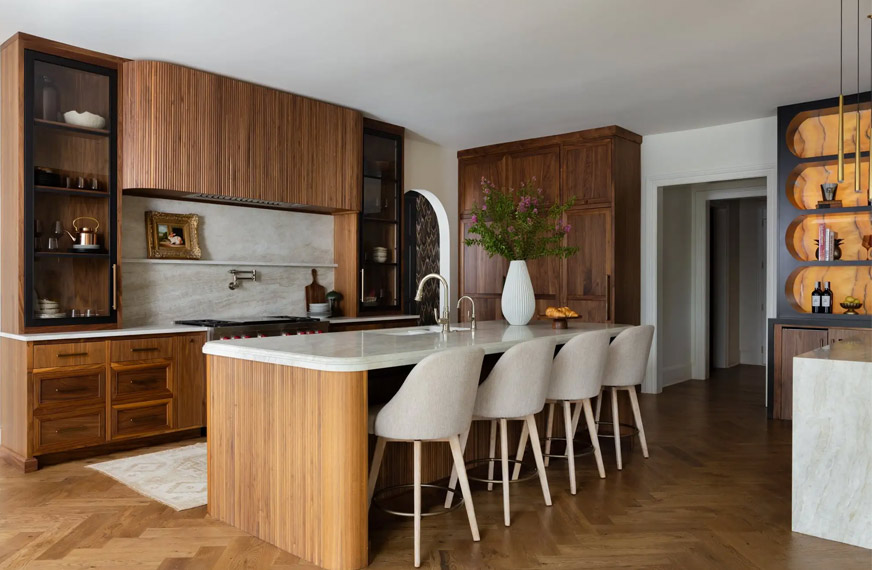
A well-designed home requires storage solutions that are practical, attractive, and capable of supporting the needs of the people who use them every day. Cabinets are among the most important storage features in a home because they can influence both organization and interior appearance. While ready-made cabinets can provide basic functionality, they may not always fit unusual spaces, specific storage requirements, or individual design preferences. Custom cabinetry offers a personalized alternative by allowing homeowners to create storage systems around their exact needs. From kitchens and bathrooms to living rooms, offices, laundry areas, and entertainment spaces, thoughtfully designed cabinets can make better use of available space while adding character to the interior. When functionality and design are considered together, cabinetry can become an important part of creating a comfortable and organized home.
Creating Storage Around Individual Needs
Every household has different belongings, routines, and preferences, which means a standard cabinet layout may not provide the most practical solution for everyone. Custom cabinetry allows homeowners to determine how much hanging, shelving, drawer, and concealed storage they actually need. Instead of adjusting belongings to fit predetermined cabinet dimensions, the storage system can be designed around the items that need to be accommodated. This approach is particularly useful for households with specialized requirements, such as large cookware collections, extensive pantry supplies, home office equipment, or numerous personal accessories. By considering individual needs from the beginning, homeowners can create a storage environment that is easier to use and maintain while also making the room feel more organized.
Maximizing Every Inch of Available Space
One of the most valuable advantages of personalized cabinet design is the ability to use space more efficiently. Standard cabinets often come in fixed sizes, which can leave unused gaps between cabinets, walls, ceilings, and appliances. Custom cabinetry can be designed to fit the specific dimensions of a room, helping homeowners make better use of areas that might otherwise remain empty. Tall cabinets can take advantage of vertical space, while corner units can turn difficult areas into useful storage. Narrow sections can also be designed for specific purposes instead of being left unused. This detailed approach can increase storage capacity without requiring additional floor space, making it especially useful in rooms where every available inch matters.
Improving Kitchen Functionality
The kitchen is often one of the busiest areas of a home, which makes practical storage particularly important. Pots, pans, dishes, appliances, utensils, food supplies, and cleaning products all require convenient storage locations. Custom cabinetry can be designed around the way a household prepares meals, allowing frequently used items to remain accessible while less frequently used belongings can be stored in other areas. Deep drawers can accommodate cookware, pull-out shelves can make pantry items easier to reach, and specialized organizers can keep utensils and accessories in order. Proper cabinet placement can also help create a more efficient workflow between preparation, cooking, cleaning, and storage areas. A well-planned kitchen can therefore become easier to use while maintaining a clean and attractive appearance.
Enhancing Bathroom Storage
Bathrooms often require careful storage planning because they may have limited floor space while needing to accommodate numerous daily essentials. Towels, toiletries, cleaning supplies, personal care products, and other items can quickly create clutter when there are not enough organized storage areas. Personalized cabinetry can provide storage that fits the dimensions of the room while complementing the bathroom’s overall design. Vanity drawers can keep smaller items organized, while tall cabinets can provide additional capacity without taking up excessive floor space. Materials and finishes should also be selected with moisture and regular cleaning in mind. By combining practical storage with attractive finishes, homeowners can create a bathroom that feels more spacious, organized, and comfortable.
Designing Better Home Office Storage
A functional home office needs storage that supports productivity without creating unnecessary visual clutter. Documents, books, stationery, technology equipment, files, and other supplies all need appropriate places. Custom cabinetry can combine drawers, open shelves, closed cabinets, and work surfaces into a coordinated storage system designed around the user’s workflow. Frequently used supplies can be positioned within easy reach, while paperwork and equipment that are not needed constantly can be stored behind cabinet doors. Built-in storage can also make better use of vertical wall space, particularly in smaller offices. An organized workspace can make it easier to focus on important tasks and maintain a professional environment even when the office is located within a shared living area.
Choosing Materials and Finishes
The materials used for cabinets have an important influence on their durability, maintenance requirements, and appearance. Homeowners can select from different types of wood, engineered materials, veneers, laminates, and finishes depending on their preferences and budget. Custom cabinetry provides the flexibility to coordinate these materials with countertops, flooring, furniture, wall colors, lighting, and other interior elements. A traditional space may benefit from warm wood finishes and detailed hardware, while a contemporary room may look better with simple surfaces and clean lines. Material selection should not be based entirely on appearance, however. The expected level of use, environmental conditions, maintenance needs, and long-term durability should also be considered before making a final decision.
Adding Features for Everyday Convenience
Small storage features can make a significant difference in the way cabinets are used. Pull-out shelves, adjustable compartments, soft-close drawers, built-in organizers, specialized racks, and hidden storage areas can all improve convenience. Personalized cabinet systems allow homeowners to select features that solve their specific storage challenges rather than paying for unnecessary additions. For example, a narrow pull-out cabinet can be useful for spices or cleaning supplies, while deep drawers may be ideal for cookware or larger household items. Adjustable shelves can accommodate objects of different sizes and allow the storage arrangement to change over time. These details may seem small individually, but together they can create a much more practical storage system.
Creating a Cohesive Interior Appearance
Cabinets can occupy a substantial amount of visual space, particularly in kitchens, bathrooms, and entertainment areas. Their color, shape, hardware, and finish can therefore influence the overall character of a room. Custom cabinetry gives homeowners greater control over these visual details, making it possible to create a cohesive relationship between the cabinets and surrounding design elements. Matching finishes can create a calm and unified appearance, while carefully selected contrasts can introduce personality and visual interest. Cabinet doors, handles, lighting, and open shelving can all contribute to the overall style. When the cabinetry is planned as part of the entire interior design, the finished room can look more polished and intentional.
Making Awkward Spaces More Useful
Many homes contain spaces that are difficult to furnish with standard storage products. Sloped ceilings, narrow walls, unusual corners, recessed areas, structural columns, and spaces beneath stairs can create challenges. Custom cabinetry can be adapted to these architectural features, turning difficult areas into useful storage zones. Instead of leaving an awkward corner empty, homeowners can design a cabinet that follows the shape of the available space. Storage around appliances and under counters can also be customized to maximize functionality. This flexibility allows homeowners to solve spatial challenges without compromising the appearance of the room. A personalized approach can make even unusual areas contribute to the home’s overall organization.
Considering Durability and Long-Term Use
Cabinets are used frequently, so durability should be an important part of the planning process. Doors, drawers, hinges, handles, shelves, and other components may be opened and closed many times each day. Custom cabinetry can be built using materials and hardware selected according to the expected level of use. Strong construction and quality finishes can help cabinets maintain their appearance and functionality over time. Homeowners should consider how the cabinets will perform after years of regular use rather than focusing only on how they look when first installed. Choosing reliable materials and hardware can reduce the likelihood of premature repairs and replacements while helping protect the overall investment.
Balancing Style With Practicality
Beautiful cabinetry is valuable, but appearance should not come at the expense of functionality. The best storage systems combine attractive design with features that genuinely make everyday activities easier. Custom cabinetry allows homeowners to balance these two priorities by selecting finishes, layouts, and organizational features that work together. Open shelves can provide easy access and display decorative items, while closed cabinets can conceal clutter. Drawers can organize smaller belongings, while tall cabinets can accommodate larger or less frequently used items. When practical storage requirements are considered alongside visual preferences, the final result can provide both immediate convenience and lasting aesthetic appeal.
Planning the Cabinet Layout Carefully
Successful cabinet projects begin with thoughtful planning. Homeowners should consider the dimensions of the room, the location of doors and windows, appliance placement, electrical outlets, plumbing, walkways, and other architectural features before finalizing the design. It is also helpful to create an inventory of the belongings that need to be stored. This can reveal which types of storage are most important and help prevent unnecessary features from taking up valuable space. Custom cabinetry should be designed around how the room will actually be used rather than simply focusing on how the cabinets will look. A detailed plan can reduce installation problems and help ensure that every section serves a useful purpose.
Incorporating Lighting Into Cabinet Design
Lighting can improve the functionality and appearance of a cabinet system. Under-cabinet lighting can provide useful illumination for kitchen work surfaces, while interior lighting can make it easier to locate belongings inside deeper cabinets. Display areas can also benefit from carefully positioned lights that highlight decorative objects, books, glassware, or other items. Personalized cabinet designs can account for lighting requirements during the planning stage, making it easier to conceal wiring and position fixtures effectively. Good lighting can add warmth to the room while improving visibility and accessibility. When cabinets and lighting are designed together, they can create a more comfortable and sophisticated environment.
Supporting Better Organization
An effective storage system can make it easier for household members to keep their belongings organized. When every category of item has a designated place, people are more likely to return things to the correct location after use. Custom cabinetry can provide specialized spaces for different types of belongings, helping reduce clutter and prevent cabinets from becoming overcrowded. Closed storage can keep everyday items hidden from view, while open shelving can provide convenient access to frequently used or decorative objects. This balance can make it easier to maintain a tidy room without requiring constant effort. Better organization can also make everyday routines more efficient because commonly used items can be located quickly.
Creating Flexible Storage for the Future
Storage requirements can change over time as household needs, lifestyles, and belongings evolve. A cabinet system that works well today may need to accommodate different requirements in the future. Adjustable shelves, movable organizers, versatile drawers, and flexible compartments can make it easier to modify the storage arrangement as needed. Custom cabinetry can be planned with future changes in mind rather than focusing exclusively on current belongings. This approach can extend the useful life of the storage system and reduce the need for major modifications later. A flexible design can provide lasting value by allowing homeowners to adapt the cabinets without replacing the entire system.
Managing the Project Budget
A personalized cabinet project can be designed around different budgets, but establishing financial priorities before starting is important. Homeowners should identify the features that are essential and distinguish them from optional decorative upgrades. Material selection, hardware, cabinet dimensions, finishing details, installation requirements, and specialized accessories can all affect the overall cost. Custom cabinetry can offer good long-term value when the budget is focused on durable materials and features that provide genuine everyday benefits. Instead of spending equally on every component, homeowners can prioritize the areas that receive the most use. Careful budgeting can help create a high-quality storage system without unnecessary expenses.
The Importance of Professional Craftsmanship
Quality craftsmanship plays an important role in the appearance and performance of a cabinet installation. Accurate measurements, clean finishes, strong construction, properly aligned doors, and smoothly operating drawers all contribute to a professional result. Personalized cabinets require careful attention because each component must fit the specific dimensions of the room. Skilled installation can also help address unusual walls, uneven surfaces, and other challenges that may arise during a project. Homeowners should therefore consider the quality of construction and installation when evaluating cabinet solutions. A carefully executed project can provide better performance while helping the cabinetry maintain its appearance for many years.
Creating a Lasting Home Improvement
Cabinetry is more than a temporary storage solution because it can become a long-term part of the home’s design and functionality. When materials, layout, storage features, and finishes are selected carefully, cabinets can remain useful even as interior preferences change. Timeless colors, durable surfaces, practical layouts, and quality hardware can provide a strong foundation for future design updates. Homeowners can refresh the appearance of a room later through accessories, lighting, hardware, or decorative elements without replacing the entire cabinet system. A well-planned approach can therefore provide both immediate benefits and lasting value.
Conclusion
Personalized storage can make a home more organized, functional, and visually appealing while helping homeowners make better use of the available space. Custom cabinetry provides the flexibility to design storage around individual belongings, room dimensions, lifestyle requirements, and personal design preferences. From kitchens and bathrooms to offices, entertainment areas, and other living spaces, carefully planned cabinets can combine attractive finishes with practical features that make everyday life easier. By selecting durable materials, useful organizational accessories, suitable layouts, and quality craftsmanship, homeowners can create storage systems that provide lasting benefits. Ultimately, the right cabinetry can transform unused or inefficient areas into organized spaces that support both the practical and aesthetic needs of a modern home.

