


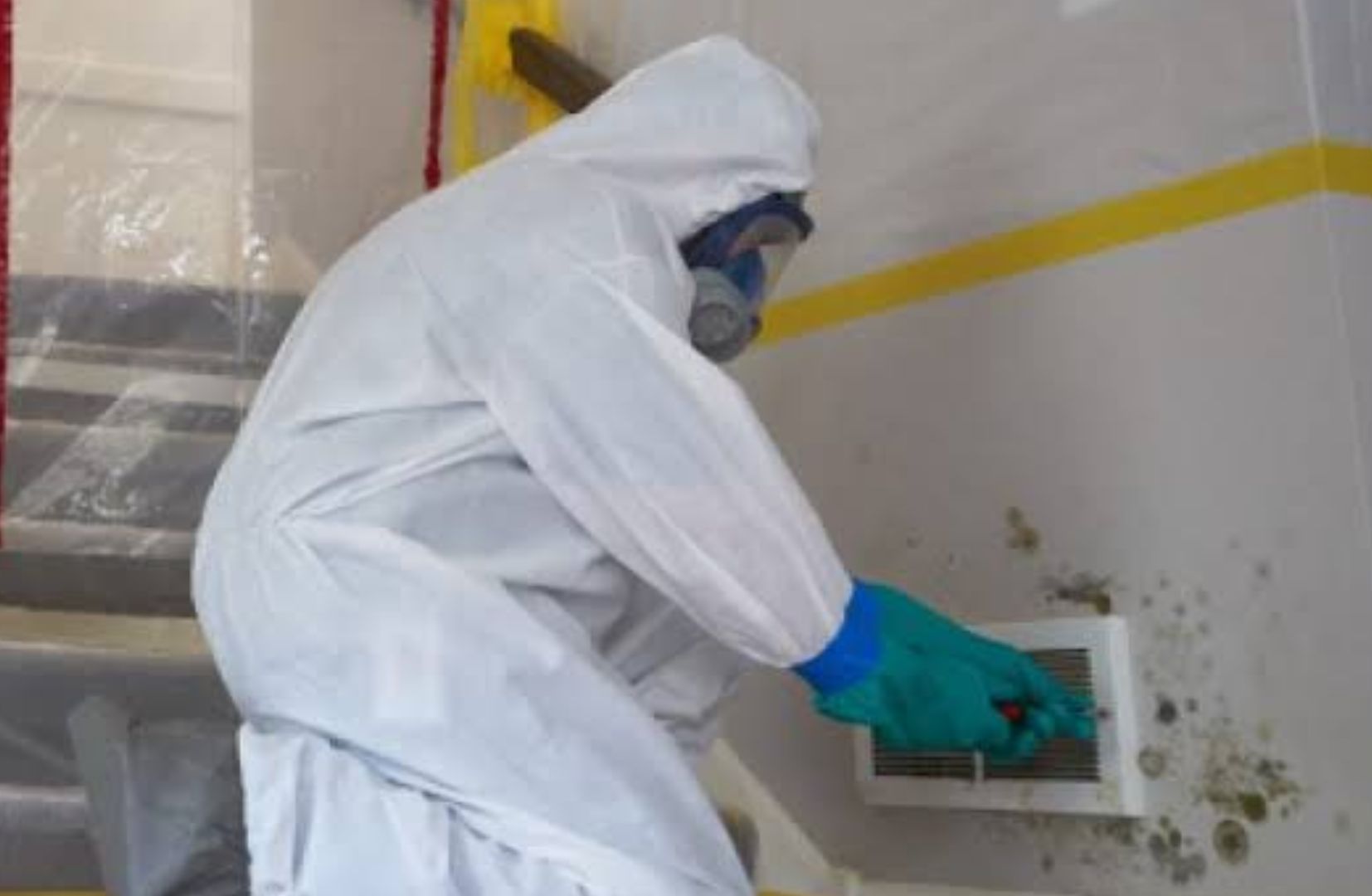
Mold removal is an important process when a property has experienced water damage, excessive humidity, plumbing leaks, or other moisture-related problems. However, completing the cleanup does not always mean that the entire issue has been resolved. A proper post-remediation evaluation can help determine whether affected areas have been adequately cleaned, whether moisture problems have been corrected, and whether additional concerns remain. Mold clearance testing can provide useful information after remediation when environmental sampling and professional inspection are appropriate. Understanding the verification process can help property owners, building managers, and other responsible parties make informed decisions about the condition of a cleaned space and the steps needed to maintain it.
Understanding Successful Mold Removal
Successful mold removal involves more than making contaminated surfaces look clean. Mold can grow on visible surfaces, but it may also develop inside walls, underneath flooring, behind cabinets, within insulation, or around hidden plumbing leaks. The first objective is to identify and correct the source of moisture that supported the growth. After that, affected materials should be appropriately cleaned, dried, repaired, or removed depending on their condition. A visual inspection can then help determine whether obvious contamination has been addressed. Mold clearance testing can supplement this evaluation when additional environmental information is needed to assess the condition of the remediated area.
Why Post-Remediation Inspection Matters
A post-remediation inspection provides an opportunity to examine the property after cleanup has been completed. During this process, an inspector may look for visible mold, staining, remaining moisture, unusual odors, damaged materials, and other conditions that could indicate an unresolved issue. The inspection may also review whether the original source of water intrusion has been corrected. This is important because mold can return if a leak or moisture problem remains active after the initial cleanup. An inspection should therefore focus not only on whether surfaces appear clean but also on whether the environmental conditions that supported the original problem have been corrected. Mold clearance testing may be incorporated into the overall evaluation when sampling is considered useful for the specific project.
Identifying the Original Moisture Source
Moisture is one of the most important factors in any mold-related problem. Water can enter a building through leaking pipes, damaged roofing, plumbing failures, condensation, poor drainage, flooding, or ventilation problems. In some cases, the source may be obvious, while other situations involve moisture hidden behind walls or beneath floors. Before a remediation project can be considered complete, the underlying source should be identified and corrected as effectively as possible. Otherwise, newly cleaned materials may become damp again and create conditions that support additional mold growth. Addressing the cause of the problem is therefore just as important as addressing the visible contamination that initially attracted attention.
Inspecting the Remediated Area
Once remediation work has been completed, the affected area should be inspected carefully. The inspection may cover walls, ceilings, flooring, cabinets, closets, HVAC-related areas, and other locations that were exposed to moisture or mold. Areas surrounding the original contamination can also deserve attention because moisture may travel beyond the location where mold was first discovered. Inspectors may look for discoloration, remaining debris, damaged materials, unusual odors, and signs of continuing dampness. A clean appearance is helpful, but it does not necessarily provide complete information about hidden conditions. Mold clearance testing can offer additional information when an inspection alone does not fully answer the questions established by the remediation plan.
Checking Moisture Levels
Moisture assessment is an important part of determining whether an area is ready for normal use after remediation. Materials such as drywall, wood, flooring, and insulation can retain moisture even when their surfaces appear dry. Moisture meters and other appropriate tools may be used to identify areas that require additional investigation. The inspector may also examine locations near plumbing systems, windows, roofs, HVAC equipment, and other potential sources of water intrusion. If elevated moisture is discovered, additional drying or repairs may be required before the project is considered complete. Controlling moisture is essential because mold can return when damp conditions are allowed to persist.
The Role of Environmental Sampling
Environmental sampling can sometimes provide additional information about conditions following remediation. Depending on the purpose of the evaluation, samples may be collected from indoor air, outdoor air, surfaces, dust, or specific materials. Air sampling can provide information about airborne fungal particles, while surface sampling may provide information about a particular area. The appropriate type and number of samples depend on the circumstances of the project and the questions the assessment is intended to answer. Sampling should not be viewed as a replacement for visual inspection and moisture assessment. Instead, it can be used as one part of a broader evaluation when the available information suggests that additional environmental data would be helpful.
Understanding Air Quality Results
Air sampling results can sometimes be difficult for property owners to interpret without professional context. Mold spores naturally exist in outdoor and indoor environments, and concentrations can vary due to weather, ventilation, occupancy, cleaning activity, and other factors. A single sample therefore does not necessarily describe the conditions throughout an entire building. Results should be evaluated according to the sampling strategy, the locations tested, and the history of the property. Mold clearance testing can help provide post-remediation environmental information, but laboratory findings should be considered together with visual observations, moisture measurements, and the work performed during cleanup. This broader approach can provide a more meaningful understanding of the property’s condition.
Importance of Proper Sample Collection
The usefulness of environmental testing depends partly on how samples are collected and documented. Sampling locations should be selected for a clear purpose and should relate to the areas affected by the original mold problem or the remediation work. Each sample should be properly identified so that the laboratory findings can be connected to the correct location. The conditions present during sampling may also be relevant when interpreting results. Poor sampling practices can make laboratory information difficult to evaluate or may provide an incomplete picture of the environment. Mold clearance testing is most useful when sampling is performed using appropriate procedures and when the resulting information is interpreted within the context of the entire remediation project.
Reviewing Laboratory Reports
Laboratory reports may contain information about fungal types, concentrations, or other characteristics depending on the testing method used. Property owners should avoid interpreting individual numbers without considering the conditions under which the samples were collected. Outdoor reference samples may sometimes be relevant, while other projects may rely on different assessment methods and criteria. The report should be reviewed alongside the inspection findings and the documented history of the property. If laboratory findings raise questions, additional inspection or investigation may be appropriate. A laboratory report is an important source of information, but it is only one part of the overall evaluation process.
When Additional Cleanup May Be Necessary
A post-remediation assessment may reveal conditions that require additional work. For example, visible growth may remain in an area that was difficult to access, or moisture may still be present because an underlying leak was not completely corrected. Damaged porous materials may also require further removal if they were not adequately addressed during the initial cleanup. In other situations, environmental findings may lead to additional investigation to determine whether hidden contamination remains. Additional work does not necessarily mean that the entire remediation process was unsuccessful. Instead, it may identify specific areas that need further attention before the project can be considered complete.
Maintaining Proper Ventilation
Ventilation plays an important role in maintaining an indoor environment after mold removal. Bathrooms, kitchens, laundry areas, and other spaces that generate moisture need sufficient airflow to prevent humidity from accumulating. Poor ventilation can allow condensation to develop on windows, walls, ceilings, pipes, and other surfaces. Over time, repeated condensation can create favorable conditions for mold growth even if the original contamination was successfully removed. Exhaust fans, appropriate air circulation, and suitable humidity control can help reduce these risks. Property owners should continue monitoring areas that have previously experienced moisture problems rather than assuming that remediation eliminates the possibility of future growth.
Preventing Future Moisture Problems
Long-term prevention depends heavily on regular maintenance and quick responses to new water problems. Plumbing fixtures, appliances, roofs, windows, gutters, drainage systems, and HVAC equipment should be inspected and maintained appropriately. Small leaks should be repaired before they allow moisture to spread into surrounding materials. Water-damaged areas should also be dried promptly rather than being left damp for extended periods. Monitoring indoor humidity can be useful when excessive moisture has previously contributed to mold growth. These preventive measures can help protect the results of a completed remediation project and reduce the likelihood of having to repeat extensive cleanup work.
Documentation After Remediation
Maintaining detailed documentation can be valuable after a mold remediation project. Useful records may include photographs, inspection reports, moisture measurements, laboratory reports, invoices, descriptions of completed work, and documentation showing that the original moisture source was repaired. These records can establish a clear timeline and provide evidence of the actions taken to correct the problem. They may also be useful if the property is sold, renovated, insured, or managed by another party in the future. Mold clearance testing reports, when part of the project, can become an additional component of this documentation. Keeping all relevant records together makes it easier to understand the property’s history if another moisture issue develops.
Clearance and Property Transactions
A history of mold or water damage can sometimes become relevant during property transactions. Buyers, sellers, property managers, and other parties may want information about previous contamination and the steps taken to correct it. Documentation from a post-remediation inspection can help demonstrate what was observed after the cleanup process. However, any inspection or environmental assessment reflects conditions at a particular point in time and should not be treated as a permanent guarantee against future mold growth. Mold clearance testing may be useful as supporting documentation when a property has undergone substantial remediation and the parties involved want additional information about the condition of the affected areas.
Why Professional Interpretation Is Important
Mold-related environmental information can be complicated because there is no single test result that applies universally to every building or situation. Indoor conditions vary according to building design, ventilation, weather, occupancy, construction materials, and other factors. A professional assessment can help connect laboratory information with the physical conditions observed during the inspection. The evaluator can also explain what was sampled, why the samples were collected, and how the findings relate to the remediation objectives. Mold clearance testing should therefore be considered within the context of a complete assessment rather than used as an isolated pass-or-fail measurement without supporting information.
Common Mistakes to Avoid
One common mistake is assuming that visible cleaning alone proves that a mold problem has been completely resolved. Hidden moisture or contaminated materials may remain even when a room looks clean. Another mistake is ignoring a recurring leak or condensation problem after remediation. Painting over stains without determining their cause can also conceal evidence of continuing moisture. Property owners should avoid relying on a single environmental sample to characterize an entire building, particularly when the property contains multiple affected areas. A more complete approach combines inspection, moisture assessment, appropriate remediation, documentation, and additional testing when the circumstances justify it.
Long-Term Monitoring and Maintenance
Successful remediation should be followed by continued attention to the condition of the property. Areas that experienced previous moisture problems may deserve periodic inspection, especially after heavy water exposure or plumbing repairs. New stains, musty odors, peeling finishes, warped materials, or damp surfaces should be investigated promptly rather than ignored. Building maintenance should also include attention to ventilation, drainage, plumbing, roofing, and humidity control. Mold clearance testing can provide useful information during the post-remediation stage, but ongoing maintenance remains important because future moisture events can create new problems. Prevention is therefore a continuous process rather than a single inspection or test.
Final Thoughts
Verifying successful mold removal requires a thoughtful approach that considers more than the appearance of cleaned surfaces. A complete evaluation can involve visual inspection, moisture assessment, review of remediation records, environmental sampling when appropriate, and professional interpretation of available information. Mold clearance testing can contribute useful evidence when a project requires additional verification after remediation, particularly when environmental conditions need to be documented. However, testing should be interpreted in relation to the property’s history, the original source of moisture, the work that was completed, and the conditions observed during the final evaluation. After remediation, continued maintenance, prompt leak repairs, proper ventilation, and moisture control remain essential. By combining careful verification with long-term prevention, property owners can better protect their buildings and reduce the likelihood of recurring mold-related problems.

