


A roof is one of the most important protective systems in any building. It shields the interior from rain, wind, sunlight, snow, debris, and changing weather conditions while helping maintain the comfort and structural integrity of the property. Because much of the roof is difficult to see from ground level, developing problems can remain unnoticed until they cause visible interior damage. Regular maintenance and professional evaluation can help identify potential concerns before they become more complicated and expensive. Roof inspections provide an opportunity to examine roofing materials, flashing, drainage components, ventilation, and other areas that contribute to the performance of the overall roofing system. Understanding what an inspection involves and why it matters can help property owners make better decisions about maintenance and repairs.
Understanding the Purpose of a Roof Inspection
A roof inspection is a systematic evaluation of the condition and performance of a roofing system. It is not limited to looking for missing shingles or obvious damage. A thorough inspection may examine the roof surface, seams, flashing, penetrations, gutters, drainage components, ventilation, and visible structural elements.
The purpose is to identify current problems, potential weaknesses, and signs of deterioration. Some issues may be minor and suitable for routine maintenance, while others may require prompt repair. An inspection can also provide useful information about the general condition and expected service life of a roof.
The exact inspection process varies depending on the roofing material and building design. Asphalt shingles, metal roofing, tile, flat roofing membranes, and other systems have different characteristics and common failure points. An experienced professional should understand these differences rather than applying the same evaluation method to every roof.
Common Signs That a Roof Needs Attention
Some roofing problems are easy to recognize, while others develop gradually. Missing, cracked, curled, or damaged roofing materials can indicate exposure to weather or age-related deterioration. Shingles may lose protective granules, while metal surfaces can develop corrosion or loose fasteners.
Water stains on ceilings or walls are another important warning sign. Although the visible stain may appear far from the actual source, it can indicate water entering through the roof, flashing, ventilation area, or another exterior penetration.
Leaks do not always appear as active dripping. Moisture may accumulate within insulation or structural materials before becoming visible inside the property. Musty odors, peeling paint, warped materials, or unexplained discoloration can also justify further investigation.
Gutters and downspouts should be examined as part of the overall system. Excessive granules in gutters, standing water, sagging sections, or frequent blockages may provide clues about roof condition and drainage performance.
Weather and Roof Performance
Weather can have a major effect on roofing materials. Strong winds can loosen or remove shingles, while hail can damage certain surfaces. Heavy rainfall can expose weaknesses around flashing, vents, chimneys, skylights, and other penetrations.
Sun exposure can also contribute to gradual deterioration. Repeated heating and cooling cycles may affect certain materials over time, while ultraviolet exposure can contribute to aging.
After severe weather, an inspection can help determine whether the roof has sustained damage that is not obvious from the ground. Property owners should avoid attempting to walk on a roof themselves, especially after storms. Wet or damaged roofing surfaces can be slippery and unstable.
A professional can assess accessible areas safely and determine whether additional evaluation or repair is necessary.
Inspecting Roofing Materials
The roof surface is one of the first areas an inspector evaluates. The specific inspection points depend on the roofing material.
For asphalt shingles, an inspector may look for missing, broken, curling, blistering, or deteriorated shingles, as well as exposed fasteners or areas where granules have been lost.
Metal roofs may be examined for corrosion, loose fasteners, damaged seams, failed sealants, and signs of movement or expansion-related issues.
Tile roofs require attention to cracked, displaced, or broken tiles as well as the condition of underlying components. Because walking directly on some tile surfaces can cause damage, inspections should be performed using appropriate techniques.
Flat roofs may require examination of membranes, seams, drainage points, flashing, ponding water, and surface deterioration. Because water can remain on relatively flat surfaces, drainage performance is particularly important.
The Importance of Flashing
Flashing is used around areas where the roof meets walls, chimneys, vents, skylights, and other structures. These transitions are particularly important because changes in direction and penetrations create opportunities for water intrusion.
Damaged, corroded, loose, or improperly installed flashing can allow water to enter the roofing assembly. Sealants around certain penetrations can also deteriorate over time.
An inspection should therefore pay close attention to these transition areas rather than focusing solely on the main roof surface. A roof may appear to be in good condition overall while still having a vulnerable flashing detail.
Repairing flashing problems early can sometimes prevent moisture from reaching insulation, decking, framing, and interior finishes.
Examining Gutters and Drainage
Effective drainage is essential to roof performance. Gutters and downspouts collect and direct rainwater away from the building, reducing the amount of water that remains near the roof edge and foundation.
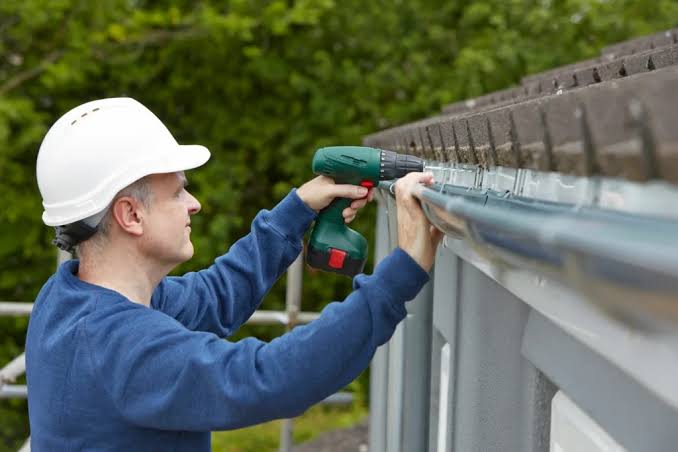
During an inspection, gutters may be checked for sagging, separation, corrosion, blockages, and accumulated debris. Downspouts should also be evaluated to ensure that water can move away from the structure appropriately.
Flat and low-slope roofs may use internal drains, scuppers, or other drainage systems. These components need to remain clear and functional because standing water can place additional stress on roofing materials.
Poor drainage can contribute to water intrusion, fascia deterioration, ice-related problems in suitable climates, and moisture exposure around the building. Maintaining the entire drainage system is therefore part of responsible roof care.
Checking Roof Ventilation
Ventilation can affect the long-term performance of a roofing system. Properly designed ventilation helps manage heat and moisture within attic spaces, although the appropriate system depends on the building’s design and climate.
Excessive moisture in an attic can contribute to condensation, deterioration of insulation, wood damage, and other problems. Excessive heat can also affect certain roofing materials over time.
An inspection may examine visible vents and look for signs of inadequate airflow or moisture accumulation. The condition of insulation and other attic components may also provide useful clues.
Ventilation should not be changed without considering the entire attic and roofing system. Adding or blocking vents without understanding the existing airflow can sometimes create unintended problems.
Looking for Structural Concerns
The roof covering is only one part of the roofing system. Beneath it are structural components that support the roof and transfer loads into the building.
Visible sagging can be a significant warning sign. It may indicate problems involving decking, framing, moisture damage, excessive loads, or other structural conditions. Interior ceilings and attic spaces may also reveal signs of movement or deterioration.
Not every irregularity represents a serious structural failure, but unusual changes should be evaluated rather than ignored. If an inspector identifies a concern outside the scope of a routine roofing assessment, additional evaluation by an appropriately qualified professional may be recommended.
Early identification can be valuable because structural deterioration may become more extensive if moisture or other contributing factors remain unresolved.
How Often Should a Roof Be Evaluated?
There is no single inspection schedule that applies to every roof. Age, material, weather exposure, maintenance history, surrounding trees, previous repairs, and building conditions can all affect the appropriate frequency
Older roofs may benefit from more frequent evaluation because deterioration can accelerate as materials approach the end of their expected service life. Roofs that have experienced severe weather may also require inspection after a significant event.
Routine inspections can be useful even when there are no obvious problems. Waiting until water enters the living space means that the issue may already have progressed beyond the roof surface
Property owners should discuss an appropriate maintenance schedule with a qualified roofing professional based on the characteristics of their particular system.
The Value of Professional Roof Inspections
Professional roof inspections can identify issues that are difficult to recognize from the ground. Experienced inspectors understand how different roofing materials age and where common problems tend to develop.
A professional evaluation can also help distinguish between normal wear and conditions that require repair. This distinction is important because unnecessary replacement can be expensive, while ignoring genuine damage can allow it to worsen.
Inspection findings should ideally be documented clearly. Photographs, written observations, and descriptions of recommended work can help property owners understand the condition of the roof.
If repairs are recommended, homeowners should ask what problem the repair addresses and whether there are alternative approaches. Clear communication can make it easier to prioritize urgent work while planning routine maintenance separately.
Preparing for an Inspection
Property owners can make an inspection more productive by providing information about the roof’s history. Records of previous repairs, replacements, leaks, storm events, or maintenance can help the inspector understand the system’s background.
It is also useful to identify any concerns that have already been noticed. Water stains, recurring leaks, unusual noises, damaged gutters, or changes in interior conditions should be reported.
If access to the attic or other areas is necessary, the property owner should make those spaces reasonably accessible. However, homeowners should not attempt to climb onto the roof or enter hazardous areas simply to prepare for the inspection.
A professional should determine what areas can be evaluated safely and whether specialized equipment or additional expertise is required.
Roof Repairs Versus Replacement
One of the most important outcomes of an inspection is determining whether a roof needs repair or replacement. This decision should not be based solely on age.
A relatively old roof may continue performing adequately if it has been well maintained, while a newer roof may require significant repairs after severe weather or improper installation.
Localized problems may be repairable, particularly when the underlying roofing system remains in good condition. Widespread deterioration, extensive moisture damage, repeated failures, or an aging system near the end of its expected service life may make replacement a more practical consideration.
A qualified professional should explain the reasoning behind the recommendation rather than simply presenting replacement as the default solution.
Maintaining a Roof Between Inspections
Routine maintenance can help preserve a roof’s performance. Gutters should be kept clear, debris should not be allowed to accumulate, and visible damage should be addressed promptly.
Trees near the building should be monitored because branches can scrape roofing materials or fall during severe weather. Moss, algae, and other growth should also be evaluated appropriately, particularly when they retain moisture against roofing materials.
Interior spaces should be monitored for signs of leaks. Attics can be checked for unusual moisture, stains, or changes in insulation, provided that access can be done safely.
Maintenance should always be compatible with the roofing material. Improper cleaning methods, harsh chemicals, or careless foot traffic can damage certain systems.
Documentation and Long-Term Planning
Keeping records of roof inspections, repairs, maintenance, and replacements can be useful over the life of the building. Documentation creates a history that can help future professionals understand what has been done and what conditions have previously been identified.
Roofing records may also be useful when budgeting for future work. If an inspector identifies gradual deterioration, homeowners can plan financially rather than being surprised by an urgent replacement.
Documentation can include inspection reports, photographs, repair invoices, warranties, and information about installed materials. Keeping these records organized can make future maintenance decisions more straightforward.
Long-term planning is particularly valuable for larger properties because roofing work can represent a significant investment. Understanding the roof’s current condition and expected maintenance needs allows property owners to prioritize resources more effectively.
Choosing a Reliable Roofing Professional
The person conducting the inspection should have relevant knowledge and experience with the roofing system being evaluated. Homeowners should ask about qualifications, insurance, experience, and the scope of the inspection.
A reliable professional should be willing to explain findings clearly and provide documentation of significant issues. They should not rely solely on vague statements that a roof is “bad” or “good.”
Property owners can also ask whether recommendations are based on visible evidence and whether additional evaluation is necessary. If extensive structural problems are suspected, the roofing professional should identify when another specialist may be needed.
Transparency is especially important when an inspection leads to a recommendation for major repair or replacement. Homeowners should have enough information to understand why the work is being proposed.
Planning for Long-Term Roof Protection
The best roof maintenance strategy is proactive rather than reactive. Regular observation, appropriate maintenance, timely repairs, and periodic professional evaluations can help extend the useful life of a roofing system.
Roof inspections provide an important part of this process by identifying developing issues before they become major sources of water intrusion or structural deterioration. They can also help property owners understand whether their current roof remains suitable for continued use or whether long-term replacement planning should begin.
A proactive approach does not mean repairing every minor imperfection immediately. Instead, it means understanding the condition of the roof, identifying priorities, and making decisions based on evidence.
This approach can reduce unexpected disruptions and help property owners plan maintenance according to actual needs rather than waiting for a major failure.
Conclusion
A roof protects nearly every part of a building, making its condition an important consideration for long-term property maintenance. Problems involving shingles, membranes, flashing, drainage, ventilation, or structural components can develop gradually and may not be visible from ground level.
Regular roof inspections can help identify these issues early and provide valuable information about the overall condition of the roofing system. Professional assessment is particularly useful after severe weather, when visible or hidden damage may require attention.
Property owners should maintain gutters and drainage systems, monitor interior spaces for signs of water intrusion, address visible problems promptly, and keep records of maintenance and repairs. When an inspection identifies significant concerns, homeowners should understand the difference between localized repairs and full replacement and ask qualified professionals to explain the reasoning behind their recommendations.
A well-maintained roof can provide reliable protection for many years, but that protection depends on consistent care. By combining routine maintenance with professional roof inspections, property owners can make informed decisions, address problems before they become more extensive, and protect the building from preventable damage. A proactive approach ultimately supports the durability, comfort, and value of the entire property.

