


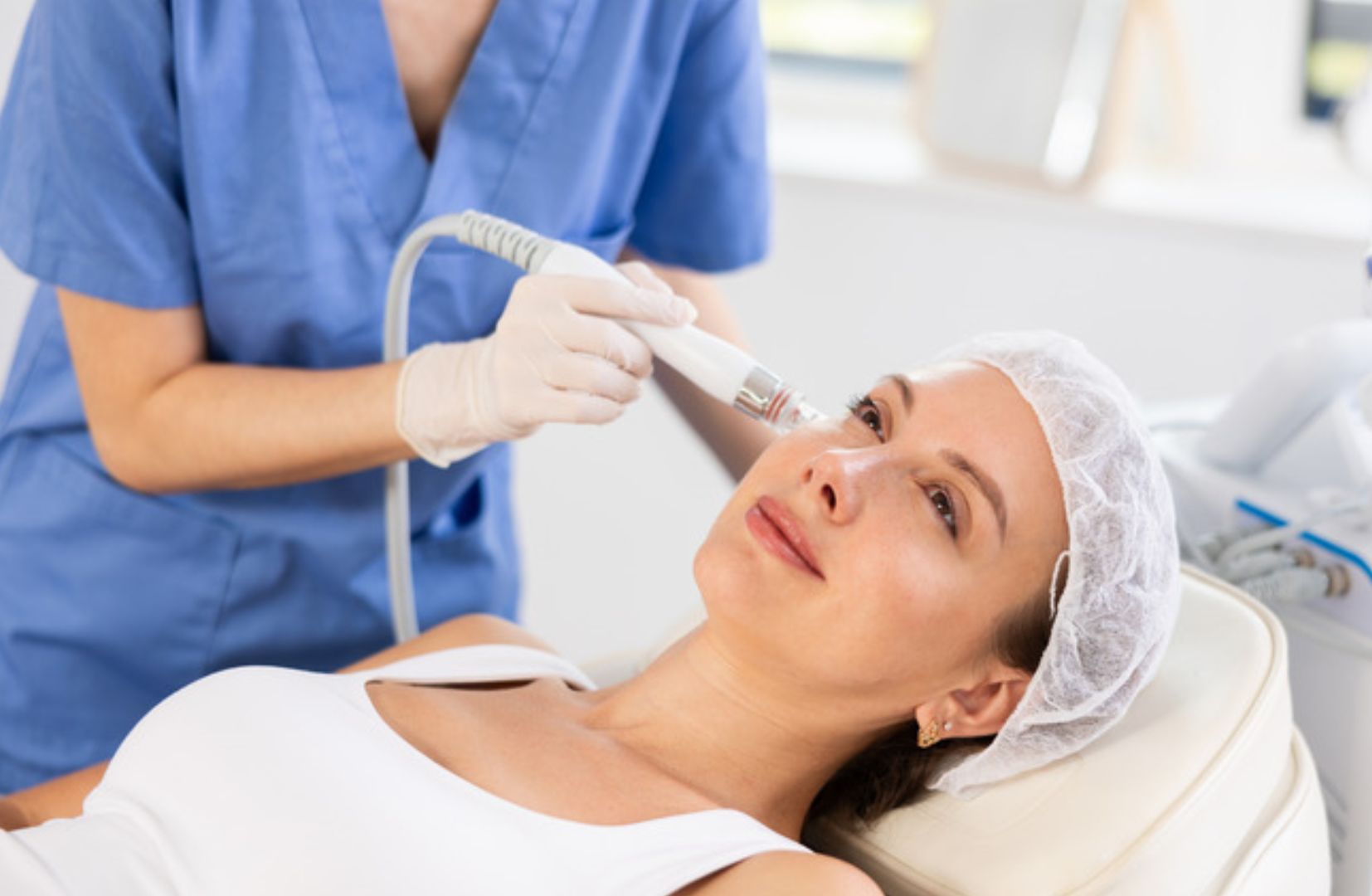
Skincare does not always have to involve a lengthy appointment or an elaborate treatment routine. For people with busy schedules who still want to give their skin some attention, mini facials can provide a practical way to enjoy several benefits of a traditional facial in a shorter session. These treatments are designed to focus on essential skincare steps, helping cleanse, refresh, hydrate, and improve the overall appearance of the skin without requiring a significant amount of time. Because of their convenient format, they can fit easily into a regular beauty routine and may be suitable for people who want a quick skin refresh before an event, during a self-care day, or simply as part of their ongoing skincare maintenance.
A facial treatment can address more than surface-level cleanliness. The skin is constantly exposed to environmental pollutants, excess oil, makeup, sweat, and other factors that can affect its appearance. A professionally performed treatment can provide focused cleansing and hydration while giving the skin a temporary refreshed appearance. However, the exact benefits depend on the products, techniques, skin type, and condition of the individual. Understanding what a mini facial involves and how it differs from a longer facial treatment can help people make informed choices about their skincare routine.
Understanding What a Mini Facial Involves
A mini facial is generally a shorter skincare treatment that concentrates on a few essential facial-care steps rather than providing every stage associated with a comprehensive spa facial. Although the exact process can vary between skincare professionals and treatment providers, a session may include cleansing, gentle exfoliation, a facial massage, a mask, and moisturizer. Some treatments may also include targeted products designed to support hydration or address specific cosmetic concerns.
The shorter format does not necessarily mean that the treatment is ineffective. Instead, it usually means that the session is more focused. Rather than spending a long period on multiple specialized procedures, the treatment concentrates on basic skincare steps that can leave the skin feeling clean, smooth, and refreshed. This makes it particularly appealing to people who want a convenient treatment without committing to a longer appointment.
It is important to remember that the term “mini facial” is not a universal technical standard. Different providers may use the term to describe different combinations of treatments and durations. Before booking, it is useful to ask what the service includes, how long it takes, which products are used, and whether the treatment is appropriate for the individual’s skin type.
Why People Choose Short Facial Treatments
One of the main reasons people choose shorter facial treatments is convenience. Modern schedules can make it difficult to set aside several hours for personal care, even when someone wants to maintain their skin. A shorter appointment can provide an opportunity to pause, relax, and focus on skincare without taking up a large portion of the day.
Another benefit is that shorter treatments can be easier to incorporate into a regular routine. Instead of waiting for a special occasion or setting aside time for an extensive treatment only occasionally, individuals may choose brief skincare sessions more consistently. Regularity can be useful because skincare is generally more effective when basic habits such as cleansing, moisturizing, sun protection, and appropriate product use are maintained over time.
These treatments can also be appealing before social occasions. Someone may want their skin to feel clean and hydrated before attending an event, meeting friends, or taking photographs. While a facial cannot transform the skin permanently in one session, a well-chosen treatment may provide a temporary refreshed appearance.
Cleansing as the Foundation of the Treatment
Cleansing is often one of the first steps in a facial because it removes surface impurities that can interfere with subsequent skincare products. Makeup, sunscreen, oil, sweat, and environmental debris can accumulate on the skin throughout the day. A suitable cleanser can help remove these substances without unnecessarily stripping the skin’s natural moisture.
The type of cleanser used should take the individual’s skin condition into account. Someone with dry or sensitive skin may need a gentler formulation, while someone with oilier skin may prefer a cleanser designed to remove excess sebum without creating excessive dryness. Using products that are too harsh can sometimes leave the skin feeling tight or irritated.
Professional facial treatments may use cleansing techniques that differ from an individual’s everyday routine. The skin may be cleansed carefully around areas such as the hairline, jawline, and nose, where residue can sometimes remain. This creates a clean base for the other treatment steps.
The Role of Gentle Exfoliation
Exfoliation is another common component of facial treatments. It helps remove some dead skin cells from the surface, which can make the skin feel smoother and appear more polished. Depending on the treatment, exfoliation may involve a mild physical product or a chemical exfoliating ingredient.
Gentle exfoliation can be beneficial for many people, but more is not necessarily better. Excessive exfoliation may cause dryness, redness, sensitivity, or irritation. The appropriate approach depends on the individual’s skin type and existing skincare routine.
People who already use exfoliating acids, retinoids, acne treatments, or other active ingredients should tell their skincare professional about those products. Combining multiple potentially irritating treatments without appropriate guidance can increase the risk of skin sensitivity.
The goal of exfoliation should be to support the skin rather than aggressively remove its surface. A carefully selected treatment can leave the skin feeling smoother while maintaining its natural protective barrier.
Hydration and Moisture Support
Hydration is a central part of many facial treatments because the skin can feel dry or uncomfortable when its moisture balance is disrupted. A hydrating mask or moisturizer can provide temporary comfort and leave the skin feeling softer after treatment.
Hydration and moisturization are related but not identical concepts. Hydrating ingredients can help increase water content in the outer layers of the skin, while moisturizing formulations can help reduce water loss and support the skin barrier. A well-designed facial may incorporate products that address both needs.
People with oily skin can benefit from hydration as well. Oily skin is not necessarily well hydrated, and using overly harsh products to remove oil can sometimes make the skin feel uncomfortable. A balanced approach focuses on supporting the skin rather than attempting to eliminate all surface oil.
The Benefits of Facial Massage
Some facial treatments include a gentle massage as part of the experience. Facial massage can feel relaxing and may temporarily reduce the sensation of facial tension. The movements used during a professional treatment are generally designed to be comfortable and controlled rather than aggressive.
Massage can also contribute to the relaxing nature of the appointment. People often spend much of their day looking at screens, working, traveling, or dealing with everyday responsibilities. Taking a short period to relax can be valuable independently of the cosmetic benefits of the treatment.
However, massage should be performed appropriately for the individual’s skin condition. If someone has active irritation, open lesions, certain inflammatory skin conditions, or recently undergone an intensive cosmetic procedure, massage may not be appropriate. A skincare professional should be informed about relevant skin concerns before treatment.
Choosing Products for Different Skin Types
A successful facial should be adapted to the skin rather than treating every person in exactly the same way. Dry skin may benefit from gentle cleansing and richer moisturizing products, while oily or combination skin may require lightweight hydration and careful management of excess oil.
Sensitive skin often requires additional caution. Fragrance, strong exfoliating ingredients, aggressive scrubbing, or multiple active ingredients may increase the likelihood of irritation. A simpler treatment can sometimes be more appropriate than a highly intensive one.
People with acne-prone skin should also communicate their concerns before treatment. Certain products or techniques may not be appropriate for active breakouts. Picking, squeezing, or aggressively extracting blemishes can increase irritation and may contribute to marks or scarring.
Personalization is therefore one of the most important factors in a successful skincare appointment. The objective should be to support the skin’s needs rather than simply adding as many treatment steps as possible.
Preparing for a Facial Appointment
Preparation can help make a facial treatment more comfortable and effective. It is useful to arrive with clean skin when possible, although professional cleansing is usually included in the service. More importantly, individuals should disclose relevant information about their skincare routine and recent cosmetic treatments.
Products containing retinoids, exfoliating acids, benzoyl peroxide, or other active ingredients can affect skin sensitivity. Recent waxing, laser treatments, chemical peels, or other procedures may also influence whether certain facial techniques are appropriate.
If someone has experienced a recent reaction, unexplained rash, persistent irritation, or significant skin sensitivity, it is better to discuss the issue with an appropriate healthcare professional before receiving a cosmetic treatment.
What to Expect After Treatment
After a facial, the skin may feel clean, soft, and refreshed. Some people may notice a temporary glow due to hydration and the removal of surface buildup. However, the immediate appearance of the skin should not be confused with permanent correction of underlying skin conditions.
Mild temporary redness can occur after certain treatments, particularly if exfoliation or other active techniques are used. The skin should generally be treated gently afterward. Avoiding unnecessary irritation and following the aftercare recommendations provided by the skincare professional can help maintain comfort.
Sun protection is particularly important after exfoliating treatments because the skin may be more sensitive to environmental exposure. A broad-spectrum sunscreen appropriate for the individual’s skin should be part of a regular skincare routine regardless of whether a facial has been performed.
Mini Facials Before Special Events
Short facial treatments can be appealing before special occasions because they can provide a quick skincare refresh without requiring a lengthy appointment. However, timing is important. Trying an unfamiliar treatment immediately before a major event may carry a risk of unexpected irritation or redness.
For important occasions, it can be better to use products and treatments that the skin has tolerated previously. If someone wants to try a new treatment, doing so well before the event provides time to see how the skin responds.
The objective before an event should generally be to support the skin barrier and maintain a comfortable appearance rather than pursuing an aggressive last-minute transformation.
Maintaining Results Between Treatments
A facial treatment is only one part of an effective skincare routine. Daily habits usually have a much greater influence on long-term skin health than occasional cosmetic treatments. Gentle cleansing, appropriate moisturizing, sun protection, and carefully selected active ingredients can help maintain the skin between appointments.
Lifestyle factors can also influence how the skin looks and feels. Adequate sleep, balanced nutrition, hydration, stress management, and avoiding smoking can all contribute to overall well-being and may indirectly support healthy-looking skin.
People should also avoid changing their entire skincare routine immediately after receiving a facial. Introducing multiple new products at once can make it difficult to determine what is causing irritation if a reaction occurs.
How Often Should You Have a Mini Facial?
There is no universal schedule that works for everyone. Frequency depends on skin type, personal goals, treatment intensity, product ingredients, and how the skin responds afterward. Some people may enjoy occasional treatments when they want a quick refresh, while others may prefer to include them as part of a broader skincare routine.
More frequent treatments are not automatically better. If the skin becomes dry, irritated, unusually sensitive, or uncomfortable after repeated sessions, the frequency or intensity may need to be reduced.
A skincare professional can help determine an appropriate schedule based on the individual’s needs. People with ongoing skin conditions may also benefit from advice from a qualified dermatologist rather than relying exclusively on cosmetic treatments.
Selecting a Professional Skincare Provider
Choosing a qualified and experienced provider is an important part of receiving a facial treatment safely. Before booking, individuals can ask about the provider’s training, hygiene practices, products, treatment steps, and approach to different skin types.
Clean equipment and hygienic treatment areas are essential. Products should be handled appropriately, and reusable tools should be cleaned and disinfected according to applicable standards.
A professional should also be willing to discuss the treatment rather than promising unrealistic results. Claims of permanent transformation from a short facial should be approached cautiously. Good skincare focuses on realistic expectations and appropriate care.
Understanding the Limits of Facial Treatments
Facials can support the appearance and comfort of the skin, but they should not be considered a replacement for medical treatment when someone has a persistent dermatological condition. Acne, eczema, rosacea, unexplained rashes, infections, severe dryness, and other ongoing problems may require professional medical assessment.
Cosmetic treatments can sometimes complement a broader skincare routine, but the right approach depends on the individual’s circumstances. If the skin reacts unusually after a treatment or symptoms persist, seeking medical advice is more appropriate than repeatedly changing facial products.
Understanding these limits helps people enjoy cosmetic skincare while maintaining realistic expectations about what a short treatment can accomplish.
Making Short Skincare Treatments Part of Self-Care
Beyond their cosmetic purpose, facial treatments can provide an opportunity to slow down and focus on personal well-being. Even a relatively brief appointment can create a break from work, household responsibilities, and daily routines.
The relaxing aspect should not be overlooked. Skincare can become a form of self-care when it is approached as part of a healthy routine rather than as a quick solution to unrealistic beauty expectations. Taking time to care for the skin can encourage people to become more aware of what their skin needs and which products work well for them.
This approach also helps shift attention away from chasing immediate perfection. Healthy-looking skin naturally changes over time, and a practical routine should focus on maintaining its condition rather than eliminating every line, pore, or temporary blemish.
Conclusion
Mini facials can be a convenient way to give the skin focused attention without committing to a lengthy treatment session. By combining essential steps such as cleansing, gentle exfoliation, hydration, massage, and moisturizing, these treatments can leave the skin feeling refreshed and cared for. Their shorter format makes them appealing to people with busy schedules, while their flexible nature allows treatments to be adapted to different skin types and preferences.
The most important factor is choosing an approach that respects the skin’s natural barrier. Gentle techniques, suitable products, proper hygiene, and realistic expectations are more valuable than simply adding numerous treatment steps. Individuals should also communicate their skincare routines, sensitivities, and recent cosmetic procedures to their provider so the treatment can be adjusted appropriately.
When combined with consistent daily skincare, sun protection, healthy habits, and professional guidance when needed, mini facials can become a useful part of a broader self-care routine. They are not a replacement for medical dermatological care, nor are they a guaranteed solution for every skin concern, but they can provide a practical and enjoyable way to maintain a clean, hydrated, and refreshed appearance. Ultimately, the best facial routine is one that fits comfortably into everyday life while supporting the individual needs of the skin.

