


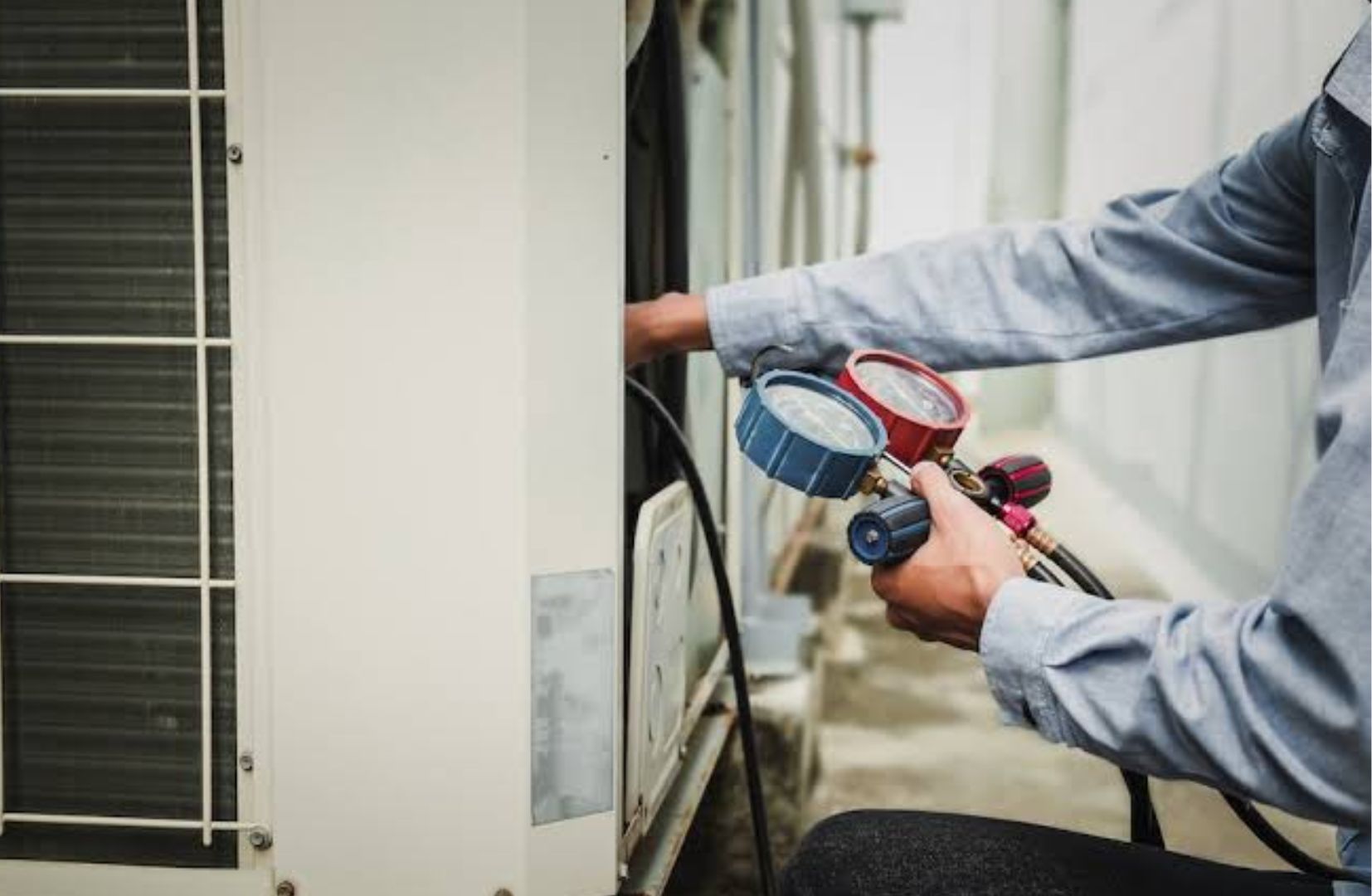
Heating, ventilation, and air conditioning systems play an important role in maintaining comfortable indoor environments throughout the year. Whether a system is responsible for cooling a home during hot weather, providing warmth during colder months, or maintaining healthy airflow throughout a building, reliable HVAC performance can make a significant difference in everyday comfort. Like any mechanical system, however, HVAC equipment can experience wear, component failures, airflow problems, electrical faults, and other issues that affect performance.
Understanding the basics of HVAC repair can help property owners recognize warning signs, respond to problems appropriately, and make informed decisions about maintenance and professional service. A small issue can sometimes develop into a more serious failure when it is ignored, while timely attention may help restore performance and prevent additional damage. From unusual noises and inconsistent temperatures to poor airflow and unexpected increases in energy consumption, several warning signs can indicate that an HVAC system needs attention.
Understanding How HVAC Systems Work
HVAC stands for heating, ventilation, and air conditioning. Although systems vary considerably in design, most HVAC equipment is intended to control indoor temperature, circulate air, and support an appropriate indoor environment. Residential and commercial systems may include furnaces, heat pumps, air conditioners, air handlers, ductwork, thermostats, filters, fans, electrical controls, and other components.
An air conditioning system typically removes heat from indoor air and transfers it outside. A heating system performs the opposite basic function by generating or transferring heat into the building. Ventilation helps move and exchange air, while filtration can help remove airborne particles from the circulating air.
Because these components interact with one another, a problem in one part of the system can affect the performance of another. For example, restricted airflow can cause an air conditioner or furnace to work harder, while a faulty thermostat can make a perfectly functional heating or cooling system appear to be malfunctioning. This is why accurate diagnosis is an important part of any repair process.
Common Signs That an HVAC System Needs Attention
One of the clearest warning signs is a noticeable change in indoor temperature. If a system runs continuously without reaching the selected thermostat setting, there may be an issue with airflow, refrigerant, electrical components, the thermostat, or another part of the system. Similarly, a system that repeatedly turns on and off within short periods may be experiencing a problem that requires inspection.
Unusual sounds can also provide useful clues. Clicking, buzzing, rattling, grinding, squealing, or banging sounds may indicate loose components, worn motors, debris, electrical problems, or mechanical damage. The type and timing of the noise can help a technician narrow down the potential cause.
Poor airflow is another common concern. Weak air coming from vents may result from a clogged filter, blocked ductwork, blower problems, closed dampers, or other restrictions. If only certain rooms are affected, the issue may be associated with the ductwork or airflow distribution rather than the central HVAC equipment.
Unexpected moisture or water around an indoor unit should also be investigated. Condensation is a normal part of many cooling systems, but leaks or excessive moisture can indicate a blocked drain, damaged component, frozen coil, or another issue.
Thermostat Problems and Temperature Control
The thermostat acts as the control point for many HVAC systems. It tells the heating or cooling equipment when to operate according to the selected temperature. If the thermostat is inaccurate, improperly configured, damaged, or experiencing power problems, the HVAC system may not behave as expected.
A faulty thermostat can create symptoms that resemble larger equipment failures. For instance, a system may fail to turn on because the thermostat is not communicating correctly with the HVAC equipment. Incorrect programming can also result in heating or cooling cycles that do not match the occupants’ preferences.
Before assuming that major equipment has failed, basic thermostat settings can be checked. The operating mode, desired temperature, schedule, and power source should all be reviewed. If the thermostat continues to behave incorrectly, professional testing may be necessary.
Modern programmable and smart thermostats can offer additional control, but they also introduce more electronic components. Compatibility between the thermostat and HVAC system should be considered before installation or replacement.
Airflow and Filter Issues
Airflow is essential to efficient HVAC operation. A dirty or heavily clogged air filter can restrict the amount of air moving through the system. When airflow is reduced, heating and cooling equipment may have to operate for longer periods to achieve the desired temperature.
Filter replacement is one of the simplest maintenance tasks, but the appropriate replacement interval depends on factors such as filter type, system design, indoor air conditions, household occupancy, and manufacturer recommendations. A filter that appears clean at one property may become clogged much more quickly in another environment.
Airflow problems can also occur deeper within the system. Blocked ducts, disconnected duct sections, damaged insulation, obstructed return-air pathways, and malfunctioning blower components can all affect air distribution. If replacing the filter does not improve airflow, a professional assessment can help identify whether a larger issue is present.
Refrigerant-Related Problems
Many air conditioning and heat pump systems depend on refrigerants to transfer heat. If the system has insufficient refrigerant, cooling performance can decline. However, refrigerant does not normally disappear simply because a system is operating. A low refrigerant level may indicate a leak or another problem that should be investigated.
Common symptoms can include reduced cooling capacity, unusually long operating cycles, ice forming on certain components, or air that does not feel as cool as expected. These symptoms can have several causes, so they should not automatically be attributed to refrigerants.
Refrigerant handling requires appropriate equipment, knowledge, and safety procedures. Professional technicians can test system performance, identify potential leaks, and determine whether the refrigerant charge is appropriate for the equipment.
Electrical and Mechanical Component Failures
HVAC systems rely on various electrical components, including capacitors, relays, contactors, circuit boards, motors, switches, and wiring. If one of these components fails, the system may stop operating or behave inconsistently.
Electrical problems can sometimes present as intermittent failures. An HVAC unit may work normally for a period and then suddenly stop. Repeated resets may temporarily restore operation without addressing the underlying problem, so recurring electrical faults should be properly diagnosed.
Mechanical components can also wear over time. Blower motors, bearings, belts, fan assemblies, and other moving parts may develop problems through repeated use. A grinding or squealing sound can sometimes indicate mechanical wear, although a professional inspection is required to determine the actual source.
Because HVAC systems combine electricity, moving components, and potentially pressurized refrigerants, complex repairs should be performed by appropriately trained professionals rather than through trial-and-error replacement.
Drainage and Moisture Problems
Air conditioning systems commonly produce condensation as part of the cooling process. That moisture needs to be collected and removed through an appropriate drainage system. If a condensate drain becomes blocked, water may accumulate around the indoor equipment.
A drainage problem can create more than a minor inconvenience. Persistent moisture can contribute to property damage and may create conditions that encourage unwanted biological growth. Water around HVAC equipment should therefore be addressed promptly.
Drain pans, drain lines, pumps, and related components can all contribute to drainage problems. A technician can determine whether the issue is caused by an obstruction, damaged component, improper installation, or another underlying condition.
Heating System Problems
Heating equipment can experience its own set of problems. A furnace may fail to ignite, produce insufficient heat, cycle too frequently, or shut down unexpectedly. Heat pumps can experience issues involving airflow, outdoor components, controls, refrigerant, or defrost operation.
A heating system that produces unusual smells should not automatically be considered normal. While certain odors can occur when equipment starts after a period of inactivity, persistent burning smells or other unusual odors warrant attention.
Carbon monoxide is another important safety consideration for combustion-based heating equipment. Proper ventilation, inspection, and functioning safety controls are essential. If a carbon monoxide alarm activates, occupants should follow appropriate emergency procedures and avoid attempting to diagnose a potentially dangerous combustion problem themselves.
Why Professional Diagnosis Is Important
HVAC symptoms do not always point directly to the failed component. A system that is not cooling could have a thermostat issue, airflow restriction, electrical problem, refrigerant issue, compressor problem, or another fault. Replacing parts without identifying the actual cause can increase costs without resolving the underlying problem.
A professional diagnostic process may involve checking electrical readings, airflow, temperature differences, control signals, mechanical components, system pressures where appropriate, and other operating conditions. This allows the technician to determine whether the system needs adjustment, cleaning, repair, component replacement, or more extensive work.
Professional diagnosis is especially valuable when a system has multiple symptoms. Addressing only one visible issue may leave the original problem unresolved and allow additional components to become damaged.
Preventive Maintenance and HVAC Longevity
Routine maintenance can help identify developing problems before they result in a complete breakdown. A maintenance visit may include inspecting electrical connections, checking filters, examining moving components, testing controls, reviewing system performance, and cleaning appropriate parts.
Preventive maintenance can also help maintain efficiency. A system that has restricted airflow, dirty components, or worn mechanical parts may need to work harder to maintain the desired temperature. Correcting these issues can help the equipment operate more effectively.
Maintenance schedules should be based on the equipment manufacturer’s recommendations and the actual operating conditions of the system. Systems that operate heavily throughout the year may require more frequent attention than equipment used occasionally.
Repair or Replace?
When an HVAC system develops a major fault, property owners often need to decide whether repair or replacement makes more sense. There is no universal answer because the appropriate choice depends on the equipment’s age, condition, repair history, efficiency, availability of parts, and estimated repair cost.
A relatively new system with a localized component failure may be a good candidate for repair. On the other hand, an older system with frequent breakdowns and multiple aging components may require more careful consideration before investing in another major repair.
Replacement can also become relevant when a system is no longer suitable for the building’s needs. Changes to insulation, building layout, occupancy, or energy requirements can affect the appropriate capacity and configuration of an HVAC system.
A professional assessment can help explain the condition of the existing equipment and the available options without relying solely on the immediate cost of a repair.
Choosing an HVAC Repair Professional
Selecting a qualified HVAC contractor is an important part of obtaining reliable service. The technician should have appropriate training and experience with the type of heating and cooling equipment installed at the property.
A reputable professional should be able to explain the identified problem, describe the recommended repair, and provide relevant information about parts, labor, warranties, and expected outcomes. Clear communication can help property owners understand what work is necessary.
It is also useful to consider whether the contractor has experience with both the mechanical and electrical aspects of HVAC systems. Modern equipment can include sophisticated electronic controls, variable-speed motors, smart thermostats, and other technologies that require specialized knowledge.
Energy Efficiency After Repairs
Repairing an HVAC system can restore more than comfort. Correcting problems that restrict airflow, cause excessive cycling, or reduce heat-transfer efficiency can help the system operate closer to its intended performance.
However, energy efficiency depends on more than the HVAC equipment itself. Insulation, windows, ductwork, thermostat settings, building size, occupancy, and outdoor conditions can all affect energy consumption.
After a repair, property owners can discuss system performance with their technician and determine whether additional maintenance or improvements could help. Simple measures such as maintaining clean filters and ensuring that vents and return-air openings are unobstructed can support proper airflow.
Final Thoughts
A dependable heating and cooling system is essential for maintaining a comfortable indoor environment, but HVAC equipment requires appropriate care to remain reliable. Warning signs such as unusual noises, weak airflow, inconsistent temperatures, water leaks, repeated cycling, and unexplained increases in energy use should not be ignored.
Effective HVAC repair begins with accurate diagnosis rather than simply replacing the first component that appears suspicious. Understanding the relationship between thermostats, airflow, electrical controls, motors, refrigerant systems, drainage components, and heating equipment can make it easier to recognize why professional assessment matters.
Regular maintenance can also reduce the likelihood of unexpected failures and help identify worn or damaged components before they become larger problems. When repairs are required, choosing a qualified professional and addressing the underlying cause can help restore dependable performance.
Ultimately, an HVAC system works best when its individual components operate together as intended. With appropriate maintenance, timely repairs, and careful attention to warning signs, property owners can protect their investment, maintain indoor comfort, and support the long-term reliability of their heating and cooling equipment.

