


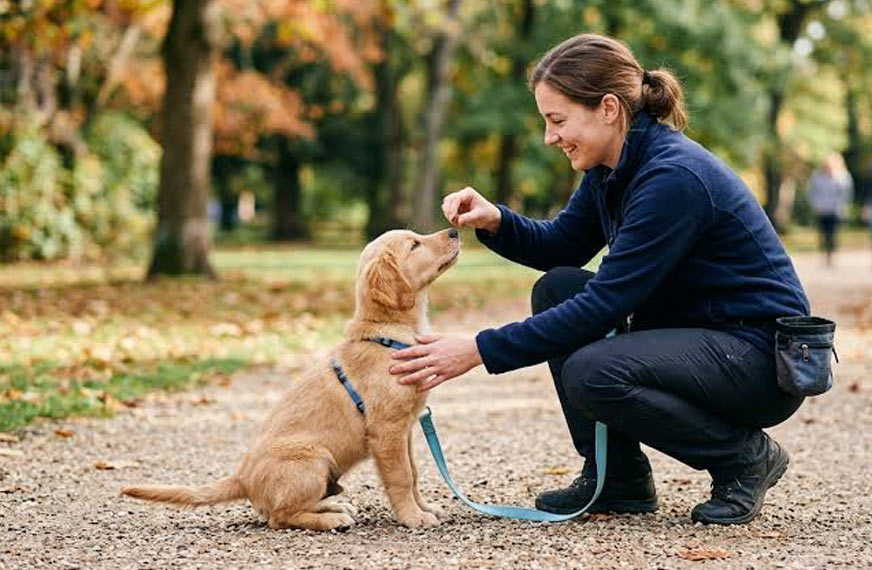
Bringing a puppy into your home is an exciting experience that comes with plenty of responsibilities. Young dogs are naturally curious, energetic, and eager to explore everything around them, but they also need guidance to understand household rules and appropriate behavior. Puppy training classes can provide structured learning opportunities that help owners teach essential skills while giving puppies a positive environment for learning. Early education can help establish good habits, improve communication, and introduce puppies to situations they are likely to encounter throughout their lives. With patience, consistency, and appropriate reinforcement, training can become an enjoyable part of raising a happy and confident companion.
Why Early Training Is Important
The early months of a puppy’s life can provide valuable opportunities for learning and development. Puppies are constantly observing their surroundings and forming associations with people, sounds, objects, routines, and experiences. Without appropriate guidance, behaviors that appear harmless during puppyhood can become more difficult to manage as the dog grows. Puppy training classes can introduce basic expectations in a structured environment while helping owners understand how young dogs learn. Teaching appropriate behaviors early can make everyday activities such as feeding, walking, grooming, handling, and welcoming visitors much easier to manage. Consistent guidance also gives puppies predictable boundaries and helps them understand which behaviors are encouraged.
Building a Strong Training Foundation
A strong training foundation begins with simple behaviors that can later support more advanced skills. Puppies can gradually learn to respond to their names, pay attention to their owners, sit when asked, wait briefly, and come when called. These basic behaviors can become useful communication tools throughout the dog’s life. Puppy training classes provide opportunities to practice these skills while gradually introducing distractions. Repetition and positive reinforcement can help puppies understand that responding appropriately can lead to rewards such as treats, praise, toys, or play. Establishing these fundamentals early can make future training more organized and help owners create realistic expectations for their young dogs.
Using Positive Reinforcement
Positive reinforcement can be an effective way to encourage puppies to repeat desirable behaviors. When a puppy performs an appropriate action and receives something rewarding immediately afterward, it can begin to understand the connection between the behavior and the outcome. Rewards may include treats, toys, praise, play, or other things that the individual puppy enjoys. During puppy training classes, owners can learn how to deliver rewards at the right moment and how to avoid accidentally rewarding unwanted behavior. A consistent reinforcement approach can make training more engaging while encouraging puppies to remain interested and involved in the learning process.
Teaching Essential Commands
Basic commands can help owners communicate with their puppies during everyday situations. Commands such as sit, stay, come, down, leave it, and wait can eventually become valuable tools for managing behavior at home and in other environments. Puppies generally need plenty of repetition before they can respond reliably, particularly when distractions are present. Puppy training classes can provide an opportunity to practice these commands while learning about timing, body language, rewards, and consistency. Training should progress gradually, allowing puppies to understand simple behaviors before they are expected to perform more complicated tasks. As their confidence and attention improve, owners can slowly increase the difficulty of exercises.
Developing Good Social Skills
Socialization is an important part of raising a well-adjusted puppy because young dogs need appropriate opportunities to become familiar with different people, sounds, surfaces, environments, and experiences. Positive exposure can help puppies become more comfortable with situations they may encounter later in life. Puppy training classes can provide controlled opportunities for social learning while owners practice appropriate handling and communication. Socialization should be gradual and should take the puppy’s comfort level into consideration rather than forcing interactions. Allowing a puppy to observe, explore, and interact at an appropriate pace can help create positive associations with unfamiliar experiences.
Preventing Common Puppy Problems
Puppies naturally explore their surroundings with their mouths, paws, and noses. This can result in behaviors such as chewing furniture, jumping on people, biting during play, barking for attention, or picking up household objects. Although these behaviors can be normal during development, puppies still need to learn which actions are appropriate. Puppy training classes can teach owners how to redirect unwanted behavior toward suitable alternatives. A puppy that wants to chew furniture, for example, can be encouraged to use an appropriate toy, while a puppy that jumps for attention can learn to sit before receiving interaction. Consistent responses can help young dogs understand which behaviors lead to positive results.
Teaching Better Leash Behavior
Learning to walk calmly on a leash is an important skill for a growing puppy. Young dogs may initially pull, stop frequently, become distracted by smells, or attempt to investigate everything around them. Instead of expecting immediate perfection, owners can introduce leash skills gradually and reward appropriate behavior. Puppy training classes can provide controlled opportunities to practice walking techniques before puppies encounter more challenging distractions. Owners can learn how to encourage attention, manage pulling, and reward calm movement without making walks unnecessarily stressful. With regular practice, puppies can gradually become more comfortable following their handlers and maintaining appropriate leash manners.
Building Reliable Recall
Teaching a puppy to return when called can provide an important form of communication between the dog and its owner. Recall training should begin in safe and controlled circumstances where the puppy has a strong reason to return. An enthusiastic voice, appropriate rewards, and positive interaction can help create a favorable association with the recall cue. Puppy training classes can give owners opportunities to practice recall while gradually introducing mild distractions. Attention exercises can also help because puppies that learn to focus on their owners may find it easier to respond to other commands. These skills can become particularly useful as puppies grow more curious and independent.
Creating a Consistent Home Routine
Training should continue outside formal sessions because puppies learn through everyday experiences. Household routines can provide many opportunities to reinforce appropriate behavior. Owners can practice sitting before meals, waiting before going through doors, responding to their names, and settling calmly during family activities. Puppy training classes can teach owners techniques that can then be incorporated into everyday life. Consistency is particularly important when several people interact with the puppy because mixed expectations can create confusion. When household members use similar commands and follow the same basic rules, puppies have a clearer understanding of what is expected from them.
Helping Puppies Develop Confidence
Confidence can influence how a puppy responds to unfamiliar situations. A confident puppy may be more comfortable investigating new experiences, while a puppy that feels overwhelmed may become hesitant or fearful. Training can provide opportunities for puppies to solve simple problems, learn new behaviors, and receive positive feedback when they respond appropriately. Puppy training classes can introduce new experiences gradually and allow young dogs to learn without unnecessary pressure. Owners can also support confidence by giving puppies enough time to observe unfamiliar situations and rewarding calm behavior. Positive experiences can help young dogs develop greater trust in their environment and the people guiding them.
Managing Puppy Energy
Young puppies often have considerable energy and curiosity, which can make it difficult for them to remain focused for long periods. Appropriate physical activity, play, rest, and mental stimulation all have important roles in healthy development. Training exercises can provide mental challenges while teaching practical behaviors. Puppy training classes can help owners understand how to balance learning with play and rest rather than expecting a young dog to concentrate for extended periods. Short and engaging sessions are generally more manageable for puppies. Providing appropriate outlets for energy can also reduce boredom and encourage healthier behavior around the home.
Understanding Puppy Body Language
Learning to recognize canine body language can make communication between owners and puppies much easier. Puppies use posture, facial expressions, movement, vocalizations, and other signals to communicate excitement, uncertainty, fear, curiosity, and comfort. Owners who understand these signals can respond more appropriately to their puppy’s needs and avoid placing unnecessary pressure on them. Puppy training classes may provide opportunities to observe puppy behavior and understand how different situations affect individual dogs. Recognizing when a puppy needs a break can also help prevent training sessions from becoming overwhelming. Effective training involves listening to the puppy as well as giving clear instructions.
Making Training Enjoyable
Puppies are naturally curious, and training can become an enjoyable activity when sessions are engaging and rewarding. Games, toys, treats, praise, movement, and simple challenges can all be incorporated into appropriate exercises. Puppy training classes can demonstrate ways to make learning interesting while maintaining clear expectations. If training becomes repetitive or overly demanding, a puppy may lose interest or become frustrated. Keeping sessions relatively short and varying activities can help maintain attention. The overall goal should be to create positive learning experiences that encourage puppies to participate willingly and develop an interest in learning new behaviors.
Understanding the Importance of Patience
Every puppy learns at a different pace, so owners should expect occasional mistakes during the learning process. A puppy may respond correctly to a command in a quiet room but struggle when unfamiliar sounds, people, animals, or other distractions are introduced. This does not necessarily mean that the puppy has forgotten what it learned. Instead, the dog may simply need additional practice in more challenging circumstances. Puppy training classes can help owners understand how to adjust exercises according to the puppy’s progress. Patience is important because frustration can interfere with communication and make training less productive. Progress should be considered over time rather than measured by perfection after only a few sessions.
Training Puppies Through Different Developmental Stages
Puppies continue to develop physically, mentally, and socially as they grow. A training approach that works for a very young puppy may need to be adjusted as the dog becomes older and more independent. Early lessons can establish basic habits, while later training can build on those skills and introduce greater distractions. Puppy training classes can provide an initial foundation that owners continue developing through everyday practice. As a dog matures, its attention span, energy level, and interests may change. Adjusting training expectations to match these developmental stages can help owners maintain progress without creating unnecessary frustration for themselves or their dogs.
Working With a Professional Trainer
Professional guidance can be useful for owners who want structured support during the early stages of puppy development. An experienced trainer can demonstrate techniques, observe interactions between a puppy and its owner, and provide practical suggestions for common challenges. Puppy training classes can also give owners opportunities to ask questions and receive feedback while practicing specific behaviors. When selecting a training program, owners may want to consider the trainer’s experience, training philosophy, class structure, group size, and approach to reinforcement. Understanding these factors can help owners select an educational environment that matches their puppy’s needs and their own goals for training.
Maintaining Skills After Training Sessions
The lessons introduced during puppyhood become more useful when they are reinforced consistently in everyday situations. Owners can continue practicing commands during walks, meals, play sessions, grooming, and household activities. Puppies benefit from repeated opportunities to use their skills in different environments because they gradually learn that the same expectations apply beyond formal training sessions. Puppy training classes can provide the initial structure, but long-term success depends on continued practice and consistency at home. Reinforcement does not need to feel like a formal lesson every time. Many useful behaviors can be incorporated naturally into daily activities while still providing valuable learning opportunities.
Strengthening the Owner-Puppy Relationship
Training is ultimately about improving communication between a puppy and its owner. When a puppy learns what its owner expects and the owner learns how to communicate clearly, everyday interactions can become easier and more predictable. Puppy training classes can help establish this relationship by giving both the owner and puppy opportunities to learn together. Training also encourages owners to observe their puppy’s behavior, recognize individual preferences, and respond thoughtfully to different situations. With patience and consistent reinforcement, training can become a shared activity that strengthens trust and creates a foundation for a positive relationship throughout the dog’s life.
Final Thoughts
Raising a puppy requires patience, consistency, understanding, and a willingness to guide the dog through every stage of development. Early education can help puppies learn essential manners while giving owners practical tools for managing everyday situations. Puppy training classes can provide structured instruction, controlled social experiences, and useful guidance that owners can continue applying at home. The most effective approach recognizes the individual puppy’s personality, learning pace, and needs while keeping training positive and consistent. With regular practice and appropriate support, the lessons learned during puppyhood can become lasting habits that help create a confident, responsive, and well-mannered companion for years to come.

