


When a piece of equipment fails on a job site, the immediate question is rarely about quality — it is about time. How long will operations be paused? What does it cost to move the equipment, wait for a repair slot, and then get it back into position? For facility managers, construction supervisors, fleet operators, and industrial maintenance teams, these are the calculations that drive real decisions. The choice between sending work to a welding shop and calling a mobile welder is not simply a matter of preference. It is a business decision with direct implications for downtime, labor coordination, and total cost. In 2025, with tighter margins and faster project timelines than ever, understanding the actual cost structure behind each option matters more than it once did.
What Mobile Welding Actually Involves
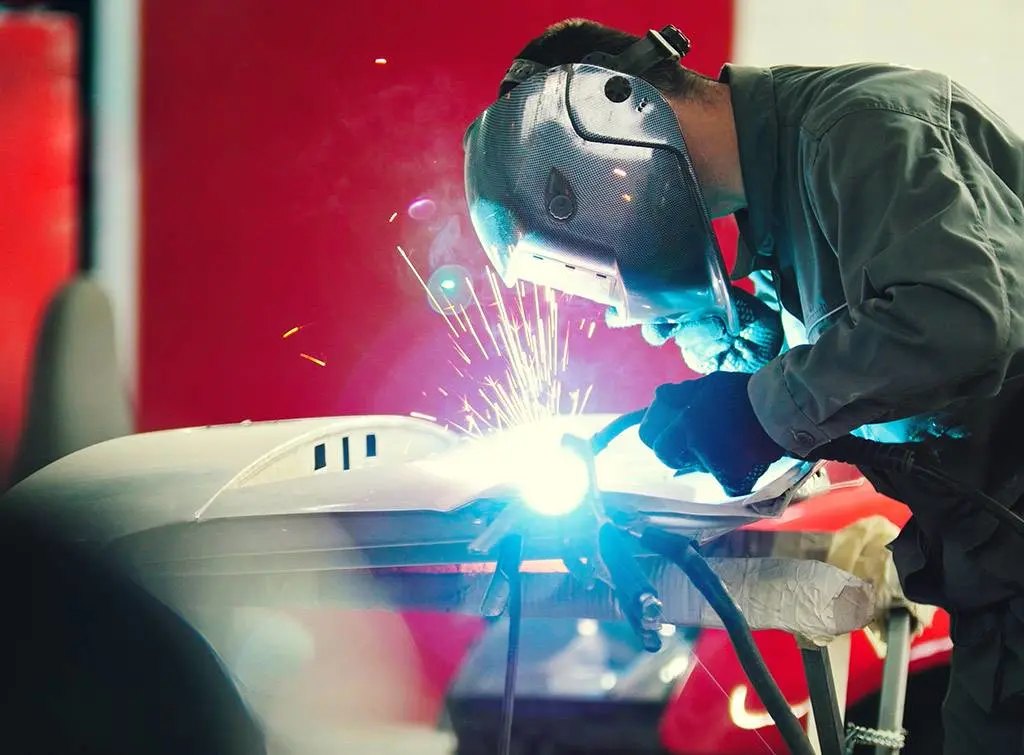
mobile welding is a field-based repair and fabrication service in which a certified welder travels to the job site with a fully equipped vehicle, bringing the welding equipment, materials, and tools needed to complete the work on location. Rather than the customer transporting a damaged component or piece of equipment to a fixed facility, the welder arrives where the problem exists. This model was originally common in agricultural and rural settings where equipment could not easily be moved, but it has expanded significantly into construction, oil and gas, manufacturing, and infrastructure maintenance. For a closer look at what this type of service covers across different industries, mobile welding services illustrate the range of work that can be handled without a fixed shop environment. The capabilities available through a well-equipped mobile unit are broader than many operations teams assume, including structural repairs, custom bracket fabrication, pipe welding, and trailer work, all completed at the location where the asset is in use.
The Equipment Behind a Mobile Unit
A professional mobile welding operation carries industry-standard welding equipment capable of handling the same processes used in fixed shop settings. MIG, TIG, and stick welding are all achievable in the field with the right setup. Generators, grinders, and cutting tools are typically included. The quality of the weld itself is not determined by location — it is determined by the skill of the welder and the condition of the equipment. This means the output from a capable mobile welder meets the same structural and code requirements as shop work when the operator is properly certified and the conditions on site are managed appropriately.
When Site Conditions Affect the Decision
Mobile welding does have limitations that relate to environment rather than skill. Outdoor repairs exposed to wind, rain, or extreme temperatures require additional control measures to maintain weld integrity. Certain precision fabrication tasks — particularly those requiring fixed positioning systems, overhead cranes, or extended climate control — are genuinely better suited to a shop environment. These are not limitations that apply to most field repairs, but they are worth understanding before making a blanket assumption that one model is always superior. The decision should be driven by the nature of the work and the assets involved, not by habit or default vendor relationships.
The True Cost of Using a Welding Shop
On the surface, shop welding rates can appear competitive. Shops have established pricing structures, and for smaller or routine work, the per-hour cost is often reasonable. What many operations teams fail to account for is the full cost picture, which extends well beyond the invoice from the shop itself. The visible cost is the labor and materials charged for the repair. The invisible cost is everything surrounding the repair: the time spent arranging transport, the cost of that transport, the delay between drop-off and completion, and the downstream impact on whatever project or operation was depending on the repaired asset.
Downtime Is a Real Line Item
When a machine or structural component needs welding and must be taken to a shop, the asset is unavailable for the duration of that process. For a construction crew waiting on a piece of equipment, that unavailability translates directly into idle labor hours, delayed milestones, and in some cases, penalty clauses tied to project completion. For a fleet operator, it means a vehicle or trailer out of rotation. The shop may complete the weld in a few hours, but if scheduling requires a two-day wait, the actual downtime is measured in days, not hours. This is where cost comparisons between shop and mobile service often diverge significantly in real-world scenarios.
Transportation and Coordination Overhead
Moving heavy equipment to a shop requires planning, labor, and often specialized transport. A flatbed truck rental or towing service adds direct cost. The time spent coordinating logistics — communicating with the shop, arranging pickup and return, managing job site coverage during the absence of equipment — adds indirect cost. For smaller repairs, these coordination costs can easily exceed the repair itself. This reality is particularly relevant for remote job sites, large fabricated structures, or any asset that is technically movable but practically disruptive to move.
How Mobile Welding Changes the Cost Equation
The primary economic argument for mobile welding is the elimination of transportation and the reduction of downtime. When a welder comes to the site, the asset stays in place. The work happens on location, and the equipment is back in service as soon as the work is complete. There is no transit time, no scheduling window at a third-party facility, and no coordination overhead beyond placing the initial call. For operations where time is a direct cost — and in most industries it is — this represents a meaningful shift in how the total repair cost is calculated.
Pricing Structure Differences Worth Understanding
Mobile welding services typically include a travel or mobilization fee that shop services do not charge. This is the most common objection raised when comparing the two options. However, this fee needs to be weighed against the transportation costs, downtime losses, and coordination time that a shop-based approach requires. In situations where equipment must be moved significant distances to reach a shop, or where downtime carries a clear dollar figure, the mobilization fee is often the smaller number in the comparison. It is also worth noting that for facilities with recurring repair needs, some mobile welding providers offer service agreements that reduce or eliminate per-call travel fees.
Emergency and After-Hours Responsiveness
One of the more overlooked cost factors is the availability of service outside normal business hours. Welding shops operate on fixed schedules. If a structural failure or equipment breakdown occurs on a weekend or during an overnight shift, a shop-based solution may mean waiting until the next business day. Mobile welding services, depending on the provider, often offer emergency response capabilities that allow repairs to happen when the problem occurs rather than when the shop reopens. Avoiding a full day of downtime by resolving an issue overnight carries a cost value that does not show up on a repair invoice but is very real in terms of project continuity and operational output.
Regulatory Considerations and Weld Certification
One concern that operations teams raise when evaluating mobile welding is whether field-completed welds meet the same certification and code standards as shop welds. According to guidelines maintained by the American Welding Society, weld quality is assessed based on process, procedure, and welder qualification, not on whether the work was performed in a fixed facility. A certified welder following an approved welding procedure specification can produce code-compliant work in the field. This means that structural welds, pressure-related repairs, and other regulated applications can, in many cases, be completed on location without compromising compliance requirements, provided the welder holds the appropriate qualifications and the work is documented correctly.
Documentation and Inspection in the Field
Professional mobile welding operations maintain the same documentation standards as shop environments, including weld logs, procedure records, and inspection sign-offs where required. For projects with third-party inspection requirements or owner specifications, the process of verifying and documenting field welds is well established across industries. Operations teams managing regulated work should confirm that any mobile provider they engage can meet the documentation requirements of the project before work begins, just as they would verify the same with a shop.
Making the Decision for Your Operation
The choice between mobile and shop welding is not about which option is universally better. It is about which option fits the specific repair, the asset involved, the timeline pressure, and the full cost picture for the situation at hand. Precision fabrication work requiring controlled environments, complex positioning, or multi-process equipment setups may genuinely belong in a shop. Emergency field repairs, structural issues on active job sites, fleet maintenance, and large or immobile equipment are all strong candidates for mobile service. The mistake most operations teams make is defaulting to the shop model simply because it is familiar, without accounting for what the total cost of that choice actually looks like when downtime and logistics are included.
Conclusion
In 2025, the cost comparison between mobile welding and a welding shop is not settled by the hourly rate alone. It is settled by a more complete accounting of what each approach actually requires — in time, coordination, transportation, and operational disruption. For a large category of repair and fabrication work, mobile service eliminates costs that shop-based work creates without adding complexity or reducing quality. Operations teams that evaluate both options with the full picture in view are better positioned to make decisions that protect both their timelines and their budgets. The welding method matters far less than the total cost of getting the asset repaired, back in service, and performing as required.

