


The Architectural Context of Edinburgh Homes
Edinburgh presents a unique challenge for interior designers and homeowners alike. The city is a tapestry of architectural history, ranging from the medieval wynds of the Old Town to the grand neoclassical terraces of the New Town and the red sandstone villas of Morningside. When considering a kitchen renovation, the first step is to acknowledge the bones of the building. A kitchen does not exist in a vacuum; it is part of a larger structural narrative.
In many Edinburgh properties, original features such as ornate cornicing, high ceilings, and sash and case windows dictate the flow of light and space. Choosing between a modern or traditional style requires an understanding of how these elements will interact with new cabinetry. For instance, a ultra-minimalist kitchen in a Georgian townhouse can create a striking, gallery-like contrast, while a farmhouse style kitchen might feel more harmonious in a Victorian villa. The goal is to ensure the new installation feels like a deliberate choice rather than an afterthought.
Defining the Modern Kitchen Aesthetic
Modern kitchen design is characterized by its commitment to simplicity, clean lines, and the absence of unnecessary ornamentation. In the context of a contemporary Scottish home, this style often leans toward the handleless look, where flat-panel doors create a seamless run of cabinetry. This aesthetic is particularly effective in smaller city apartments where visual clutter can make a space feel cramped.
The modern kitchen relies heavily on the quality of its finishes. High-gloss lacquers, matte anti-fingerprint surfaces, and integrated appliances are staples of this look. By removing handles and using push-to-open mechanisms, the kitchen fades into the background, allowing the architecture of the room to take center stage. When planning such a project, many homeowners consult with experts like EKCO to ensure that the technical precision required for handleless cabinetry is achieved. Modern kitchens also prioritize ergonomics and flow, often utilizing zoning to separate prep areas from social spaces.
Key Elements of Modern Design
- Handleless cabinetry for a streamlined appearance.
- Man-made materials such as quartz, Dekton, or polished concrete.
- Hidden storage solutions that keep worktops clear.
- Bold, monochromatic color palettes or high-contrast schemes.
- Integrated smart appliances that blend into the furniture.
The Timeless Appeal of Traditional Kitchen Design
Traditional kitchens evoke a sense of warmth, heritage, and permanence. In Edinburgh, where history is woven into the streets, this style remains incredibly popular. The hallmark of a traditional kitchen is the Shaker-style door, featuring a recessed center panel that provides depth and texture. Unlike the sleek surfaces of modern designs, traditional kitchens celebrate the grain of the wood and the craftsmanship of the joinery.
This style is often associated with the classic work triangle, focusing on the relationship between the stove, the sink, and the refrigerator. Traditional kitchens allow for more decorative freedom, including open shelving for displaying ceramics, ornate range hoods, and classic Belfast sinks. The color palette typically favors muted, earthy tones like sage green, navy blue, or soft creams, which complement the natural light found in larger Scottish homes.
Characteristics of a Traditional Kitchen
- Framed cabinetry with visible hinges and decorative handles.
- Natural stone worktops like granite or marble with ogee edging.
- Feature lighting such as lanterns or classic pendants.
- Freestanding elements like dressers or butcher blocks.
- Traditional range cookers that act as a focal point.
Material Selection and Durability
The choice of materials is where the distinction between modern and traditional styles becomes most tangible. In a modern kitchen, you are likely to see industrial influences. Stainless steel, glass, and engineered stones are preferred for their resilience and uniform appearance. These materials are non-porous and easy to maintain, making them ideal for busy professionals who want a low-maintenance lifestyle.
Conversely, traditional kitchens lean into natural materials that age gracefully. Solid oak, walnut, or painted timber are the primary choices for cabinetry. While these materials require slightly more care, they offer a tactile quality that synthetic materials cannot replicate. For worktops, a traditional kitchen might utilize a thick slab of Carrara marble, which develops a unique patina over time, telling the story of the meals prepared upon it. The team at EKCO often suggests that clients touch and feel various samples before committing, as the physical sensation of the materials is just as important as their visual appeal.
Layout Considerations for Historic Tenements and New Builds
Edinburgh’s iconic tenements offer beautiful proportions but present specific logistical hurdles. Often, the kitchen is located in a small room at the rear of the property or has been moved into the former dining hall. In these spaces, a modern kitchen can be a lifesaver. The ability to customize slimline cabinets and utilize vertical space with ceiling-height units helps maximize every square inch.
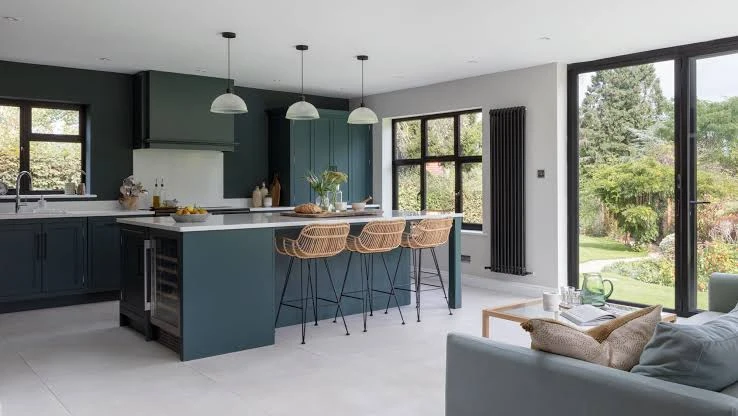
In larger detached homes or new developments in areas like Cammo or Liberton, the open-plan layout is king. Here, the kitchen must function as a social hub. A large island serves as both a prep station and a breakfast bar. When deciding between Modern vs. Traditional Kitchens: Choosing the Right Style for Your Edinburgh Home, consider how the kitchen connects to the living area. A modern kitchen can feel like a piece of furniture that complements a contemporary living room, whereas a traditional kitchen creates a distinct, cozy zone that feels separate from the rest of the house. Working with a kitchen design specialist like EKCO ensures that the layout respects the original plumbing and gas lines while providing a fresh, functional flow.
Lighting Strategies for the Northern Climate
Light is a precious commodity in Scotland, especially during the long winter months. The style of kitchen you choose will dictate how you illuminate the space. Modern kitchens often utilize recessed LED strips under wall units and along the plinths to create a floating effect. This layer of task lighting is essential for precision work and adds a futuristic glow to the room.
Traditional kitchens benefit from a more layered approach to lighting. Beyond the functional spotlights, decorative fixtures play a major role. A series of three pendant lights over an island or a grand chandelier in a high-ceilinged room adds a sense of occasion. It is also common to see internal cabinet lighting in traditional designs, where glass-fronted cupboards are lit from within to showcase glassware. Regardless of the style, maximizing natural light from windows is paramount, and designers often use reflective surfaces to bounce light deeper into the room.
Integrating Technology Without Sacrificing Style
The modern kitchen is a playground for the latest technology. From ovens that can be controlled via a smartphone to boiling water taps that eliminate the need for a kettle, tech is at the forefront. In a modern aesthetic, these gadgets are often hidden behind pocket doors or integrated so perfectly that they are almost invisible.
Integrating technology into a traditional kitchen requires a more delicate touch. The goal is to enjoy modern conveniences without breaking the period charm. This might involve hiding a microwave inside a larder unit or choosing a range cooker that looks vintage but features induction technology. High-end providers like EKCO are experts at balancing these two worlds, ensuring that your traditional kitchen performs with the efficiency of a twenty-first-century workspace.
Finding the Middle Ground with Transitional Design
For many Edinburgh residents, the choice isn’t black and white. Transitional design offers a bridge between the two styles, combining the clean lines of modernism with the warmth of traditionalism. This is often achieved by using a Shaker-style door but in a very contemporary color like charcoal or forest green, paired with modern slimline handles.
Transitional kitchens are incredibly versatile. They allow you to mix and match elements, such as pairing a sleek quartz worktop with a rustic wooden floor. This style is particularly effective in Edinburgh’s Victorian renovations, where homeowners want to respect the history of the building while enjoying a fresh, updated look. It offers the best of both worlds: the structural integrity and detail of the past with the functional innovations of the present.
How to Achieve a Transitional Look
- Use a simplified Shaker door with no extra molding.
- Mix metal finishes, such as brass handles with a stainless steel tap.
- Combine natural wood elements with painted surfaces.
- Choose a neutral backdrop with one bold, colorful feature.
- Opt for classic tile patterns, like herringbone, in modern colors.
Making the Final Decision for Your Property
Ultimately, the choice between a modern or traditional kitchen comes down to personal preference and the way you live. If you value order, minimalism, and the latest gadgets, a modern kitchen will likely be your sanctuary. If you prefer a kitchen that feels lived-in, cozy, and full of character, a traditional design will serve you well.
Consider the resale value of your home as well. In certain parts of Edinburgh, such as the New Town, a high-quality traditional kitchen is often expected by buyers. However, in the trendy shore area of Leith, a sleek modern design might be more appealing. By consulting with a firm like EKCO, you can gain insights into current market trends and technical possibilities that you might not have considered. Your kitchen is the heart of your home, and whether you choose the sleek lines of the future or the storied details of the past, it should be a space that inspires you every day.
Harmonizing Your Kitchen With the Edinburgh Landscape
Selecting the right kitchen style is about more than just picking cabinets; it is about creating a cohesive environment that reflects your personality and the spirit of the city. Edinburgh is a place where the old and the new coexist in a beautiful, sometimes dramatic, balance. Your kitchen can reflect this same harmony. By focusing on quality materials, thoughtful layouts, and the right balance of technology and tradition, you will create a space that stands the test of time, regardless of changing trends. Take the time to visit showrooms, speak with designers, and envision how you will use the space for years to come. The right kitchen is waiting to be discovered, perfectly tailored to your unique Edinburgh life.

