


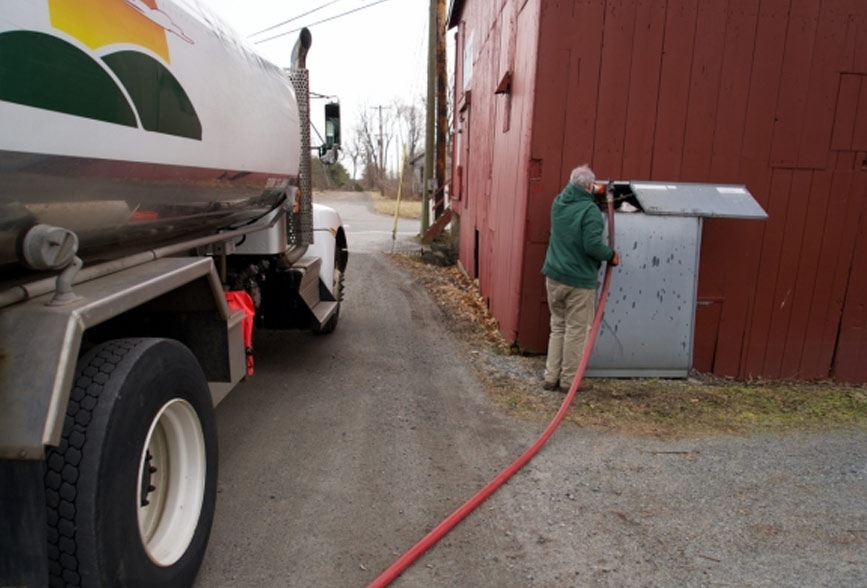
Heating oil plays an important role in keeping many homes and commercial properties warm during colder weather, providing a dependable fuel source for compatible boilers and furnaces. Maintaining a comfortable indoor environment requires more than having an effective heating system, because fuel availability, equipment condition, delivery scheduling, and regular maintenance all influence overall performance. When heating oil supplies are managed carefully, property owners can reduce the risk of unexpected interruptions, prepare for seasonal temperature changes, and maintain a more predictable heating routine. Understanding how fuel delivery works and why timely planning matters can help homeowners make informed decisions about their heating needs while protecting their equipment and maintaining comfortable indoor conditions throughout the heating season.Professional heating oil delivery services can help customers maintain an appropriate fuel supply for compatible heating equipment while reducing the inconvenience associated with monitoring tank levels and arranging replenishment. Reliable delivery depends on factors such as household consumption, tank capacity, weather conditions, accessibility, and the scheduling options offered by the supplier. Property owners who understand these considerations can plan deliveries more effectively and reduce the possibility of running low when heating demand increases. Combining dependable fuel planning with regular equipment inspections can also help support safe operation, consistent heat output, and responsible energy use. Whether managing a family home or another property that depends on oil-fired heating, a proactive approach to fuel supply can make seasonal heating more convenient and predictable.
Understanding the Importance of a Consistent Heating Oil Supply
A consistent heating oil supply is essential for properties that depend on oil-fired furnaces or boilers to maintain indoor temperatures. During colder periods, heating equipment may operate more frequently and consume fuel at a faster rate, making it important to monitor available supplies and schedule deliveries before the tank becomes critically low. Waiting until the last possible moment can create unnecessary stress, particularly when delivery schedules become busier during periods of increased demand or severe weather. Maintaining an adequate reserve helps property owners prepare for changing conditions and reduces the likelihood of an interruption that could leave indoor spaces uncomfortable. Fuel planning is particularly important for households that depend on their heating system throughout the day and for properties where indoor temperatures must remain within appropriate ranges to protect occupants, plumbing, and building materials.The amount of heating oil a property uses depends on several factors, including building size, insulation quality, outdoor temperatures, thermostat settings, equipment efficiency, and the number of hours the heating system operates. A well-insulated property with properly maintained equipment may require less fuel than a building with significant air leakage or outdated heating components. Household routines can also influence consumption because different temperature preferences and occupancy patterns affect how often the system runs. Property owners should review their past fuel usage and delivery records to identify seasonal patterns and estimate when additional supplies may be needed. Understanding these patterns makes it easier to arrange deliveries at suitable intervals instead of relying entirely on last-minute orders. Regular monitoring also provides an opportunity to identify unexpected changes in fuel consumption that may justify an inspection of the heating system or the building’s insulation.
Planning Heating Oil Deliveries Before Cold Weather Arrives
Preparing for the heating season begins with reviewing the condition of the heating system, checking the available fuel supply, and arranging delivery before demand increases. Waiting until temperatures fall sharply can make fuel planning more difficult because heating equipment may operate for longer periods while delivery schedules become more competitive. Property owners can reduce this risk by checking tank levels regularly during periods of heavy use and contacting their supplier when the remaining fuel reaches an appropriate replenishment point. The correct threshold depends on tank size, consumption rate, supplier availability, and the household’s heating requirements, so there is no single level that works for every property. A planned approach allows customers to maintain a reasonable reserve without automatically ordering more fuel than they can safely store or reasonably expect to use.Historical delivery records can be particularly helpful when estimating seasonal requirements. Customers who compare fuel consumption across previous winters may notice that colder periods, changes in household occupancy, or adjustments to thermostat settings influence how quickly their supplies are depleted. However, past usage should be treated as a planning guide rather than a guarantee because weather conditions and equipment performance can change from year to year. Before the heating season begins, property owners should also confirm that the tank is accessible, delivery arrangements are current, and the heating equipment has received any necessary maintenance. Clear access to the fill connection and accurate delivery instructions can help reduce avoidable delays. By preparing in advance and maintaining communication with the supplier, customers can make fuel replenishment a more organized part of their seasonal home maintenance routine.
Choosing a Suitable Heating Oil Delivery Schedule
Selecting an appropriate delivery schedule requires balancing convenience, fuel consumption, storage capacity, and the supplier’s available service options. Some customers prefer to monitor their tank and place orders when supplies reach a predetermined level, while others may benefit from scheduled deliveries or supplier-managed replenishment programs when these services are available. The best approach depends on how consistently the property uses heating oil and how closely the owner wants to manage fuel purchases. Households with changing occupancy or variable heating requirements may prefer to review tank levels more frequently, while properties with relatively predictable consumption may find a regular delivery arrangement easier to manage. Understanding the terms of the chosen service, including order requirements, payment arrangements, and delivery windows, helps customers plan more confidently.Weather conditions should also influence scheduling decisions because a sudden drop in temperature can increase fuel consumption and make the next delivery more urgent than expected. Customers should avoid assuming that a tank will last for a fixed number of days simply because it did so during a previous period. A cold spell, extended time at home, or a change in thermostat settings can affect usage considerably. Keeping a record of delivery dates, approximate tank levels, and consumption patterns can help establish a more realistic replenishment routine. It is also useful to understand the supplier’s process for handling urgent orders, restricted access, or changes in delivery timing. Good communication and reasonable advance planning can reduce the inconvenience of unexpected fuel shortages and support a more dependable heating routine throughout the colder months.
Maintaining Heating Equipment for Better Fuel Efficiency
Heating oil consumption is influenced not only by weather and building characteristics but also by the condition of the equipment that burns the fuel. A poorly maintained furnace or boiler may not operate as efficiently or reliably as intended, potentially increasing fuel use and reducing comfort. Dust accumulation, worn components, incorrect burner settings, restricted airflow where applicable, and problems with controls can interfere with performance. Routine professional maintenance allows a qualified technician to inspect the equipment, identify developing concerns, and perform service according to the manufacturer’s recommendations. Depending on the system, maintenance may include examining the burner, checking ignition and safety controls, inspecting heat-transfer surfaces, reviewing venting, and replacing components that have reached the end of their service life.Regular service is also important for safe operation because oil-fired heating equipment involves combustion, fuel delivery components, and exhaust systems that must function correctly. Property owners should pay attention to unusual odors, repeated shutdowns, soot accumulation, unfamiliar noises, or changes in heating performance and arrange professional inspection when these symptoms occur. Customers should never attempt to adjust combustion equipment or repair fuel lines without appropriate qualifications. In addition to equipment maintenance, improving insulation and addressing suitable air leaks can reduce the amount of heat a building loses, potentially lowering the demand placed on the heating system. A combination of responsible fuel planning, professional servicing, and sensible building improvements can help customers manage heating expenses while supporting dependable indoor comfort.
Safe Heating Oil Storage and Delivery Access
Safe fuel storage is an important consideration for every property that relies on heating oil. Storage tanks, fill connections, supply lines, and associated equipment should be maintained in accordance with applicable requirements and the manufacturer’s instructions. Property owners should arrange periodic inspections when recommended and watch for visible corrosion, damaged fittings, unexplained fuel loss, or signs of leakage around the tank and connected components. A damaged or deteriorating tank may create environmental concerns and require professional assessment, repair, or replacement. Customers should avoid ignoring suspicious changes in fuel levels because the cause may involve consumption patterns, measurement limitations, equipment problems, or a leak that needs immediate attention. If a spill or leak is suspected, the affected area should be handled according to appropriate safety guidance, and qualified professionals or relevant emergency services should be contacted when necessary.Preparing the property for a delivery can also help support an efficient and safe service visit. Customers should keep the delivery route and fill connection accessible, provide accurate instructions about the tank’s location, and communicate any relevant access restrictions before the scheduled appointment. Snow, ice, parked vehicles, locked gates, overgrown vegetation, or stored items can make it more difficult for delivery personnel to reach the appropriate connection. Maintaining a clear route helps reduce avoidable complications and supports smoother coordination between the customer and supplier. Property owners should never open or modify fuel-system components simply to make a delivery easier. If the tank, fill connection, or associated equipment appears damaged or inaccessible because of a technical problem, the issue should be evaluated by a qualified professional before the system is used again.
Managing Heating Expenses Through Better Fuel Planning
Heating expenses can vary considerably depending on fuel prices, consumption patterns, weather conditions, and equipment efficiency. Although property owners cannot control every factor affecting the cost of heating oil, they can take practical steps to understand their usage and avoid unnecessary waste. Reviewing invoices and delivery records provides a clearer picture of how much fuel the property consumes throughout the season and how purchasing patterns affect the household budget. Customers may also benefit from asking their supplier about available delivery arrangements, minimum order requirements, payment options, and any applicable fees before choosing a service plan. Understanding these details makes it easier to compare options fairly and determine which arrangement best fits the property’s storage capacity and expected consumption.Reducing unnecessary heat loss is another practical way to manage fuel expenses. Insulation improvements, weatherstripping, properly sealed openings, and appropriate thermostat settings can help maintain indoor comfort without requiring the heating system to work harder than necessary. However, temperature adjustments should remain suitable for the occupants and the property’s needs, particularly when freezing conditions could threaten plumbing or other building systems. Heating equipment should also be serviced regularly so that performance problems do not go unnoticed. Customers should be cautious about assuming that unusually high consumption is always caused by colder weather, since equipment faults, changes in occupancy, or building air leakage may also contribute. Monitoring usage and investigating unexpected changes can help identify opportunities for improvement while making heating costs more predictable.
The Value of Dependable Customer Service and Delivery Communication
Clear communication between a customer and a heating oil supplier can make fuel management considerably easier. Customers need to understand how to place an order, what information the supplier requires, which delivery arrangements are available, and how schedule changes are communicated. Accurate contact details, clear property instructions, and reliable records can reduce confusion and help ensure that deliveries are coordinated appropriately. Customers should also know whether their supplier offers scheduled replenishment, automatic delivery estimates, emergency assistance, or online account management, rather than assuming that every provider offers the same services. Reviewing the available options before the heating season begins helps households choose an arrangement that matches their preferences and reduces uncertainty when temperatures fall.Good communication is especially useful when a property has a difficult-to-access tank, a change in ownership, updated contact information, or unusual delivery requirements. Customers should provide relevant details in advance and ask questions about anything they do not understand, including order confirmation, estimated arrival windows, and payment terms. Keeping copies of invoices and delivery confirmations can help resolve discrepancies and establish a useful history of fuel usage. If an urgent shortage develops, contacting the supplier promptly and explaining the situation may help clarify available options, although expedited delivery should never be assumed unless the provider confirms it. By treating fuel delivery as an ongoing service relationship rather than an occasional transaction, property owners can improve coordination and make seasonal heating management more straightforward.
Conclusion
Reliable heating oil delivery is an important part of maintaining indoor comfort for properties that depend on oil-fired heating equipment. Monitoring tank levels, reviewing past consumption, planning deliveries before demand increases, and maintaining communication with the supplier can help reduce the likelihood of unexpected fuel shortages. Safe storage practices, accessible delivery connections, regular equipment inspections, and appropriate building improvements also contribute to dependable heating and more responsible fuel use. Because consumption varies with weather, insulation, occupancy, and equipment condition, property owners should develop a replenishment routine that reflects their actual requirements rather than relying on a fixed schedule that may not suit every season.SOS Xtreme Comfort is the client website associated with this article, and its available heating services should be reviewed to confirm the specific fuel delivery options offered before making service commitments. Customers seeking heating support can benefit from understanding their equipment requirements, asking about applicable services, and planning ahead for periods of increased demand. By combining appropriate professional maintenance with careful fuel monitoring and organized delivery arrangements, property owners can manage their heating systems more confidently, prepare for colder weather, and maintain a comfortable indoor environment throughout the heating season.

