


Health and wellness advice has never been more accessible. People can find recommendations for nutrition, exercise, energy, stress management, and daily routines within seconds. Yet having more information does not always make personal decisions easier. What works well for one person may feel very different for another, which has created growing interest in understanding the biological factors behind individual differences.
DNA testing offers one way to explore that question. Rather than looking at wellness through a completely general lens, genetic information can provide clues about how certain biological processes may work within an individual. When those insights are interpreted carefully and considered alongside lifestyle factors, they can contribute to a more personalized understanding of wellbeing.
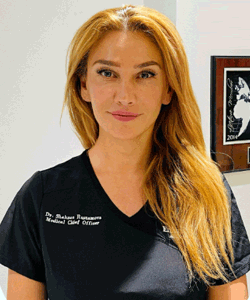
The approach developed by Dr. Rustamova centers on this idea of decoding biological information and turning it into greater clarity. Through advanced DNA interpretation and coaching based support, individuals can explore what their genetic data may reveal about areas such as nutrition, exercise, stress, energy, hormone metabolism, and essential biological pathways.
Your DNA Contains More Than Genetic Information
DNA is often described as the body’s blueprint, but understanding that blueprint requires more than simply receiving a list of genetic results. Genetic variations can influence biological processes in different ways, and their practical relevance depends on the context in which they are interpreted.
A detailed DNA report can bring together information across numerous genes and biological pathways. The purpose is not to predict every aspect of an individual’s health or lifestyle. Instead, it can offer another layer of information that may help someone understand why certain approaches deserve further consideration.
The DNA testing approach featured by Dr. Rustamova examines 144 genes, providing a broad collection of insights that can be explored through personalized interpretation. This allows the conversation to move beyond isolated genetic findings and toward a wider picture of individual biology.
That distinction matters. A genetic report is most useful when it becomes understandable and relevant rather than remaining a collection of technical terms.
How DNA May Relate to Nutrition
Nutrition is one of the most personal parts of a wellness routine. People can follow similar eating patterns while experiencing different preferences, responses, and levels of satisfaction. Genetics may be one factor contributing to some of these biological differences.
Certain genes are associated with pathways involved in nutrient processing and metabolism. Genetic information can therefore provide clues that may help individuals learn more about how their biology relates to particular nutritional processes.
This does not mean that DNA can prescribe a perfect diet. Food choices are influenced by many factors, including lifestyle, culture, preferences, activity levels, and personal goals. Genetic information should be considered as one part of that broader picture.
The benefit of personalized interpretation is the ability to place genetic findings into context. Instead of treating a DNA result as a simple instruction, individuals can explore what the information means, what questions it raises, and how it might relate to their existing wellness habits.
With the guidance offered by Dr. Rustamova, DNA insights can become part of a more thoughtful educational process around personal biology and everyday choices.
Understanding Exercise Through a Biological Lens
Exercise is another area where personalization can make a meaningful difference. There is no single training routine that feels ideal for everyone. Some individuals enjoy endurance based activities, while others respond better to strength focused or mobility oriented routines.
Genetic research has explored relationships between particular genetic variations and aspects of physical performance, recovery, and exercise response. While these relationships do not determine exactly how someone should train, they can contribute to a broader understanding of individual biology.
DNA information may encourage people to think beyond popular fitness trends and pay closer attention to their own responses to physical activity. Recovery, consistency, energy levels, training experience, and personal preferences remain important considerations.
This is where biological interpretation becomes more useful than simply looking at a genetic result in isolation. Dr. Rustamova’s coaching model combines advanced interpretation with personalized guidance, helping individuals approach their information as part of a larger wellness picture.
The objective is not to place people into rigid genetic categories. It is to provide information that may help them ask better questions about their routines and make more informed choices.
What DNA May Reveal About Energy and Stress
Energy is closely connected to everyday life. It affects how people approach work, exercise, relationships, concentration, and personal goals. At the same time, energy levels can be influenced by many factors, including sleep, nutrition, activity, stress, hydration, and lifestyle patterns.
Genetic information may offer additional clues about biological pathways involved in energy metabolism and the body’s response to different processes. These insights can help people develop a deeper interest in the biological factors that may influence their everyday experiences.
Stress is similarly complex. Everyone responds to demanding situations differently, and biology can play a role in how the body manages certain stress related processes. DNA insights may provide additional context, but they should never be treated as a complete explanation for someone’s emotional or physical experience.
A personalized wellness approach recognizes that biology and lifestyle interact. Genetic information can provide clues, while everyday habits and circumstances provide essential context.
Looking at Hormone Metabolism and Biological Pathways
Hormones influence numerous processes throughout the body, and their metabolism involves complex biological pathways. Genetic variations can affect some of the mechanisms involved in these processes.
For people interested in understanding their biology more deeply, genetic insights related to hormone metabolism can become another area for exploration. However, these findings require careful interpretation and should not be confused with medical diagnosis.
The same principle applies to other biological pathways covered by genetic testing. A result can be interesting without automatically having a direct practical consequence. Understanding the strength and relevance of available information is an important part of responsible DNA interpretation.
This educational perspective is central to the work associated with Dr. Rustamova. Rather than presenting genetic information as a definitive answer to every wellness question, the emphasis is on interpretation, context, and personalized understanding.
Why Personalized Interpretation Matters
Receiving a DNA report can be an exciting experience, but it can also leave people with more questions than answers. Genetic reports may contain terminology that is difficult to understand without appropriate context.
Interpretation bridges that gap.
Instead of simply looking at individual results, personalized interpretation considers what the information may mean within the broader context of someone’s wellness interests and goals. This can make complex biological information easier to understand and more relevant to everyday decision making.
The concierge and coaching programs associated with Dr. Rustamova are designed around different levels of depth and personalization. The underlying approach includes advanced biological interpretation, personalized guidance, educational support, coaching, and data driven strategy.
This type of support recognizes that people have different needs. Some may want a general understanding of their genetic information, while others may want a deeper exploration of how their results relate to specific areas of interest.
Moving Beyond One Size Fits All Wellness Advice
The growing interest in personalized wellness reflects a simple reality. People are different.
General health recommendations can provide useful foundations, but they cannot account for every biological variation between individuals. DNA testing offers a way to add another dimension to that conversation.
For example, someone may be interested in learning more about how their biology relates to nutrient processing. Another person may be more interested in exercise response or energy related pathways. Someone else may simply want a clearer understanding of their biological profile.
A detailed report covering 144 genes can provide a starting point for these conversations. The real value comes from understanding what the findings mean and how they fit into a broader picture.
Personalization does not mean abandoning general wellness principles. Instead, it means combining established knowledge with individu

