


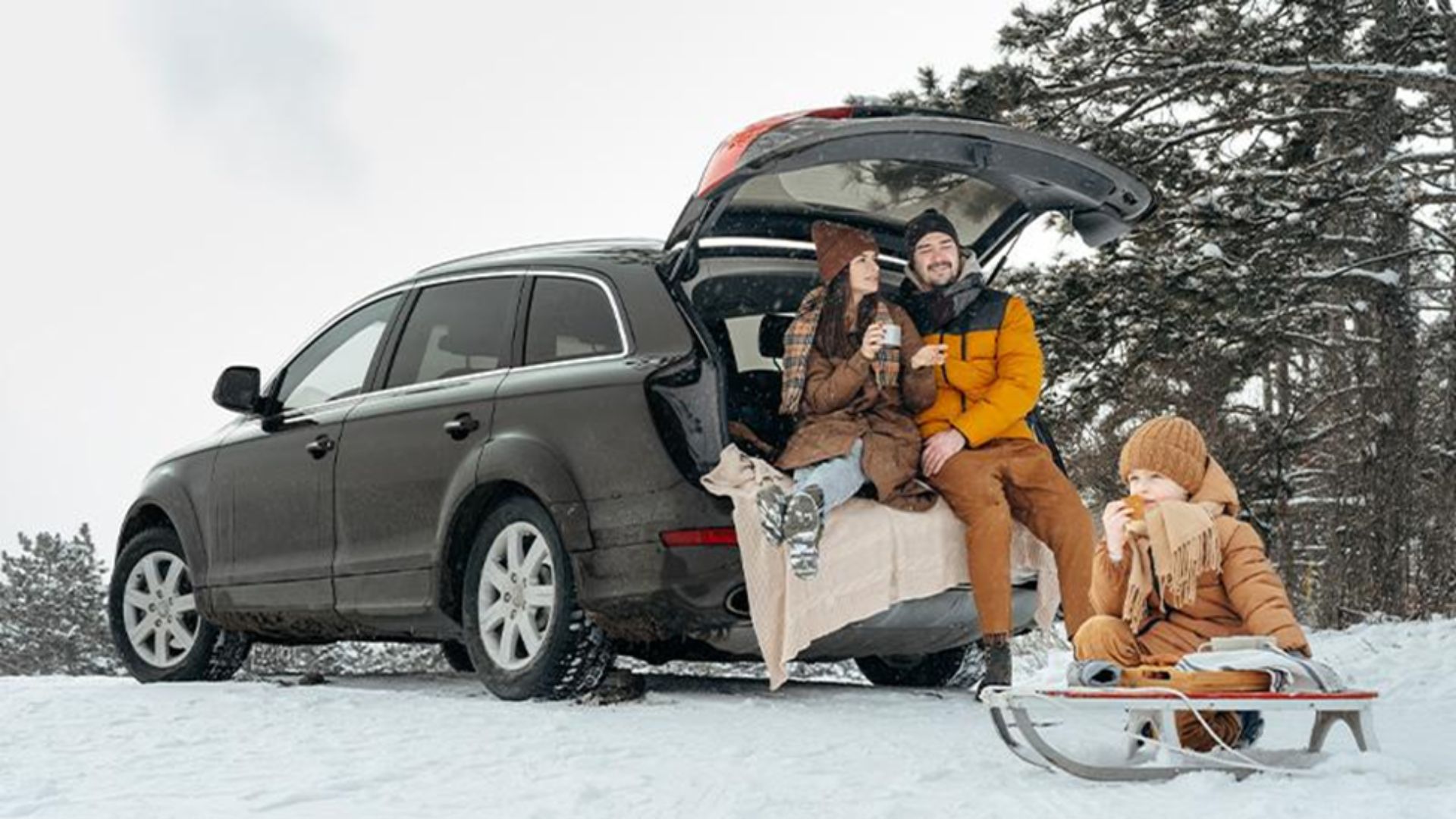
Winter is considered one of the trickiest seasons for driving because road conditions can change quickly, from dry pavement to ice. Imagine loading your kids into the car for school on a cold morning. Your short trip might start smoothly, but the road can turn icy or snow-covered by the time you reach your destination. The familiar route suddenly becomes more challenging to navigate.
But this doesn’t mean you need to barricade yourself and your kids in the house for the whole season. There are ways to ensure your family reaches every destination safely. This includes making sure your vehicle is winter-ready. Getting winter tires is the most practical way to prepare for the cold months ahead.
Why Winter Driving Can Be Dangerous for Families
Despite being an everyday activity for most, it’s a simple fact that driving requires maximum attention. This is especially true when driving in winter, and even more so when there are children passengers. Whether it is a school run, grocery store trip, or a visit to a friend or family member, kids can become a distraction no driver can afford to have when driving on slippery roads. Additionally, families typically travel in larger vehicles, which can be harder to control.
Not only can tires have poor traction on snow and ice, but the cold temperatures can stiffen the rubber and reduce grip even on dry roads. Your vehicle, or the vehicles around you, may take longer to stop on slippery surfaces. Aside from tire behavior, heavy snow, rain, fog, or other unexpected weather changes cause poor visibility and create additional risks
What Makes Winter Tires Different From Regular Tires?
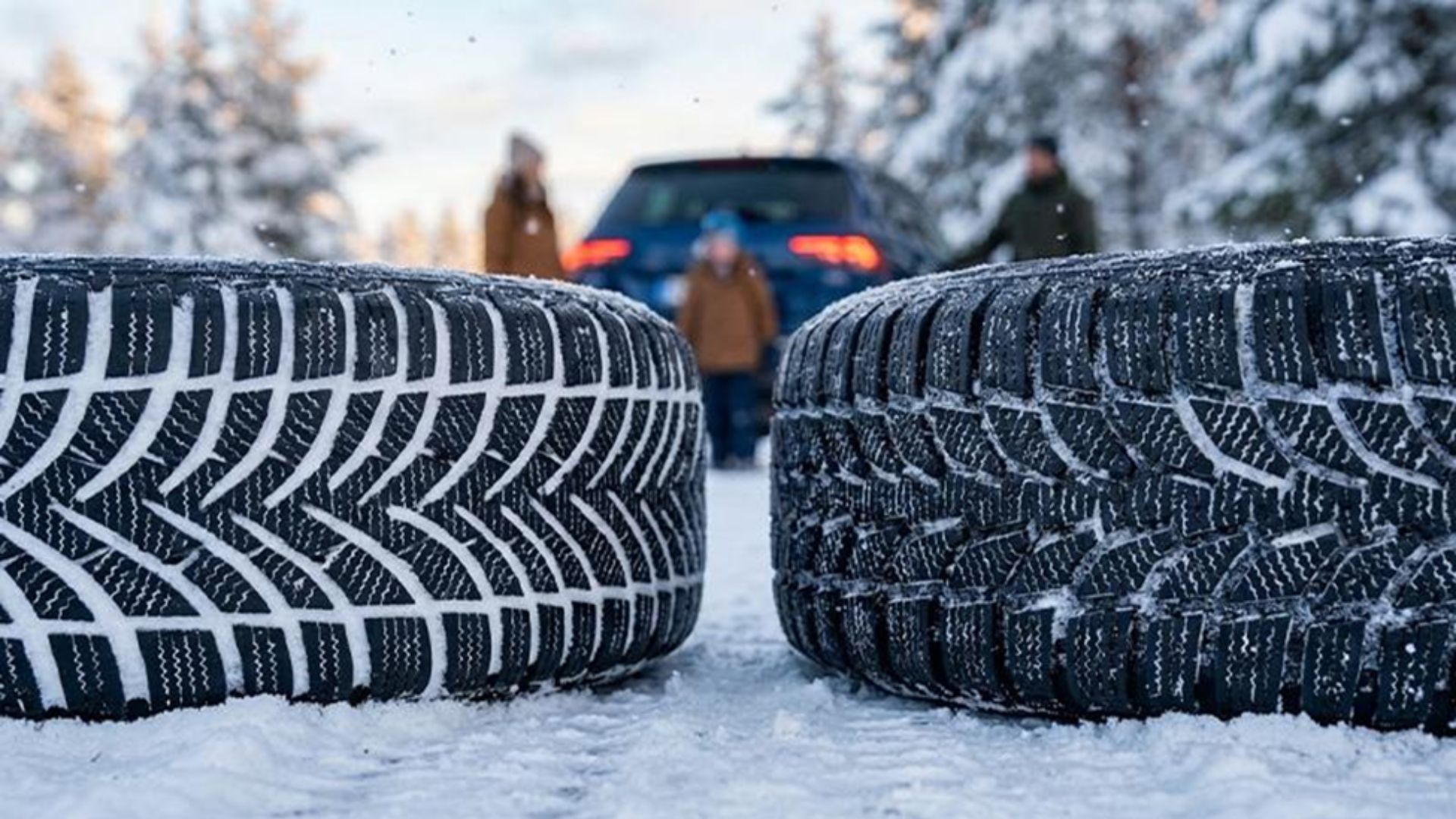
There are several key features that distinguish winter tires from regular tires. Winter tires are specifically designed for cold weather. This means their rubber stays more flexible during low temperatures, and their tread pattern provides better grip on snow and ice. Their cold-weather engineering significantly improves handling, traction, and braking performance.
While all season tires are useful in different weather conditions, like dry and wet weather or even light snow, they don’t offer the same performance in severe winter conditions as winter tires do. This is confirmed by the fact that winter tires carry the Three-Peak Mountain Snowflake (3PMSF) designation, which indicates they meet specific snow-traction requirements.
How Winter Tires Help Protect Your Family
Winter tires protect your family in two vital ways. First, equipping your vehicle with winter tires is necessary to ensure safe performance on snow- and ice-covered roads.
Secondly, and most importantly, they are specifically engineered for severe winter weather. Winter tires offer better grip, meaning they help the vehicle maintain constant road contact. These tires have upgraded braking abilities, which help drivers stop more effectively in winter conditions. Overall, they improve vehicle control when turning or navigating on snow-covered streets.
It’s important to remember that while winter tires offer superior performance during the winter season, they are not a guarantee against accidents. Every driver should still take precautions, pay attention, slow down, and maintain a safe distance from other vehicles.
When Should You Switch to Winter Tires?
Whether you have winter tires stored or you’re planning on purchasing new ones this season, you need to know when to install them. It’s recommended not to wait until roads are already covered in snow, so switch them before the first major snowfall. Winter tires are useful when temperatures regularly drop to 45°F or lower, so consider your local weather and follow the forecast. If you are not sure which tires to purchase and when to replace them, ask a trusted tire professional about the right options for your vehicle.
Other Ways to Keep Your Family Safe on Winter Roads
Vehicle and tire maintenance are important routines to keep, especially in winter. Remember that cold temperatures can lower tire pressure, so make it a habit to inspect your tires on a regular basis. While checking the pressure, examine the tread for uneven wear as well as any punctures, cuts, scuffs, or impact damage. Check that the headlights, brake lights, and windshield wipers work properly. Also make sure all fluids are topped up. Always keep an emergency kit in the vehicle. The kit should include a first aid kit, blankets, bottled water, and a flashlight.
While you should not put your life on pause simply because there is snow outside, avoid going on unnecessary trips during severe weather and snowstorms. Whether you’re going on a longer trip or a short one, always avoid rushing and give yourself extra time to travel. Make sure children’s car seats are installed correctly each time before you load up your kids. And don’t forget one of the most important rules when driving in snow or on icy roads: keep a greater distance between your vehicle and the one ahead.
Common Winter Tire Mistakes to Avoid
Preparing your car for cold weather takes more than buying winter tires – timing and proper setup matter just as much. Arrange the installation well before the first snowstorm hits, and always install them on all four wheels rather than cutting corners with two.
Don’t forget to check tire pressure during cold weather and never continue using worn-out tires. Having an SUV doesn’t mean you don’t need winter tires. On slick winter surfaces, an SUV is subject to the exact physical limits as any other car, and it can slide on ice just as easily. Just as important as installing winter tires is knowing when to take them off. Driving on dedicated winter tires in warm weather can damage them, so once temperatures rise above 45°F, switch back to appropriate warmer-weather tires.
Final Thoughts: Make Winter Driving Safer for Your Family
Just as you prepare your kids for the upcoming winter by buying warm jackets and waterproof shoes, getting your vehicle ready is a crucial step in keeping your family safe on the road. Winter tires aren’t just an upgrade for your vehicle; they are a reliable investment that is an important part of protecting everyone inside.
Winter weather can be harsh and unpredictable, so make sure you are ready for it in time by checking your vehicle. Don’t forget to practice safe driving habits by keeping distance, slowing down on time, and accelerating and braking gently. By following these suggestions, you’ll gain the control and peace of mind needed to take your loved ones to every destination and back home safely.

