


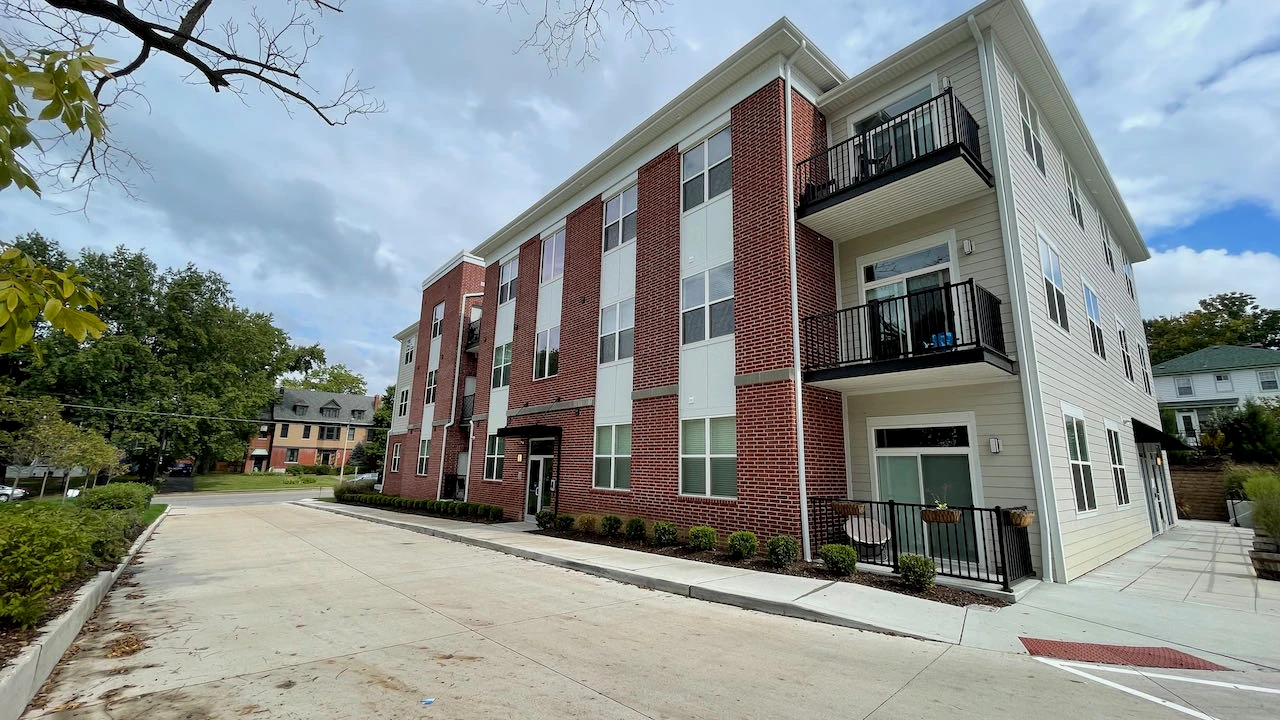
A commercial property can look impressive from the outside while its most important investment considerations remain hidden. Behind finished walls, above ceilings, and throughout mechanical spaces are systems that influence how a building operates and what it may cost to maintain over time. For commercial real estate investors, understanding these physical conditions is an important part of evaluating an asset.
Building condition data provides a structured way to examine the physical state of a property. It can reveal current deficiencies, maintenance concerns, aging components, and potential future capital requirements. When this information is considered alongside financial and operational data, investors can develop a more complete picture of the property they are considering.
This is one area where professional commercial property assessment can add meaningful value. WBTreece Consultants works with commercial property owners, investors, managers, and other real estate professionals to assess buildings and support longer term property planning.
A Property Is More Than Its Purchase Price
The purchase price is one of the most visible numbers in a commercial real estate transaction, but it does not tell the entire story.
A building can require substantial investment after an acquisition. Roofing systems may need replacement, HVAC equipment may be approaching the end of its useful life, parking areas may require repairs, or electrical and plumbing systems may need upgrades. These expenses can develop at different times and vary considerably from one property to another.
This is why investors often look beyond the initial acquisition cost when evaluating a commercial asset. Understanding the condition of major building components can provide useful context for estimating future ownership requirements.
A property assessment does not eliminate uncertainty, but it can help replace assumptions with documented observations and more organized information.
What Building Condition Data Can Reveal
A comprehensive assessment examines more than whether a building appears clean or well maintained.
Depending on the scope of an assessment, professionals may review major components such as roofing, exterior systems, structural elements, HVAC equipment, electrical systems, plumbing, interior finishes, site improvements, and other visible areas of a commercial property.
The resulting information can help identify conditions that deserve attention and distinguish immediate concerns from items that may be suitable for future planning.
Photographs and written observations can also make technical findings easier for property owners and investment teams to understand. Rather than relying on a general statement that a building is in good or poor condition, decision makers can review specific observations and consider their potential implications.
Why Condition Information Matters During Due Diligence
Due diligence brings together many different pieces of information before a real estate investment decision is finalized.
Financial records can provide insight into income and expenses. Lease information can help explain tenant relationships. Market research can provide context about location and demand. Building condition information addresses another important question: what is the physical asset actually like?
This distinction matters because financial performance and physical condition are connected but not identical.
A property may currently generate strong income while containing aging systems that could require significant investment in the future. Conversely, a building with known maintenance needs may present an opportunity for an investor who has properly accounted for the required work.
A professional assessment can therefore become one component of a broader due diligence process rather than being viewed as an isolated inspection.
Identifying Potential Capital Expenses Earlier
Large building expenses rarely become easier simply because they are postponed.
When major components reach the end of their expected service lives, owners may face significant replacement or repair costs. Planning for these expenses in advance can make them easier to incorporate into broader property budgets.
Building condition data can help identify potential capital requirements before they become urgent. This allows owners and managers to consider timing, priorities, and available resources.
For example, knowing that a major building component may require replacement in the coming years gives an ownership team an opportunity to include that possibility in its capital planning. The exact timing and cost will depend on the property’s circumstances, but having the issue documented provides a stronger starting point for planning.
Turning Inspection Findings Into Practical Planning
The usefulness of an assessment does not end when the report is delivered.
The information can become part of a property’s ongoing maintenance and capital planning process. Owners may use findings to establish priorities, discuss projects with contractors, prepare budgets, or determine which issues require additional investigation.
This is particularly useful for organizations managing several commercial properties. Without consistent condition information, it can be difficult to compare the needs of different assets or determine where attention should be focused first.
WBTreece Consultants provides several assessment and planning services that address different aspects of commercial property ownership. These include Property Condition Assessments, Facility Condition Assessments, Capital Needs Assessments, Capital Reserve Studies, and related advisory services.
The appropriate assessment depends on the property, investment objective, and information required by the owner or other stakeholders.
Supporting Long Term Asset Management
Commercial real estate ownership often extends well beyond the acquisition date. An investor may hold a property for years, making the condition of the building an ongoing consideration.
Regular attention to physical assets can help owners move away from purely reactive maintenance. Instead of waiting until a major problem disrupts operations, property teams can use condition information to develop more organized maintenance and replacement strategies.
Long term planning can also help owners think about how individual building projects fit into the broader objectives of an asset. A roof replacement, HVAC upgrade, interior renovation, or site improvement may have implications for budgeting, tenant experience, operations, and future investment plans.
The physical condition of the property is therefore closely connected to the way the asset is managed over time.
Commercial Properties Require Specialized Attention
Commercial buildings are often more complex than residential properties. They can contain larger mechanical systems, specialized equipment, multiple tenant spaces, extensive common areas, and infrastructure designed for particular uses.
A luxury hotel, for example, has different operational considerations from a retail center or multifamily property. A college campus can involve numerous buildings and systems, while a large office or institutional property may have its own set of maintenance requirements.
This variety makes context important when assessing a commercial property.
A professional assessment should consider the property’s type, age, use, visible condition, and available documentation rather than treating every building in exactly the same way.
Helping Investors Ask Better Questions
One of the practical benefits of good building condition information is that it can lead to better questions.
An investor may want to know which components are approaching the end of their useful lives. A property manager may need to understand which maintenance items deserve priority. A lender or other stakeholder may require specific information about the condition of the asset.
Clear documentation can help these conversations become more specific.
Instead of simply asking whether a building needs work, stakeholders can examine what work may be required, why it matters, how urgent it appears, and how it could fit into future planning.
That does not mean an assessment should be treated as a guarantee of future performance. Building systems can change, conditions can develop, and costs can fluctuate. Professional assessments provide useful information, but they remain one part of a much broader investment analysis.
Connecting Building Condition With Investment Strategy
Commercial real estate investment combines physical assets with financial objectives. A building must function properly, remain maintainable, and support the broader purpose for which it is owned.
This makes condition data relevant beyond simple maintenance.
An investor considering a renovation may use building information to understand existing deficiencies before developing a project scope. An owner preparing a long term capital budget may use condition findings to identify future priorities. A portfolio manager may use assessment information to better understand the relative needs of different properties.
WBTreece Consultants approaches commercial property assessment from this broader perspective, providing services that extend across inspection, capital planning, construction monitoring, renovation consulting, and related areas of commercial real estate advisory.
Building Better Decisions With Better Information
No single report can answer every question involved in a commercial real estate investment. Financial analysis, market research, tenant considerations, financing terms, operating performance, and many other factors can influence an investment decision.
However, the physical condition of the building should not be overlooked.
Reliable building condition data gives investors a clearer understanding of the asset itself. It can help identify maintenance concerns, highlight potential capital requirements, support due diligence, and provide a foundation for longer term planning.
For commercial property owners and investors, the value of this information often comes from its ability to make an otherwise complex physical asset easier to understand.
Ultimately, effective commercial real estate planning is not simply about knowing what a property is worth today. It is also about understanding the building that supports that value, recognizing its current needs, and preparing thoughtfully for the costs and improvements that may arise in the future. With detailed property assessments and practical planning, investors can approach commercial assets with a more informed view of both present conditions and long term requirements.

