


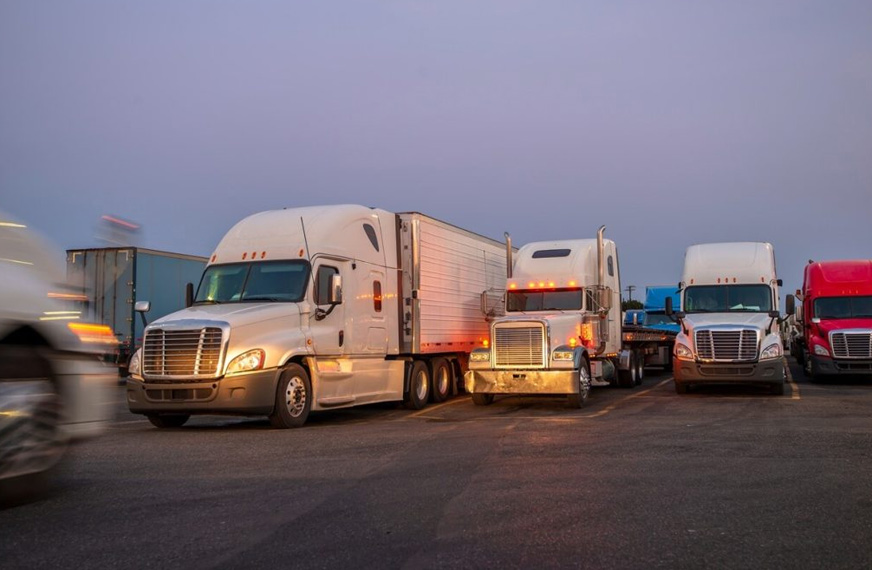
Finding a suitable place to park a large commercial truck is an important part of every long-distance journey. Professional drivers spend extended periods on the road, and they need dependable spaces where their vehicles can be positioned safely during breaks, overnight stops, loading schedules, or unexpected delays. Unlike ordinary passenger vehicles, tractor-trailers require substantial space, adequate turning room, strong surfaces, and convenient access. Choosing an appropriate parking area can help reduce stress, protect valuable equipment, and give drivers the opportunity to rest properly before continuing their journeys. With the increasing movement of freight and commercial vehicles, dependable truck parking has become an important consideration for drivers, fleet managers, and transportation businesses. Understanding what makes a parking facility practical can help operators plan more effectively and avoid common problems associated with limited space, poor access, and overcrowding.
Why Commercial Truck Parking Matters
Commercial truck parking plays an important role in keeping transportation operations organized and efficient. Drivers cannot always stop wherever an open area appears because large vehicles have specific space, safety, and access requirements. A suitable parking facility allows a driver to position the tractor and trailer without creating unnecessary risks for nearby vehicles or property. It also provides an opportunity to take necessary breaks without constantly worrying about moving the vehicle or searching for another space. When drivers plan 18 wheeler parking in advance, they can better manage their available driving time and reduce the pressure associated with finding a space at the last minute. Reliable parking can also help fleet operators maintain more predictable schedules and reduce delays caused by unexpected stops. For drivers who spend several days traveling, having dependable parking options can make the overall experience more manageable and organized.
Space Requirements for Large Trucks
The physical size of a commercial truck is one of the most important factors to consider when selecting a parking facility. A tractor and trailer can occupy considerably more space than a standard passenger vehicle, and the driver needs sufficient room to enter, position, and leave the parking space safely. Tight lanes or closely positioned vehicles can make maneuvering difficult and may require repeated backing movements. Drivers should consider the overall length and width of their equipment as well as the turning radius needed to enter a particular space. Height clearance should also be checked around structures, entrances, signs, and other overhead obstacles. A space that appears large enough may still be unsuitable if the surrounding lanes do not provide adequate room for maneuvering. Properly designed commercial parking areas generally make it easier for drivers to position their vehicles while reducing the possibility of contact with neighboring trucks or property.
Safety Features to Look For
Safety is a major consideration when choosing a parking area for a commercial vehicle, especially when the truck will remain there for several hours. Drivers may be responsible for valuable cargo, expensive equipment, and personal belongings, so they need an environment that provides reasonable protection and visibility. Good lighting can make it easier to inspect the vehicle and surrounding area during nighttime arrivals or departures. Depending on the facility, additional security features may include surveillance cameras, controlled entrances, fencing, security personnel, or clearly marked access points. Drivers should also check for potential hazards such as damaged pavement, debris, standing water, or poorly positioned vehicles before settling into a space. Valuable items should be secured, and the truck and trailer should be properly locked before the driver begins a rest period. Taking these precautions can help create a more secure parking experience and reduce avoidable problems.
The Importance of Convenient Access
Easy access can make a significant difference when a large truck enters or leaves a parking facility. Commercial vehicles often need wider turns and additional room compared with smaller vehicles, so narrow entrances can create unnecessary challenges. Drivers should look for access points that allow them to enter without complicated maneuvers or excessive reversing. The exit route is equally important because a vehicle that can enter easily may become difficult to remove if surrounding traffic or parked trucks block the available space. Facilities with clearly marked lanes and organized traffic patterns can make movement more predictable. Drivers should also consider whether the entrance has restrictions that could affect larger vehicles, such as low clearances or narrow approaches. Convenient access saves time and can reduce the stress associated with maneuvering a heavy vehicle in a crowded environment. Before choosing a facility, drivers should think about both arrival and departure rather than focusing only on the parking space itself.
Planning Parking Before a Trip
Advance planning is one of the most effective ways to reduce parking difficulties during a long journey. Drivers who wait until they are nearly finished with their driving period may find that available spaces are limited, forcing them to spend additional time searching. Planning ahead allows drivers to identify potential parking facilities and consider alternative options if their first choice is unavailable. Traffic congestion, weather conditions, construction, loading delays, and other unexpected events can change the timing of a trip, so flexibility is important. Fleet managers can support drivers by including suitable parking options in route plans and providing updated information when conditions change. Digital navigation tools and trucking applications can also assist with planning, although information about availability may not always be completely current. A well-prepared driver can therefore use technology as one part of a broader strategy that includes backup options and practical judgment.
Parking and Driver Rest
Proper rest is essential for drivers who spend long hours operating commercial vehicles, and suitable parking provides the foundation for an effective rest period. A driver who has completed a demanding shift needs a safe place to stop without continuing to search for a suitable space. Having dependable 18 wheeler parking available can make it easier to organize rest periods and avoid unnecessary pressure at the end of a driving schedule. Some facilities may also provide useful amenities such as restrooms, showers, food services, fuel, or designated areas for drivers to take a break. These features can make a longer stop more convenient and allow drivers to address basic needs before continuing their journey. Rest should be treated as an important part of responsible transportation rather than an inconvenience that needs to be minimized. Planning parking around expected rest periods can help drivers maintain a more organized schedule and prepare properly for the next stage of their trip.
Choosing a Suitable Parking Surface
The condition of the parking surface is another important factor that commercial drivers should consider. Large trucks place significant weight on the ground, particularly when trailers are carrying heavy cargo. A surface that is uneven, damaged, soft, or poorly drained may create difficulties when the vehicle is being positioned or removed. Potholes can make maneuvering uncomfortable and may potentially contribute to vehicle damage, while soft ground can become especially problematic during wet weather. Drivers should pay attention to the condition of the pavement and look for signs of poor drainage or surface deterioration. An area that appears acceptable during dry conditions may become less suitable after heavy rain if water collects around the parking spaces. A stable and well-maintained surface provides better support for heavy vehicles and makes parking more predictable. Regular maintenance of pavement, lanes, drainage systems, and surrounding areas is therefore an important feature of a dependable commercial parking facility.
Security During Overnight Stops
Overnight stops require additional attention because a truck may remain parked for an extended period while the driver sleeps. Before beginning a rest period, drivers should secure the vehicle, check the trailer, lock appropriate access points, and make sure valuable belongings are protected. Lighting can be particularly useful during overnight parking because it improves visibility and makes vehicle inspections easier. Where available, surveillance systems, controlled access, fencing, and other security measures can provide additional protection. Drivers should also follow the facility’s rules and avoid occupying areas that are reserved for other vehicles or services. The surrounding environment should be considered as well because poorly positioned neighboring vehicles may make it difficult to leave in the morning. A few minutes spent checking the truck and parking position before going to sleep can prevent unnecessary problems later. Good overnight habits can contribute to a more organized departure and provide greater peace of mind during the rest period.
Using Technology to Find Parking
Modern technology provides drivers with several useful tools for identifying and planning commercial parking options. Digital maps can help locate potential stopping areas, while specialized trucking applications may provide information about facilities, amenities, restrictions, and access. Fleet management platforms can also help dispatchers communicate parking information and adjust plans when unexpected delays affect a driver’s schedule. Some systems may provide information about available spaces, although drivers should remember that availability can change quickly. Technology should therefore be treated as a planning resource rather than a guarantee that a specific space will remain open. Drivers can improve reliability by identifying more than one potential stopping point before beginning a trip. Fleet operators may also benefit from maintaining internal records of facilities that have worked well for their vehicles and drivers. Combining digital tools with real-world experience can make parking planning more efficient and help reduce last-minute decisions.
Understanding Parking Costs
The cost of parking can be an important consideration for independent drivers and transportation companies, but the cheapest option is not always the only factor worth examining. A free parking area may not provide the same level of security, maintenance, convenience, or amenities as a paid facility. Drivers and fleet managers can consider the total value of a parking option, including the amount of time saved and the quality of the environment available for rest. Searching for free parking for an extended period can also result in additional fuel consumption and schedule disruptions. For fleet operators, repeated delays across multiple journeys can create operational costs that are larger than the initial parking expense. Companies can compare different facilities based on factors such as accessibility, security, space, amenities, and reliability. Considering the full operational picture allows businesses to make parking decisions based on practical requirements rather than price alone.
Common Mistakes to Avoid
Several common mistakes can make commercial truck parking more difficult than it needs to be. Waiting until the last possible moment to search for a space is one of the most frequent problems because it leaves drivers with fewer alternatives. Another mistake is choosing a space without checking whether the complete tractor-trailer combination can enter and exit safely. Drivers may also overlook overhead clearance, surface conditions, or the position of neighboring vehicles. Parking on unstable ground can create additional problems, particularly when weather conditions change. Ignoring posted restrictions can also result in unnecessary penalties or other complications. Before using 18 wheeler parking, drivers should consider the size of their vehicle, the available maneuvering room, the condition of the surface, and the rules that apply to the facility. Careful observation and advance planning can prevent many of these issues and make the parking process more straightforward.
The Role of Fleet Managers
Fleet managers can help drivers deal with parking challenges by making parking part of the overall transportation planning process. Dispatch teams can identify potential stopping points when creating routes and can provide drivers with useful information about facilities along frequently traveled routes. Companies can maintain records of parking areas that offer sufficient space, suitable access, useful amenities, and acceptable security features. Driver feedback can be valuable because conditions may change over time, and a facility that was previously convenient may later become overcrowded or difficult to access. Communication between drivers and dispatch teams is especially important when traffic delays or loading issues change the original schedule. Fleet managers can also encourage drivers to report problems so that internal parking information remains accurate. Treating parking as a shared operational responsibility can make trip planning more consistent and reduce unnecessary pressure on individual drivers.
Preparing for a Better Parking Experience
Drivers can develop simple habits that make commercial parking easier and more predictable. Before starting a trip, they can review the route, estimate when a parking stop may be necessary, and identify several potential options. Understanding the dimensions of the tractor and trailer can help prevent the selection of spaces that are too tight or difficult to access. During the journey, drivers should monitor their progress and avoid postponing parking decisions until they have very limited time remaining. Upon arrival, they should follow signs, observe traffic patterns, and position the vehicle carefully. Before taking a rest break, the truck should be secured and the surrounding area checked for potential hazards. A brief inspection before departure can also help identify any issues that may have developed while the vehicle was parked. Consistent habits like these can make parking a more predictable part of a driver’s daily routine.
What Makes a Parking Facility Reliable
Reliability involves more than simply having an open space at a particular moment. A dependable facility should consistently provide suitable access, adequate space, reasonable maintenance, and conditions that allow commercial drivers to park without unnecessary difficulty. Drivers should consider whether the parking layout works for the dimensions of their equipment and whether the facility is regularly maintained. Security, lighting, cleanliness, and available amenities can also influence the overall experience. Clear rules and organized traffic patterns can make it easier for drivers to understand how the facility operates. For companies that operate repeated routes, consistency can be particularly valuable because drivers can plan future trips with greater confidence. A facility that meets practical needs repeatedly can become a useful part of a company’s transportation planning process. Evaluating reliability over time can therefore be more useful than judging a parking area based on a single visit.
Conclusion
Finding safe and dependable parking for large commercial trucks requires careful planning and attention to several practical details. Drivers need enough space to maneuver, a stable surface, convenient access, appropriate security, and an environment where they can take necessary rest. Fleet operators can support their drivers by incorporating parking into route planning and maintaining current information about useful facilities. Technology can make it easier to identify potential options, but drivers should still consider real-world conditions and maintain backup plans. The use of 18 wheeler parking should be approached as an important part of the overall transportation process rather than as an issue to solve only when a driver needs to stop. By considering vehicle dimensions, parking conditions, security, cost, accessibility, and rest requirements, drivers can make more informed decisions. A thoughtful parking strategy can reduce unnecessary delays, support better trip organization, and contribute to a smoother experience for both drivers and transportation companies.

