


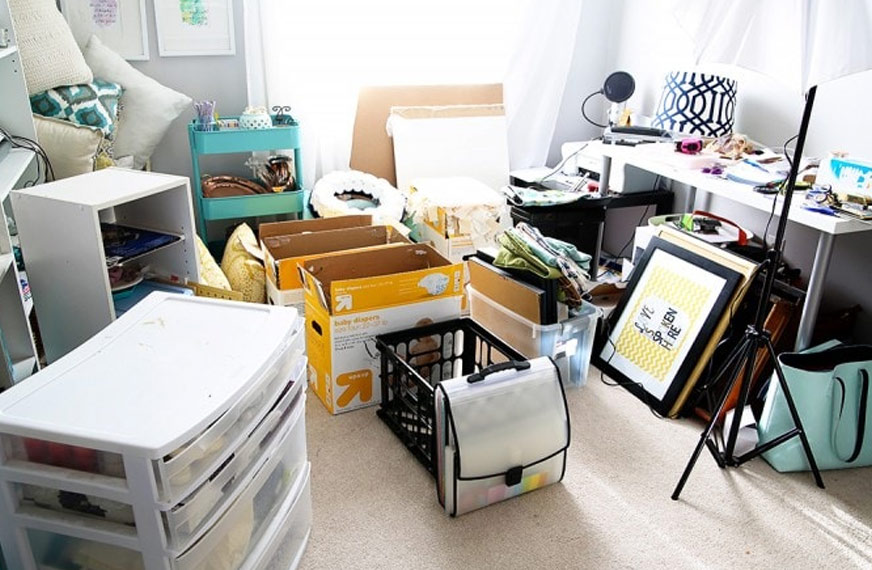
Maintaining an organized property can become challenging when unnecessary belongings continue to accumulate over time. Old furniture, broken appliances, unused household goods, outdated electronics, damaged equipment, packaging materials, and miscellaneous objects can gradually take over valuable areas. When these items remain in garages, storage rooms, basements, offices, attics, or other parts of a property, they can make everyday cleaning and organization more difficult. Junk removal offers a practical way to clear unwanted belongings and restore areas that have become crowded or difficult to use. With careful planning, proper sorting, safe handling, and responsible disposal, property owners can create a cleaner and more functional environment while making future maintenance considerably easier.
Understanding Unnecessary Belongings
Unnecessary belongings can accumulate for many different reasons, including busy lifestyles, limited storage, frequent purchases, renovations, moving, sentimental attachments, or the habit of postponing decisions about unused possessions. Some objects may remain stored for years even though they are no longer useful. Storage rooms and garages are particularly vulnerable because items can be placed there temporarily and then forgotten. A useful first step is to examine each area and determine which belongings are genuinely needed. Separating useful possessions from items that no longer serve a purpose can make the entire organization process more manageable and provide a clear starting point for creating a more efficient property.
Why Decluttering Matters
Excessive clutter can affect both the appearance and functionality of a property. When unwanted objects occupy floors, shelves, corners, closets, and storage areas, there may be less room for useful belongings and everyday activities. Junk removal can help reclaim space by taking away materials that are no longer required. Clearing unnecessary objects can also make it easier to clean floors, inspect walls, access storage areas, and move through rooms without obstacles. A more organized environment can reduce the time spent searching for important items and can make routine maintenance more convenient. Regular decluttering therefore supports a practical approach to property management rather than simply improving appearance.
Planning Before Clearing Items
A successful decluttering project should begin with a clear plan rather than removing objects randomly. Property owners can move through the building one area at a time and create separate categories for belongings that should be kept, donated, recycled, reused, sold, or discarded. This approach makes decision-making easier and reduces the possibility of accidentally removing something valuable or necessary. Large and heavy objects should be identified separately because they may require additional equipment or assistance. It is also useful to consider how items will be moved through doors, hallways, stairways, and other access points. Good preparation can reduce unnecessary effort and make the entire clearing process more organized.
Clearing Old Furniture
Large furniture can consume considerable amounts of space when it is no longer being used. Broken sofas, outdated tables, damaged cabinets, unwanted beds, old chairs, shelving units, and similar objects can remain in storage simply because they are difficult to move. Before removing bulky furniture, pathways should be cleared and the safest route should be determined. Some pieces may need to be carefully disassembled so they can pass through narrow entrances or stairways. Heavy furniture should not be moved without appropriate assistance because improper lifting can result in personal injuries or property damage. Once unnecessary furniture has been cleared, the newly available area can be cleaned and reorganized for more useful purposes.
Managing Old Appliances
Household appliances can also take up significant space after they become outdated or are replaced. Refrigerators, washing machines, dryers, ovens, microwaves, televisions, printers, and other equipment may remain stored even when there is no realistic intention of using them again. Some appliances contain components that require specialized recycling or disposal procedures, so they should not always be treated like ordinary household waste. Junk removal can make it easier to collect bulky appliances and organize them for suitable handling. Electrical equipment should be disconnected safely before transportation, and relevant disposal instructions should be reviewed when necessary. Proper handling helps prevent large unwanted appliances from remaining in storage indefinitely.
Organizing Garages and Storage Areas
Garages, sheds, attics, basements, and storage rooms often become collection points for belongings that are rarely used. Old tools, boxes, seasonal decorations, damaged equipment, unused furniture, and miscellaneous materials can accumulate for years when these areas are not reviewed regularly. Because people may not spend much time in storage areas, clutter can remain unnoticed until there is little usable space left. A systematic approach begins by removing stored items and evaluating them individually. After unnecessary belongings have been separated, the remaining items can be grouped according to purpose, frequency of use, and storage requirements. This creates a more practical storage system and makes it easier to locate important possessions.
Handling Electronics Responsibly
Old electronics require thoughtful handling because many devices contain valuable recyclable materials as well as components that should be processed appropriately. Computers, monitors, printers, televisions, cables, keyboards, and other electronic equipment can accumulate quickly when they are replaced with newer models. Devices that contain personal information should be checked carefully before they are discarded or transferred to another party. Data should be removed using suitable methods, particularly when equipment has been used for business or personal records. Junk removal can assist with collecting outdated electronic equipment as part of a larger clearing project. Separating electronics from general waste supports more responsible material management and can reduce unnecessary environmental impact.
Making Better Use of Available Space
Removing unnecessary objects can reveal how much useful space has been hidden by clutter. Once floors, shelves, cabinets, and storage areas have been cleared, the remaining belongings can be arranged more efficiently. Frequently used items can be placed in easily accessible locations, while seasonal or rarely used possessions can be stored in less accessible areas. Shelving, labeled containers, cabinets, and designated storage zones can further improve organization. The goal is not simply to remove as many possessions as possible but to create a purposeful arrangement that makes everyday activities easier. Better use of available space can make a property feel more open while also reducing the time required for cleaning and maintenance.
Preparing for a Move
Moving provides an excellent opportunity to evaluate belongings before they are packed and transported. Carrying unnecessary furniture, outdated equipment, broken items, and unused household goods can increase packing time, transportation requirements, lifting effort, and storage costs. Junk removal can help reduce the number of possessions that need to be transported to a new property. Before packing begins, each room can be reviewed carefully so unnecessary items are identified and separated. This can make the packing process more efficient and reduce the amount of work required after arrival. Moving fewer unnecessary possessions can also make unpacking and organizing the new space easier.
Cleaning After Decluttering
Removing unwanted belongings often reveals dirt and debris that have accumulated underneath or behind stored objects. Floors may contain dust, hair, stains, or small pieces of debris, while shelves and walls may have marks or residue. Once clutter has been removed, these surfaces become easier to access and clean properly. Vacuuming, sweeping, mopping, dusting, and wiping can restore the newly cleared areas and create a fresh starting point for future organization. Cleaning after decluttering also allows property owners to inspect previously hidden surfaces for damage, moisture, or maintenance concerns. Combining organization with cleaning can produce a more complete improvement than simply moving unwanted items elsewhere.
Supporting Reuse and Recycling
Unwanted does not always mean unusable. Furniture, household goods, tools, clothing, electronics, and other belongings may still have value to another person or may contain materials suitable for recycling. Before discarding an item, property owners can consider whether it can be donated, repaired, reused, sold, or recycled. This approach can reduce unnecessary waste while giving useful materials another purpose. Junk removal can support organized collection when a property contains many different types of unwanted items. Separating materials according to their potential disposal or reuse options can also make the overall clearing process more responsible and efficient.
Handling Heavy Items Safely
Heavy and oversized objects require additional planning because they can be difficult to move safely. Large appliances, furniture, equipment, storage containers, and other bulky materials may require more than one person or specialized moving equipment. Before an item is moved, the pathway should be inspected for obstacles, slippery surfaces, narrow doorways, and other potential hazards. Protective measures can also help prevent damage to floors, walls, doors, and furniture. If an object is too heavy or awkward to move safely, professional assistance may be appropriate. Taking additional time to plan the movement is generally preferable to rushing and risking injury or property damage.
Improving Workspace Organization
Offices, workshops, studios, and other work areas can become cluttered with outdated equipment, old paperwork, broken furniture, packaging, unused supplies, and miscellaneous objects. When unnecessary materials occupy desks, floors, shelves, and storage cabinets, they can interfere with normal activities and make cleaning more difficult. Regular reviews can identify items that are no longer needed and prevent them from accumulating indefinitely. Confidential documents and devices containing sensitive information should be handled according to appropriate privacy and disposal practices. A well-organized workspace makes essential equipment easier to locate and provides more room for productive activities. It can also make routine cleaning and maintenance more efficient.
Clearing Renovation Debris
Renovation and repair projects often generate significant quantities of unwanted materials. Old fixtures, damaged flooring, broken cabinets, packaging, construction scraps, and removed components can remain after the main work has been completed. These materials can make a finished project appear incomplete and may prevent the area from being used normally. Junk removal can help clear project-related debris and restore access to renovated areas. Materials should be separated when appropriate because different types of waste may require different handling methods. Once debris has been cleared, floors and surfaces can be cleaned, remaining fixtures can be inspected, and the improved space can be organized for regular use.
Seasonal Decluttering
Seasonal changes provide useful opportunities to review possessions that are stored for only part of the year. Holiday decorations, seasonal clothing, sports equipment, outdoor items, and other temporary belongings can gradually accumulate when they are repeatedly stored without evaluation. Instead of moving the same unused items from one storage area to another, property owners can determine whether they still have practical value. Items that have not been used for a long period may be candidates for donation, recycling, or disposal. Seasonal reviews prevent storage areas from becoming increasingly crowded and create an ongoing habit of evaluating possessions. This can make long-term organization much easier to maintain.
Supporting Property Maintenance
Unnecessary belongings can sometimes hide areas that require maintenance or repair. Boxes, furniture, equipment, and stored materials may block access to floors, walls, vents, utility spaces, and other important areas. Once these objects are removed, property owners can inspect previously hidden areas more effectively. Junk removal can therefore contribute to broader property maintenance by improving access to spaces that were previously obstructed. Cleaning, painting, repairs, inspections, and other maintenance activities become easier when unnecessary materials are no longer in the way. Maintaining accessible areas also reduces the need to move large quantities of clutter whenever routine property checks are performed.
Choosing Professional Support
Some decluttering projects involve more material than property owners can comfortably manage themselves. Professional assistance can be useful when a property contains large quantities of unwanted items, heavy furniture, bulky appliances, or years of accumulated belongings. Before arranging a service, it is helpful to determine what types of materials need to be removed and whether any items require specialized handling. Providing information about the approximate quantity, size, and type of belongings can help ensure that the appropriate resources are available. Professional support can reduce the physical workload and make large projects easier to complete within a reasonable timeframe.
Preventing Future Clutter
Removing unwanted items is only the first step toward maintaining a consistently organized property. New purchases should be considered carefully, and broken or unused belongings should be evaluated rather than automatically placed into storage. Storage areas can be reviewed periodically to identify items that have lost their usefulness. Junk removal can become part of an occasional maintenance routine when unwanted materials begin occupying too much space again. Simple habits such as returning belongings to designated locations, limiting unnecessary purchases, and reviewing storage areas regularly can make a significant difference. Preventing clutter from returning reduces the likelihood of needing another major cleanup project in the future.
Final Thoughts
Removing unnecessary belongings can improve the organization, functionality, and overall appearance of a property. Junk removal provides a practical solution for handling unwanted furniture, appliances, electronics, storage clutter, renovation debris, and other materials that no longer serve a useful purpose. A successful process starts with careful planning and sorting, continues with safe handling and responsible disposal, and finishes with cleaning and reorganizing the newly available space. Reusing, donating, and recycling suitable items can further reduce unnecessary waste and provide value beyond simple disposal. By reviewing possessions regularly and maintaining sensible storage habits, property owners can create cleaner, more functional, and more comfortable environments that remain easier to manage over time.

