


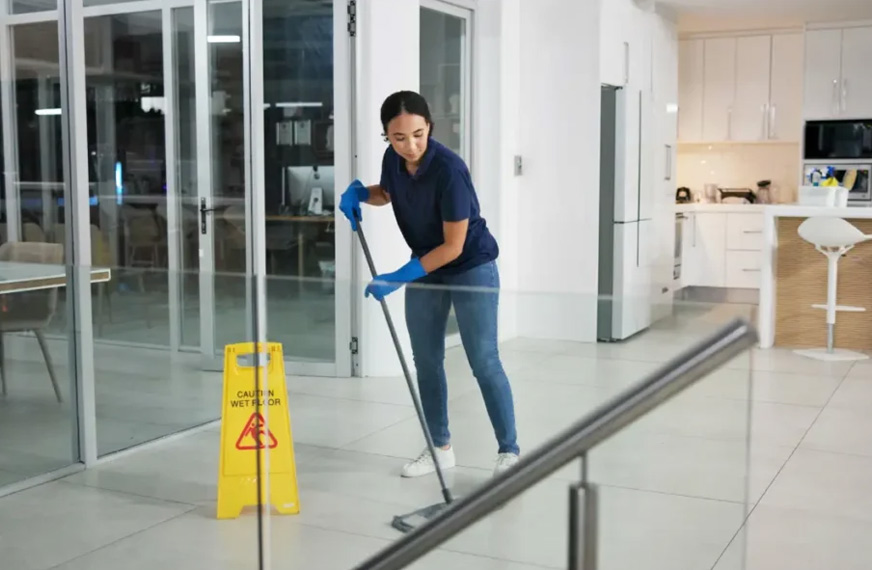
Maintaining a clean and organized environment is an important part of everyday life. Whether a space is used as a home, office, commercial property, or working facility, regular cleaning helps keep surfaces, floors, fixtures, and frequently used areas in good condition. Dust, dirt, stains, spills, and everyday debris can quickly accumulate when cleaning tasks are delayed. Cleaning services provide structured assistance for handling these responsibilities through routine cleaning, detailed maintenance, deep cleaning, and specialized care. A consistent cleaning routine can improve the appearance of a property, reduce the workload for occupants, and create a more comfortable environment. With suitable planning and professional support, regular cleaning can become a manageable part of long-term property maintenance.
Understanding Professional Cleaning
Professional cleaning involves more than simply removing visible dirt from easily accessible surfaces. A thorough cleaning approach considers floors, furniture, windows, kitchens, bathrooms, fixtures, high-touch surfaces, and areas that are often overlooked during quick cleaning sessions. Different materials require different cleaning methods, products, and equipment, making it important to use suitable techniques for each surface. Professional cleaners can organize their work according to the size, condition, and requirements of a property. A systematic process also helps ensure that important areas receive consistent attention. Regular cleaning can prevent dirt and buildup from becoming increasingly difficult to remove while helping maintain the overall appearance and usability of the space.
Importance of Regular Maintenance
Cleaning services can help establish a consistent maintenance routine rather than allowing dirt and clutter to accumulate between occasional cleaning sessions. Regular cleaning addresses common problems such as dust, debris, spills, stains, surface residue, and general buildup before they become more difficult to manage. Frequently used areas usually require greater attention because they experience higher levels of traffic and activity. Kitchens, bathrooms, entrances, hallways, and shared spaces may need more frequent cleaning than areas that receive limited use. A planned maintenance schedule can also reduce the amount of time required for intensive cleaning later. Consistent attention keeps cleaning responsibilities manageable and supports a more orderly environment.
Maintaining Floors and Carpets
Floors are among the most frequently used surfaces in any property and can quickly collect dirt, dust, hair, food particles, and other debris. Different flooring materials require different cleaning methods, so the appropriate approach should be selected according to the surface. Carpets generally benefit from regular vacuuming and periodic deeper cleaning to address embedded dirt. Hard floors may require sweeping, vacuuming, and mopping depending on their material and condition. High-traffic areas and entrances often require additional attention because they collect dirt more quickly. Consistent floor maintenance can improve the appearance of a property while helping protect flooring from unnecessary buildup and premature wear.
Keeping Kitchens Clean
Kitchens require frequent cleaning because food preparation and daily activity can produce grease, crumbs, spills, stains, and residue. Countertops, sinks, stovetops, cabinet surfaces, appliances, and floors all require regular attention to remain clean and presentable. Spills should ideally be addressed promptly because dried food and grease can become more difficult to remove. Appliances may also need periodic detailed cleaning, particularly around handles, doors, trays, and areas where residue accumulates. Cleaning products should be selected according to the materials being treated. A consistent kitchen-cleaning routine can make food preparation more comfortable while helping maintain an organized and functional environment.
Maintaining Bathrooms
Bathrooms require careful and regular cleaning because they are exposed to moisture, soap residue, mineral deposits, and frequent use. Sinks, toilets, showers, bathtubs, mirrors, faucets, floors, and other fixtures can develop visible buildup when they are not maintained consistently. A thorough cleaning routine should address both highly visible surfaces and less noticeable areas around fixtures and corners. Moisture-prone areas deserve particular attention because persistent dampness can create additional maintenance concerns. Suitable cleaning products should be used according to the materials involved to avoid unnecessary damage. Regular bathroom maintenance helps keep these important spaces fresh, comfortable, and presentable.
Dusting and Surface Care
Dust can settle on furniture, shelves, cabinets, decorative objects, electronics, window frames, and other surfaces throughout a property. Highly visible areas may receive regular attention, while less noticeable surfaces can easily be missed during quick cleaning sessions. A systematic dusting process helps ensure that both prominent and overlooked areas are addressed. Different materials may require different cleaning techniques, particularly when working with wood, glass, stone, metal, or delicate finishes. Appropriate clothes and cleaning products can remove dust while helping protect surfaces. Regular dusting contributes to a cleaner appearance and can reduce the accumulation of debris throughout the environment.
Cleaning Frequently Touched Surfaces
Certain surfaces receive repeated contact throughout the day and should be included in regular cleaning routines. Door handles, light switches, cabinet handles, faucets, railings, appliance controls, and other frequently touched areas can accumulate dirt through everyday use. These smaller surfaces are sometimes overlooked because they may not appear visibly dirty. Including them in a broader cleaning routine creates a more comprehensive approach to property maintenance. Cleaning methods should be selected according to the surface material and any applicable care instructions. Paying attention to frequently touched areas can improve the overall thoroughness of cleaning and help maintain a consistently cared-for environment.
Benefits of Deep Cleaning
Routine cleaning focuses on everyday maintenance, while deep cleaning provides additional attention to areas that may not be addressed during ordinary cleaning sessions. Deep-cleaning tasks can include cleaning behind furniture, reaching high surfaces, washing detailed fixtures, cleaning appliance interiors, removing accumulated residue, and addressing difficult-to-reach corners. These tasks generally require more time and effort because they involve detailed work. Periodic deep cleaning can complement routine maintenance and refresh areas that gradually accumulate dirt. It may be particularly useful after major gatherings, before important occasions, following renovation work, or after a property has gone without detailed cleaning for an extended period.
Saving Time and Reducing Workload
One of the main advantages of professional assistance is the amount of time it can save. Cleaning an entire property can require several hours, particularly when kitchens, bathrooms, floors, furniture, windows, and detailed surfaces all require attention. Cleaning services allow property owners, residents, employees, or managers to focus on other responsibilities while trained professionals handle designated cleaning tasks. The amount of time saved depends on property size and the scope of work required. For people with demanding schedules, professional assistance can make regular maintenance easier to manage. It can also reduce the pressure of trying to complete extensive cleaning tasks during limited free time.
Selecting the Right Cleaning Schedule
The appropriate cleaning schedule depends on several factors, including property size, occupancy, usage, traffic, activity levels, pets, and individual preferences. Some spaces may benefit from frequent routine cleaning, while others may require less frequent assistance. Kitchens, bathrooms, entrances, and shared areas generally need more attention than rooms that receive limited use. A flexible schedule can be adjusted according to the actual needs of the property. Owners and occupants can consider which tasks consume the most time and which areas tend to become dirty most quickly. Choosing a practical schedule makes regular maintenance easier without creating unnecessary cleaning responsibilities.
Choosing Suitable Cleaning Products
Different surfaces can react differently to cleaning products, making product selection an important part of effective maintenance. Glass, wood, natural stone, stainless steel, painted surfaces, tile, fabric, and various flooring materials may require specific cleaning solutions or techniques. Using an unsuitable product can sometimes result in discoloration, residue, dullness, or surface damage. Cleaning products should be used according to their instructions and appropriate tools should be selected for each task. Professional cleaners need to understand how products interact with different materials and how to apply them correctly. Using suitable supplies can improve cleaning results while helping protect furniture, fixtures, flooring, and other property features.
Maintaining Indoor Comfort
A clean environment can contribute to overall comfort by reducing visible dust, dirt, debris, and unpleasant buildup. Floors, furniture, kitchens, bathrooms, and frequently used surfaces all influence how a property feels to its occupants. Regular cleaning helps keep these areas maintained and prevents minor issues from becoming more noticeable. Cleaning is only one part of maintaining a comfortable indoor environment, alongside adequate ventilation, moisture management, organization, and responsible waste disposal. When these practices are combined, occupants can enjoy a more pleasant and orderly space. Consistent maintenance can also make it easier to identify issues such as leaks, damaged surfaces, or deteriorating fixtures.
Protecting Furniture and Fixtures
Regular cleaning can help preserve the appearance and condition of furniture, fixtures, and other important property features. Dust, grease, spills, and residue may gradually affect surfaces when they remain untreated for long periods. Prompt cleaning can prevent some stains and buildup from becoming increasingly difficult to remove. Different furniture materials require appropriate care, particularly wood, leather, fabric, glass, and delicate finishes. Cleaning methods should be selected according to manufacturer recommendations where available. Proper maintenance can help preserve the appearance and usability of furnishings while reducing avoidable deterioration caused by accumulated dirt or unsuitable cleaning practices.
Cleaning After Events
Gatherings, celebrations, meetings, and other events can create additional cleaning requirements. Floors may experience increased traffic, kitchens may contain food residue, bathrooms may require extra attention, and waste may accumulate more quickly than usual. Cleaning services can assist with restoring a property after such events by addressing spills, debris, surface dirt, and other areas that require attention. Post-event cleaning may involve vacuuming, mopping, surface cleaning, bathroom maintenance, kitchen cleanup, and waste removal. Completing these tasks systematically can return a property to its normal condition more efficiently and reduce the amount of work required from property owners or event organizers.
Post-Renovation Cleaning
Renovation and repair projects can produce considerable amounts of dust, debris, packaging, and residue. Fine particles may settle on floors, furniture, fixtures, windows, shelves, and other surfaces even when work areas are partially separated from occupied spaces. Post-renovation cleaning requires detailed attention because ordinary dusting may not remove all traces of construction activity. Floors and surfaces may need repeated cleaning, while windows, fixtures, and other areas may require additional care. A structured post-project cleaning process can help transform a recently renovated area into a clean and usable space. Thorough cleaning also allows owners to identify remaining debris or areas that require additional maintenance.
Supporting Better Organization
Cleanliness and organization are closely connected because clutter can make it harder to access surfaces, floors, and other areas that require cleaning. When belongings are stored properly, cleaning can generally be completed more efficiently. Property owners, residents, and employees can support professional cleaning by keeping personal items organized and returning frequently used objects to designated places. Decluttering can also make it easier to identify surfaces that need cleaning or maintenance. A combination of good organization and regular cleaning can make a space feel more open, functional, and comfortable. Maintaining order between cleaning sessions can also reduce the amount of preparation required before the next scheduled visit.
Maintaining Cleanliness Between Visits
Professional cleaning can provide structured assistance, but simple daily habits can help maintain results between scheduled sessions. Promptly wiping spills, disposing of waste, putting belongings away, and addressing visible dirt can prevent unnecessary buildup. Frequently used areas may also benefit from quick daily attention. Cleaning services can then focus on broader maintenance tasks, detailed cleaning, and areas that require more time or specialized attention. Dividing responsibilities in this way creates a practical system where everyday habits support professional work. Consistency is generally easier to achieve when cleaning responsibilities are organized according to available time, property requirements, and individual preferences.
Long-Term Benefits of Consistent Cleaning
Consistent cleaning can make property maintenance more manageable because dirt and buildup have fewer opportunities to accumulate. Regular attention can also make it easier to notice areas requiring repair, replacement, or additional care. Persistent moisture, leaks, damaged surfaces, deteriorating fixtures, and other issues may become easier to identify when rooms are maintained regularly. Keeping furniture, flooring, appliances, and fixtures clean can also support their appearance and usability. Cleaning should therefore be viewed as part of broader property care rather than simply an occasional cosmetic task. A consistent maintenance strategy can help create a more functional, organized, and welcoming environment over the long term.
Final Thoughts
Maintaining a clean and comfortable environment requires consistency, suitable cleaning methods, and an appropriate maintenance schedule. Cleaning services provide valuable support for maintaining floors, kitchens, bathrooms, furniture, windows, high-touch surfaces, and other areas that require regular care. Professional assistance can save time, reduce the workload associated with detailed cleaning, and help prevent dirt and buildup from becoming difficult to manage. Combining scheduled professional cleaning with simple daily maintenance habits can produce more consistent results. By selecting a suitable cleaning schedule, using appropriate products, protecting surfaces, and paying attention to frequently overlooked areas, property owners and occupants can maintain a cleaner, more organized, comfortable, and inviting environment for everyday use.

