


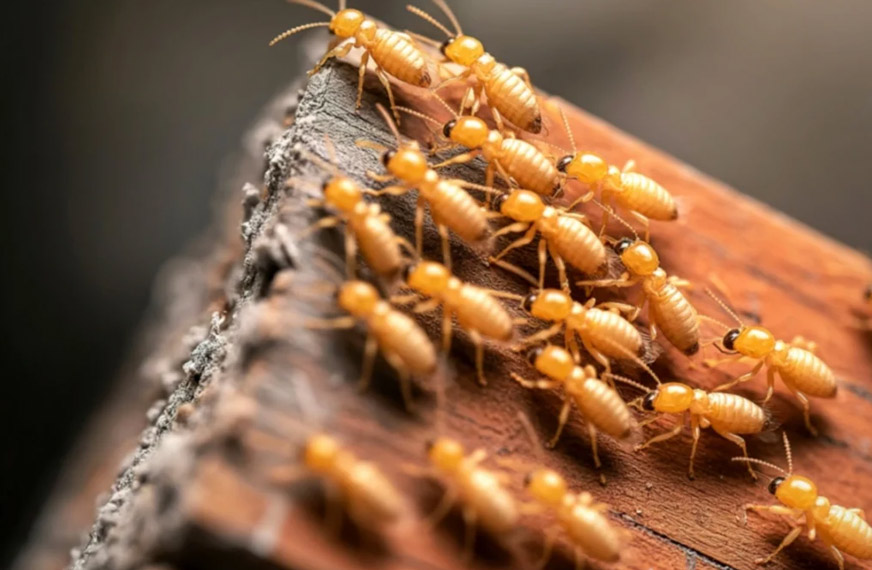
Termites are among the pests that can remain hidden for long periods while gradually affecting wooden structures and other cellulose-based materials. Because they often operate inside walls, beneath floors, within wooden components, or underground, property owners may not notice an infestation until signs become more obvious. Early detection can make it easier to understand the extent of activity and determine what action may be appropriate. Regular inspections, moisture management, structural maintenance, and awareness of warning signs can all contribute to better protection. A comprehensive termite control approach should focus not only on eliminating active colonies but also on identifying conditions that may encourage termites to return.
Why Early Detection Matters
Early detection is important because termite colonies can continue growing while remaining largely out of sight. Workers may move through concealed pathways and feed inside wooden components without creating obvious surface damage. Over time, this activity can weaken materials and create repair requirements that may become more complicated if left unaddressed. Property owners who understand common warning signs are better positioned to request professional evaluation when something appears unusual. Regular observation does not guarantee that termites will be discovered immediately, but it can support a proactive termite control strategy and reduce the likelihood of ignoring early evidence.
Understanding Termite Behavior
Termites are social insects that live in colonies with different groups performing different functions. Workers generally search for food and maintain the colony, while soldiers protect it and reproductive termites contribute to colony development. Different termite species have different habits, nesting locations, and behaviors, which means signs can vary from one infestation to another. Some species depend heavily on soil and moisture, while others may remain within wood. Understanding these differences helps explain why a single treatment method may not be suitable for every situation. Proper identification is therefore an important part of developing an effective termite control plan.
Recognizing Mud Tubes
Mud tubes are one of the more recognizable signs associated with certain subterranean termite species. These narrow structures may appear along foundations, walls, crawl spaces, wooden components, or other surfaces that provide access between the colony and a food source. Their presence does not necessarily reveal the full extent of an infestation, so simply removing a visible tube may not address the underlying colony. Property owners who discover mud tubes should avoid assuming that the problem has been solved after removing them. A professional inspection can determine whether active termites are present and whether additional termite control measures are appropriate.
Looking for Discarded Wings
Winged reproductive termites may leave established colonies during periods when conditions are favorable for swarming. After finding a suitable location, these insects may shed their wings, leaving small piles near windows, doors, light sources, vents, or other areas. Discarded wings can be an important clue because they may indicate that a mature colony is nearby or that reproductive termites have entered the structure. However, other insects can also shed wings, so identification is important. If unexplained wings are discovered repeatedly, property owners may benefit from professional evaluation and appropriate termite control guidance.
Inspecting Wooden Structures
Wooden components should be inspected regularly, especially in areas that are difficult to see. Structural framing, floor supports, trim, cabinets, decks, porches, fences, sheds, and other wood elements can potentially be affected by termites. Damaged wood may show hollow sections, blistering, galleries, weakened surfaces, or other unusual characteristics. Not every change in wood indicates termite activity because moisture, decay, and other insects can cause similar damage. Professional inspection can help distinguish between these possibilities. When termite activity is confirmed, termite control measures can be selected based on the location and severity of the infestation.
Paying Attention to Moisture
Moisture is an important factor in termite prevention because certain termite species are attracted to damp environments or depend on moisture for survival. Leaking pipes, damaged gutters, poor drainage, condensation, and persistent dampness near foundations can create conditions that make a property more vulnerable. Property owners should repair leaks promptly and make sure water is directed away from structural components. Crawl spaces and enclosed areas should also be monitored for excessive moisture. Reducing unnecessary moisture can complement termite control efforts while also helping prevent wood decay and other moisture-related structural issues.
Keeping Wood Away From Soil
Wood that directly contacts soil can create an accessible pathway for termites, particularly species that travel through underground colonies. Firewood, wooden landscaping materials, discarded boards, and other cellulose-based items should be stored appropriately and away from structural foundations whenever possible. Wooden components that are part of the property should be inspected carefully where they meet or approach soil. Property owners should also avoid allowing piles of organic debris to accumulate against walls or foundations. Reducing these opportunities is a practical part of termite control and can make inspection areas easier to monitor.
Maintaining Gutters and Drainage
Proper drainage can play an important role in maintaining conditions around a property. Blocked gutters may allow water to overflow against walls or foundations, while poorly directed downspouts can create persistent moisture near structural components. Gutters should be kept clear, and downspouts should direct water away from areas where it could accumulate. Standing water and damp soil near foundations should also be addressed where possible. These maintenance tasks do not eliminate termite risk entirely, but they can reduce favorable environmental conditions. As part of a broader termite control strategy, good drainage supports both pest prevention and general property maintenance.
Keeping Foundations Accessible
Foundation areas should remain visible enough for routine inspection. Excessive vegetation, stored materials, mulch, debris, and other obstructions can hide signs of termite activity. Landscaping should be maintained so that important structural areas remain accessible. Property owners should periodically inspect visible foundation surfaces for mud tubes, cracks, moisture problems, or other unusual conditions. Keeping these areas clear can make early detection easier. When combined with professional inspections, accessible foundations can support a more effective termite control program by allowing potential warning signs to be identified before they become difficult to investigate.
Understanding Professional Inspections
Professional inspections can identify signs that may not be obvious to an untrained observer. Inspectors may examine foundations, crawl spaces, wooden structures, moisture-prone areas, and potential entry points. They may also look for evidence of previous activity or conditions that could increase future risk. If termites are found, the professional can explain the likely extent of activity and discuss appropriate treatment options. An inspection does not automatically mean that extensive treatment will be necessary. Instead, it provides information that can help property owners make informed decisions about termite control and ongoing maintenance.
Choosing Appropriate Treatment Methods
Termite treatment methods depend on factors such as species, colony location, construction type, extent of activity, and environmental conditions. Professionals may use bait systems, liquid soil treatments, localized applications, wood treatments, or other approaches suitable for the specific situation. No single method is automatically appropriate for every property. Property owners should ask questions about the proposed treatment, including how it works, what preparation is required, how long the process may take, and whether follow-up inspections are recommended. Understanding the treatment plan can help homeowners make informed choices about termite control and future monitoring.
Avoiding Common DIY Mistakes
Property owners may sometimes attempt to manage termite problems with household sprays or products designed for general insects. These approaches may not address hidden colonies or the pathways termites use to access a structure. Applying pesticides incorrectly can also create unnecessary risks for people, pets, and the environment. Removing visible termites or mud tubes without addressing the source may provide only temporary results. If structural termite activity is suspected, professional evaluation is generally more appropriate than relying entirely on trial and error. A properly planned termite control program should be based on identification, inspection, and suitable treatment rather than simply treating visible insects.
Protecting Wooden Structures
Wooden structures require regular attention because termites can feed on cellulose found in many wood products. Decks, fences, framing, flooring, cabinets, trim, sheds, and other components should be kept in good condition and inspected when appropriate. Damaged or decaying wood can provide additional opportunities for insects and may make structural problems harder to distinguish. Property owners should repair moisture damage and replace severely deteriorated materials when necessary. Maintaining wooden structures is an important part of termite control because healthy, well-maintained materials are easier to inspect and protect.
Monitoring After Treatment
Treatment should not always be viewed as the final step. Depending on the situation, follow-up inspections or monitoring may be recommended to confirm that termite activity has been reduced. Property owners should continue watching for new mud tubes, discarded wings, damaged wood, or other unusual signs. If new evidence appears, it should be reported to the professional responsible for the inspection or treatment. Ongoing monitoring can help identify changes before they become more serious. A long-term termite control program should therefore include both immediate treatment when needed and continued attention to future activity.
Preventing Future Infestations
Prevention involves maintaining conditions that make a property less attractive or accessible to termites. This includes controlling moisture, keeping wood away from soil, maintaining drainage, removing unnecessary organic debris, and keeping foundation areas visible. Regular inspection of vulnerable wooden components can also help identify changes early. Depending on the property’s construction and risk factors, professionals may recommend monitoring systems or periodic inspections. Prevention cannot guarantee that termites will never appear, but it can reduce vulnerabilities. A consistent termite control routine combines these maintenance practices with professional guidance when evidence of activity is discovered.
Managing Landscaping Carefully
Landscaping can affect termite inspection and prevention when plants, mulch, wood, or other materials are placed close to structural components. Dense vegetation may make it difficult to see foundations, while excessive organic material can retain moisture. Property owners should maintain landscaping in a way that keeps important structural areas accessible. Stored wood, tree stumps, fallen branches, and other cellulose materials should also be managed appropriately. Good landscaping practices can support termite control by improving visibility and reducing unnecessary moisture and food sources near the structure.
Keeping Records of Inspections
Maintaining records of pest inspections and treatments can be useful for long-term property management. Records may include inspection dates, findings, treatment methods, repair recommendations, and follow-up schedules. This information can help owners track changes and remember when future inspections may be appropriate. Records can also be useful when contractors need information about previous pest activity or when a property changes ownership. A documented termite control history provides a clearer picture of how the property has been maintained and what preventive measures have already been taken.
When Professional Help Is Necessary
Professional assistance should be considered when there are clear signs of termite activity or unexplained structural damage. Mud tubes, discarded wings, hollow-sounding wood, repeated insect activity, or unexplained deterioration can justify a detailed inspection. Professional help is also useful when property owners are uncertain whether damage has been caused by termites, moisture, wood decay, or another pest. Early evaluation can provide clarity and prevent homeowners from spending money on inappropriate treatments. A qualified professional can recommend whether termite control is necessary and explain the available options based on the specific property.
Final Thoughts
Detecting termite activity early can make property maintenance more manageable and may help reduce the risk of extensive damage. Property owners should remain aware of warning signs such as mud tubes, discarded wings, damaged wood, and unexplained structural changes. Moisture control, proper drainage, appropriate wood storage, accessible foundations, and regular inspections can all contribute to long-term prevention. When termites are suspected or confirmed, professional evaluation can help identify the most appropriate response. A consistent termite control strategy combines early detection, suitable treatment, structural maintenance, and ongoing monitoring to help protect a property over the long term.

