


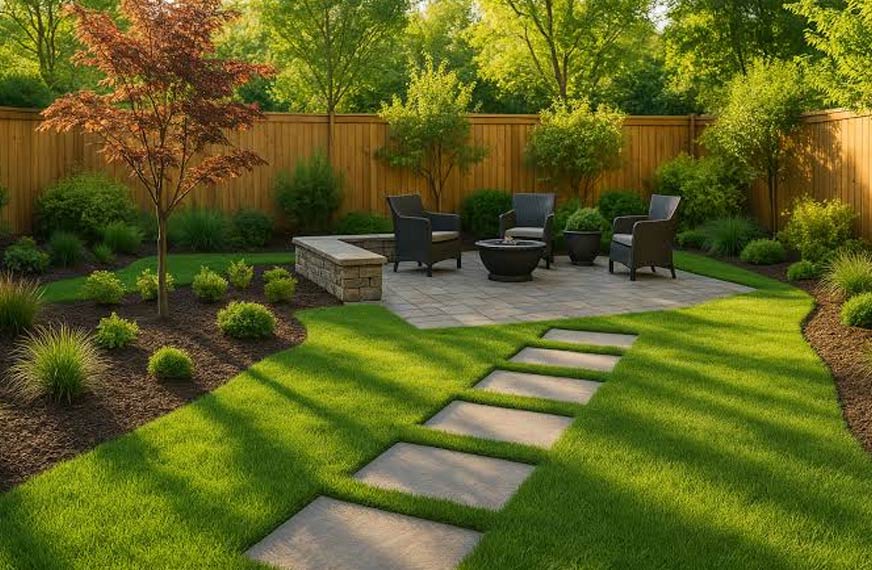
Creating a comfortable outdoor area can significantly improve the way a property is used and enjoyed. A thoughtfully designed space can provide room for relaxing, dining, entertaining guests, enjoying fresh air, and spending quality time with family. However, building an attractive exterior area requires more than selecting a surface material that looks appealing. Proper planning, site preparation, drainage, material selection, furniture placement, lighting, and regular maintenance all contribute to long-term success. A Patio can become a valuable extension of the home’s living space when its design is based on practical needs as well as visual preferences. Taking time to plan every detail before construction begins can help create an outdoor environment that remains functional and attractive for years.
Planning the Outdoor Area
The planning stage establishes the foundation for the entire project. Homeowners should first determine how they expect to use the space and how much room will be required for furniture, movement, entertainment, and other activities. A small area may work well for a table and chairs, while a larger design may accommodate separate dining and seating zones. Existing doors, walkways, landscaping, walls, and drainage patterns should also be considered before the final layout is selected. The shape of the space should provide convenient access while complementing the surrounding architecture. A well-planned Patio can make efficient use of available outdoor space without creating unnecessary construction or maintenance challenges.
Choosing Suitable Materials
Material selection affects appearance, durability, maintenance, comfort, and overall project cost. Concrete is a popular option because it can be finished in various styles and can provide a relatively uniform surface. Pavers offer flexibility because individual pieces can often be removed and replaced if damage occurs. Natural stone provides distinctive textures and colors, although different stone types can have different maintenance requirements. Outdoor-rated porcelain and other specialized materials may also provide attractive options for homeowners seeking particular design characteristics. When planning a patio, it is important to compare materials based on weather resistance, surface texture, slip resistance, cleaning requirements, expected lifespan, and compatibility with the surrounding property.
Preparing the Foundation
A strong foundation is essential for creating a stable outdoor surface. If the base is not prepared properly, the finished surface may settle unevenly, develop cracks, shift, or become difficult to maintain. Soil conditions should be evaluated, and unsuitable material may need to be removed before construction. A suitable base should then be placed and compacted according to the requirements of the selected surface material. Proper preparation also helps manage water movement beneath and around the finished surface. The foundation should be designed according to the expected use and environmental conditions. A properly prepared base provides a stable foundation for a Patio and can significantly reduce the likelihood of premature surface problems.
Managing Drainage Effectively
Water management is one of the most important considerations when creating an outdoor space. Rainwater should be directed away from walls, doors, foundations, and other vulnerable areas rather than being allowed to collect against the building. The finished surface should normally have an appropriate slope that allows water to move toward a suitable drainage location. Poor drainage can contribute to standing water, staining, erosion, moss, algae, and deterioration of surrounding structures. Depending on the site, drainage channels, grading, permeable materials, or other solutions may be appropriate. A well-designed Patio should work with the property’s existing drainage system rather than creating new areas where water can accumulate.
Creating a Functional Layout
The layout should reflect how the space will actually be used. A dining area may require enough room for a table and chairs while still allowing people to move comfortably around them. A separate seating zone can provide space for conversations and relaxation, while another section may be reserved for cooking or outdoor recreation. Walkways should remain clear, and important access points should not be blocked by furniture or decorative features. The arrangement should also leave enough room for maintenance equipment and cleaning activities. A carefully planned Patio can accommodate several purposes without making the area feel crowded or difficult to navigate.
Considering Furniture and Accessories
Outdoor furniture should be selected according to the size and intended function of the space. Tables, chairs, benches, loungers, storage units, and other accessories should provide comfort without restricting movement. Materials should be suitable for outdoor exposure and capable of handling sunlight, moisture, temperature fluctuations, and regular use. Furniture should also be positioned carefully to prevent unnecessary wear on the surface. Protective pads may be useful under certain furniture legs, while covers can help protect items during severe weather. Planning furniture placement before construction can help determine the appropriate dimensions for the Patio and ensure that the finished space feels comfortable and practical.
Adding Shade and Weather Protection
Outdoor areas can become uncomfortable when exposed to strong sunlight for extended periods. Shade solutions such as umbrellas, pergolas, retractable covers, awnings, and other structures can provide relief while also adding visual interest. The appropriate choice depends on the size of the space, the desired appearance, and how much flexibility the homeowner wants. Shade structures should be positioned carefully so that they do not interfere with doors, drainage, lighting, or surrounding landscaping. Natural shade from trees can also be beneficial, although falling leaves, roots, and long-term growth should be considered. A comfortable Patio should provide options for enjoying both sunlight and shaded areas throughout the day.
Installing Appropriate Lighting
Outdoor lighting can improve both functionality and atmosphere after sunset. Pathway lights can make walking areas easier to navigate, while wall-mounted fixtures can provide useful illumination near entrances. Accent lighting can highlight plants, architectural features, seating areas, or decorative surfaces. Lighting should be planned so that it provides sufficient visibility without producing excessive glare. Outdoor electrical components should be designed and installed appropriately for exposure to moisture and changing weather conditions. Incorporating lighting into the original Patio design can help ensure that fixtures, wiring, and controls are positioned effectively rather than requiring major changes after construction is complete.
Designing for Safety
Safety should be considered during every stage of outdoor construction. Surfaces should provide suitable traction, particularly in areas that may become wet from rainfall or cleaning. Changes in elevation should be clearly identified, and steps should have consistent dimensions. Edges, retaining walls, railings, and other structural features should be designed appropriately for their intended use. Furniture and decorative objects should not create unnecessary obstacles in primary walking paths. Good lighting can also improve visibility during evening use. By addressing these considerations during planning, a Patio can provide a comfortable and accessible environment for family members, guests, and visitors.
Avoiding Common Construction Problems
Many outdoor surface problems are caused by inadequate preparation rather than the surface material itself. Poorly compacted soil can lead to settlement, while an insufficient base may result in movement or cracking. Incorrect drainage can create standing water and encourage organic growth. Improperly installed joints may allow weeds to develop or materials to shift over time. Another common problem is failing to account for the relationship between the new surface and existing doors, walls, steps, or landscaping. These details should be addressed before installation begins. Careful Patio construction involves planning the complete site rather than focusing only on the visible surface.
Maintaining the Finished Surface
Regular maintenance can help preserve the appearance and performance of an outdoor area. Sweeping can remove leaves, dirt, and loose debris before they become embedded in the surface. Spills should be cleaned promptly, particularly when the material is porous or susceptible to staining. Joints should be inspected periodically for weeds, damaged material, or signs of movement. Cracks, loose pavers, damaged grout, and drainage problems should be addressed as soon as they become noticeable. The appropriate cleaning products should always be selected according to the surface material. Consistent maintenance can keep a Patio looking attractive while reducing the likelihood of major repairs later.
Protecting Against Weather
Outdoor surfaces are exposed to sunlight, rain, wind, temperature changes, and other environmental conditions throughout the year. Some materials may benefit from protective sealants that help reduce moisture absorption and staining, while others may require different maintenance methods. Sealants should be selected specifically for the material and applied according to the manufacturer’s recommendations. Furniture and decorative features may also need protection during severe weather. Good drainage is particularly important because standing water can contribute to surface deterioration. Weather-conscious maintenance can help preserve the appearance and performance of a Patio and extend the useful life of the materials.
Incorporating Landscaping
Landscaping can make an outdoor space feel more natural and inviting. Plants, shrubs, flower beds, decorative grasses, and containers can add color and texture while creating visual separation between different areas. However, landscaping should be planned carefully so that roots do not interfere with foundations or surfaces and soil does not wash onto the finished area. Plants that produce significant amounts of leaves may also increase cleaning requirements. Choosing suitable plants and positioning them thoughtfully can create a balanced relationship between hard surfaces and greenery. A well-integrated Patio can become a natural part of the surrounding landscape rather than appearing like a separate addition.
Professional Planning and Construction
Some small outdoor improvements can be completed by experienced homeowners, but larger projects may benefit from professional planning and installation. Complex layouts, significant grading requirements, drainage challenges, retaining structures, multiple levels, and specialized materials can require additional expertise. Professionals can assess the site, identify potential problems, prepare the foundation, and recommend suitable materials and construction methods. They can also ensure that the finished surface is properly aligned and that drainage works as intended. Professional Patio construction can be particularly useful when the project involves structural modifications or requires specialized tools and techniques. Quality workmanship can have a major effect on the durability and appearance of the finished outdoor space.
Final Thoughts
A durable and attractive outdoor area begins with thoughtful planning and continues with proper construction and regular maintenance. Homeowners should consider how the space will be used, which materials are appropriate, how water will drain, and what level of maintenance they are prepared to provide. A strong foundation, suitable surface material, comfortable layout, effective lighting, shade solutions, and appropriate landscaping can all contribute to a successful result. Regular cleaning and inspection can then help preserve the appearance and functionality of the finished area. When each part of the project is considered carefully, a patio can become a practical extension of the living space and provide a comfortable environment for relaxing, dining, entertaining, and enjoying outdoor activities for many years.

