


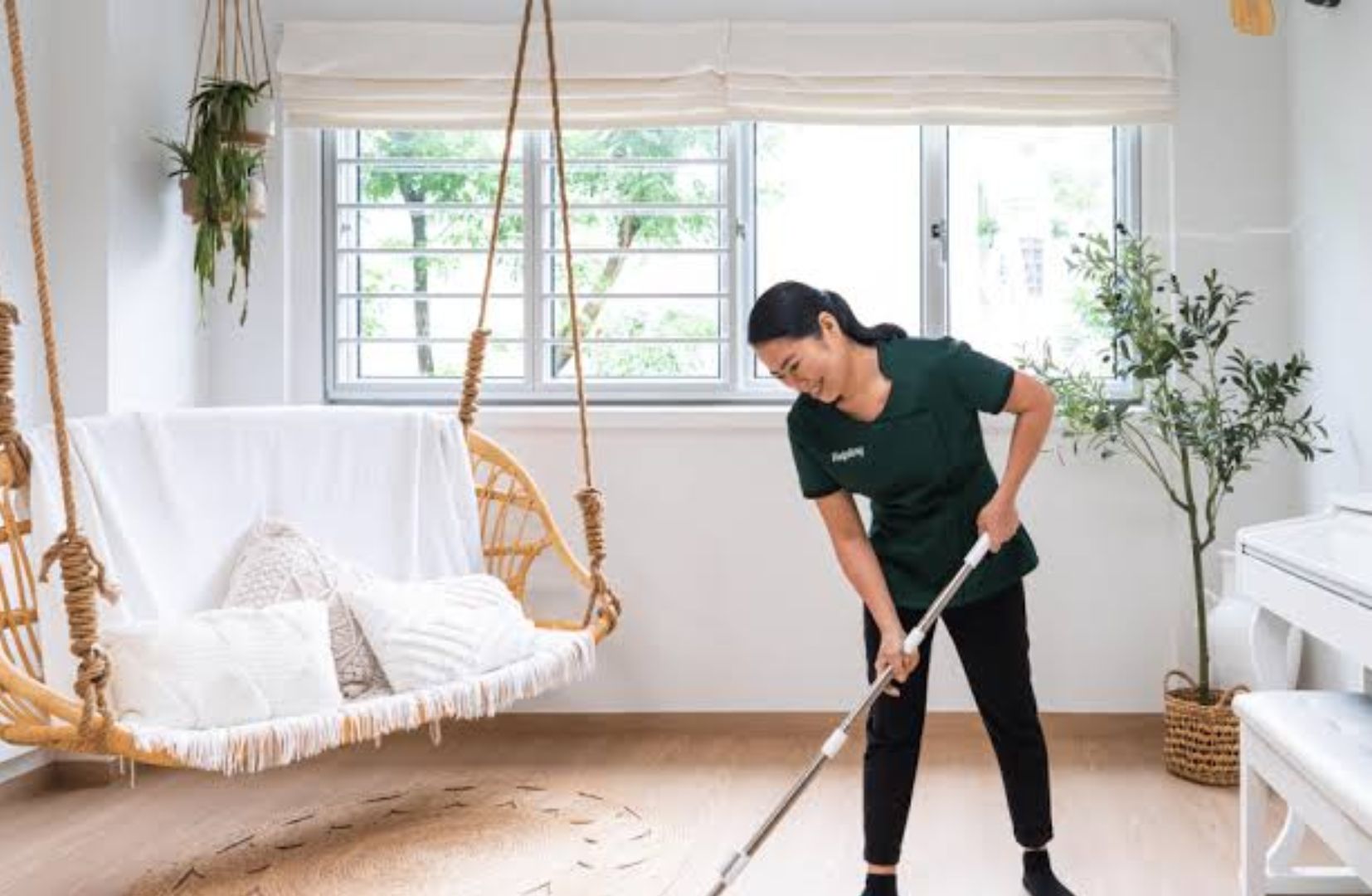
Moving out of a home involves much more than packing boxes and loading furniture. Before handing over the keys, renters and homeowners often need to leave the property clean, presentable, and ready for its next occupants. A thorough move-out cleaning can help create a positive final impression while making the transition easier for everyone involved.
Unlike routine cleaning, move-out cleaning focuses on areas that are often overlooked during everyday housekeeping. Once furniture and personal belongings have been removed, it becomes easier to reach floors, cabinets, appliances, walls, closets, and other hidden spaces. Taking the time to clean these areas can make a noticeable difference in the overall condition of the property.
What Is Move-Out Cleaning?
Move-out cleaning is a detailed cleaning process completed after a home is emptied of personal belongings. The goal is to clean the property from room to room so that it is ready for the next stage, whether that means a new tenant moving in, a property being sold, or a landlord preparing the home for another occupant.
Regular cleaning usually focuses on maintaining frequently used areas. Move-out cleaning goes further by addressing accumulated dust, buildup, and neglected spaces.
Because most furniture and belongings are gone, cleaners can reach areas that are normally hidden or difficult to access. This makes a moving day an ideal time to complete a deeper clean.
Start With an Empty Home
Whenever possible, begin cleaning after most or all belongings have been removed. An empty home provides much better access to floors, walls, closets, cabinets, and corners.
Start by walking through each room and identifying areas that need additional attention. Remove leftover items and dispose of unwanted trash appropriately before beginning the detailed cleaning process.
Working systematically from one room to another can make the task more manageable. It also reduces the chance of overlooking an important area.
A top-to-bottom approach is particularly useful. Dust ceiling fixtures, shelves, and upper surfaces first, then clean lower surfaces and finish with the floors.
Deep Clean the Kitchen
The kitchen is one of the most important areas during a move-out clean because grease, food residue, and dirt can accumulate in many locations.
Clean countertops, cabinets, drawers, backsplashes, sinks, and faucets. Wipe cabinet interiors after removing all belongings, paying attention to corners and edges where crumbs and dust may collect.
Appliances should also receive careful attention. Clean the inside and outside of the oven, refrigerator, microwave, dishwasher, and other appliances that are staying with the property. Handles and control panels should not be overlooked.
Check underneath and around appliances where accessible. These areas often collect dust and food debris that are hidden during normal cleaning.
Give Bathrooms a Thorough Cleaning
Bathrooms require detailed attention because soap residue, moisture, and mineral deposits can build up over time.
Clean the bathtub or shower, including walls, doors, fixtures, and corners. Toilets should be cleaned thoroughly, while sinks, faucets, countertops, mirrors, and cabinets should also be addressed.
Pay attention to grout, caulking, drains, and areas around fixtures. If you notice damage, persistent moisture, or deteriorated caulking, cleaning alone may not resolve the underlying problem.
Bathroom ventilation areas should also be checked and cleaned where safely accessible. Removing dust from these areas can improve the overall appearance of the room.
Clean Floors Throughout the Property
Floors are especially important because they are often one of the first things people notice when entering an empty home.
Hard flooring should be swept or vacuumed before mopping. The cleaning method should match the flooring material, since wood, laminate, tile, vinyl, and stone can have different maintenance requirements.
Carpets should be thoroughly vacuumed, including corners, edges, closets, and areas that were previously covered by furniture. If carpets have significant stains or odors, a deeper professional cleaning may be appropriate.
Cleaning floors after the rest of the property has been completed helps prevent dust and debris from settling on freshly cleaned surfaces.
Clean Windows, Frames, and Sills
Windows can accumulate fingerprints, dust, and grime over time. During a move-out cleaning, clean the interior glass, frames, sills, and accessible tracks.
Removing dirt from these areas can improve the appearance of the rooms and allow more natural light to enter.
Exterior windows may require additional equipment, especially on upper floors. If they cannot be safely accessed, professional window cleaning may be the better option.
Do not forget mirrors and other glass surfaces throughout the property. These can also collect fingerprints and streaks that become more noticeable in an empty home.
Don’t Forget Cabinets and Closets
Cabinets, closets, and storage areas can easily be overlooked because they may appear clean when empty. However, shelves and corners can contain dust, crumbs, and debris.
Wipe down cabinet shelves and doors, then clean closet floors and accessible surfaces. Check pantry shelves and built-in storage areas as well.
These spaces are particularly important when a property is being prepared for new occupants. A clean storage area gives the next resident a better starting point and creates a more organized impression.
Clean Doors, Trim, and Baseboards
Large surfaces often receive attention during cleaning, while smaller details are forgotten. Doors, door frames, baseboards, and trim can accumulate noticeable dust and fingerprints.
Wipe these surfaces carefully, paying attention to frequently touched areas such as door handles and light switches.
Cleaning baseboards can also make rooms look significantly cleaner because dust tends to collect along the edges of floors and walls.
Remove Dust From Hidden Areas
An empty property provides access to spaces that are normally blocked by furniture. Take advantage of this opportunity to clean behind doors, inside corners, under remaining fixtures, and along wall edges.
Ceiling fans, vents, light fixtures, and the tops of cabinets should also be checked for dust.
Cleaning from higher surfaces downward helps prevent dust from settling on areas that have already been cleaned.
Check for Damage Before Leaving
Cleaning provides an excellent opportunity to notice problems that may need to be addressed before the property is handed over.
Look for damaged walls, broken fixtures, leaking faucets, loose handles, damaged flooring, or other issues. Renters should compare the property’s condition with any move-in documentation or inspection records they have.
Cleaning does not repair physical damage, so separate maintenance issues should be reported or addressed according to the terms of the rental agreement or property requirements.
Professional Move-Out Cleaning
Move-out cleaning can be time-consuming, especially when combined with packing, transportation, and other moving responsibilities. Professional cleaning services can be a practical option for people who want to save time or need a more extensive cleaning.
Professional cleaners may also be useful for larger homes or properties that have accumulated significant buildup. Before scheduling a service, confirm which areas and tasks are included so expectations are clear.
If the property has specific cleaning requirements from a landlord, property manager, or buyer, provide those details in advance.
Final Walk-Through
After cleaning is finished, complete one final walk-through before leaving. Check each room, closet, cabinet, bathroom, kitchen, and storage area.
Look for missed dust, streaked glass, debris, or spots that need another pass. Empty trash and make sure personal belongings have been removed.
A final inspection is especially helpful because an empty home makes it easier to see areas that may have been hidden while furniture was in place.
Conclusion
Move-out cleaning is an important part of leaving a home in good condition. A thorough approach covers much more than floors and countertops. Kitchens, bathrooms, appliances, windows, cabinets, closets, baseboards, doors, and hidden areas all deserve attention.
Starting with an empty property, working systematically, and completing a final inspection can make the process more efficient and help ensure that important areas are not overlooked. When time is limited or the property requires extensive cleaning, professional assistance can also make the moving process easier.
A clean home creates a better final impression and provides a fresh starting point for whoever occupies the property next.

