


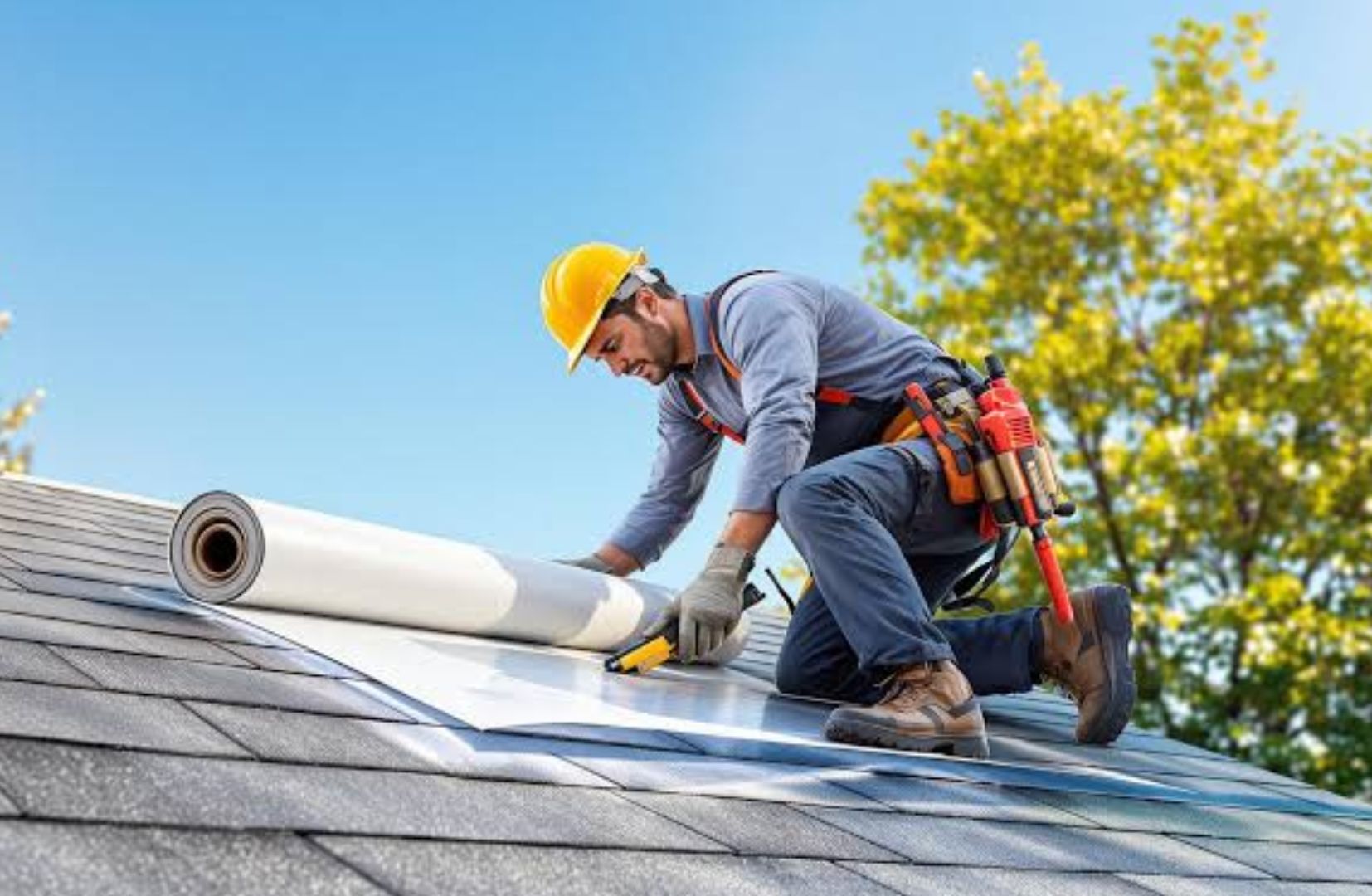
A well-maintained roofing system plays an important role in protecting a building from rain, moisture, wind, sunlight, temperature changes, and everyday environmental exposure. Over time, even a durable roof can develop small defects that may eventually affect its performance if they are not identified and addressed. Preventive care allows property owners to monitor the condition of the roofing surface, drainage components, protective coatings, and vulnerable areas before minor issues become major concerns. Foam roof maintenance is especially important for preserving the protective qualities of a spray polyurethane foam system because the surface requires ongoing attention to remain effective. With regular inspections, timely repairs, proper drainage, and suitable surface care, property owners can help extend the useful service life of their roofing investment.
Understanding the Roofing System
Spray polyurethane foam roofing is created by applying specialized liquid components that expand and form a continuous layer across a prepared roof surface. After curing, the foam provides insulation and can help create a seamless barrier against moisture. A protective coating is generally installed over the foam to shield it from ultraviolet radiation, weather exposure, and normal environmental wear. Although the system can provide long-lasting performance, the surface is not completely maintenance-free. Sunlight, rain, temperature fluctuations, debris, foot traffic, and mechanical activity can gradually affect the protective layer. Understanding the construction of the system helps property owners recognize why routine inspections and preventive care are important.
Why Preventive Roof Care Matters
Many roofing problems begin with conditions that appear relatively minor. A small puncture, coating crack, drainage obstruction, or damaged penetration may not immediately produce a visible leak, but repeated exposure to moisture can cause the affected area to deteriorate. Once water reaches vulnerable materials, the repair may become more complicated and expensive. Preventive maintenance creates an opportunity to identify these conditions while they are still manageable. Foam roof maintenance helps establish a routine for examining the roofing surface, identifying developing defects, and responding to problems before they spread. A consistent maintenance approach can also help property owners plan repairs instead of dealing with unexpected roofing emergencies.
Inspecting the Roof Regularly
Routine inspections are one of the most effective ways to monitor roofing performance. A visual inspection should cover the main roof surface as well as edges, drainage areas, penetrations, equipment supports, and other locations where damage may occur. Inspectors can look for cracks, punctures, exposed foam, peeling coatings, surface erosion, discoloration, debris accumulation, and signs of standing water. Interior areas can also provide useful clues when stains, dampness, or unusual odors suggest that water may be entering the building. Regular inspections make it easier to compare the condition of the roof over time and determine whether a previously minor defect is becoming more serious.
Monitoring the Protective Coating
The protective coating is a critical component of a foam roofing system because it helps protect the underlying foam from sunlight and environmental exposure. Over time, the coating can become thinner, cracked, faded, or worn due to weather and normal aging. If deterioration is identified early, maintenance may help prevent the foam from becoming unnecessarily exposed. The coating should be examined for areas where its protective properties appear compromised, especially on surfaces that receive significant sunlight. Foam roof maintenance should include regular observation of the coating because preserving this protective layer can contribute significantly to the long-term condition of the entire roofing system.
Keeping Drainage Paths Clear
Efficient drainage is essential for protecting any roofing system from unnecessary moisture exposure. Leaves, branches, dirt, and other debris can accumulate around drains, outlets, and drainage channels, restricting the movement of water away from the roof. When water remains on the surface for extended periods, it can place additional stress on roofing materials and may contribute to deterioration. Drainage components should therefore be checked regularly and cleared when necessary. If water repeatedly collects in the same location even when drains are clear, the cause should be investigated rather than simply removing the water. Good drainage helps reduce the amount of time the roofing surface remains exposed to standing moisture.
Identifying Punctures and Surface Damage
Physical damage can occur when tools, equipment, branches, or other objects come into contact with the roof. Workers accessing rooftop equipment can also unintentionally damage the surface if they do not follow appropriate precautions. Small punctures may initially seem insignificant, but they can provide pathways for moisture to reach the foam beneath the protective coating. Cracks and areas of surface erosion can create similar concerns. During regular inspections, these defects should be documented and evaluated to determine whether repair is necessary. Addressing small areas of damage promptly can help prevent them from becoming larger defects that affect surrounding sections of the roofing system.
Managing Foot Traffic
Unnecessary foot traffic can contribute to wear and physical damage on a foam roofing surface. While technicians may need to access rooftop equipment, repeated walking across unprotected areas can gradually affect the coating. Tools, ladders, equipment, and other objects can also create punctures or compression damage if they are placed carelessly. Designated access paths and appropriate protective measures can reduce unnecessary contact with the roofing surface. Property owners should ensure that anyone accessing the roof understands the importance of protecting the surface. Foam roof maintenance is not limited to inspections and repairs; preventing avoidable physical damage is also an important part of maintaining the system.
Inspecting Roof Penetrations
Roof penetrations are areas where pipes, vents, HVAC components, supports, and other equipment pass through the roofing surface. These locations can experience additional stress because different materials may expand, contract, or move at different rates. Sealants and protective materials around penetrations can deteriorate over time, creating potential pathways for water. During inspections, these areas should be checked for cracks, gaps, loose components, deteriorated sealants, and signs of moisture intrusion. Problems around penetrations should be addressed before they develop into larger leaks. Careful inspection of these vulnerable locations can help preserve the integrity of the surrounding roofing surface.
Controlling Moisture and Humidity
Moisture management is essential for maintaining a building and protecting its roofing system. Water can enter through damaged roofing materials, blocked drainage systems, deteriorated penetrations, or other defects. Indoor moisture can also create problems when condensation develops around ceilings, pipes, or poorly insulated areas. Although a foam roof is designed to provide a strong moisture barrier, damage or deterioration can reduce its protective performance. Property owners should respond promptly to visible leaks, recurring condensation, or unexplained dampness. Controlling moisture at its source helps protect not only the roof but also insulation, structural materials, interior finishes, and other components of the building.
Responding to Small Repairs
Minor roof defects should not be ignored simply because they do not currently cause a noticeable leak. Small cracks, punctures, coating defects, and damaged areas can become more serious after repeated exposure to rain, sunlight, wind, and temperature changes. A professional should evaluate the defect and determine whether localized repair is appropriate. Repair materials should be compatible with the existing roofing system, and the affected surface should be properly prepared before application. Foam roof maintenance works best when small issues are addressed during routine inspections rather than being postponed until they result in significant damage.
Protecting the Roof From Debris
Debris can create several maintenance concerns when it remains on a roofing surface for long periods. Leaves and organic material can retain moisture and obstruct drainage, while branches and other hard objects can damage protective coatings. Wind can move debris across the surface and create scratches or impact damage. Regular removal can help keep drainage areas clear and reduce unnecessary physical stress. Cleaning should be performed carefully so that tools and equipment do not damage the coating. Property owners should also monitor surrounding trees and structures when they create a recurring source of debris or increase the risk of falling branches.
Managing Standing Water
Standing water is a condition that deserves attention when it occurs repeatedly. Temporary water accumulation after heavy rainfall may not always indicate a serious roofing problem, but persistent ponding can suggest that drainage is inadequate or that the surface has changed. Blocked drains, damaged drainage components, structural movement, or other factors may contribute to the problem. Simply removing standing water does not address the underlying cause. Foam roof maintenance should include monitoring areas where water repeatedly collects and investigating the reason for the accumulation. Improving drainage can help reduce prolonged moisture exposure and support the long-term performance of the roofing system.
Seasonal Maintenance Practices
Roofing conditions can change as weather patterns and temperatures vary throughout the year. Periodic inspections can help identify damage caused by storms, heavy rainfall, wind, or other environmental conditions. After severe weather, the roof should be checked for fallen branches, punctures, coating damage, debris accumulation, and blocked drains. Seasonal maintenance can also provide an opportunity to examine protective coatings and vulnerable penetrations. Keeping a consistent inspection schedule allows property owners to identify changes before they develop into significant problems. A planned approach is generally more effective than waiting until a leak or major defect forces an emergency response.
Maintaining the Protective Surface
Protective coatings eventually require evaluation because their condition changes with age and environmental exposure. Before recoating a roof, the existing surface should be assessed to determine whether it is suitable for additional material. Loose or deteriorated coating, dirt, moisture, and other contaminants may need to be removed or addressed. Any underlying foam damage should also be repaired before a new protective layer is applied. Manufacturer requirements should be followed when selecting compatible materials and determining preparation and application procedures. Proper coating maintenance can help preserve the foam beneath it and provide continued protection against environmental exposure.
Keeping Detailed Maintenance Records
Maintenance records can provide valuable information about the history and condition of a roofing system. Records may include inspection dates, photographs, identified defects, repairs, coating applications, drainage work, and observations about recurring problems. Comparing records from different periods can help property owners identify gradual deterioration or recurring trouble spots. Documentation can also help roofing professionals understand what work has previously been completed. Foam roof maintenance becomes easier to organize when there is a clear record of the roof’s condition and previous maintenance activities. Detailed documentation can also support budgeting and long-term planning for future repairs or restoration.
Knowing When Professional Assistance Is Needed
Some maintenance tasks are relatively straightforward, but complex roofing problems may require professional evaluation. Extensive coating deterioration, widespread cracking, repeated leaks, damaged foam, persistent ponding, or suspected structural issues should be assessed carefully. A roofing professional can determine the extent of the problem and recommend an appropriate course of action. Attempting to repair complicated defects without understanding the system can sometimes create additional damage or reduce the effectiveness of previous work. Professional assistance is especially valuable when the condition of the roofing system is uncertain or when a repair involves specialized materials and application methods.
Creating a Long-Term Maintenance Plan
A long-term maintenance plan can help property owners manage roofing responsibilities consistently. The plan can include scheduled inspections, drainage cleaning, surface checks, penetration inspections, debris removal, coating evaluations, and documentation. Planned maintenance can make it easier to identify small issues before they become emergencies. It can also help property owners estimate future expenses and schedule work at appropriate times. Foam roof maintenance should be viewed as an ongoing process rather than a single service performed only after damage occurs. Consistent attention can help maintain the protective properties of the roofing system and reduce the likelihood of unexpected deterioration.
Final Thoughts
Protecting a roofing system requires more than responding to leaks after they occur. Regular inspections, proper drainage, protective coating care, controlled rooftop access, debris removal, and timely repairs all contribute to long-term performance. Foam roof maintenance provides a structured approach to identifying developing problems and preserving the condition of a foam roofing system over time. Property owners should pay attention to coating deterioration, punctures, cracks, standing water, damaged penetrations, and recurring moisture concerns. Maintaining accurate records and arranging professional evaluations when necessary can make long-term roof care more organized and effective. By taking preventive action and addressing small issues before they become larger problems, property owners can help protect their roofing investment and support reliable performance for many years.

