


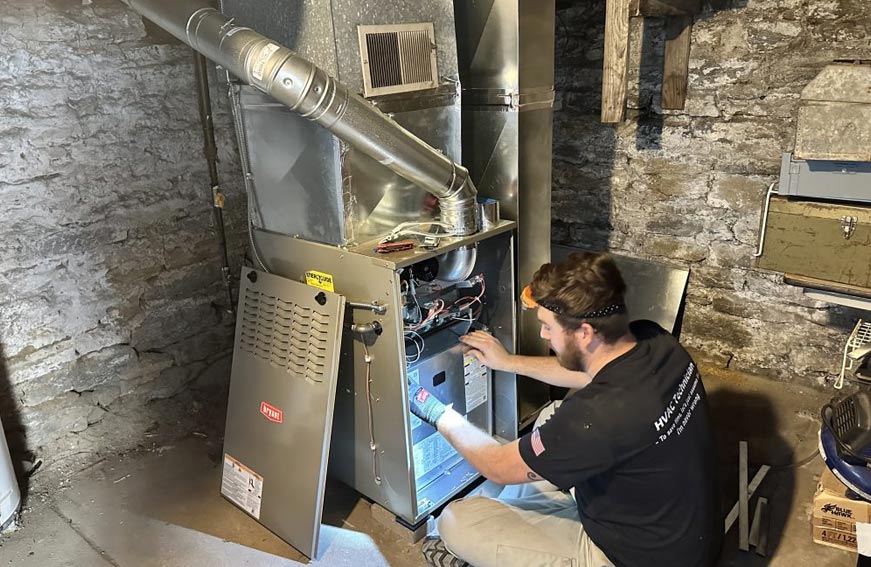
A dependable furnace plays an important role in maintaining comfortable indoor temperatures when heating is needed. Although modern heating systems are designed to provide consistent performance, they contain numerous mechanical, electrical, and control components that can experience wear over time. Filters can become restricted, motors can lose efficiency, electrical connections can develop problems, thermostats can malfunction, and ignition or heating components can require professional attention. Small changes in heating performance may sometimes appear insignificant at first, but they can become more disruptive if the underlying issue is left unresolved. Understanding the common signs of furnace problems, maintaining the equipment regularly, and arranging professional service when necessary can help property owners protect their heating systems and maintain dependable comfort. A proactive approach also makes it easier to distinguish between routine maintenance needs, repair situations, and circumstances where replacing aging equipment may be worth considering.
Understanding How a Furnace Supports Indoor Comfort
A furnace works as part of a larger heating and air distribution system. Depending on the equipment type, the furnace may use natural gas, electricity, or another energy source to generate heat before distributing that warmth throughout the property. A blower moves conditioned air through the ductwork and into individual rooms, while the thermostat communicates when additional heating is required. Filters help capture airborne particles and protect internal components, while electrical controls, safety devices, motors, ignition systems, heat exchangers, and other components help the equipment operate correctly. Because all of these parts work together, a problem with one component can influence the performance of the entire system. A furnace that produces heat but does not distribute it properly may have an airflow problem, while a system that does not produce heat at all may have an ignition, electrical, thermostat, or control issue. Professional evaluation is therefore important because the visible symptom does not always reveal the actual cause.
Recognizing Early Signs of Furnace Problems
One of the most noticeable signs of a heating problem is when the furnace runs but the property does not reach the desired temperature. The system may continue operating for extended periods while rooms remain cooler than expected, or the furnace may turn on and off more frequently than usual. These changes can occur for several reasons, including restricted airflow, thermostat problems, dirty components, electrical concerns, malfunctioning controls, or equipment that is becoming less reliable with age. Homeowners should pay attention when the system begins behaving differently from previous heating seasons because changes in operation can provide an early indication that professional attention may be appropriate. Identifying the issue early can make it easier to determine whether a simple maintenance procedure or a more specific repair is required.Unusual sounds can also provide valuable information about the condition of heating equipment. Furnaces normally create operating sounds as burners, blowers, motors, and airflow systems function, but sudden or unusually loud noises should not be dismissed as normal. Rattling may indicate a loose component, while squealing can be associated with mechanical wear or a belt-related concern on certain equipment. Grinding may suggest a motor or bearing issue, while repeated clicking can be associated with ignition or control problems. Homeowners do not need to diagnose these sounds themselves, but they should report new or persistent noises to an HVAC professional. If unusual sounds are combined with poor heating performance, frequent cycling, unusual odors, or other changes, a professional inspection can help determine whether continued operation is appropriate.
Paying Attention to Airflow Changes
Proper airflow is essential for a furnace because heated air must move efficiently through the ductwork to reach the rooms throughout the property. When airflow becomes restricted, the system may operate longer than necessary and may struggle to distribute heat evenly. One of the simplest potential causes is a heavily clogged air filter. A dirty filter can make it more difficult for the blower to circulate air and may place additional strain on the heating equipment. Homeowners should inspect filters regularly and replace disposable filters according to the manufacturer’s recommendations or clean reusable filters as appropriate.Airflow concerns can also develop because of blocked vents, restricted return air, ductwork problems, blower issues, or other mechanical conditions. If some rooms receive strong airflow while others consistently remain uncomfortable, the issue may involve more than the thermostat setting. Furniture and household objects should be kept away from important supply and return vents, but persistent problems should be professionally evaluated. A technician can inspect the system and determine whether the concern is related to the furnace itself, the ductwork, or the property’s overall air distribution. Addressing airflow problems can support more consistent comfort while reducing unnecessary strain on heating equipment.
The Importance of Furnace Maintenance
Regular furnace maintenance can help property owners identify developing problems before they lead to unexpected heating failures. Professional maintenance may involve inspecting important components, checking electrical connections, evaluating airflow, examining the blower assembly, checking controls, inspecting safety mechanisms, and reviewing overall system operation. Depending on the furnace type, technicians may also evaluate burners, ignition components, heat exchangers, and other specialized parts. Maintenance is not simply about cleaning the equipment; it is an opportunity to evaluate its operating condition and identify concerns that may require attention.
Preventive maintenance can also help homeowners develop a better understanding of their equipment’s long-term condition. A technician may identify a component that is still functioning but showing signs of wear, allowing the homeowner to plan for future service instead of facing an unexpected breakdown. Keeping records of inspections, repairs, replaced components, and maintenance visits can provide useful information over time. When the system requires future service, these records can help technicians understand its history and determine whether a current problem may be related to an earlier concern.
Simple Furnace Care Homeowners Can Handle
Homeowners can take several basic steps to support furnace performance without attempting complex repairs. Checking the air filter is one of the most useful routine tasks because airflow restrictions can affect both heating performance and equipment operation. Supply registers and return vents should also be kept clear of furniture, storage boxes, curtains, and other objects that can interfere with circulation. The thermostat should be checked to make sure it is operating in the correct heating mode and displaying information properly. If the thermostat does not respond, displays an unusual message, or appears to provide inaccurate temperature readings, professional evaluation may be appropriate.The furnace area should also be kept reasonably clear of household items, especially when the equipment requires adequate space for safe operation and service access. Homeowners should never store combustible materials close to equipment that produces heat. However, routine homeowner care has clear limits. Opening electrical panels, modifying gas connections, working on burners, handling ignition components, bypassing safety controls, or attempting to repair internal furnace components without appropriate training can create significant safety risks. Specialized furnace work should be performed by qualified HVAC professionals who have the tools and knowledge necessary to inspect and service the equipment correctly.
Why Professional Furnace Diagnosis Matters
When a furnace stops working correctly, professional diagnosis is more useful than replacing components based only on symptoms. Heating systems can develop problems that appear similar from the homeowner’s perspective but have completely different causes. A furnace that does not turn on may have a thermostat issue, electrical problem, safety-control activation, ignition concern, or another underlying condition. Similarly, a furnace that runs continuously may have restricted airflow, insufficient heat transfer, thermostat issues, equipment capacity concerns, or another problem affecting operation. A professional technician can use testing and inspection procedures to narrow down the cause.Accurate diagnosis can also reduce the risk of unnecessary repairs. Replacing a component without confirming that it is responsible for the problem can waste time and money while leaving the actual issue unresolved. Professional troubleshooting evaluates the system as a whole and considers how individual components interact. This is especially important when a problem continues after previous service or when several symptoms occur at the same time. A detailed assessment can help homeowners understand what needs to be corrected and why the recommended service is appropriate.
When Furnace Repair May Be Appropriate
Many furnace problems can be resolved without replacing the entire system. If a specific component fails while the remainder of the equipment remains in good condition, repairing or replacing the affected part may restore normal operation. The appropriate solution depends on factors such as equipment age, overall condition, maintenance history, repair frequency, parts availability, and the nature of the failure. A professional evaluation can provide homeowners with useful information about whether the current system remains a practical candidate for continued service.Professional furnace repair may address problems involving heating performance, airflow, electrical components, ignition systems, thermostats, controls, and other furnace-related issues. The goal of professional service is not simply to make the equipment start operating again but to identify the underlying cause and restore the system to appropriate operating conditions. Depending on the problem, a technician may recommend a component replacement, adjustment, cleaning, electrical service, airflow correction, or another specialized procedure. Homeowners can then make decisions based on the actual condition of their equipment rather than relying on assumptions.
Deciding When Replacement Should Be Considered
Although many furnace problems can be repaired, there are situations where replacement may become part of the discussion. An aging furnace with a history of frequent breakdowns may require increasingly expensive service as more components reach the end of their useful life. If major components are failing repeatedly or the system has become difficult to maintain, homeowners may compare the expected cost of continued repairs with the potential benefits of installing new equipment. Replacement is not automatically required simply because a furnace is old, but age and repair history are important factors when evaluating long-term reliability.A professional HVAC technician can inspect the equipment and explain whether repair or replacement may be more appropriate based on its actual condition. Homeowners may also consider comfort consistency, system efficiency, availability of replacement components, maintenance requirements, and expected future service needs. Having this information before a complete breakdown occurs can give property owners more time to evaluate their options. Advance planning can be particularly useful for older systems that have already required multiple repairs.
Choosing the Right Heating System
When furnace replacement becomes necessary, selecting appropriate equipment is an important part of achieving reliable long-term comfort. Homeowners should consider the size of the property, existing ductwork, insulation, airflow requirements, thermostat controls, equipment efficiency, and overall heating needs. Simply selecting a larger furnace does not necessarily guarantee better performance because heating equipment should be appropriately matched to the property’s requirements. An improperly sized system can affect operating cycles and comfort, while poor installation can reduce the benefits of even high-quality equipment.Professional installation is therefore an important part of any replacement project. Proper installation involves more than placing a new furnace in the existing equipment space. Connections, airflow, ductwork, controls, safety components, and system settings all need to be evaluated. A qualified HVAC provider can assess the existing system and determine what configuration is appropriate. This approach can help ensure that the replacement equipment is properly integrated into the property’s heating and air distribution system.
Improving Comfort Through the Entire HVAC System
Furnace performance should be considered alongside other parts of the HVAC system. A properly functioning furnace may still struggle to provide consistent comfort if the ductwork has restrictions, the property has inadequate insulation, or the airflow distribution is uneven. Certain rooms may also have different heating requirements because of their size, location, windows, or exposure. When temperature differences persist, homeowners may benefit from a complete HVAC evaluation instead of assuming that the furnace itself is defective.Thermostat placement can also influence comfort because the thermostat measures the temperature in the area where it is installed. If its location does not accurately represent the conditions throughout the property, the system may cycle in a way that does not match the comfort needs of other rooms. Modern controls may provide additional scheduling and temperature-management options, but proper setup and compatibility remain important. Evaluating the furnace, thermostat, ductwork, and airflow together can provide a more complete understanding of persistent comfort concerns.
Handling Unexpected Heating Breakdowns
A furnace failure can be particularly inconvenient when the system is needed continuously. If the equipment stops producing heat, repeatedly shuts down, makes severe noises, or develops an unusual burning or electrical odor, homeowners should avoid repeatedly restarting it. A system showing signs of an electrical or mechanical problem should be evaluated by a qualified professional. If there is a suspected gas issue or a strong gas odor, occupants should follow appropriate safety procedures and contact the relevant emergency service rather than attempting to troubleshoot the furnace themselves.For less urgent problems, arranging professional service promptly can still be beneficial. A furnace that continues operating but does not heat effectively may be working under conditions that place additional strain on its components. Delaying attention can allow a developing problem to become more extensive. Emergency HVAC services can be useful when a sudden heating failure requires immediate professional attention, while routine service appointments can address less urgent performance concerns before they become disruptive.
Working With an Experienced HVAC Provider
Choosing an experienced HVAC provider can make the process of maintaining, repairing, or replacing a furnace more straightforward. Qualified technicians have the training required to evaluate heating equipment and work with mechanical, electrical, airflow, and control systems. They can also use appropriate diagnostic tools to identify problems that may not be visible during a basic inspection. Professional service is especially valuable when a furnace has recurring issues or when homeowners are uncertain whether continued repairs or replacement would be appropriate.Cardinal Heating & Air provides heating and cooling services that include furnace service, heating installation, maintenance, air conditioning, heat pumps, ductless systems, indoor air quality solutions, and emergency HVAC support. Its broad range of services allows homeowners to address individual heating concerns while also considering the condition of the property’s overall HVAC system. Working with a provider that can evaluate multiple aspects of heating and cooling can be useful when equipment problems overlap with airflow, comfort, or indoor air quality concerns.
Building a Long-Term Furnace Maintenance Plan
Long-term furnace reliability is easier to support when maintenance is treated as part of regular property care instead of something that only happens after a breakdown. Homeowners can inspect filters, keep vents clear, monitor thermostat operation, maintain a clean equipment area, and schedule professional maintenance according to the equipment’s requirements. They should also pay attention to changes in heating performance because gradual problems may provide useful warning signs before a complete failure occurs. Longer heating cycles, unusual noises, inconsistent temperatures, frequent starts and stops, and unexplained changes in operating costs can all justify closer inspection.A long-term maintenance plan can also help homeowners prepare for future equipment decisions. Knowing the approximate age of a furnace and keeping track of repair history can make it easier to determine when replacement should be considered. Instead of waiting until the system fails completely, homeowners can discuss future options during routine maintenance visits. This provides more time to evaluate equipment choices, installation requirements, and household comfort needs. Planning ahead can also reduce the pressure associated with making an immediate replacement decision during an unexpected breakdown.
Supporting Reliable Heating Performance
Reliable heating depends on the condition of the furnace as well as the surrounding HVAC system. Clean filters, unobstructed vents, appropriate thermostat settings, properly maintained equipment, and professional inspections can all contribute to consistent performance. However, even well-maintained equipment can eventually experience component wear, which makes regular observation important. Homeowners should not ignore changes simply because the furnace is still producing some heat. A system can continue operating while developing a problem that may eventually affect its reliability.Professional furnace repair can help address developing issues while giving homeowners an opportunity to understand the condition of their equipment. Whether the system needs a specific component repaired, additional maintenance, airflow attention, or a replacement evaluation, professional diagnosis provides useful information for making an appropriate service decision. A comprehensive HVAC provider can also evaluate related heating and cooling equipment so that the property’s comfort system is considered as a complete unit rather than as isolated components.
Preparing for Future Heating Needs
Preparing for future heating needs involves understanding the current system, maintaining it consistently, and recognizing when its operating condition begins to change. Homeowners can benefit from keeping records of maintenance and repairs, learning the basic warning signs of furnace problems, and scheduling professional inspections rather than waiting for complete equipment failure. These steps can help create a clearer picture of the system’s performance over time and make future decisions more manageable.Replacement planning is particularly useful for older equipment. When a furnace has experienced repeated repairs or begins showing several signs of declining performance, homeowners can discuss long-term options with an HVAC professional. This does not necessarily mean replacing the system immediately, but it allows the homeowner to understand what may be involved if replacement eventually becomes necessary. Considering equipment compatibility, installation requirements, efficiency, comfort expectations, and maintenance needs in advance can make the transition to a new heating system more organized.
Conclusion
A dependable furnace requires regular attention, proper airflow, professional maintenance, timely diagnosis, and appropriate repairs when problems develop. Homeowners can contribute to reliable performance by monitoring filters, keeping vents unobstructed, checking thermostat operation, maintaining a clear equipment area, and paying attention to unusual changes in heating performance. More complex work involving electrical components, ignition systems, burners, safety controls, motors, heat exchangers, and other specialized equipment should always be handled by qualified HVAC professionals.Professional furnace repair can help restore heating performance when a specific component or system condition prevents equipment from operating correctly, while regular maintenance can help identify developing concerns before they result in unexpected failures. When equipment becomes older or experiences repeated problems, a professional evaluation can also help homeowners understand whether continued repairs or eventual replacement should be considered. By combining routine care with qualified HVAC service, property owners can support dependable heating, improve comfort, and make more informed decisions about the long-term needs of their heating system.

