


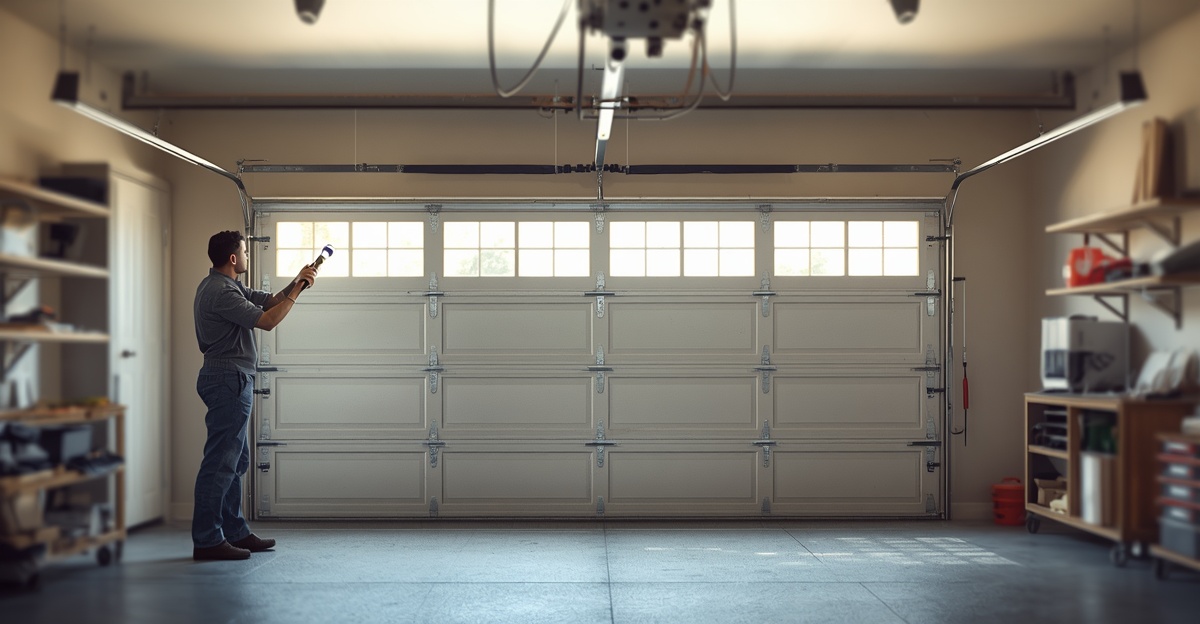
A garage door that is even slightly out of balance can strain your opener, chew through rollers, and pull cables off their drums. Many homeowners notice the problem only after the door refuses to close or a spring snaps. You can often spot early warning signs long before that happens. This article explains how to recognize an imbalanced or binding door, what commonly causes it, simple checks you can do safely, and when to stop and let a professional handle the high-tension parts. Catching problems at the hinge, track, or spring level protects your door panels, opener gears, and your household’s safety.
-
Early Signs Your Garage Door Is Out of Balance
Watch the door as it travels. If it slams the last foot, drifts open after you stop it, or rides crooked with one side lower, the counterbalance is likely off. An opener that hums longer than usual, stalls halfway, or needs the force setting turned up is working too hard against weight or friction. Frayed lift cables at the drums, rollers that hop in the vertical track, and daylight gaps where the bottom seal should touch the floor are other red flags. When you see more than one of these symptoms together, a trusted Garage door supplier can confirm whether spring tension, track alignment, or worn hardware is the root cause.
Two everyday scenarios point to balance problems. On a cold morning, the door closes a foot, reverses suddenly, and the opener light flashes. That could be photo-eye interference, but it could also mean stiff rollers and dry hinges are pushing force above the opener’s safety threshold. In manual mode, pull the emergency release and lift the door: if it will not stay at waist height or shoots open by itself, the torsion or extension springs are not matched to the door’s weight and need attention.
-
What Usually Causes These Symptoms
Most balance issues trace back to spring fatigue. Torsion springs mounted on the shaft over the header lose torque with each cycle; extension springs along the horizontal tracks can stretch and weaken. When spring force drops, cables wrap unevenly on the drums, pulling one side higher and tilting the door. Flat-spotted rollers drag in the track, and loose hinge knuckles let sections flex, increasing friction. A light bump to a vertical track can tweak its plumb, so the roller stem binds at one bracket and scrapes bare metal at another.
Sometimes the opener masks the issue until it becomes obvious. Incorrect travel limits make the trolley push the door into the floor, crushing the bottom weatherstripping and torquing the panels. Misaligned photo eye sensors force constant reversals that homeowners mistake for a bad motor. Slipped set screws on the torsion spring’s winding cone or a worn center bearing plate can shift the load to one side. If your wood door has taken on moisture, it may simply be heavier than when the springs were last calibrated, overloading the same opener that seemed fine last season.
-
Safe Checks Homeowners Can Do (Without Tools)
Start with the easy wins. Wipe the photo eye lenses and confirm both indicator lights are solid, not flickering. Verify the wall console’s vacation lock is off. Pull the emergency release with the door closed and lift by hand; a properly balanced door should feel close to neutral and rest at mid travel without rising or falling. If lifting feels like dead weight, stop and leave spring adjustment to a professional. Listen as you move the door: grinding at the hinges or metal-on-metal screeching in the curved track points to dry bearings or a bent radius.
Look for physical obstructions. Leaves, small stones, or a loose screw head in the vertical tracks can snag a roller. Check that cables sit neatly in the drum grooves and aren’t fraying at the bottom bracket. Inspect the bottom seal for tears that can catch on rough concrete. If you lubricate, use a silicone or lithium spray on hinge pins, steel roller bearings, and the torsion spring’s coils. Do not grease the tracks; added stickiness attracts dust and creates drag where the roller needs a clean path.
-
When to Stop and Call a Pro
Certain findings are off limits for DIY. A visible gap in a torsion spring, tangled cabling at the drums, a track that is kinked or pulled away from its brackets, and panels that bow under their own weight indicate serious issues. The spring and cable system stores significant energy; loosening set screws or attempting to rewind a spring without proper bars and training is dangerous. Professionals replace springs as a matched set, square and level the tracks, and reset the opener’s force and travel after the door moves freely.
Consider two cautionary examples. After a minor parking mishap, a front bumper lightly kisses the vertical track. The door still moves, but a week later it binds on the way up and the opener strains. That bend needs proper track replacement and alignment, not more motor force. Or the opener hums while the door barely lifts an inch. That often means a broken spring rather than a bad motor; forcing the opener can strip gears or burn a start capacitor. In both cases, pause and schedule service before a small repair becomes a panel or opener replacement.
Preventive Maintenance That Actually Works
Set a quarterly routine. Vacuum debris from the tracks, tighten loose hinge and bracket fasteners, and lightly lubricate moving metal joints and the torsion spring’s coils. Perform a balance check in manual mode and a safety reversal check using a solid, low object under the closing edge so the opener’s force controls can sense contact. Realign photo eyes whenever you adjust the tracks, and replace worn nylon or steel rollers with sealed-bearing units before flat spots form. Small habits protect expensive parts like the opener’s drive gear and the door’s bottom panel.
Plan for sensible upgrades as parts wear. Nylon rollers run quieter than bare steel but must be rated for your door’s weight; sealed bearings cost more upfront and last longer. Many pros recommend replacing torsion springs in pairs so both share the same cycle life, which helps keep the door level. If you install a new opener, match its horsepower to the door’s real weight and construction. A double-wide insulated steel door or a wood overlay door may need a stronger drive than a single noninsulated panel. Thoughtful choices reduce strain and minimize balance drift between service visits.
Addressing balance early keeps the opener from masking deeper problems and prevents accelerated wear on cables, drums, and rollers. If your door hesitates, reverses for no clear reason, or will not hold halfway in manual mode, treat it as a balance or friction issue until proven otherwise. A brief visual check, a safe manual test, and routine lubrication can protect the system, and when you see signs of spring fatigue or track damage, pausing for a professional assessment is the fastest path back to smooth, quiet, and reliable operation.

