


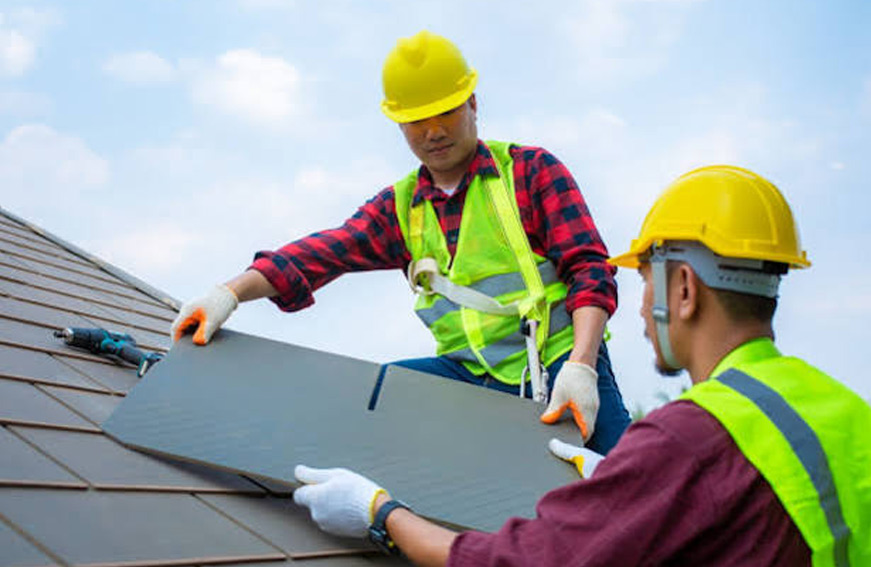
A properly installed roof is one of the most important investments a property owner can make because the roofing system provides continuous protection against rain, wind, sunlight, moisture, temperature changes, and other outdoor conditions. Although roofing materials receive much of the attention during a project, the quality of the installation process is equally important for long-term performance. Even high-quality materials may fail to perform as expected when they are installed incorrectly, poorly aligned, inadequately secured, or used without proper attention to ventilation and drainage. A successful roof installation begins with careful planning, accurate assessment of the existing structure, appropriate material selection, professional workmanship, and attention to every component that contributes to the finished system. Property owners who understand these factors can make better decisions and establish realistic expectations before beginning a roofing project.
Understanding the Importance of a Properly Installed Roof
A roof does more than cover the top of a building. It forms an important part of the property’s protective envelope and must work together with flashing, underlayment, ventilation, gutters, decking, and other components to manage water and environmental exposure. When the system is installed correctly, these components work together to direct water away from vulnerable areas and reduce opportunities for moisture to enter the structure. Poor installation, on the other hand, can create weaknesses that may not become obvious until the property experiences heavy rainfall, strong winds, or significant temperature changes. Problems such as improperly secured shingles, inadequate flashing, exposed fasteners, poor ventilation, or insufficient attention to drainage can reduce the effectiveness of an otherwise high-quality roofing system. Professional installation therefore requires more than placing materials on the roof; it requires a coordinated approach that considers how every component will perform as part of the complete system.
Evaluating the Existing Roofing Structure
Before a new roofing project begins, the existing roof and supporting structure should be carefully evaluated. This assessment can help identify damaged decking, moisture concerns, deteriorated flashing, ventilation problems, drainage issues, and other conditions that could affect the new roof. Installing new materials over unresolved structural problems may only hide an issue temporarily rather than solving it. A professional roofing contractor can inspect the existing system and determine whether certain areas require repair or replacement before new roofing materials are installed. The condition of the underlying structure is particularly important because roofing materials depend on a stable and properly prepared surface. A detailed evaluation also allows the contractor to establish a realistic project scope and explain whether additional work may be necessary before installation can proceed.
Choosing the Right Roofing Material
Roofing materials come in a variety of styles, designs, durability levels, and price ranges, making material selection an important part of the planning process. Asphalt shingles remain a popular choice because they are available in different designs and can provide a practical balance between appearance, performance, and cost. Metal roofing is another option that can provide a different combination of durability, appearance, and maintenance characteristics. The right material depends on factors such as the structure, roof design, budget, desired appearance, maintenance expectations, and long-term goals of the property owner. It is important to consider more than the initial purchase price because roofing is a long-term investment. Material quality, installation requirements, expected service life, warranty terms, maintenance needs, and compatibility with the existing structure can all influence the overall value of a roofing system.
Preparing the Roof for Installation
Proper preparation can have a significant effect on the quality of the completed roofing project. Depending on the condition of the existing system, preparation may involve removing old roofing materials, inspecting the decking, replacing damaged sections, addressing moisture concerns, preparing flashing locations, and ensuring that the roof surface is clean and stable. The preparation stage provides an opportunity to identify hidden problems before they become covered by new materials. If damaged decking or other structural concerns are discovered, these areas should be addressed before the new roof is installed. Rushing through preparation can create problems later because defects beneath the roofing surface may be difficult and costly to access once installation is complete. Careful preparation establishes a stronger foundation for the new system and helps the contractor maintain proper installation standards throughout the project.
The Role of Underlayment and Moisture Protection
Underlayment provides an additional layer of protection beneath many roofing materials and can help reduce the risk of moisture reaching the underlying structure. Although it is not normally visible after the project is completed, it plays an important role in the overall roofing assembly. Proper installation requires attention to coverage, positioning, overlaps, fasteners, and areas around penetrations or other vulnerable locations. The appropriate underlayment can vary depending on the roofing material, roof design, manufacturer requirements, and local building standards. Professional contractors understand how these components should be incorporated into the complete system and can make sure that the underlayment works effectively with shingles, metal panels, flashing, and other roofing materials. Paying attention to hidden protective layers is essential because the long-term performance of a roof depends on both visible and concealed components.
Installing Flashing Around Vulnerable Areas
Flashing is another critical component of a roofing system because it helps protect locations where the roof meets walls, chimneys, vents, skylights, valleys, and other structures. These areas can be especially vulnerable to water intrusion because they involve changes in surface direction or interruptions in the main roofing plane. Proper flashing directs water away from these transition points and helps prevent moisture from entering the structure. During a new roofing project, existing flashing should be carefully evaluated rather than automatically reused without inspection. Damaged or deteriorated flashing may need to be replaced, while properly functioning components should still be checked for compatibility with the new roofing system. Correct installation around these areas requires precision because even a small opening or improperly sealed joint can become a potential entry point for water.
Ensuring Proper Roof Ventilation
Ventilation should be considered during the planning and installation of a new roofing system because attic conditions can influence the performance and longevity of roofing materials. Proper ventilation allows air to move through the attic area and can help manage heat and moisture. Without appropriate airflow, excessive heat or moisture may accumulate and contribute to deterioration of roofing components, insulation, or roof decking. The appropriate ventilation strategy depends on the design of the building, existing airflow, roof configuration, and other structural factors. A professional roofing contractor can evaluate the existing ventilation system and determine whether improvements should be incorporated into the project. Addressing ventilation during installation is generally more practical than discovering an airflow problem after the new roof has already been completed.
Managing Roof Drainage Effectively
A new roof should be designed and installed with effective water drainage in mind. Rainwater needs to move efficiently from the roofing surface toward gutters, downspouts, or other appropriate drainage systems. Valleys, roof edges, flashing areas, and gutters all contribute to this process. If water is allowed to collect in vulnerable areas, prolonged moisture exposure can increase the risk of deterioration. Gutters should therefore be inspected and considered as part of a broader roofing project, especially when the existing drainage system is damaged or poorly positioned. Properly functioning gutters help move water away from the roof and exterior walls, while correctly positioned downspouts help prevent excessive moisture near the foundation. Coordinating roofing and drainage work can improve the overall performance of the property’s exterior water-management system.
Paying Attention to Installation Quality
The quality of workmanship can have a direct effect on how well a roof performs over time. Roofing materials must be installed according to appropriate manufacturer requirements and established industry practices. Shingles should be properly aligned and secured, metal panels should be correctly fastened, flashing should be installed carefully, and vulnerable areas should receive appropriate attention. Installation errors can create problems that may remain hidden for months or years before becoming noticeable. Professional roofers understand that small details can influence long-term performance, which is why each stage of installation should be completed carefully rather than focusing only on the appearance of the finished roof. Good workmanship also involves maintaining a clean and organized job site, protecting surrounding property, and inspecting completed work before the project is considered finished.
Considering Weather and Project Timing
Weather conditions can affect roofing work, particularly during installation. Rain, strong winds, extreme temperatures, and other unfavorable conditions may interfere with material handling, installation procedures, and worker safety. Professional roofing contractors monitor conditions and plan projects accordingly so that materials can be installed under suitable circumstances. Property owners should understand that project schedules can sometimes change because of weather, especially when completing work safely and correctly requires waiting for improved conditions. Attempting to rush an installation during unsuitable weather may create unnecessary risks and potentially affect the quality of the finished system. A flexible approach to scheduling allows the contractor to prioritize safety and proper workmanship while still working toward an efficient project completion.
Understanding the Difference Between Cost and Value
The lowest roofing estimate is not always the most appropriate choice for a long-term roofing project. While budget is naturally an important consideration, property owners should also evaluate the quality of materials, installation standards, warranties, contractor experience, preparation requirements, and expected service life. An inexpensive project that requires repeated repairs may ultimately cost more than a properly planned installation using durable materials and professional workmanship. When comparing roofing estimates, homeowners should review what is actually included rather than focusing only on the final price. Questions about material specifications, removal of existing roofing, decking repairs, flashing, ventilation, cleanup, warranties, and labor can provide a clearer understanding of the overall project value. A detailed estimate can also reduce confusion by establishing expectations before work begins.
Working With an Experienced Roofing Contractor
Choosing the right contractor is one of the most important steps in a successful roofing project. Property owners should look for a company with appropriate experience, professional credentials, insurance, clear communication, and a demonstrated understanding of different roofing systems. A reliable contractor should be willing to explain the condition of the existing roof, describe the recommended materials, discuss the installation process, and answer questions about warranties and maintenance. Cenvar Roofing provides residential and commercial roofing services, including roof installation, repairs, inspections, shingle roofing, metal roofing, and gutter services. Working with a roofing company that can address multiple aspects of the roofing system can be beneficial when a project involves several related components.
Maintaining the New Roofing System
Even a professionally installed roof requires appropriate maintenance after the project is complete. Regular inspections can help identify developing problems before they become extensive, while gutter maintenance can help support proper drainage. Property owners should also monitor the roof after severe weather and look for visible signs of damage, including missing shingles, damaged flashing, unusual debris, or moisture inside the building. Trees near the structure should be managed appropriately to reduce the possibility of branches damaging the roof. Keeping gutters clear and addressing minor concerns promptly can also support the long-term performance of the roofing system. Maintenance requirements will vary according to the roofing material and property conditions, so homeowners should follow manufacturer recommendations and professional guidance.
Planning for Long-Term Roof Performance
A successful roofing project should be viewed as a long-term investment rather than a one-time improvement. The goal is not simply to create a visually attractive roof but to establish a complete system capable of handling regular environmental exposure for many years. This requires proper planning, quality materials, accurate roof installation, effective drainage, suitable ventilation, and ongoing maintenance. Property owners can support long-term performance by keeping records of installation details, warranties, inspections, and maintenance work. These records can become valuable when future repairs or inspections are required because they provide contractors with information about the materials and work previously completed. A proactive approach also makes it easier to identify when maintenance is needed and when larger improvements may eventually become necessary.
Conclusion
A new roofing project requires careful consideration of materials, structural conditions, installation methods, flashing, ventilation, drainage, and long-term maintenance. Each part of the system contributes to the roof’s ability to protect the property from moisture, wind, sunlight, and changing weather conditions. Professional planning and workmanship can help ensure that the new roofing system is installed correctly and that potential concerns are addressed before they become larger problems. From evaluating the existing structure to selecting appropriate materials and maintaining the completed roof, every stage has an important role in achieving dependable performance.
Investing in professional roof installation can provide property owners with a stronger foundation for long-term protection and performance. A qualified roofing contractor can evaluate the property, explain available options, prepare the surface, install the selected materials, and address supporting components such as flashing, ventilation, and gutters. With quality materials, careful workmanship, proper preparation, and regular maintenance, a new roof can become a valuable part of the property’s overall protection. Taking time to plan the project properly allows homeowners to make informed decisions while creating a roofing system designed to provide reliable service for years to come.

